Artwork
Portrait of a Seated Man
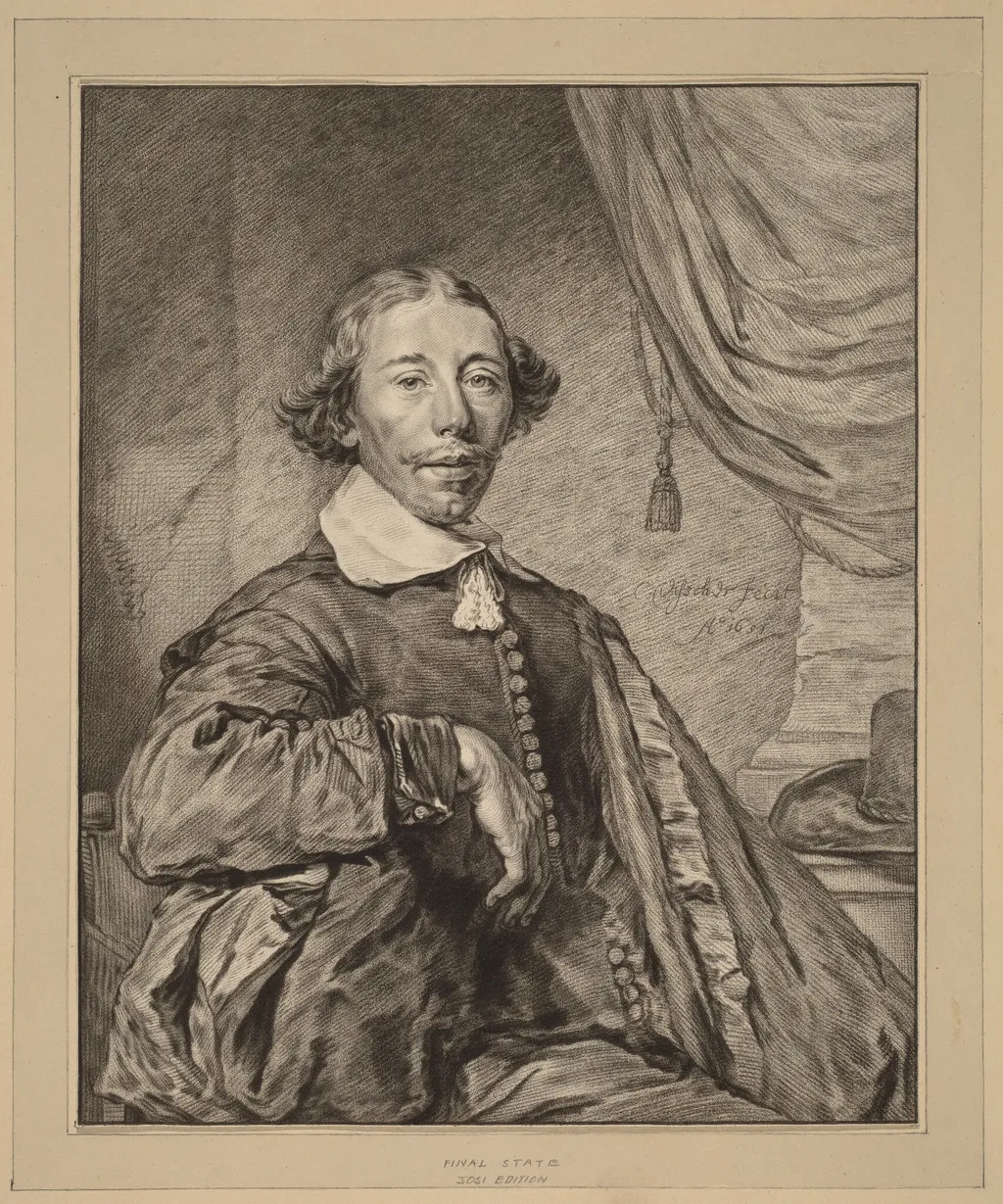
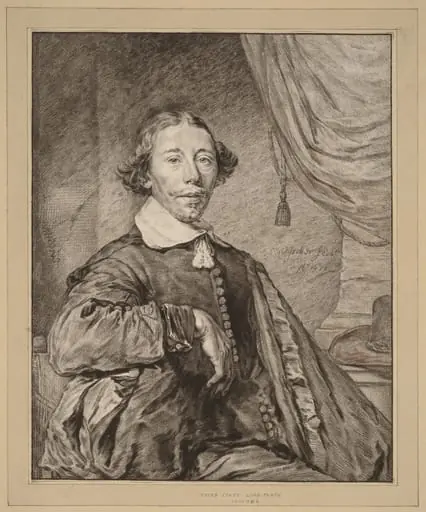
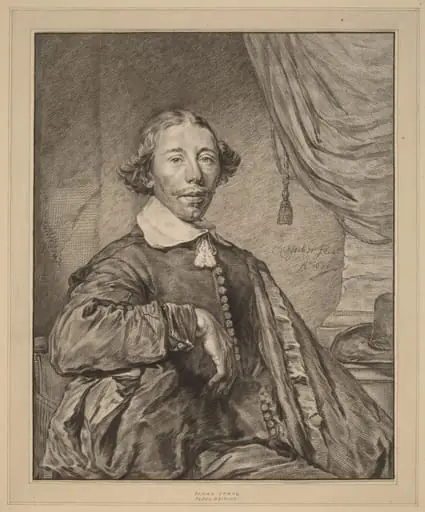
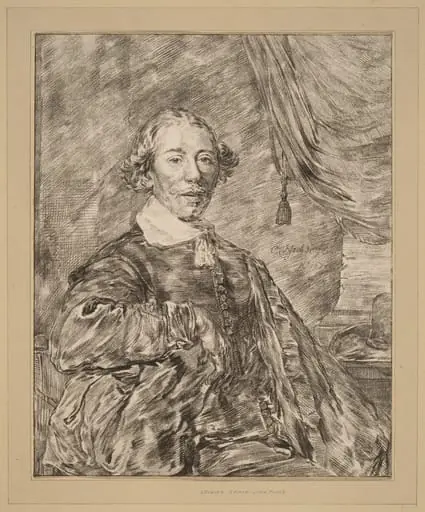
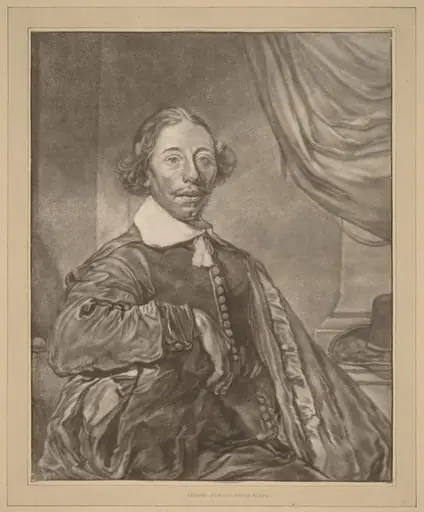
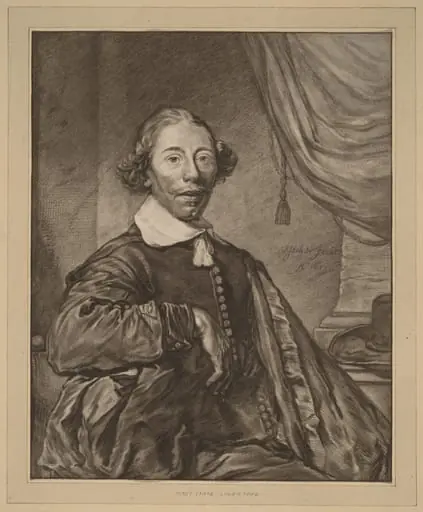
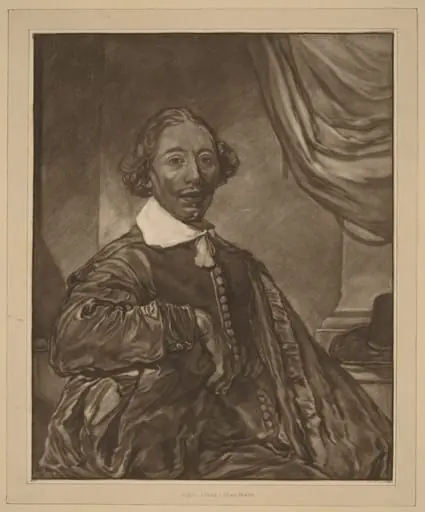
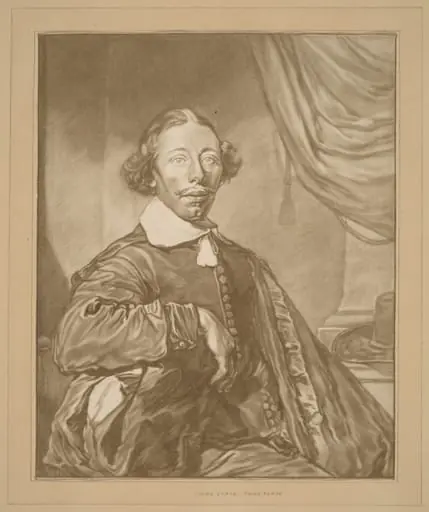
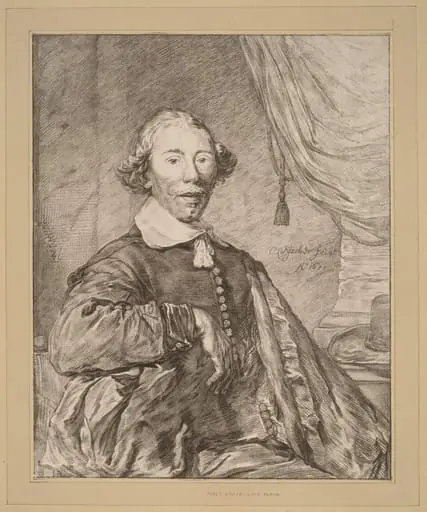
Portrait of a Seated Man is a chalk print by the Romanticist artist Jacobus Buys. It dates from 1771 and is held in the collection of the National Gallery of Art.
About this work
Overview
Cornelis Ploos van Amstel’s 1771 work, Portrait of a Seated Man, is a black‑ink print executed in the chalk manner on laid paper. The image presents a single figure in a seated pose, rendered entirely in monochrome, and exemplifies the artist’s interest in reproducing the look of a drawn study through printmaking.
Subject & Meaning
The sitter is depicted with curly hair and a neatly trimmed mustache, his expression solemn. He rests an arm on a chair, wears a ruffled collar and a lace‑trimmed cuff, and is framed by a draped cloth behind him. The attire and pose suggest a gentleman of modest standing, captured in a moment of quiet contemplation.
Technique & Style
This approach creates depth and texture, especially in the folds of the sleeve and the soft fabric behind the figure.
Ploos van Amstel employed fine, closely spaced lines to build tonal variation, a method known as cross‑hatching. This approach creates depth and texture, especially in the folds of the sleeve and the soft fabric behind the figure. The chalk‑manner technique mimics the appearance of a charcoal or pastel drawing, a common practice among eighteenth‑century printmakers seeking a more painterly effect.
History & Provenance
Created in 1771, the print belongs to the later phase of Ploos van Amstel’s career, during which he produced numerous portrait studies for the Dutch market. While specific ownership records are scarce, the work has appeared in several catalogues of eighteenth‑century Dutch prints, indicating its circulation among collectors of the period.
Artist & collection
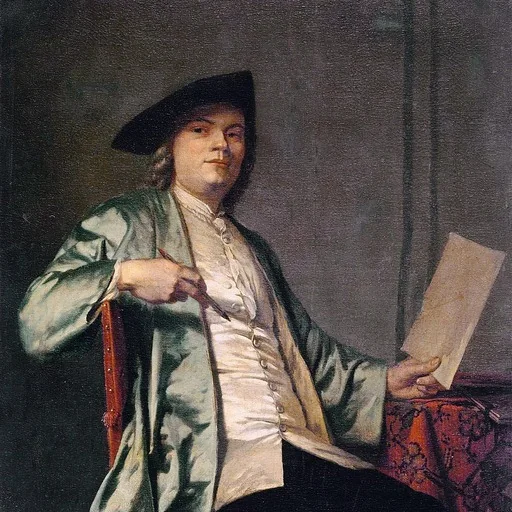

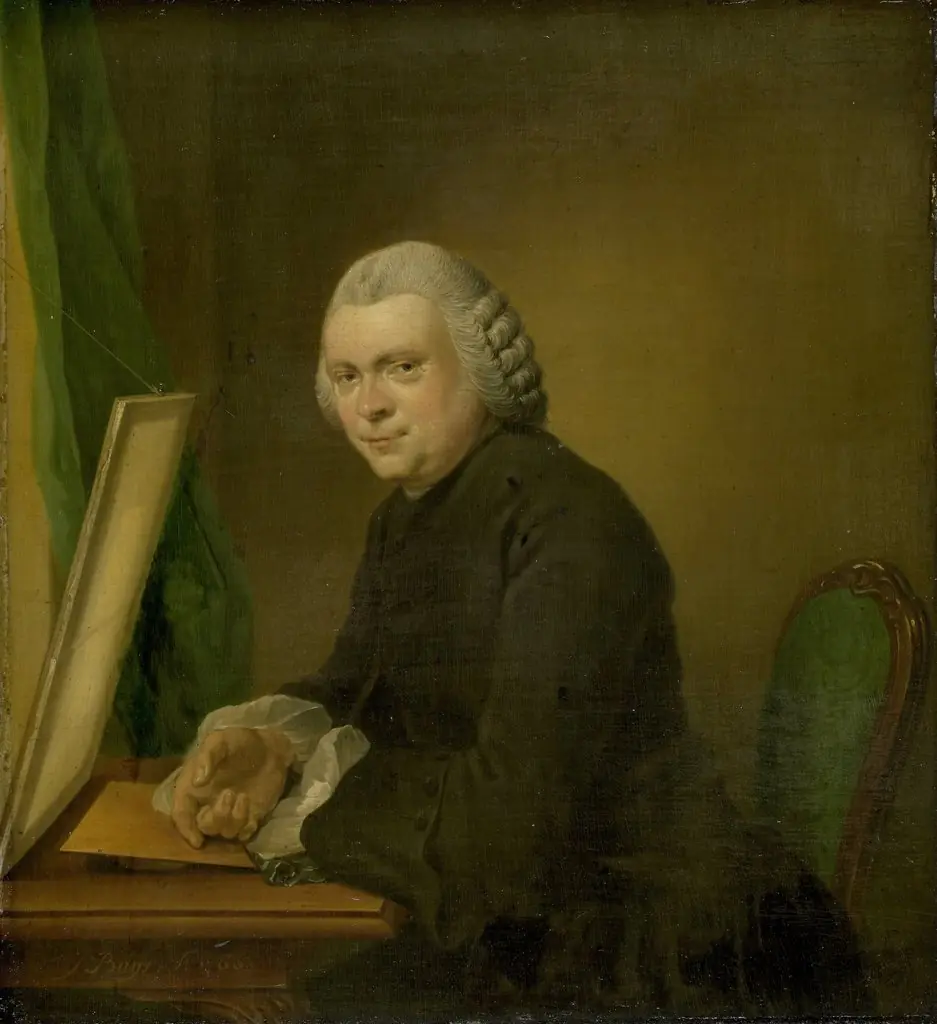 Portrait of Cornelis Ploos van Amstel
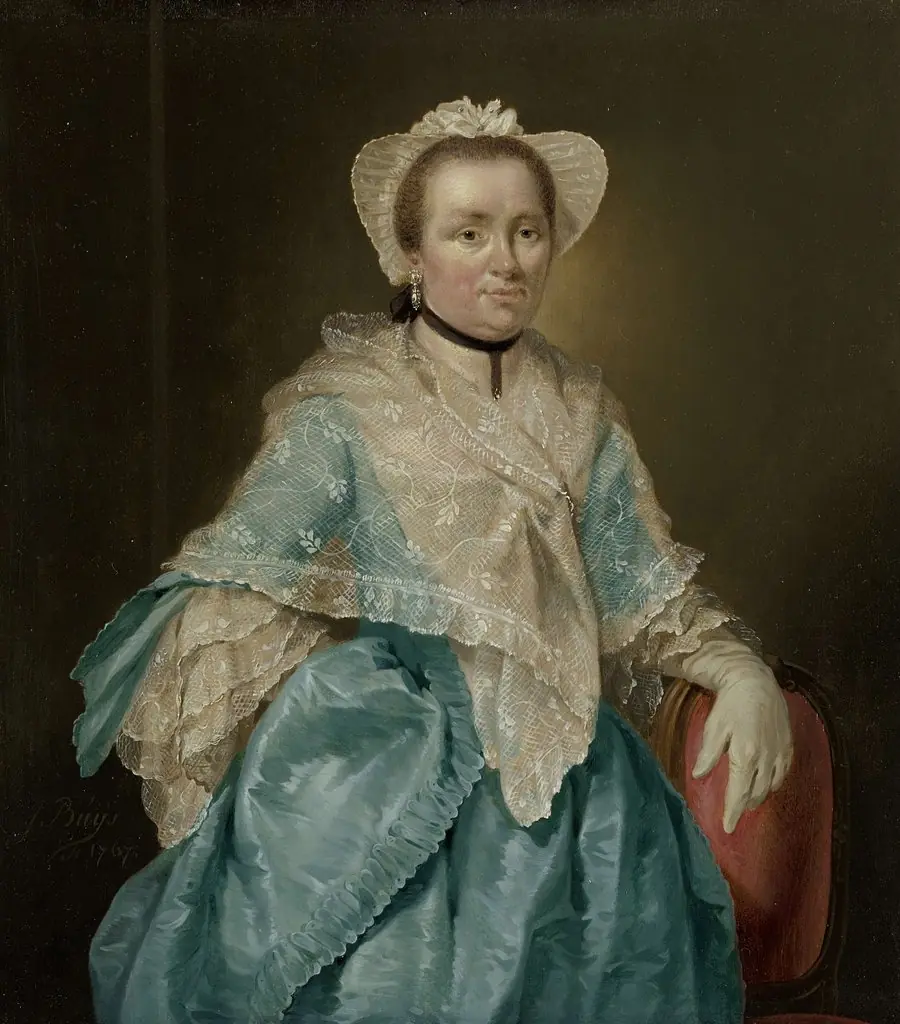 Portrait of Elisabeth Troost (1730-1790)
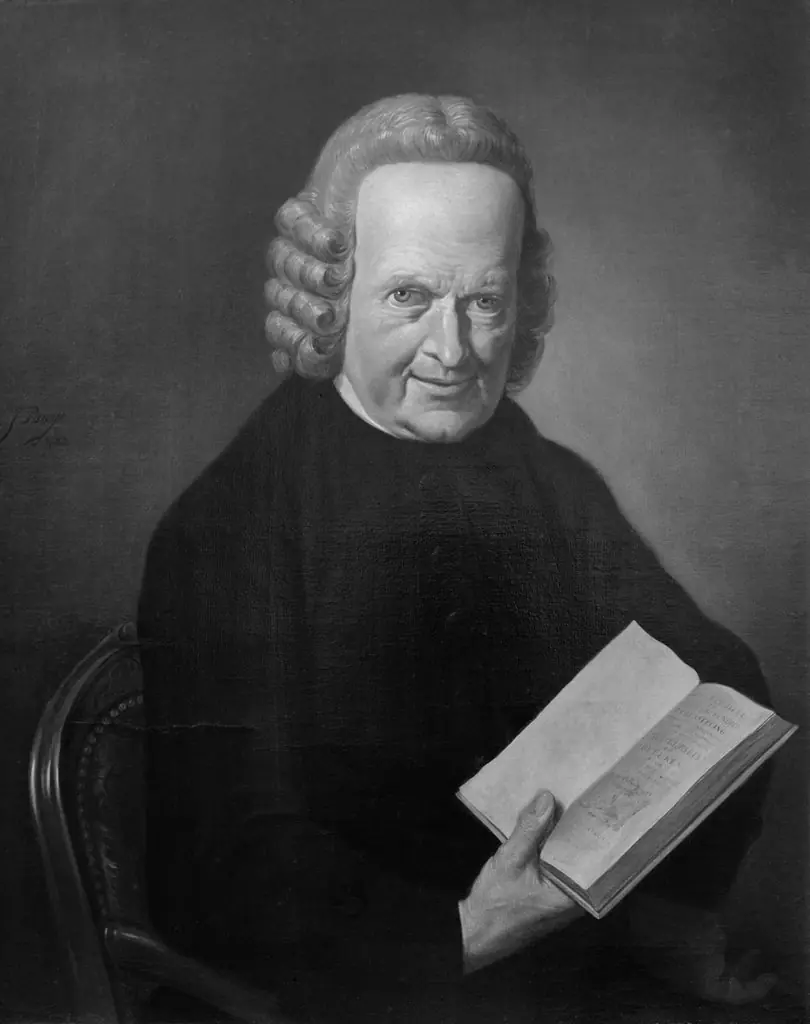 Johannes Monnikhoff (1707-1787)
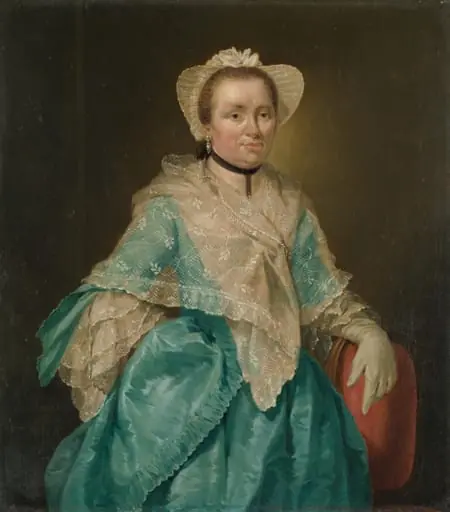 Portrait of Elisabeth Troost (1730-1790)
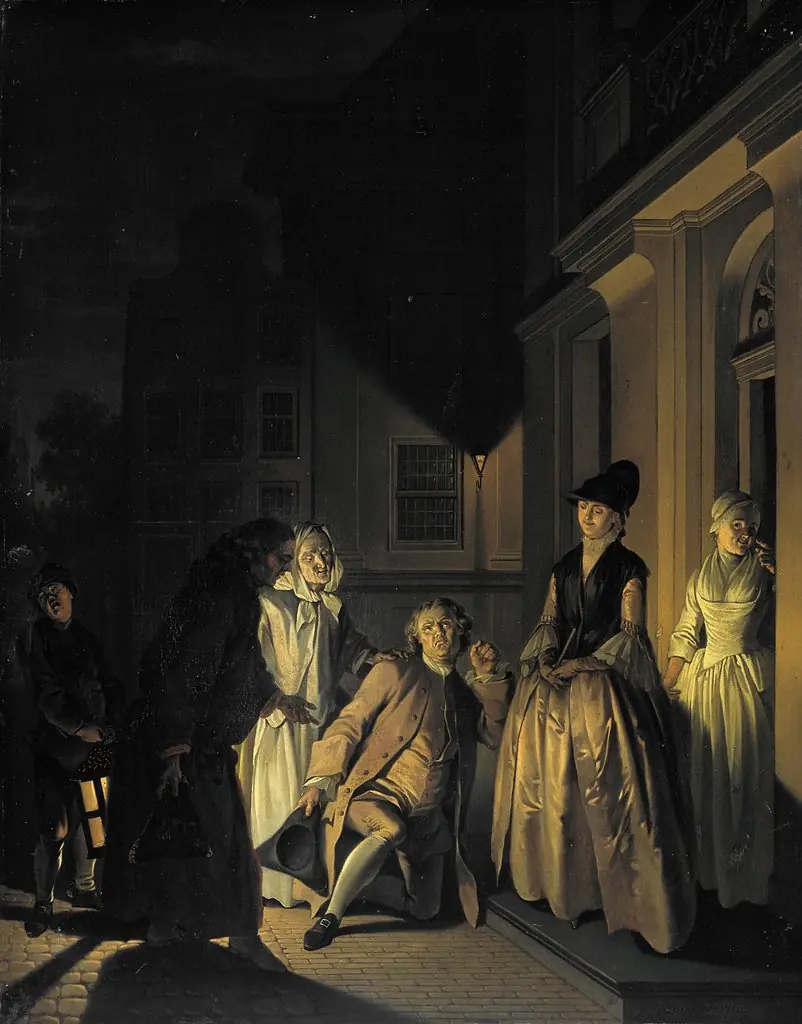 Scene from the Play 'Lubbert Lubbertse of de geadelde boer' by M. van Breda
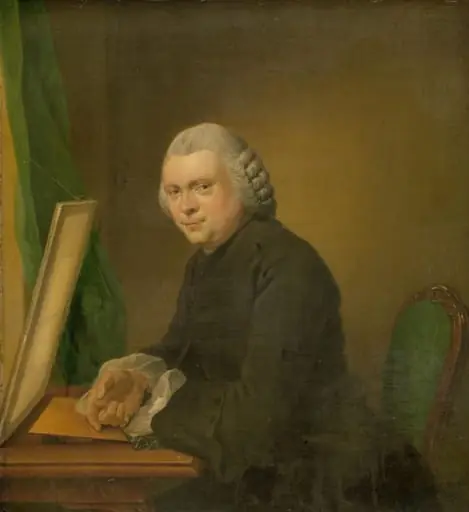 Portrait of Cornelis Ploos van Amstel
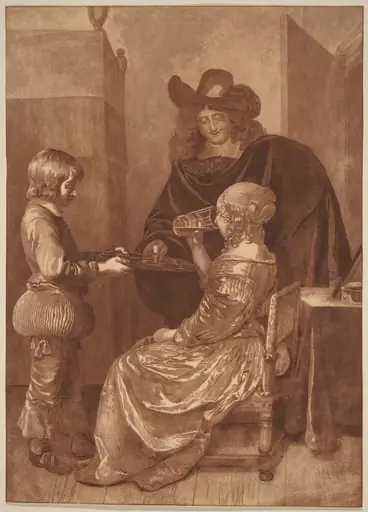 Cavalier and Lady with a Page
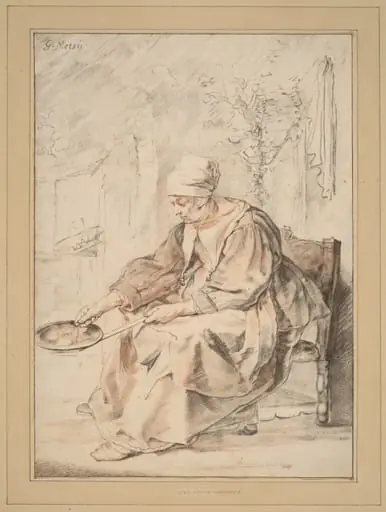 Pancake Woman