Artwork
Portrait of a Seated Man
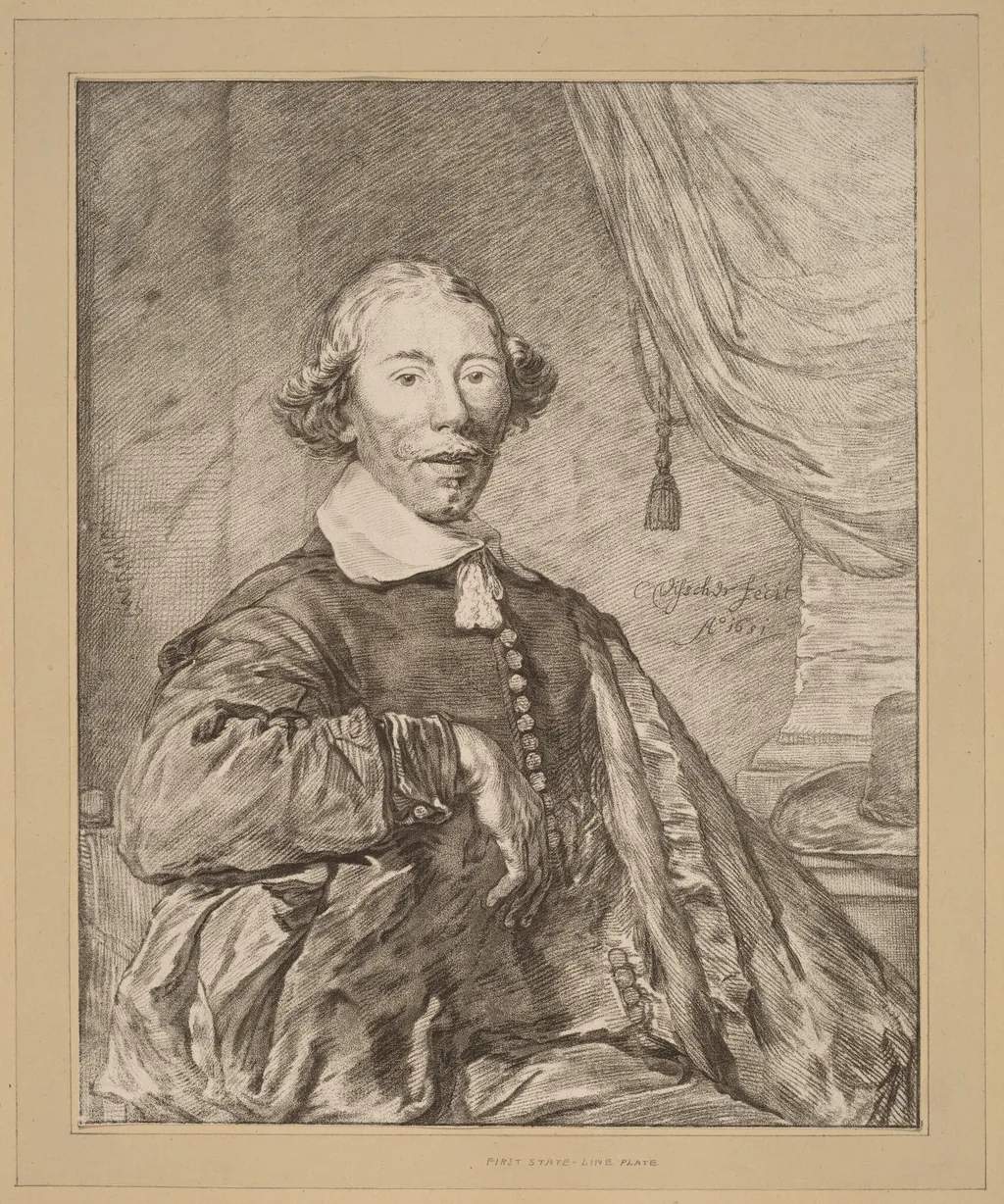
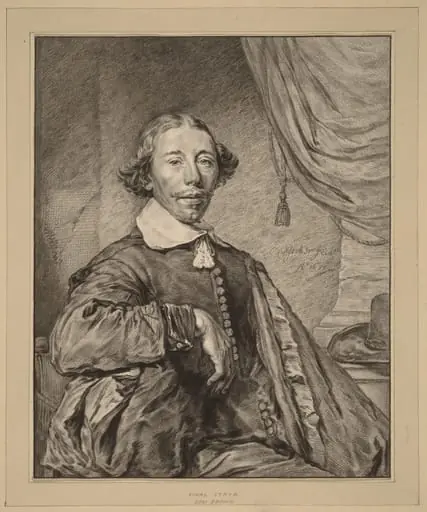
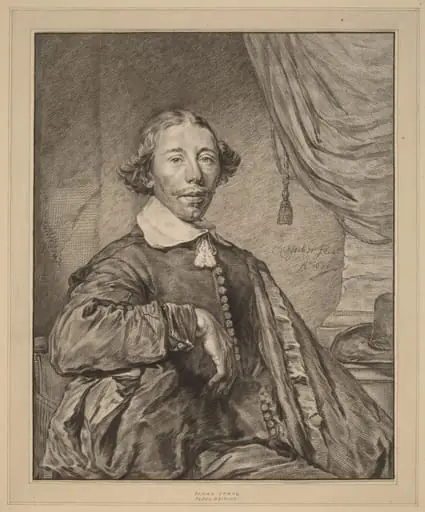
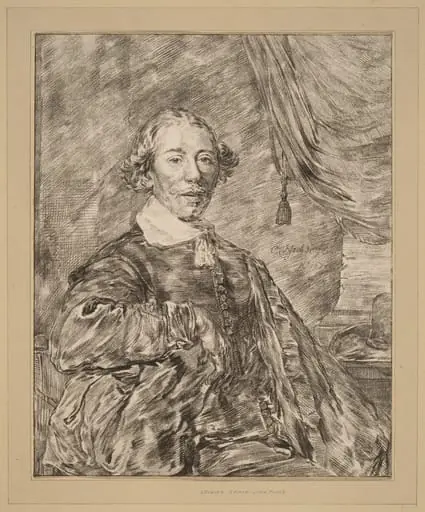
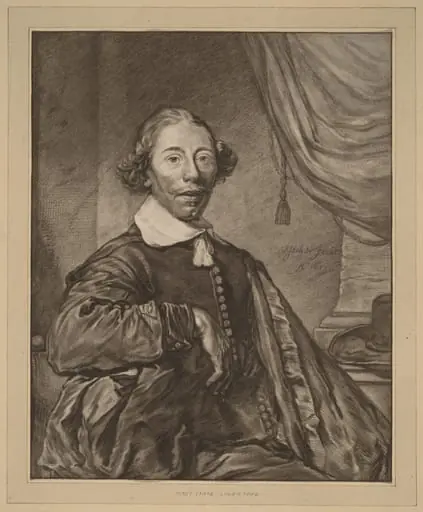
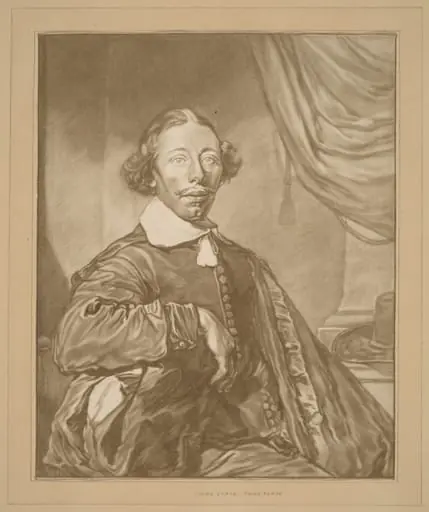
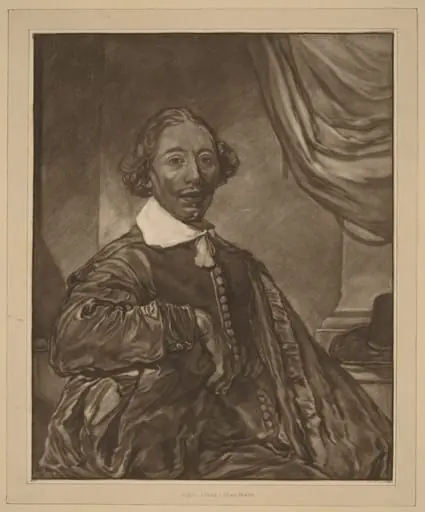
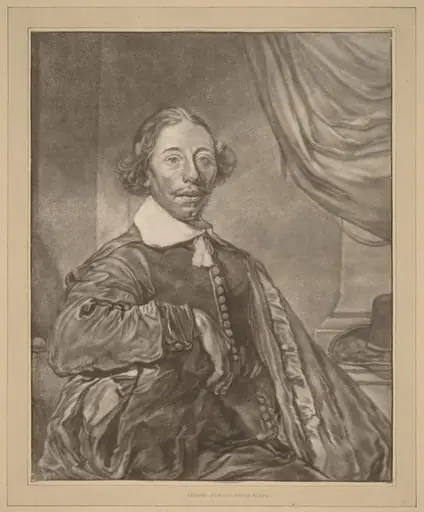
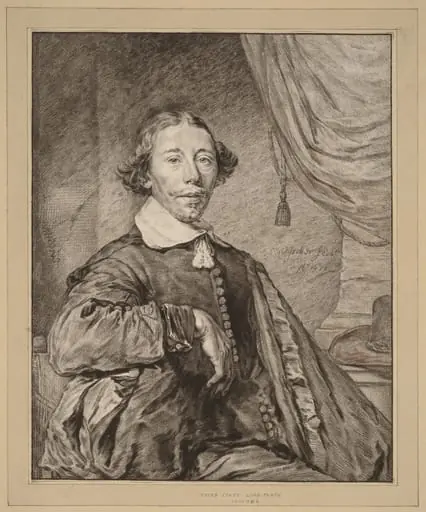
Portrait of a Seated Man is a chalk print by the Romanticist artist Jacobus Buys. It dates from 1771 and is held in the collection of the National Gallery of Art. This 1771 print by Cornelis Ploos van Amstel depicts a seated man in black chalk and ink on laid paper.
About this work
Overview
This 1771 print by Cornelis Ploos van Amstel depicts a seated man in black chalk and ink on laid paper. The composition focuses on a solitary figure, rendered with fine linear detail and tonal contrast. The medium emphasizes texture and shadow, creating a quiet, contemplative presence. Unlike painted portraits, this work relies on the precision of hand-drawn marks to convey form and character.
Subject & Meaning
The absence of external context or symbolic objects directs focus inward, evoking an atmosphere of introspection rather than public display.
The man is shown in formal attire—a high collar, dark coat, and a tasseled ornament—suggesting scholarly or professional status. His posture, with one arm resting and the other holding a book, implies quiet reflection. The absence of external context or symbolic objects directs focus inward, evoking an atmosphere of introspection rather than public display. The stillness of the figure invites contemplation of inner life.
Technique & Style
The artist employs cross-hatching and fine linear shading to model volume and fabric texture. The ink’s density varies to suggest light falling across the face and clothing, while the paper’s laid texture subtly enhances the tactile quality of the surface. The background is left largely unworked, deepening the contrast and isolating the figure. This restrained approach reflects an 18th-century preference for clarity and psychological nuance over ornamental flourish.
History & Provenance
Created in 1771, the print is attributed to Cornelis Ploos van Amstel, a Dutch artist known for portraiture in graphic media. It likely originated as a study or independent work, not part of a larger series. No documented early ownership is recorded, but its survival in collections suggests it was valued for its technical precision and intimate character. It remains a rare example of Dutch graphic portraiture from the period.
Context
In late 18th-century Netherlands, portraiture in print was often used for scholarly or familial documentation. Artists like Ploos van Amstel worked within a tradition that favored restraint and psychological depth over grandeur. This work aligns with contemporary interest in individual character, influenced by Enlightenment ideals that emphasized reason and inner life over external display.
Legacy
The print endures as a quiet example of Dutch graphic portraiture, valued for its technical discipline and emotional subtlety. While not widely reproduced or exhibited, it contributes to understanding how artists of the period used drawing and print to explore personal presence. Its preservation highlights the role of print as a medium for intimate, non-commissioned portraiture in the 18th century.
Artist & collection
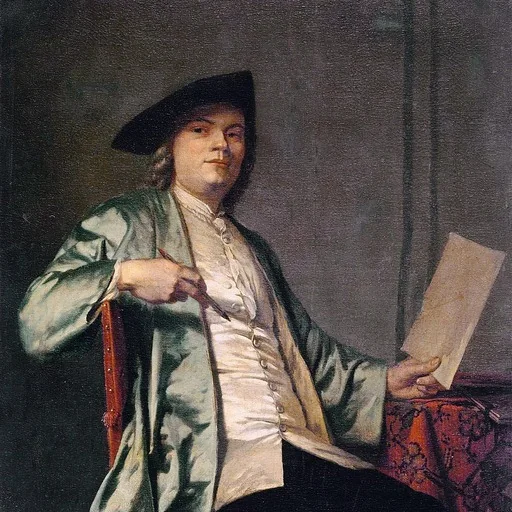

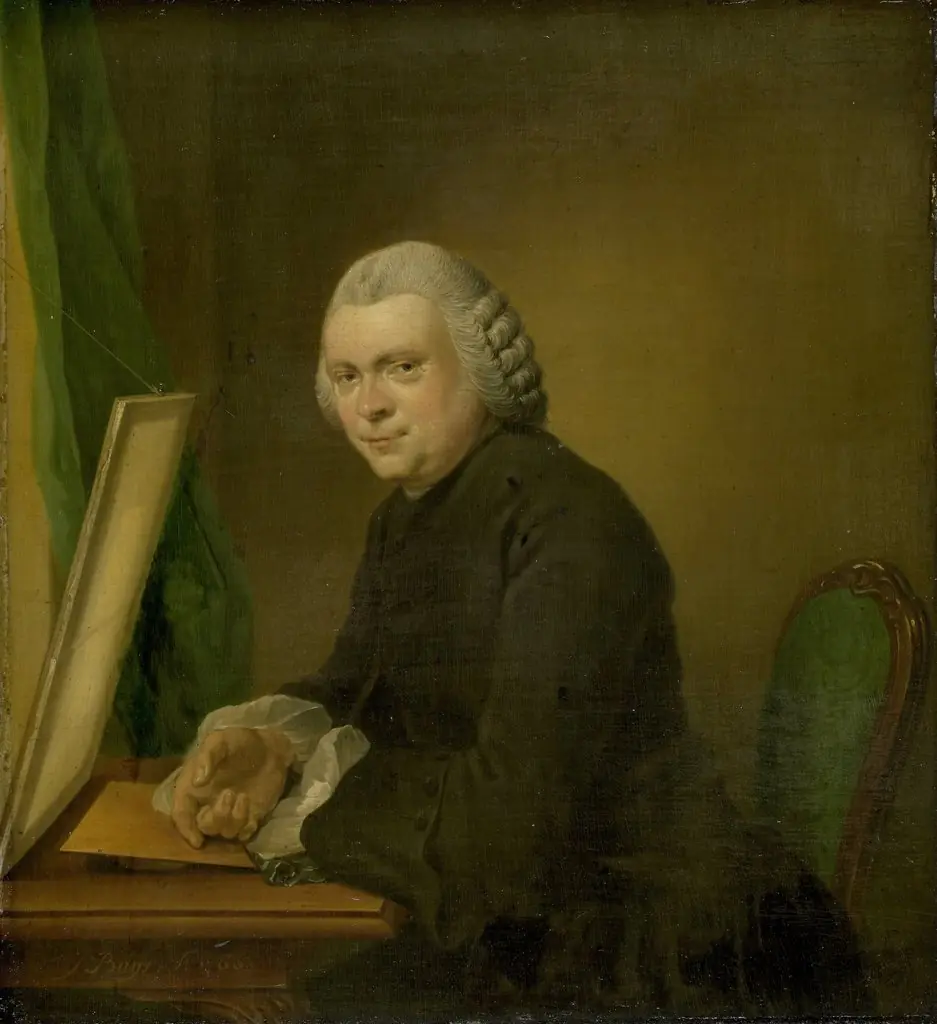 Portrait of Cornelis Ploos van Amstel
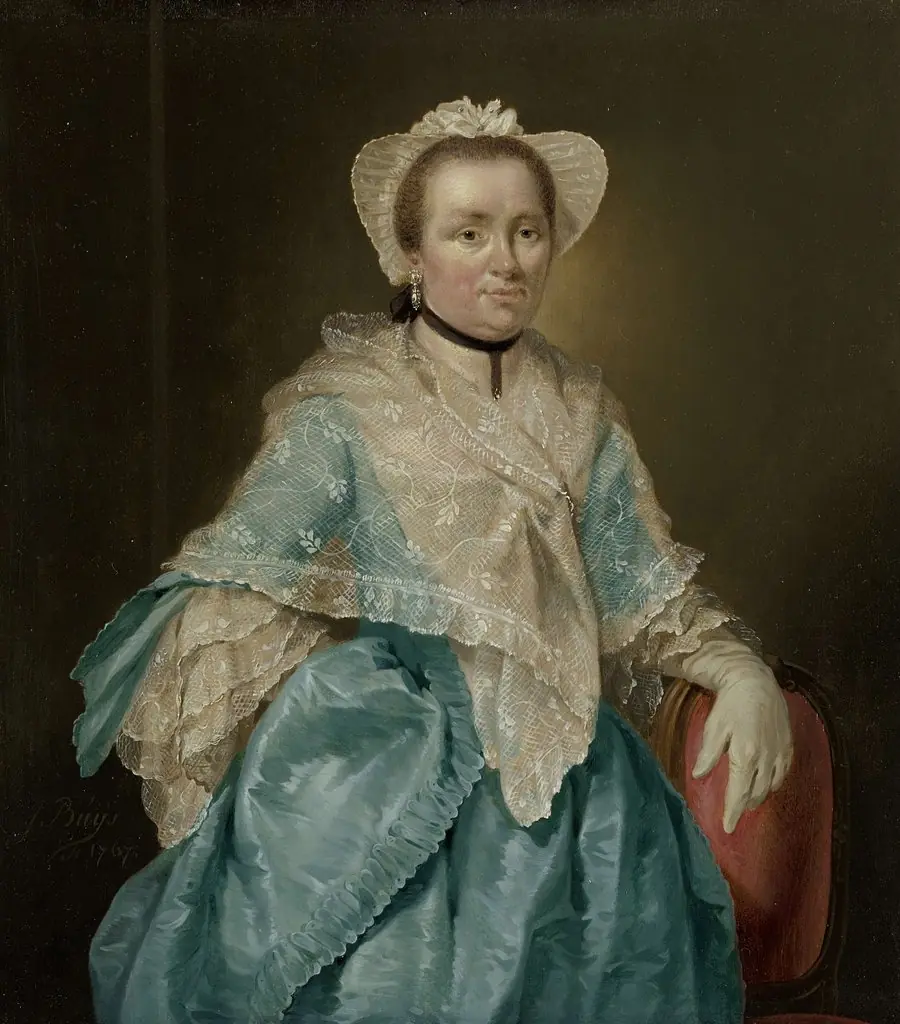 Portrait of Elisabeth Troost (1730-1790)
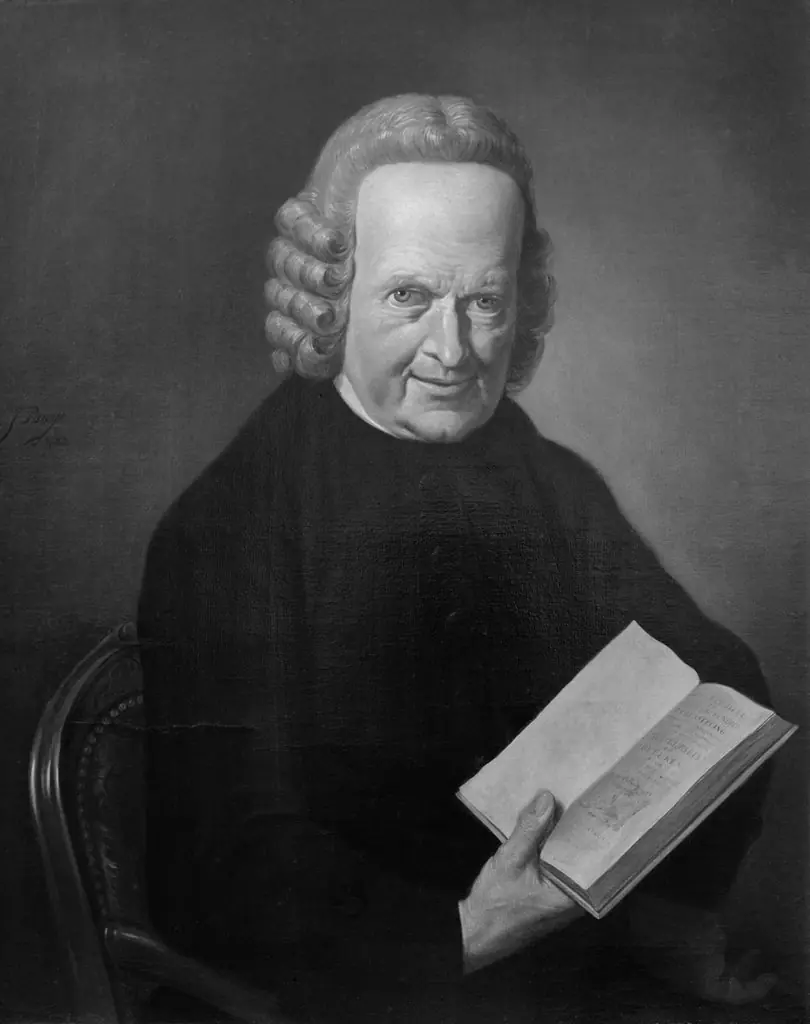 Johannes Monnikhoff (1707-1787)
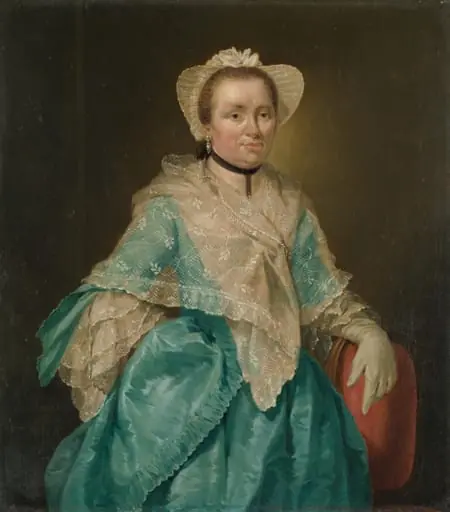 Portrait of Elisabeth Troost (1730-1790)
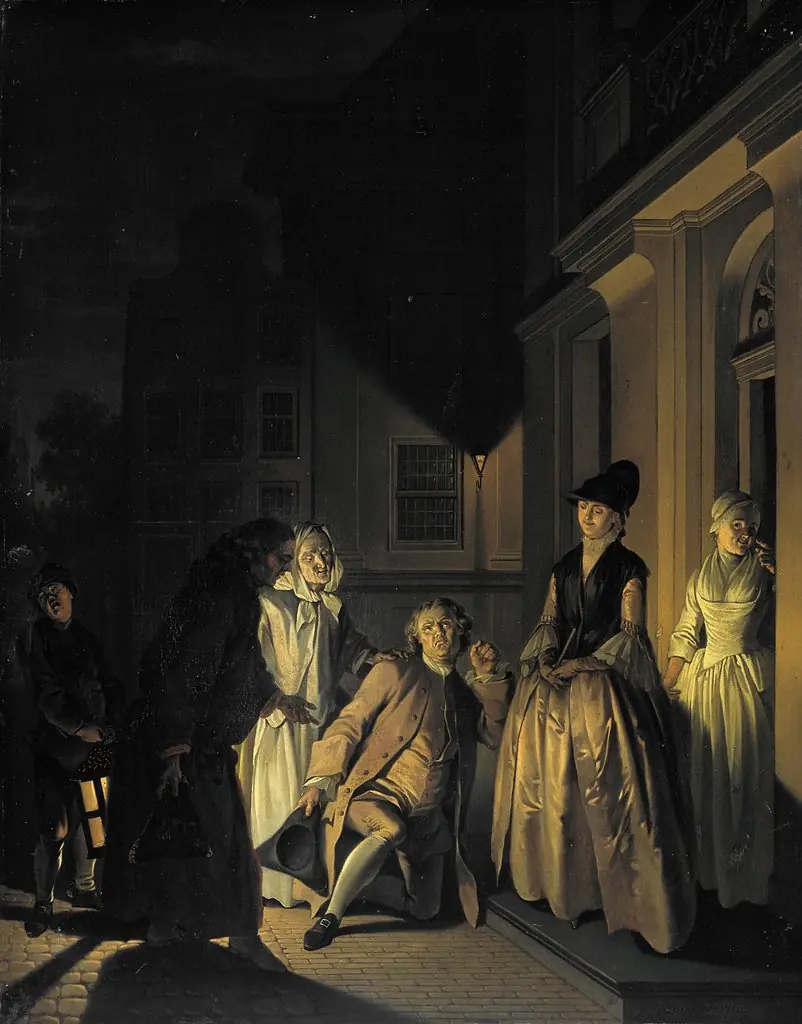 Scene from the Play 'Lubbert Lubbertse of de geadelde boer' by M. van Breda
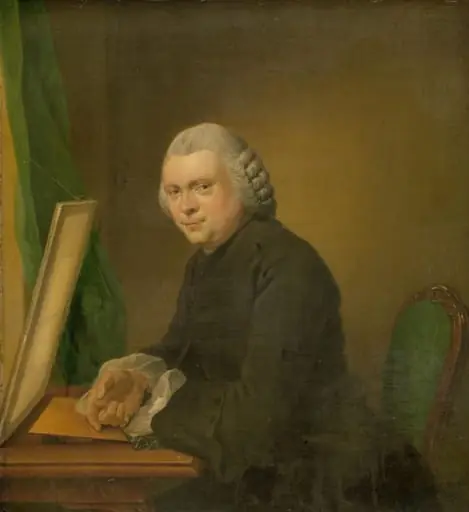 Portrait of Cornelis Ploos van Amstel
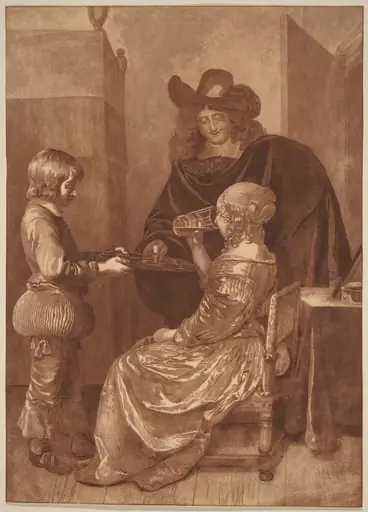 Cavalier and Lady with a Page
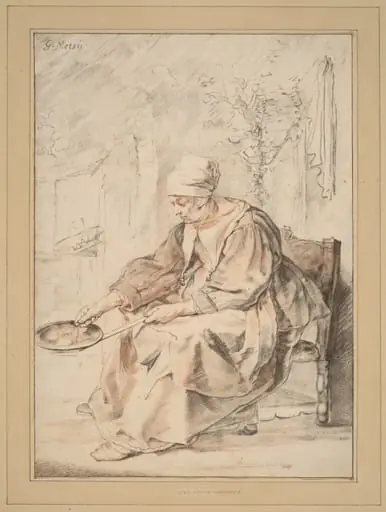 Pancake Woman