Artwork
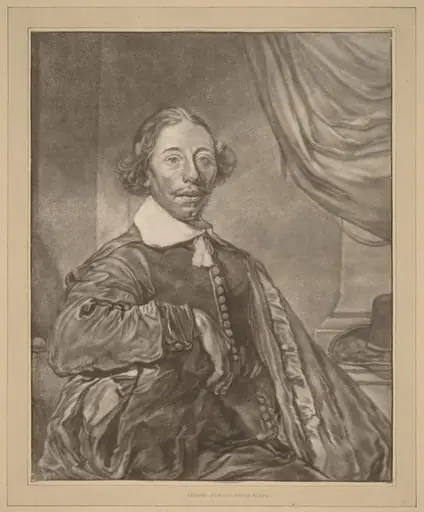
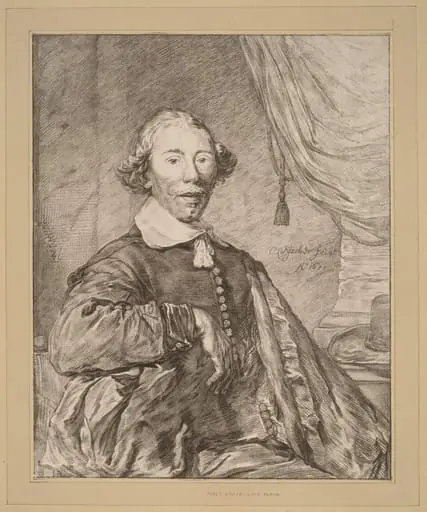
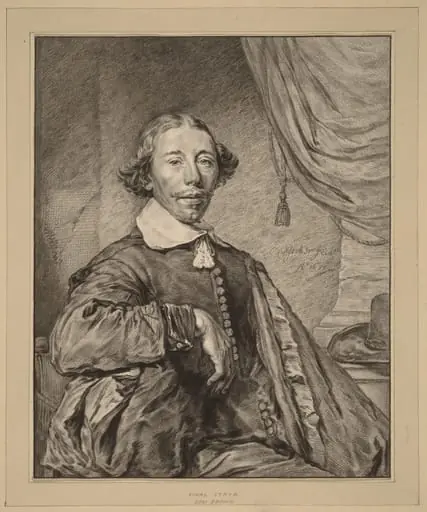
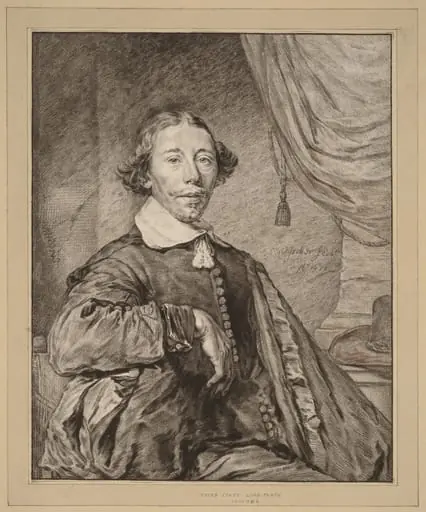
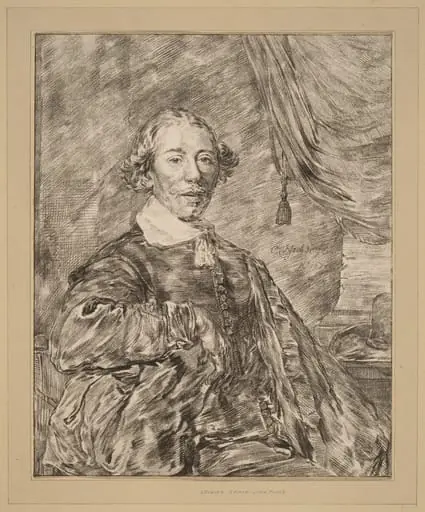
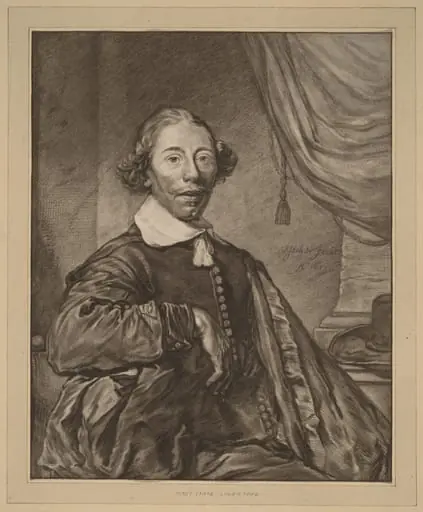
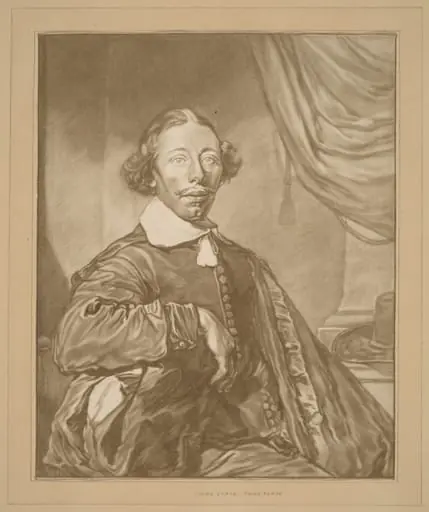
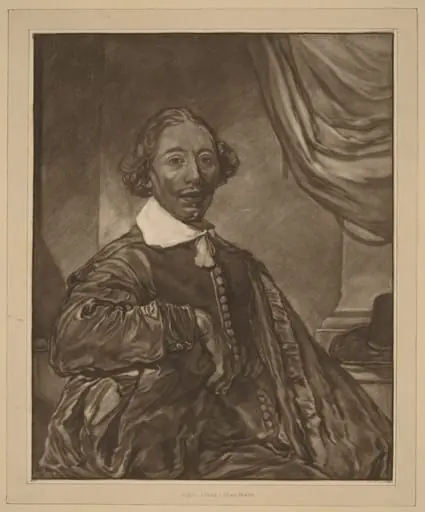
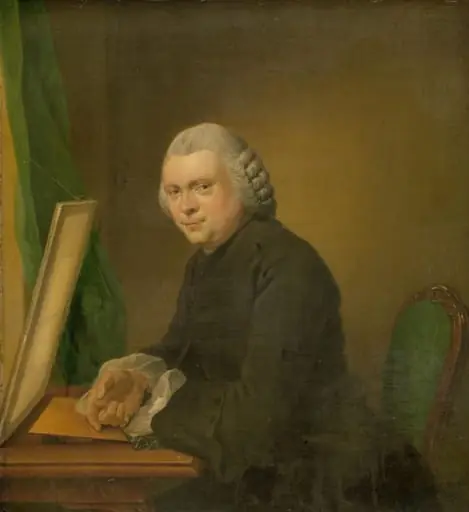
Portrait of a Seated Man
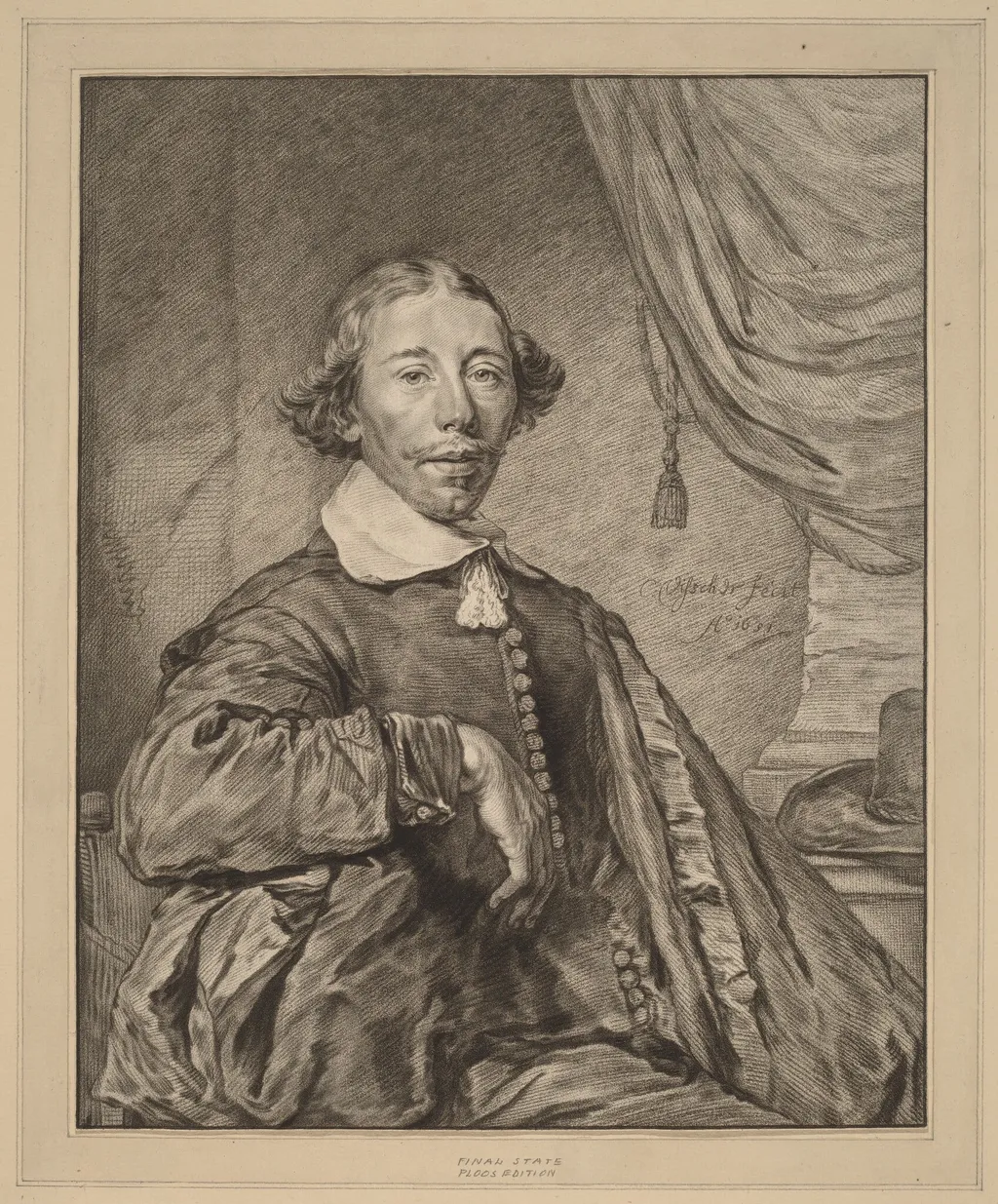
Portrait of a Seated Man is a chalk print by the Romanticist artist Jacobus Buys. It dates from 1771 and is held in the collection of the National Gallery of Art. This chalk-and-ink print, dated 1771, is the work of Cornelis Ploos van Amstel.
About this work
Overview
This chalk-and-ink print, dated 1771, is the work of Cornelis Ploos van Amstel. Executed on laid paper, it presents a half-length portrait of a man seated in quiet repose. The composition emphasizes subtle tonal contrasts and restrained detail, characteristic of late 18th-century portraiture in the Netherlands. The medium’s intimacy suits the contemplative mood of the figure.
Subject & Meaning
His grip on a slender, dark object—perhaps a cane or hilted item—suggests status or profession, though no definitive identification exists.
The man, dressed in a dark jacket and white collar with a draped cloak, exudes quiet dignity. His grip on a slender, dark object—perhaps a cane or hilted item—suggests status or profession, though no definitive identification exists. His expression is neutral, avoiding theatricality, which aligns with an emphasis on personal composure rather than social display. The setting offers no clues to identity, focusing attention on the individual’s presence.
Technique & Style
Ploos van Amstel employs chalk rendered in black ink to build form through graded tones. Chiaroscuro is used sparingly but effectively to model the face and clothing, lending volume without heavy shadow. The textured background and draped curtain add depth while avoiding distraction. The precision of line and soft transitions reflect a disciplined approach to drawing, rooted in academic tradition rather than expressive flourish.
History & Provenance
The print originates from the Dutch Republic in the late 1700s, a period when portraiture in print flourished among the educated middle class. Ploos van Amstel, primarily known as a draughtsman and collector, produced works for private circulation rather than public display. This piece likely served as a personal or familial keepsake, though its early ownership remains undocumented.
Context
Created during the transition from Enlightenment ideals to early Romantic sensibilities, the portrait avoids overt emotion or grandeur. It reflects a Dutch tradition of understated realism, where individual character is conveyed through posture and attire rather than symbolic props. The work aligns with contemporaneous Dutch printmakers who favored quiet observation over dramatic narrative.
Legacy
Though not widely exhibited or reproduced, the print contributes to the corpus of Dutch graphic portraiture from the late 18th century. It exemplifies the quiet craftsmanship of artists who worked outside the mainstream of academic painting. Its survival offers insight into private visual culture, where portraiture served personal, rather than public, commemoration.
Artist & collection
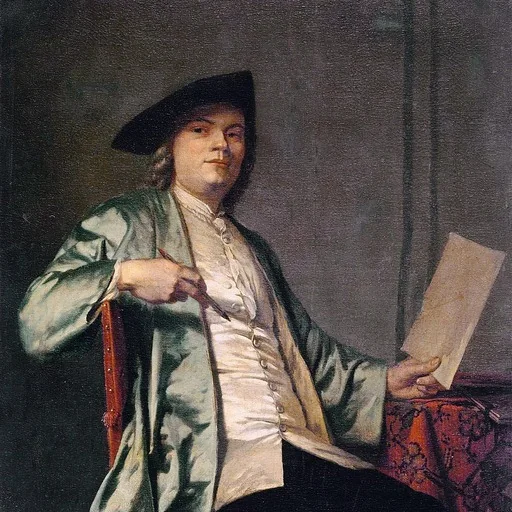

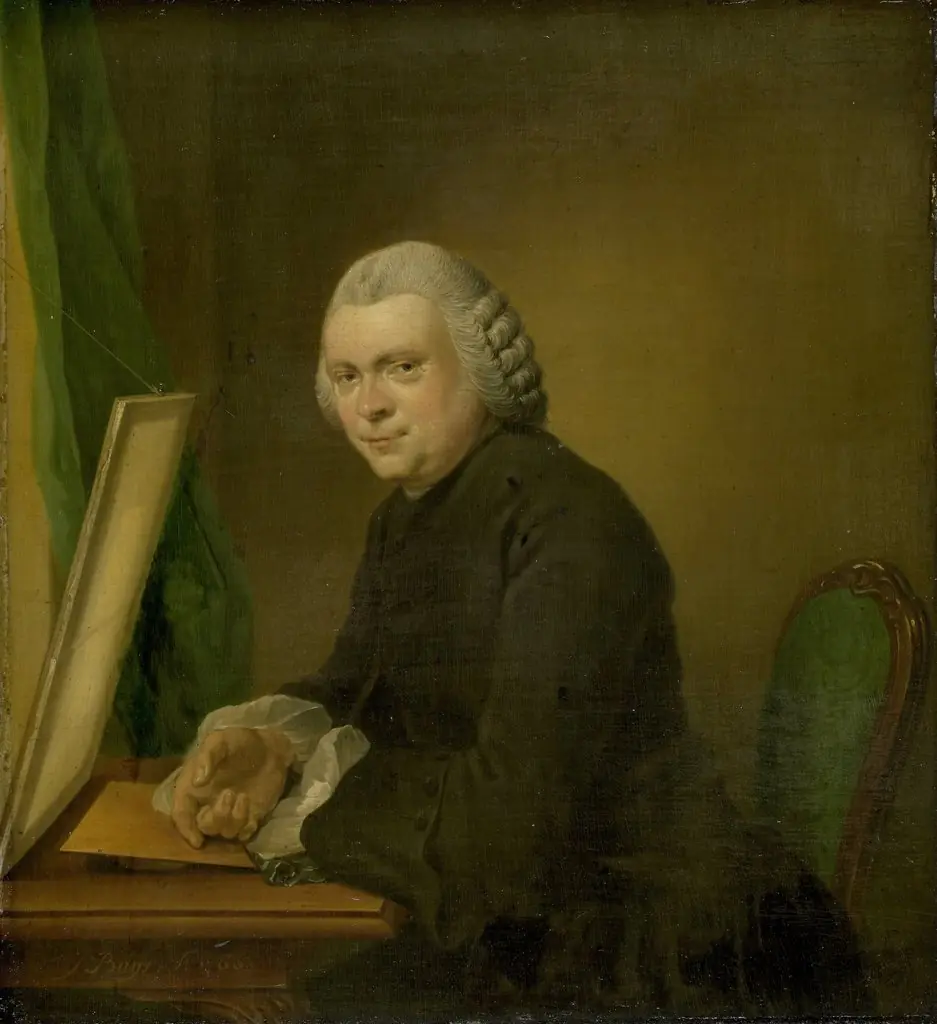 Portrait of Cornelis Ploos van Amstel
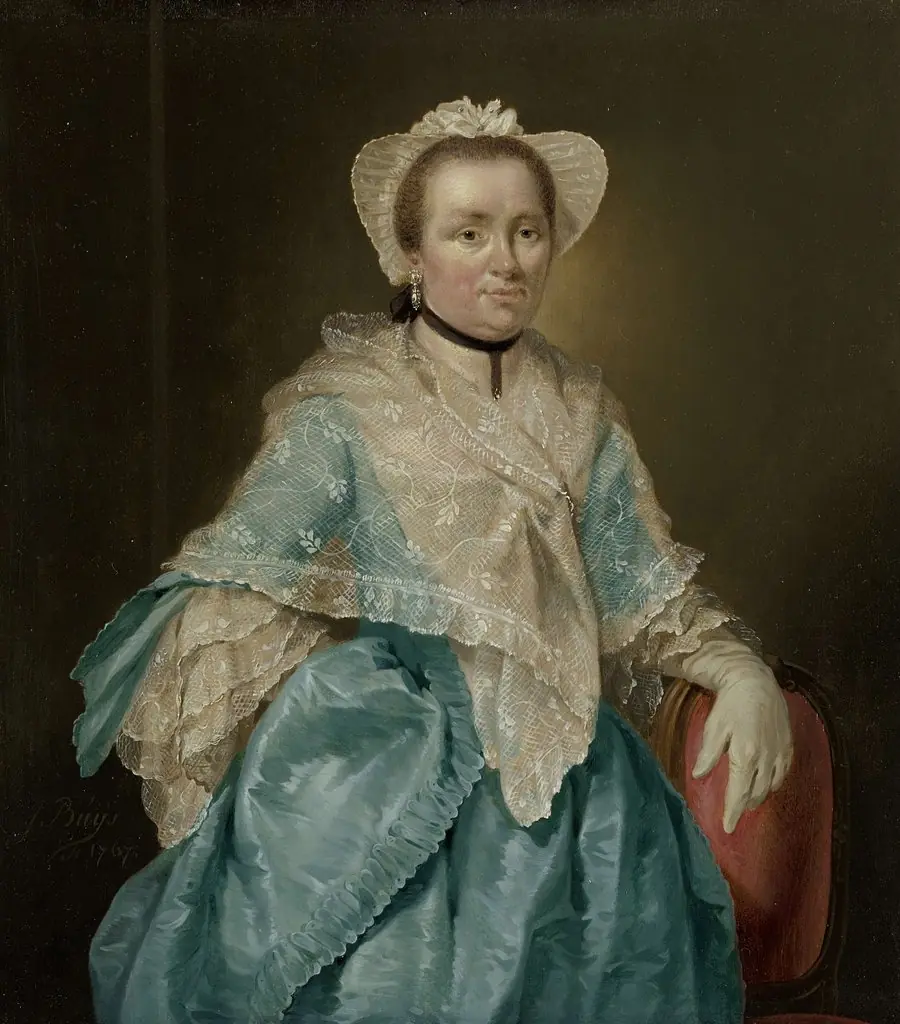 Portrait of Elisabeth Troost (1730-1790)
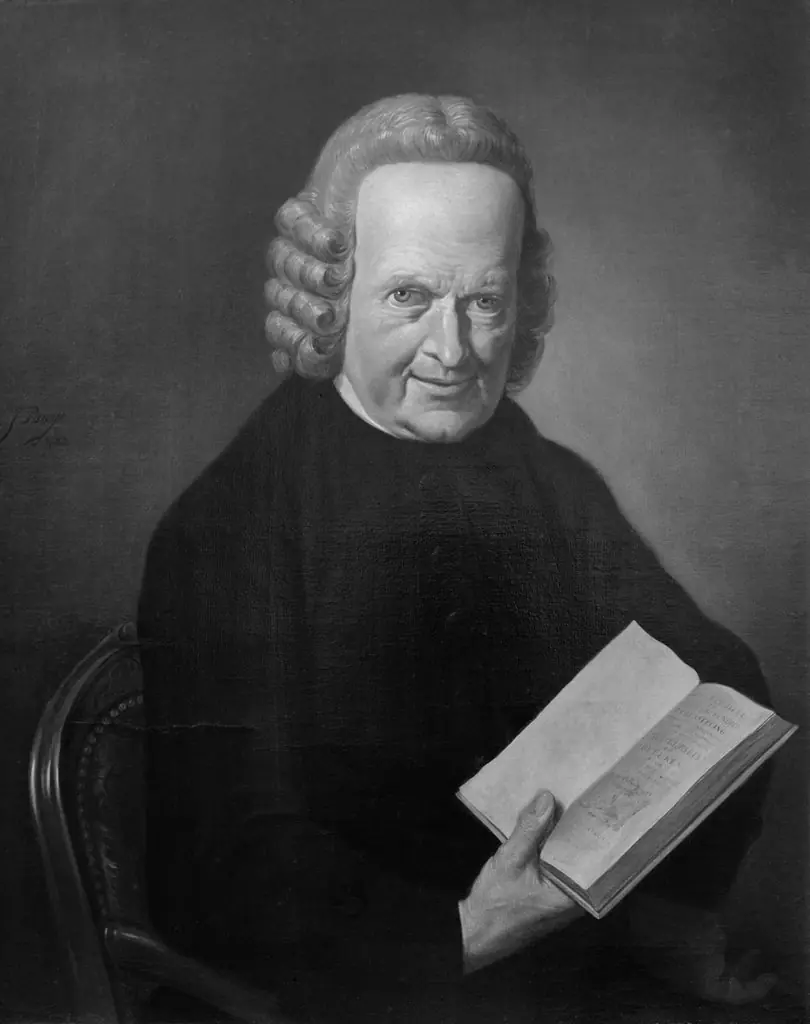 Johannes Monnikhoff (1707-1787)
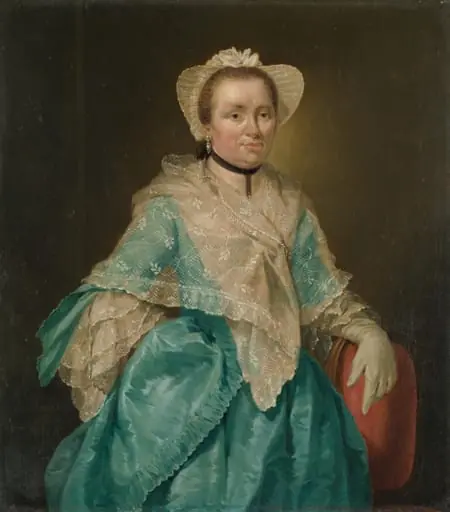 Portrait of Elisabeth Troost (1730-1790)
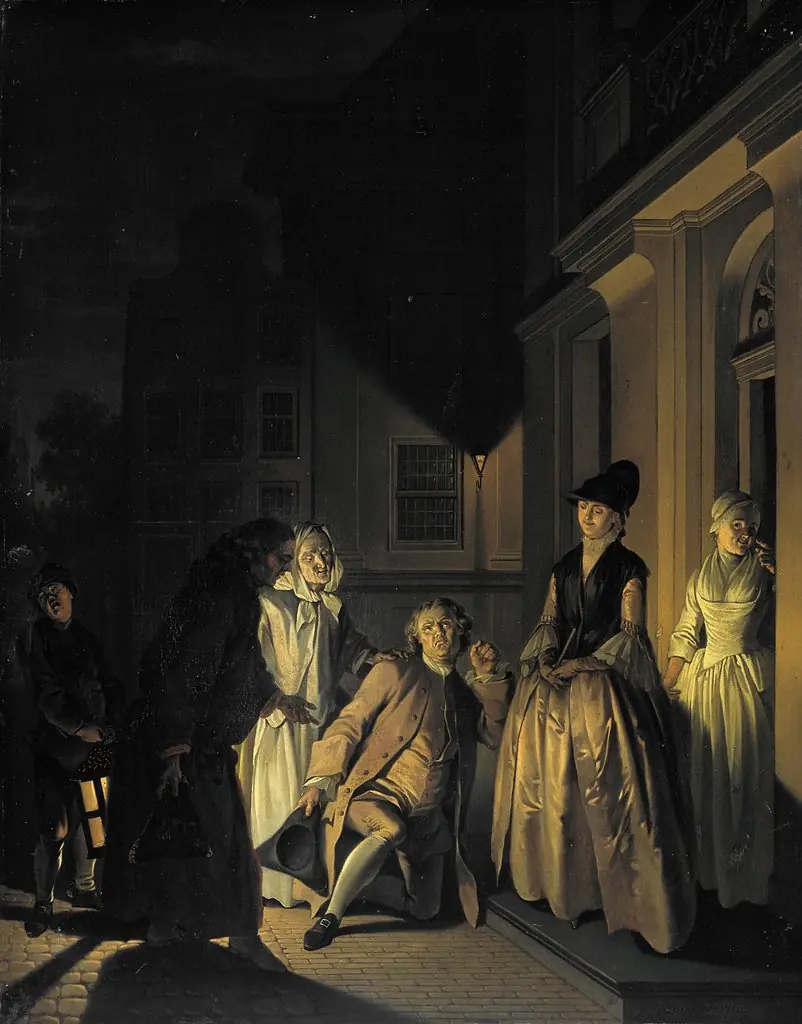 Scene from the Play 'Lubbert Lubbertse of de geadelde boer' by M. van Breda
 Portrait of Cornelis Ploos van Amstel
 Cavalier and Lady with a Page
 Pancake Woman