Artwork
Madonna and Child with Saint Louis of Toulouse
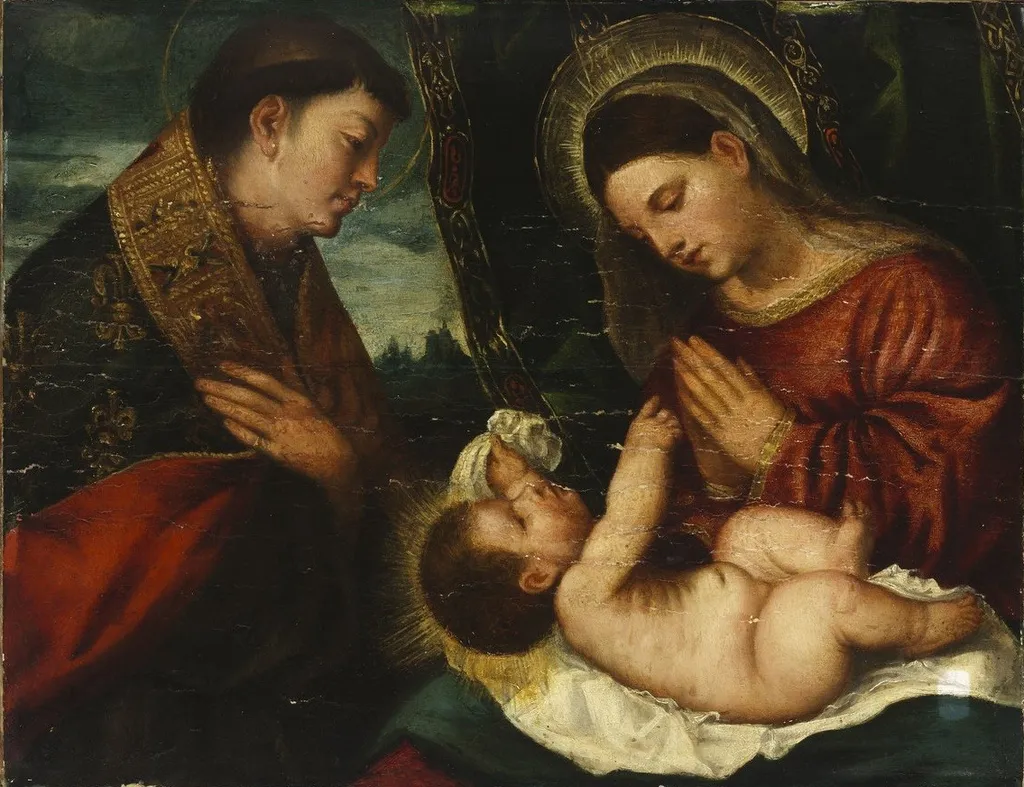
Madonna and Child with Saint Louis of Toulouse is an oil painting by the Mannerist artist Polidoro da Lanciano. It dates from 1550 and is held in the collection of the Museum of Fine Arts, Budapest.
About this work
Overview
The painting resides in the collection of the Museum of Fine Arts, Budapest, where it reflects the regional Mannerist tendencies of the artist’s time.
Painted around 1550 by Polidoro da Lanciano, this oil-on-panel work presents a devotional scene typical of mid-16th-century Italian religious art. The composition centers on the Virgin Mary and the Christ Child, joined by Saint Louis of Toulouse, arranged in a quiet, intimate grouping known as a sacra conversazione. The painting resides in the collection of the Museum of Fine Arts, Budapest, where it reflects the regional Mannerist tendencies of the artist’s time.
Subject & Meaning
The Virgin Mary, seated with the Christ Child on her lap, embodies maternal tenderness, while Saint Louis of Toulouse, a canonized royal Franciscan, stands in contemplative devotion beside them. His presence underscores themes of piety and renunciation, aligning the holy figures in a spiritual dialogue. The scene invites quiet reverence rather than dramatic spectacle, emphasizing inner devotion over theatrical display.
Technique & Style
Polidoro employs rich, saturated hues—particularly the Madonna’s crimson robe—to create visual focus against a subdued background. The gold detailing on Saint Louis’s habit adds subtle luminosity, enhancing the sacred atmosphere. Forms are slightly elongated, and spatial depth is suggested through layered figures and soft modeling, characteristic of Mannerist tendencies that prioritize elegance and emotional nuance over naturalism.
History & Provenance
The painting’s documented history traces to Polidoro da Lanciano’s active period in central Italy during the mid-1500s. It entered the Museum of Fine Arts, Budapest, through the institution’s broader acquisition of Italian Renaissance and Mannerist works in the 19th and early 20th centuries. Its preservation reflects its continued recognition as a representative example of regional religious painting from the period.
Context
Created during the Counter-Reformation, the painting aligns with Church efforts to reinforce devotional imagery that emphasized familial piety and saintly intercession. While larger urban centers favored more dramatic styles, smaller workshops like Polidoro’s maintained a quieter, more intimate approach, blending local traditions with broader Mannerist influences circulating in Italy at the time.
Legacy
Though Polidoro da Lanciano is not among the most widely studied Mannerists, this work exemplifies the quiet, refined devotional painting produced outside major artistic hubs. Its survival and display in Budapest offer insight into the regional diversity of Italian religious art, highlighting how smaller artists contributed to the spiritual visual culture of their era.
Artist & collection
Artist
Polidoro de Rienzo da Lanciano (Lanciano, 1515–1565) was an Italian painter. Relatively little is known of his life. He was born in Lanciano, a town that is a few miles inland from Ortona, a port on the Adriatic Sea.…

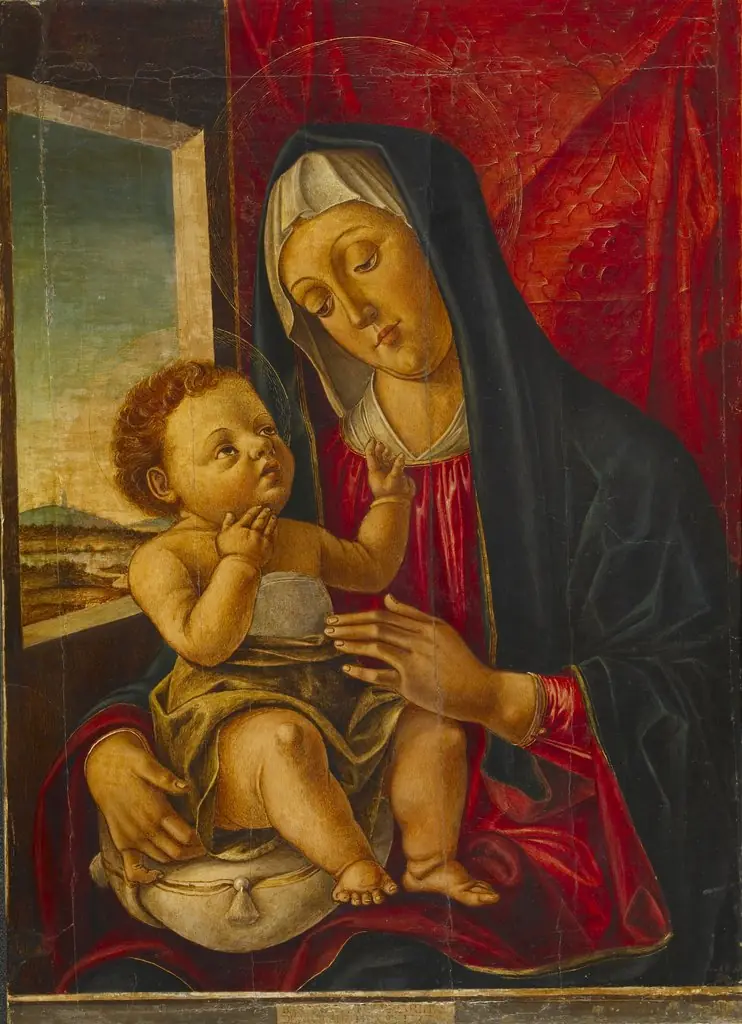 Madonna and Child
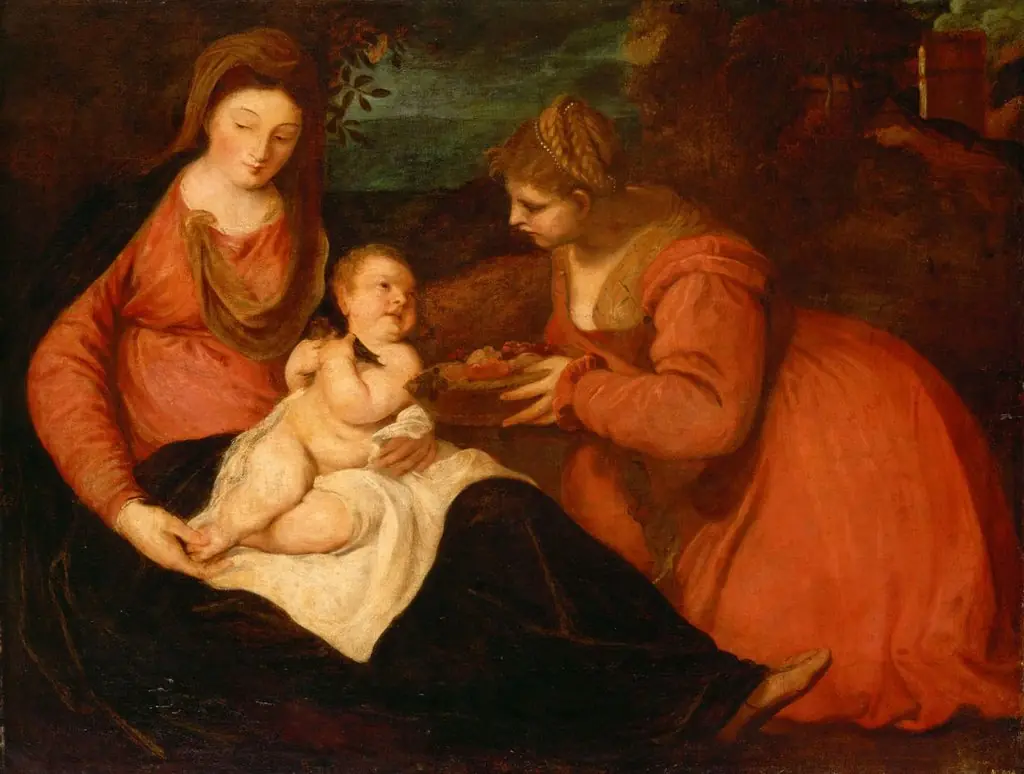 Madonna and Child with Saint Dorothy
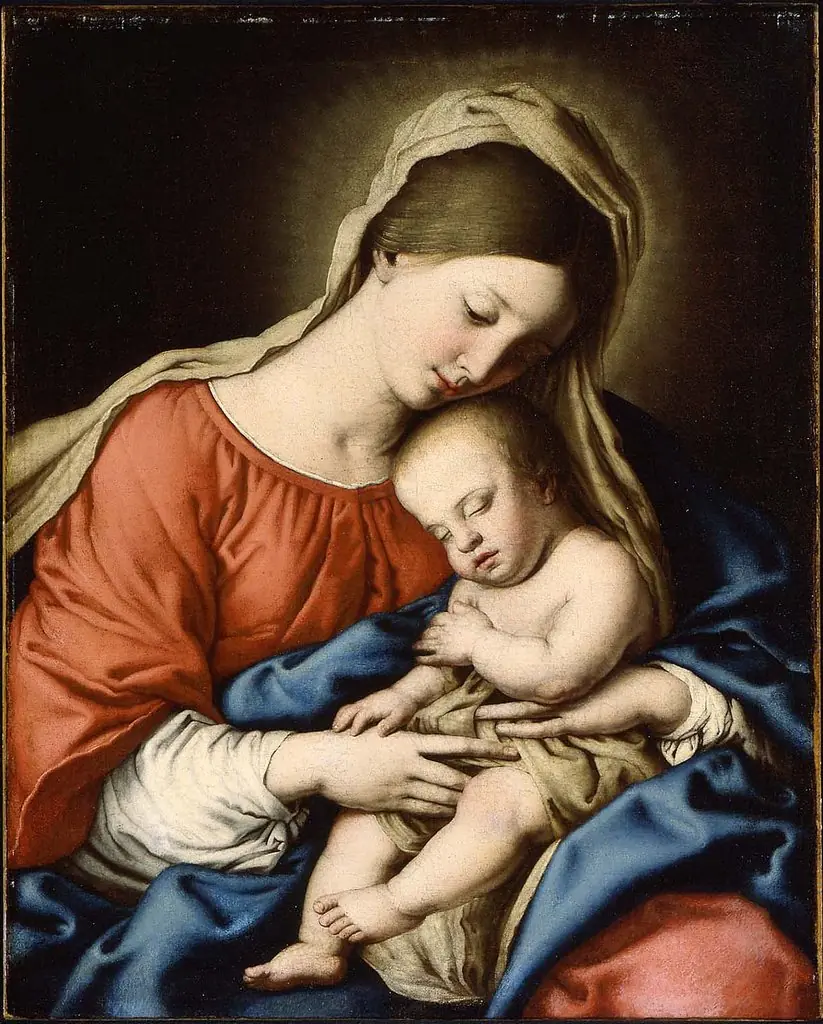 Virgin and Child
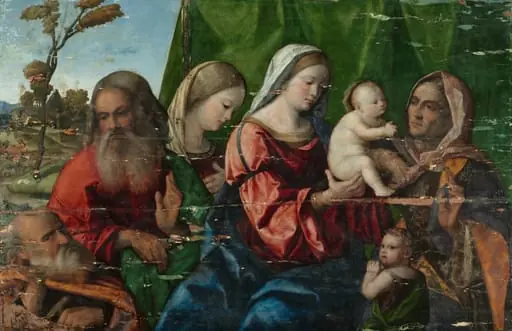 Virgin and Child with Saints
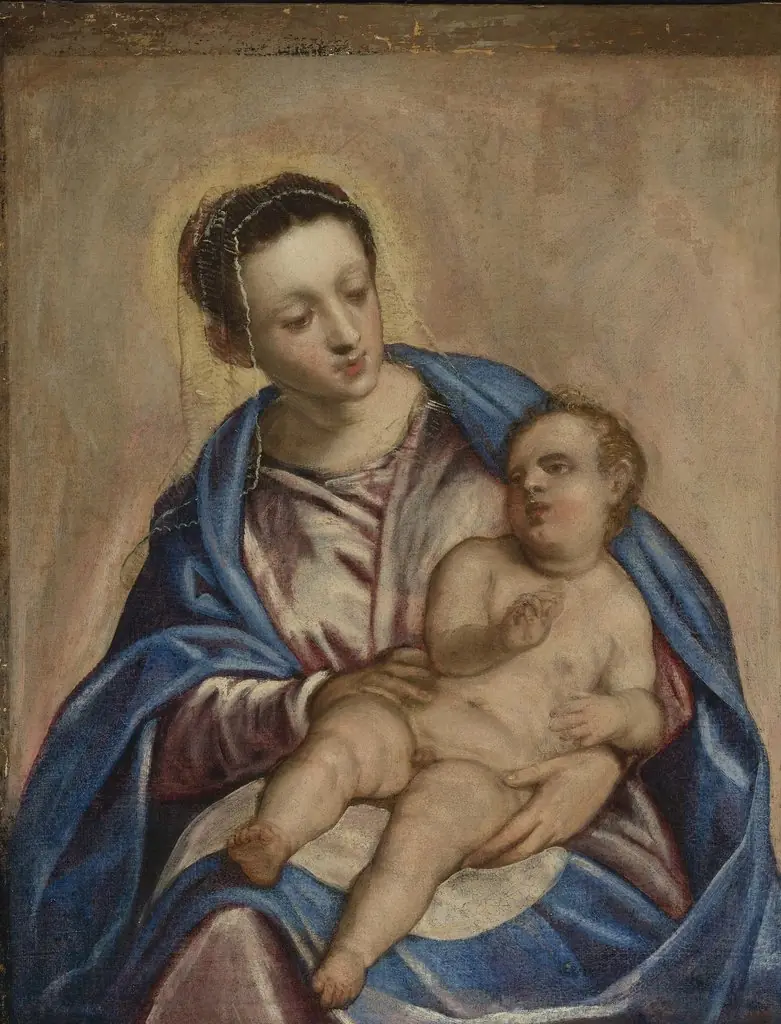 Madonna and Child
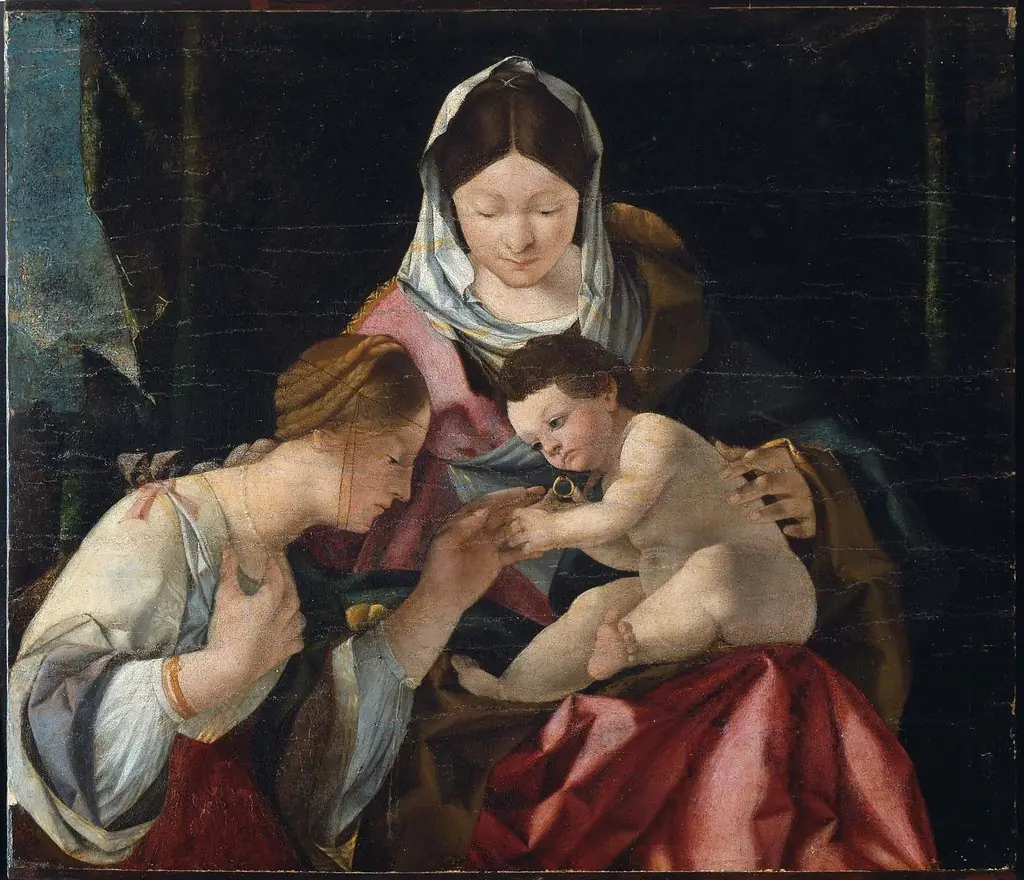 The Mystic Marriage of Saint Catherine
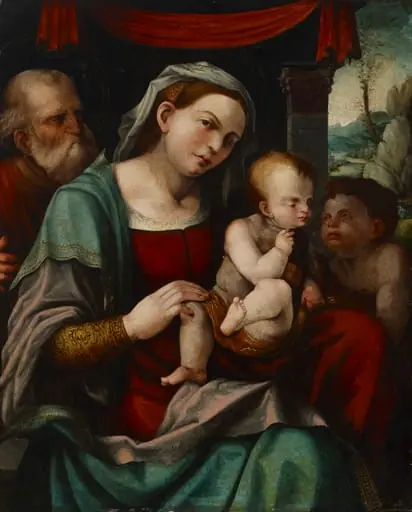 Pyhä perhe
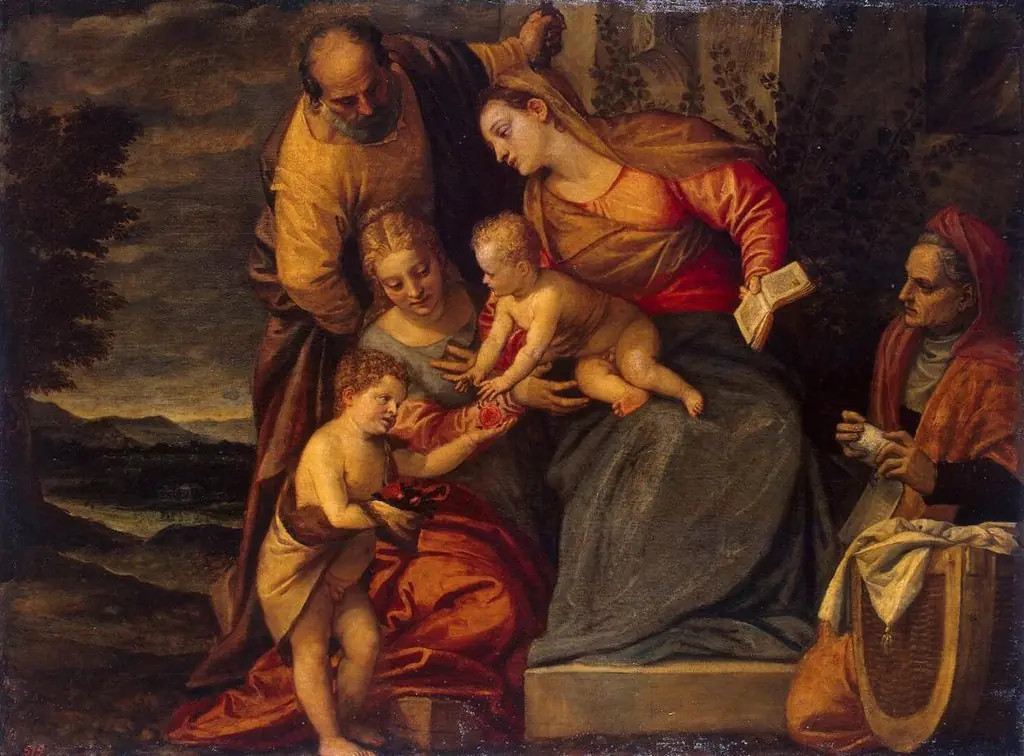 Holy Family with Sts Catherine, Anne and John
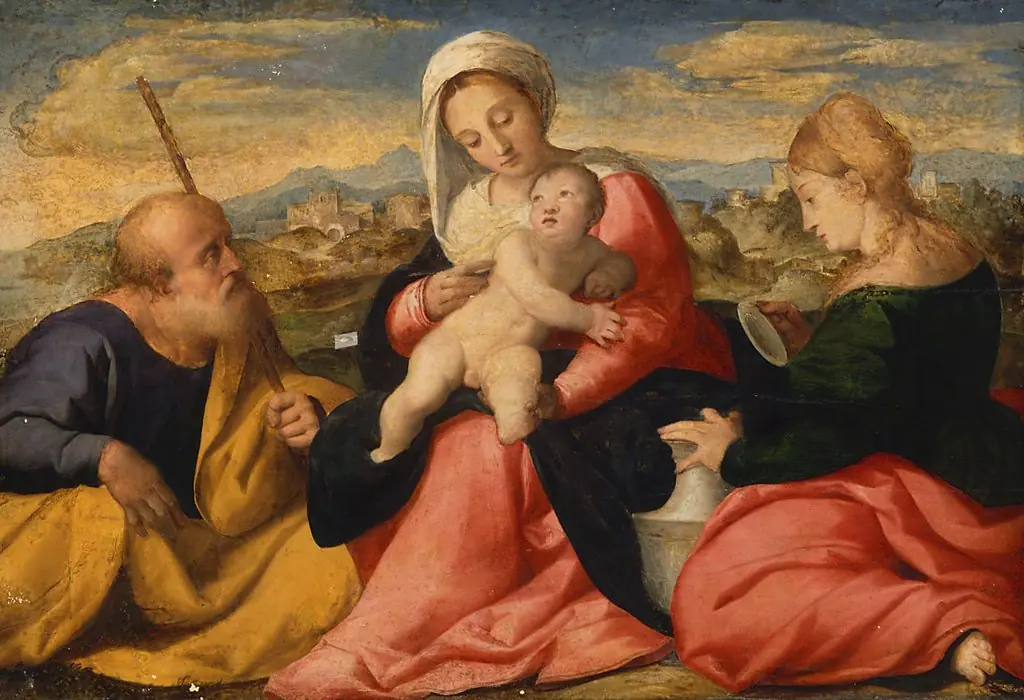 Madonna and Child with Sts Joseph and Magdalene
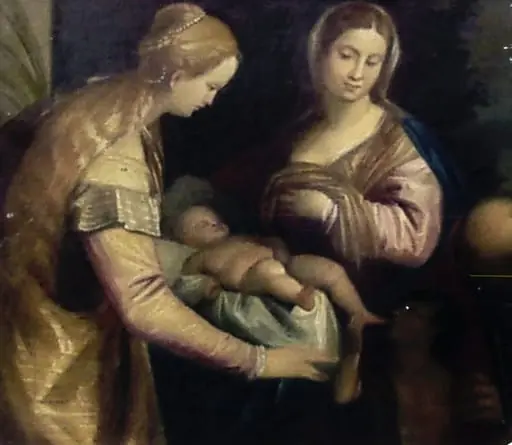 Sfânta familie
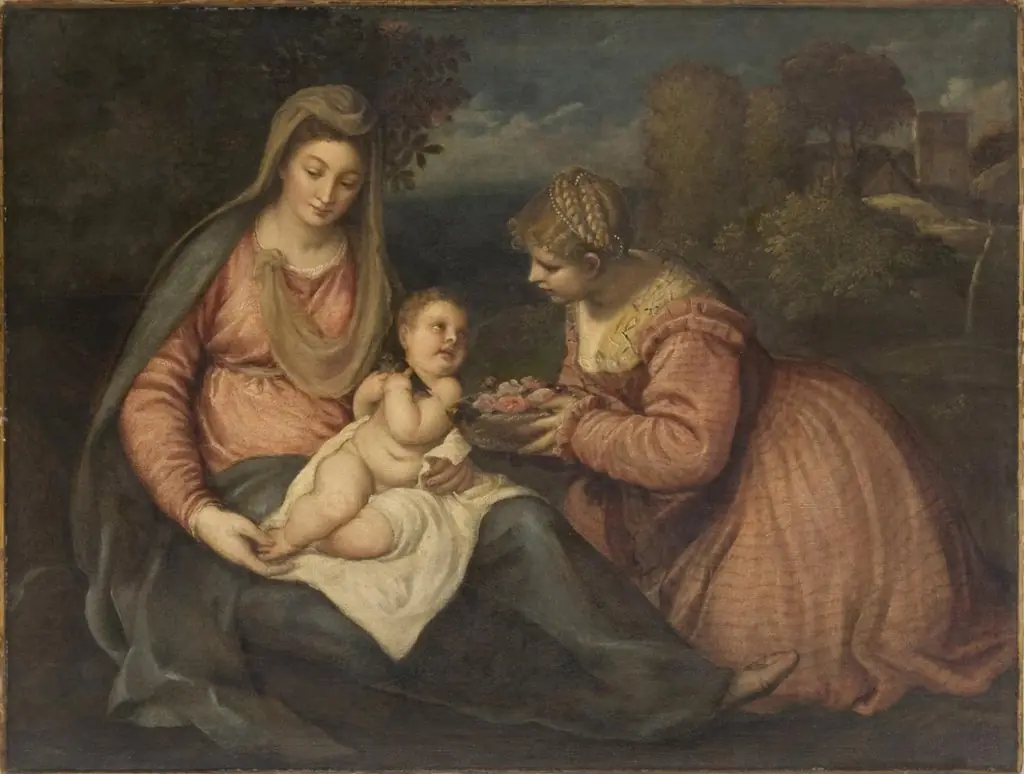 Virgin and Child, with Saint Dorothy
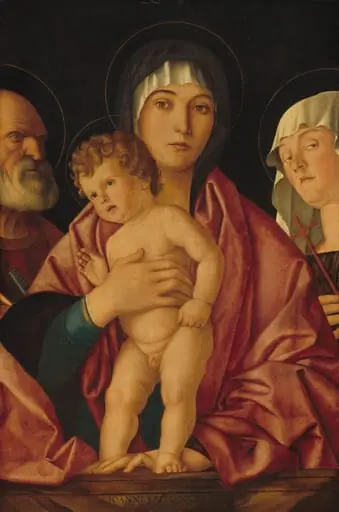 Madonna and Child with Saints