Artwork
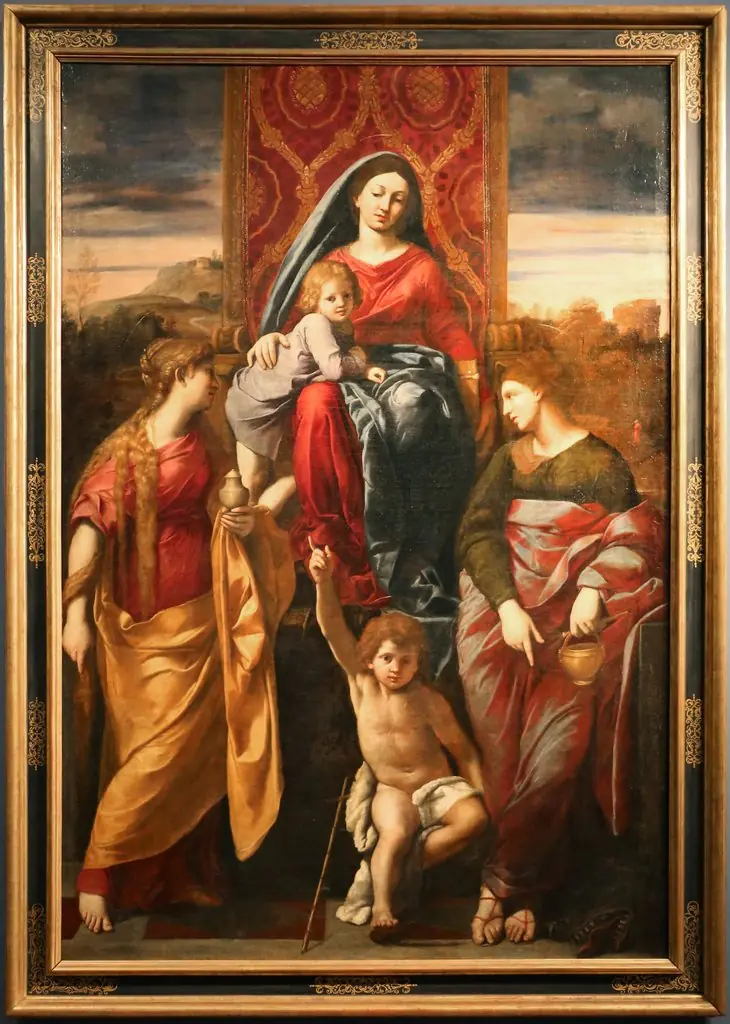
Virgin and Child with SS. Catharine, Mary Magdalene and Barbara
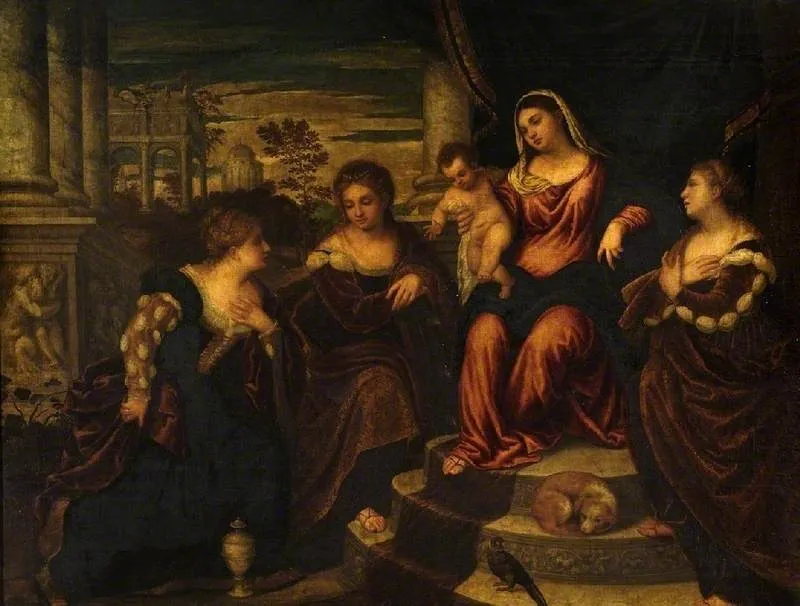
Virgin and Child with SS. Catharine, Mary Magdalene and Barbara is an oil painting by the Early Renaissance artist Polidoro da Lanciano. It is held in the collection of the Fitzwilliam Museum.
About this work
Overview
Polidoro da Lanciano, an Italian painter active in the early 16th century, produced this oil-on-panel devotional work during his time in Venice.
Polidoro da Lanciano, an Italian painter active in the early 16th century, produced this oil-on-panel devotional work during his time in Venice. Though biographical details are sparse, his relocation to Venice as a youth suggests exposure to the city’s vibrant artistic milieu. The painting, now in the Fitzwilliam Museum, exemplifies a quiet, intimate approach to sacred imagery, characteristic of regional Renaissance practices outside major centers like Florence or Rome.
Subject & Meaning
The composition centers on the Virgin Mary holding the Christ Child, flanked by three female saints: Catherine of Alexandria, Mary Magdalene, and Barbara. Each saint is identified by traditional attributes—Catherine with her wheel, Magdalene with her jar of ointment, Barbara with her tower. Their presence suggests a devotional context, possibly commissioned for private prayer, where the saints serve as intercessors between the viewer and the divine.
Technique & Style
Oil paint is applied with restrained precision, emphasizing soft transitions between light and shadow to model the figures. The dark, atmospheric background enhances the three-dimensionality of the saints and Virgin, while subtle landscape elements recede behind them. The robes are rendered with delicate folds and muted tones, avoiding theatricality in favor of calm, contemplative presence. Chiaroscuro is used subtly to unify the group and direct focus toward the central pair.
History & Provenance
The painting entered the Fitzwilliam Museum’s collection in the 19th century, though its earlier ownership remains undocumented. Its survival in relatively intact condition suggests it was carefully preserved, likely within a private or ecclesiastical setting. No records confirm its original commission or location, but its scale and subject imply it was intended for personal devotion rather than public display.
Context
Created during a period when Venetian artists were refining oil techniques, the work reflects regional influences distinct from central Italian traditions. While not aligned with the grandeur of Titian or Bellini, it shares their interest in tonal harmony and material richness. The inclusion of multiple saints points to devotional practices common among lay patrons seeking spiritual protection and intercession in daily life.
Legacy
Polidoro da Lanciano’s oeuvre remains limited in scope, with few authenticated works surviving. This painting stands as a representative example of modest, yet refined, religious art from a lesser-known regional painter. Its preservation in a major museum underscores its value as a witness to the diversity of Renaissance devotional imagery beyond the most celebrated masters.
Artist & collection
Artist
Polidoro de Rienzo da Lanciano (Lanciano, 1515–1565) was an Italian painter. Relatively little is known of his life. He was born in Lanciano, a town that is a few miles inland from Ortona, a port on the Adriatic Sea.…

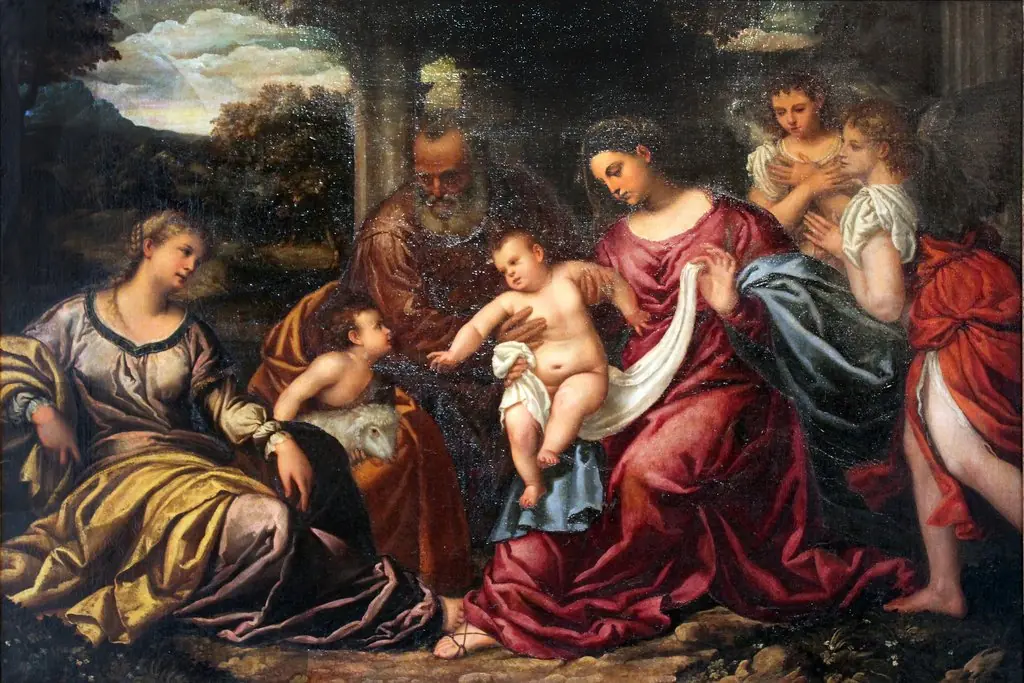
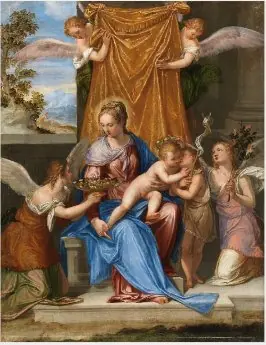 The Virgin and Child with Saint John the Baptist and Angels
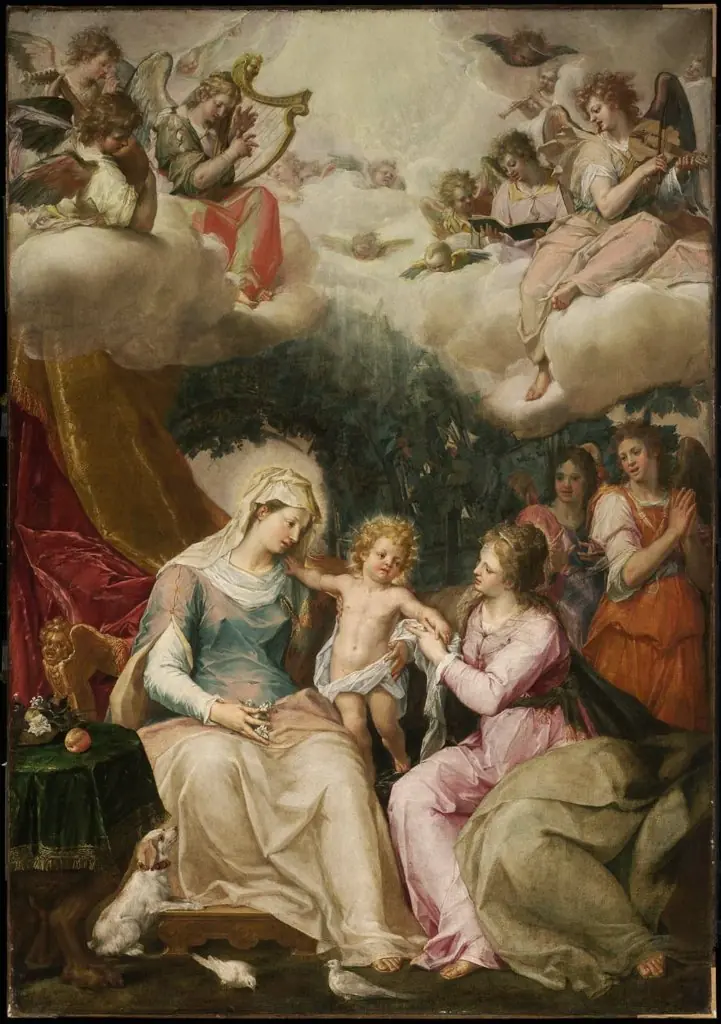 The Mystic Marriage of Saint Catherine
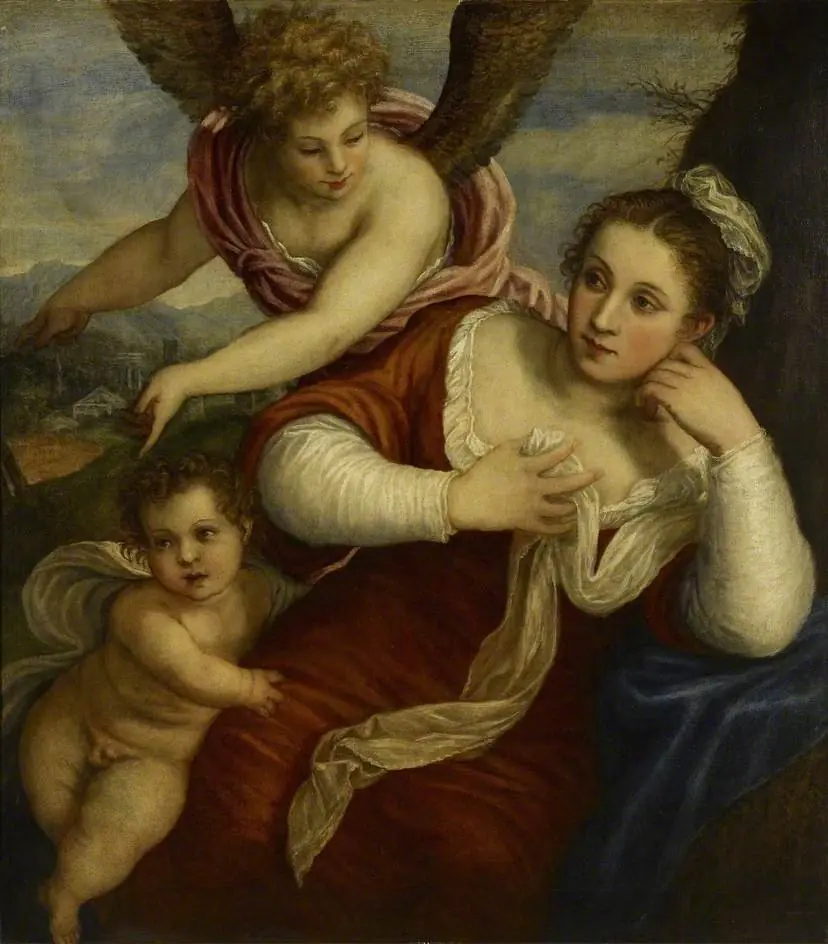 Hagar and Ishmael
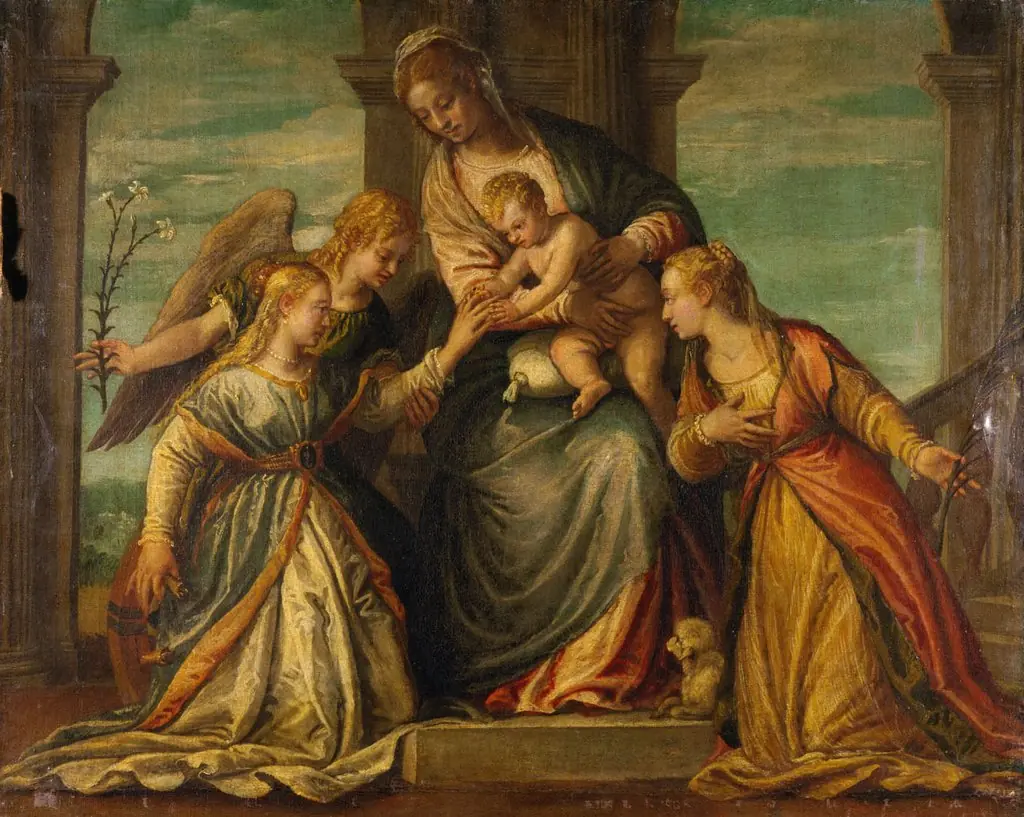 Mystic Marriage of St. Catherine
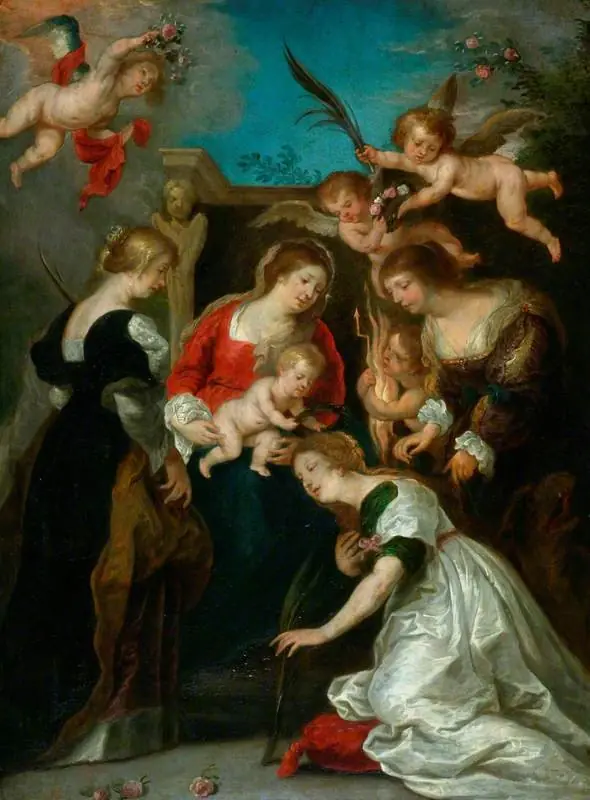 The Mystic Marriage of Saint Catherine
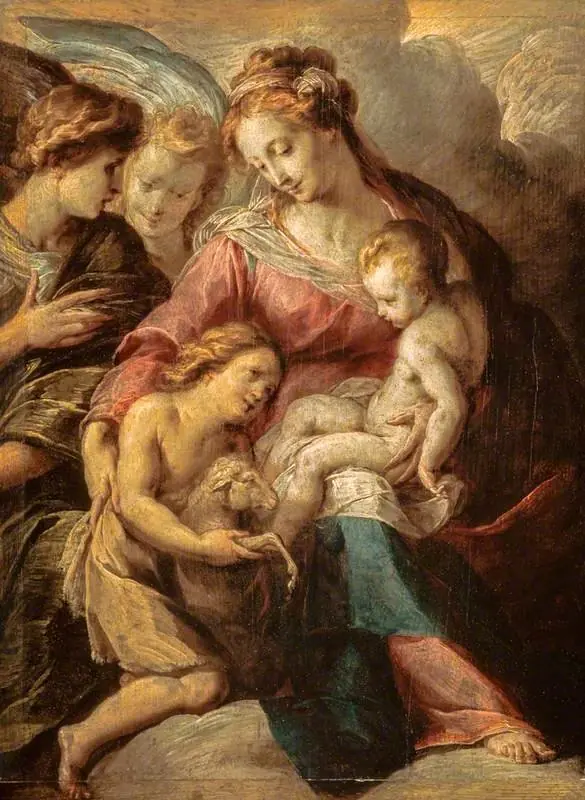 The Virgin and Child with the Infant Saint John and Attendant Angels
 The Judgement of Solomon
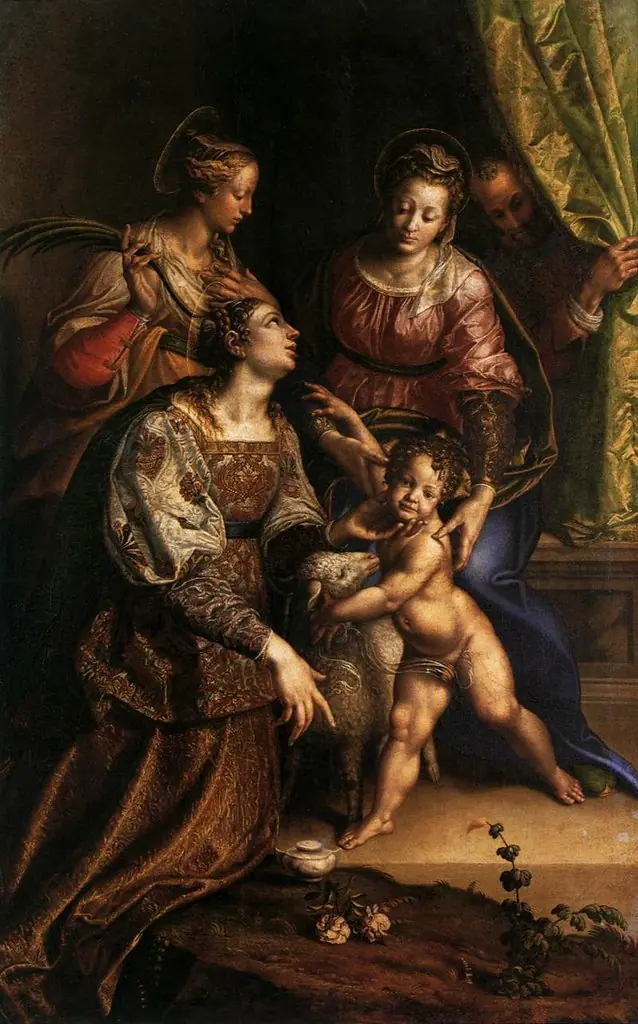 Virgin and Child
 Thronende Maria mit dem Kind und den Heiligen Martha, Magdalena und Johannes dem Täufer