Artwork
Peace and War
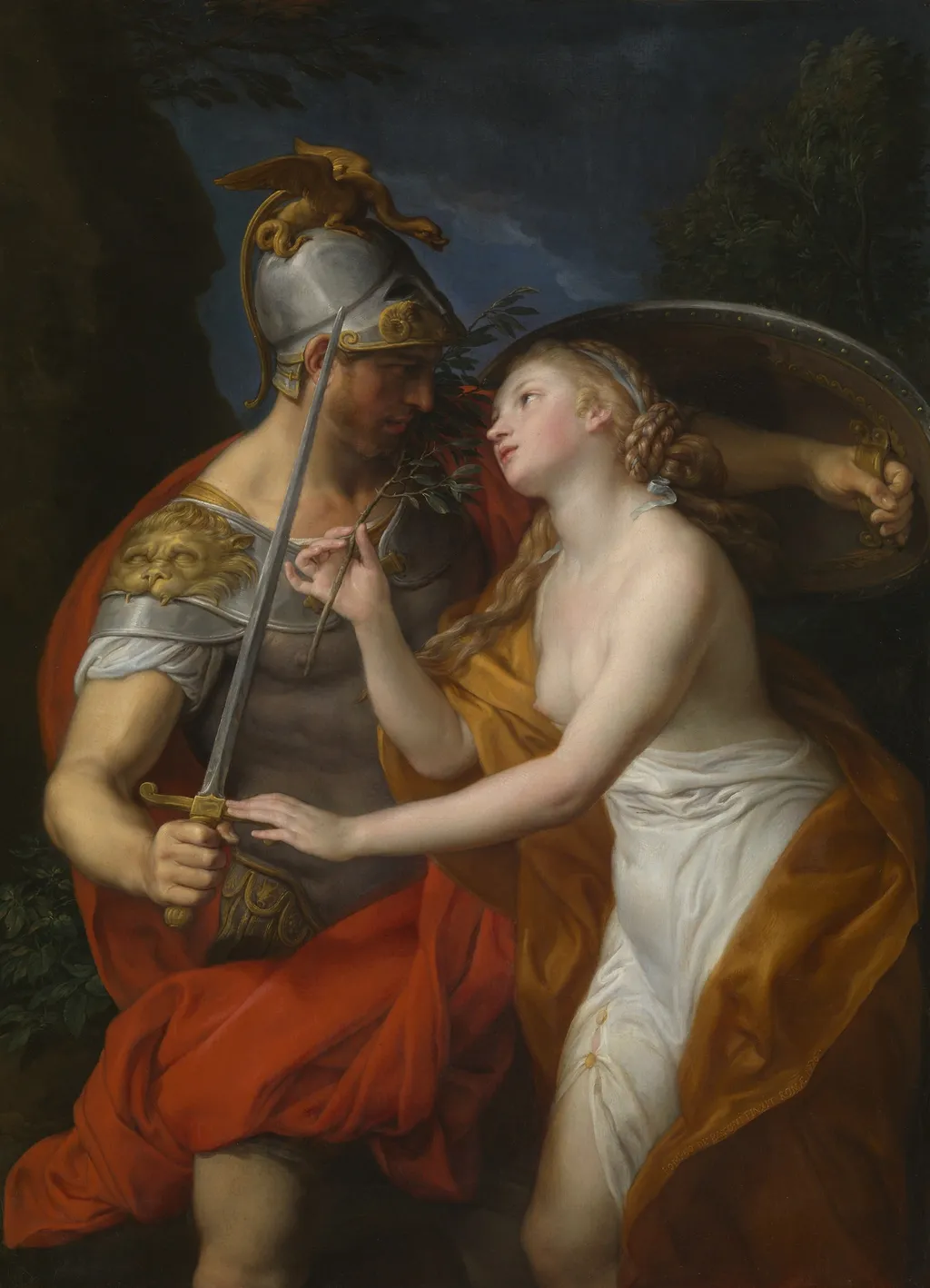
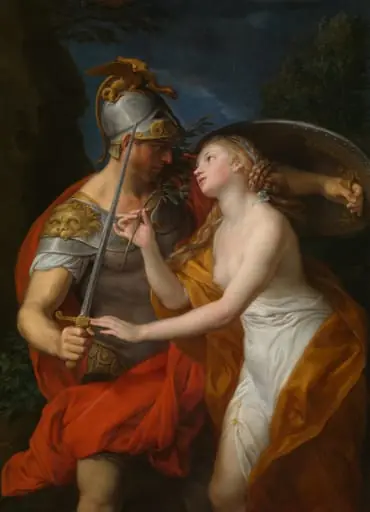
Peace and War is an oil painting by the Rococo painting artist Pompeo Batoni. It is held in the collection of the Art Institute of Chicago.
About this work
Overview
Painted in 1788 by Italian artist Pompeo Batoni, *Peace and War* is an allegorical oil painting that merges classical imagery with political symbolism.
Painted in 1788 by Italian artist Pompeo Batoni, *Peace and War* is an allegorical oil painting that merges classical imagery with political symbolism. Created during the later phase of Batoni’s career, it reflects his engagement with Enlightenment ideals through mythological personification. The work was produced for a European patronage circle familiar with classical education, particularly among British travelers on the Grand Tour who sought culturally resonant art to display at home.
Subject & Meaning
The painting depicts two allegorical figures: a armored male figure representing War, clad in red and silver, holding a sword and an olive branch; and a female figure symbolizing Peace, dressed in white, reaching toward the branch while concealing a shield. Their interaction suggests a fragile truce—War holds the means of both destruction and reconciliation, while Peace offers calm but remains guarded. The composition implies a moment of negotiation between opposing forces, not resolution.
Technique & Style
Batoni employs a refined, polished technique characteristic of late 18th-century academic painting. Figures are rendered with precise anatomical detail and smooth transitions of light, drawing from classical sculpture. The dark, atmospheric background isolates the figures, heightening their symbolic presence. Though rooted in Baroque composition, the palette and soft modeling reflect Rococo sensibilities, softened by Neoclassical restraint in gesture and form.
History & Provenance
Commissioned in 1788, the painting entered the collection of the Art Institute of Chicago in the 20th century. Its earlier ownership is not fully documented, but its iconography aligns with works Batoni produced for British aristocrats during the Grand Tour. These patrons often commissioned allegories to express ideals of civilization and order, making this painting part of a broader trend of classical-themed art in private collections across Northern Europe.
Context
Created during the final years of the Ancien Régime and amid the upheavals of the French Revolution, *Peace and War* responds to anxieties about political instability. Batoni’s use of classical allegory offered a familiar language to articulate contemporary concerns without direct reference to current events. The painting reflects a broader European intellectual current that turned to antiquity to model moral and civic virtues amid social change.
Legacy
Though less celebrated than Batoni’s portraits, *Peace and War* exemplifies his ability to synthesize narrative, symbolism, and classical form. It remains a key example of how 18th-century artists used myth to engage with political themes. The painting continues to be studied for its nuanced portrayal of duality and its role in the transmission of Neoclassical ideals beyond Italy into Northern European collections.
Own this work as a print
Artist & collection
Artist
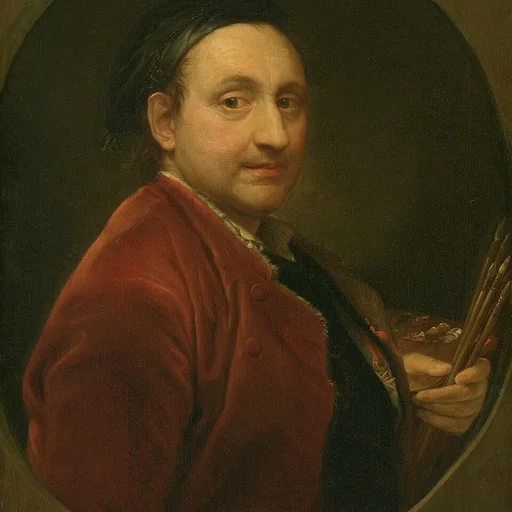
Pompeo Girolamo Batoni (25 January 1708 – 4 February 1787) was an Italian painter who displayed a solid technical knowledge in his portrait work and in his numerous allegorical and mythological pictures.

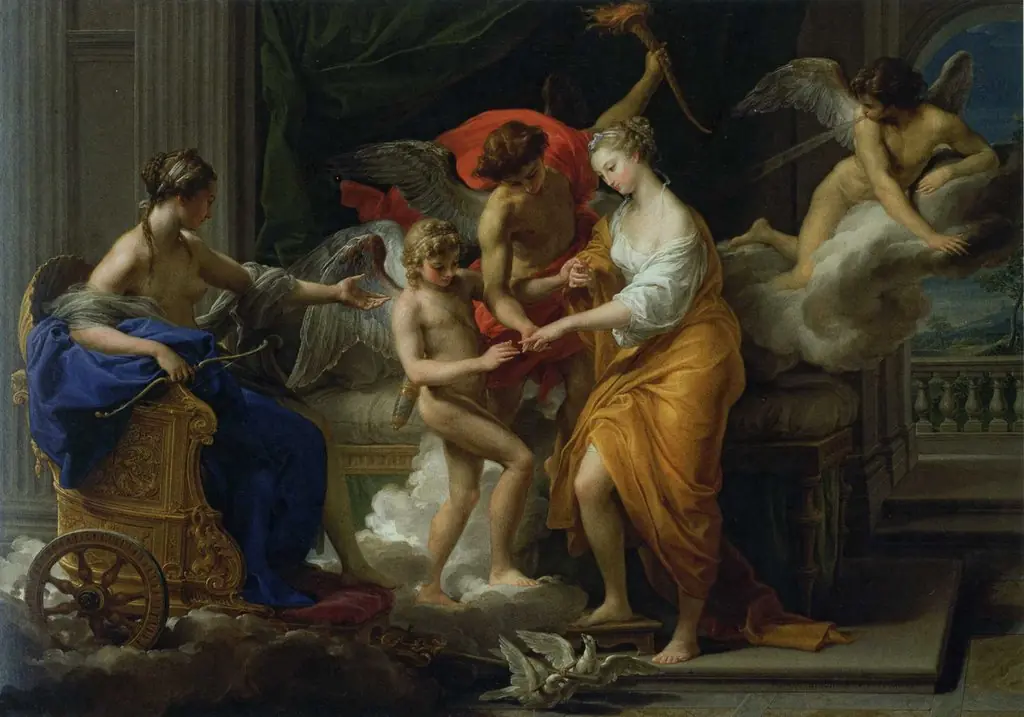
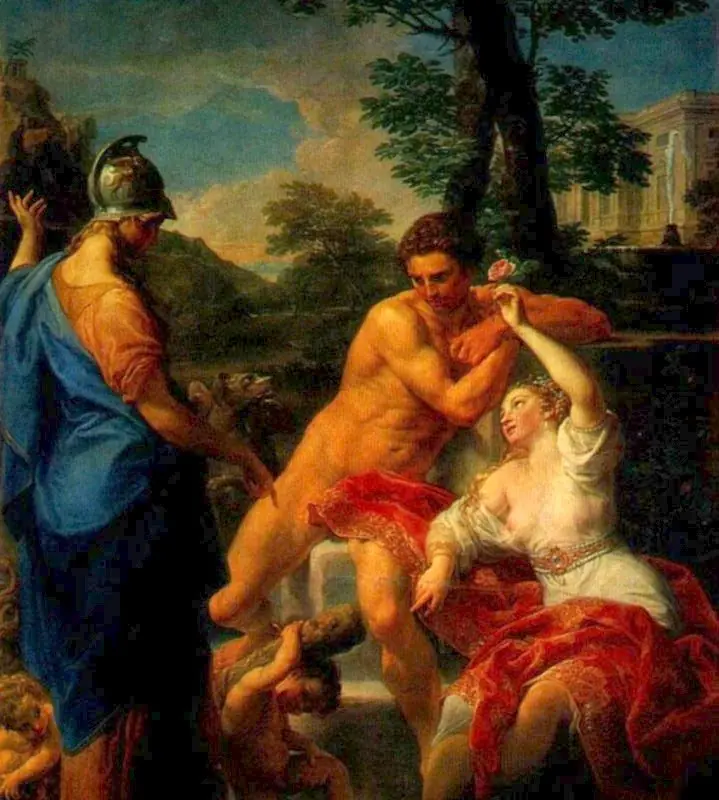
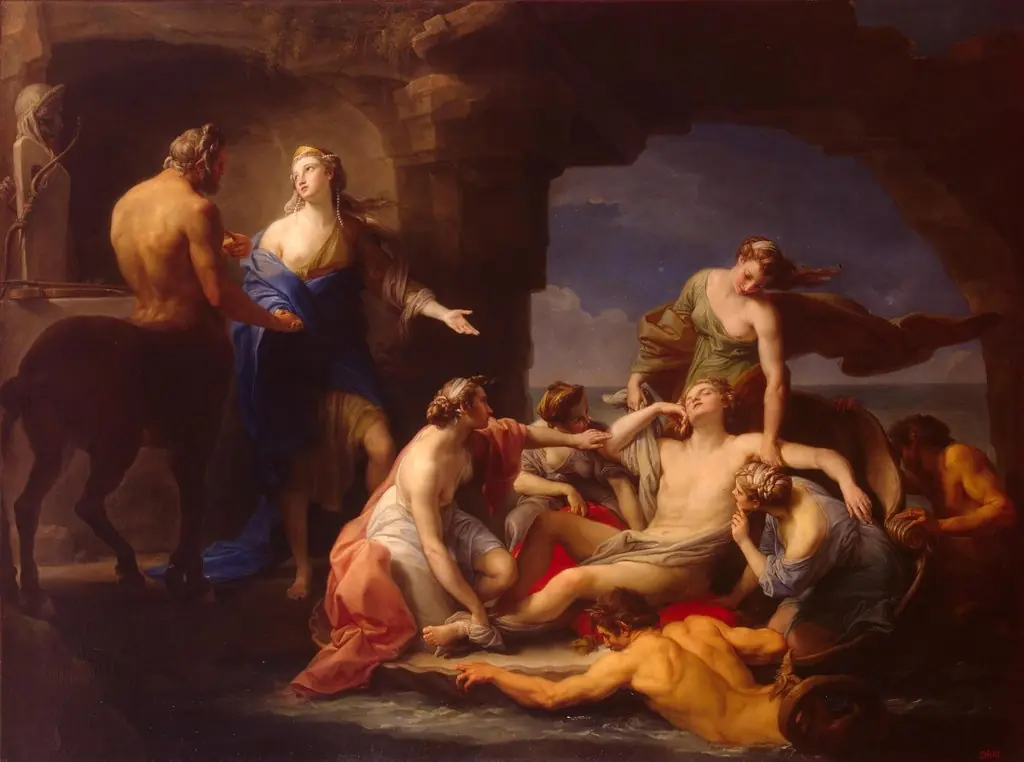
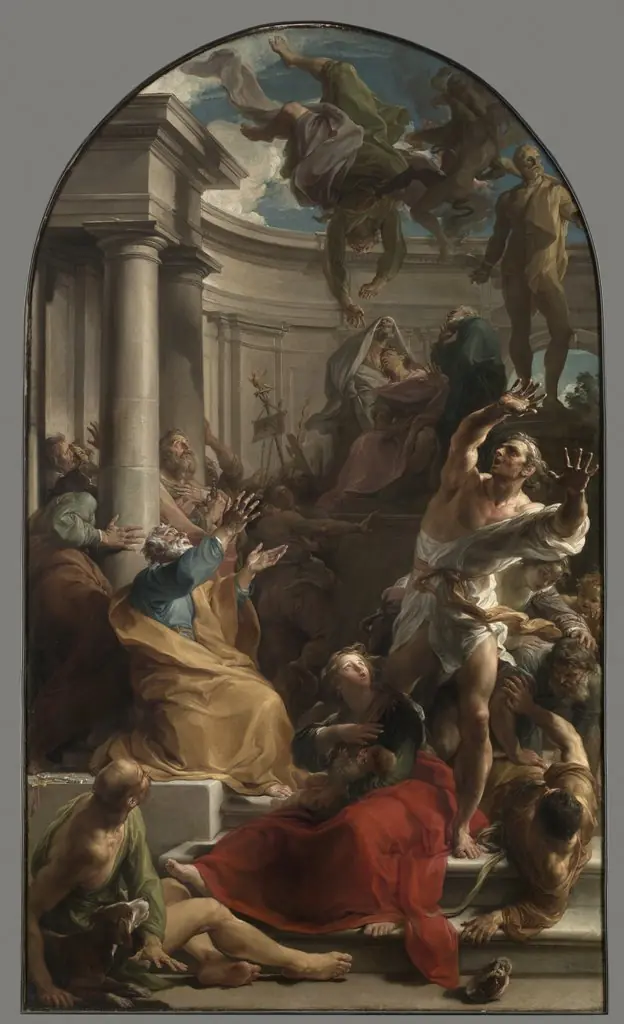
 Allegory of Peace and War
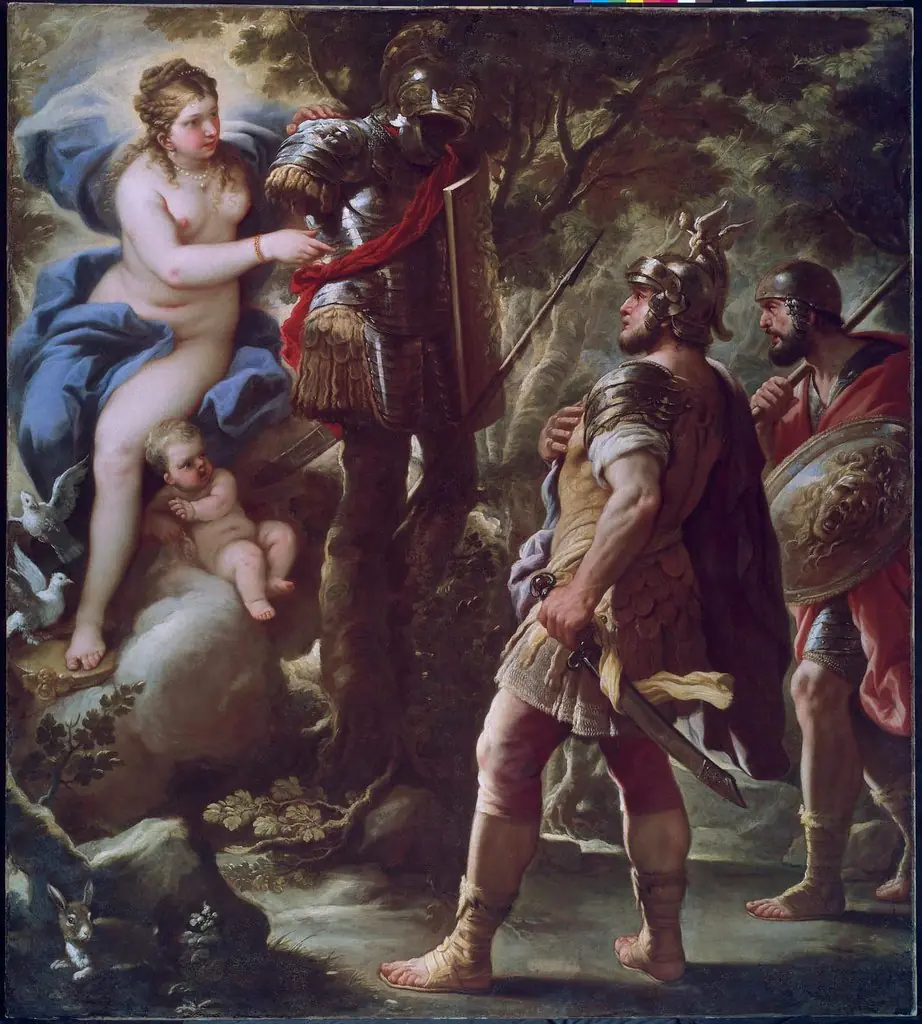 Venus Giving Arms to Aeneas
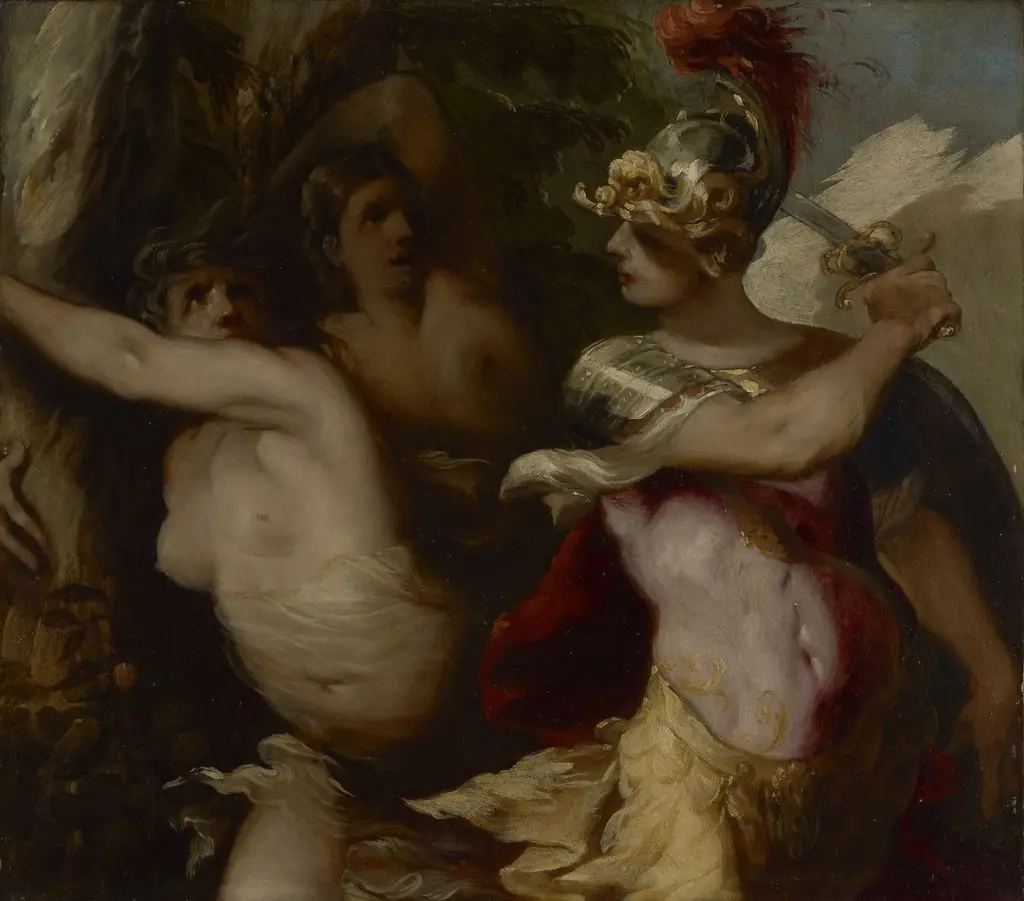 Rinaldo's Conquest of the Enchanted Forest
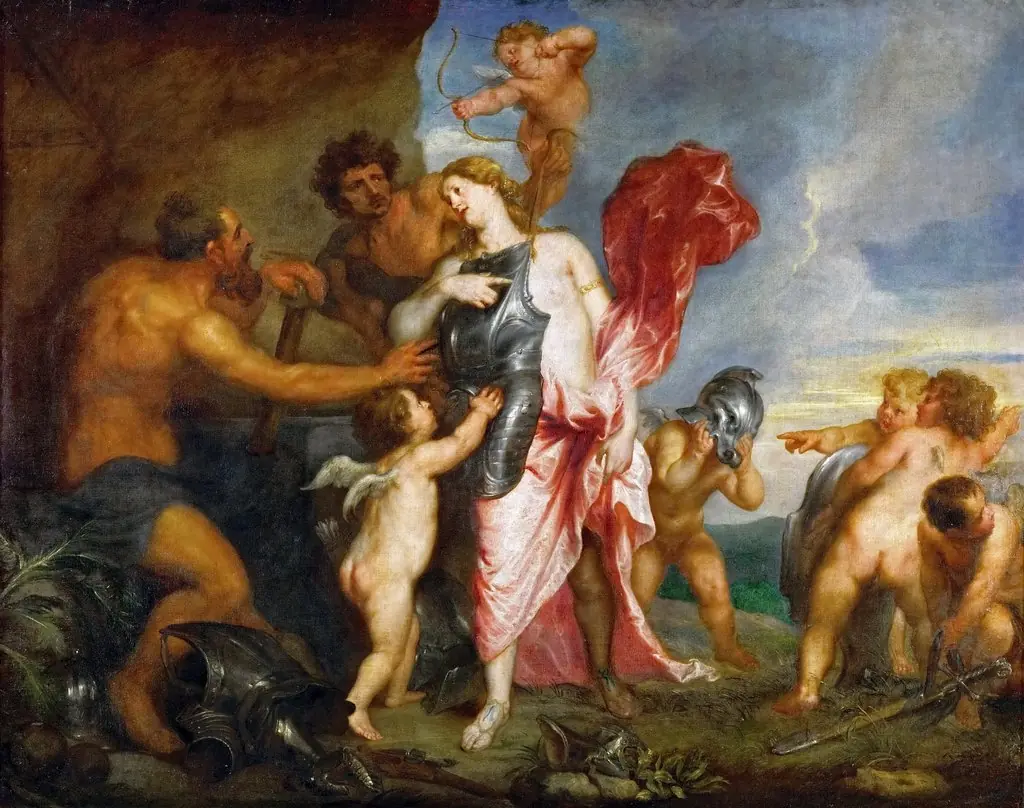 Thetis Receiving the Weapons of Achilles from Hephaestus
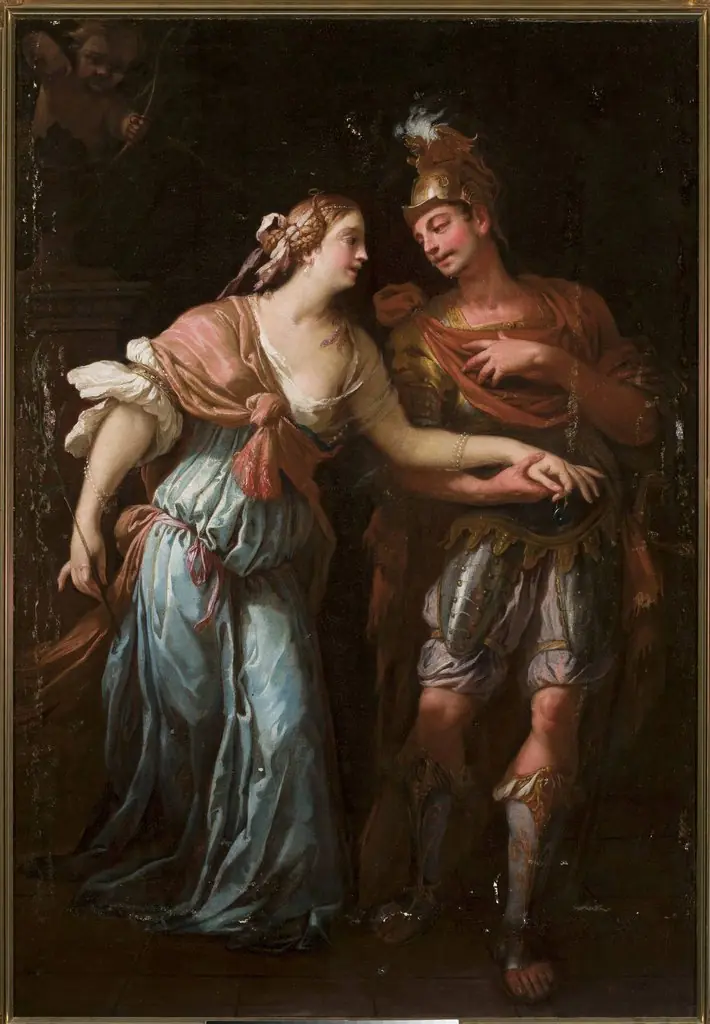 Venus and Mars
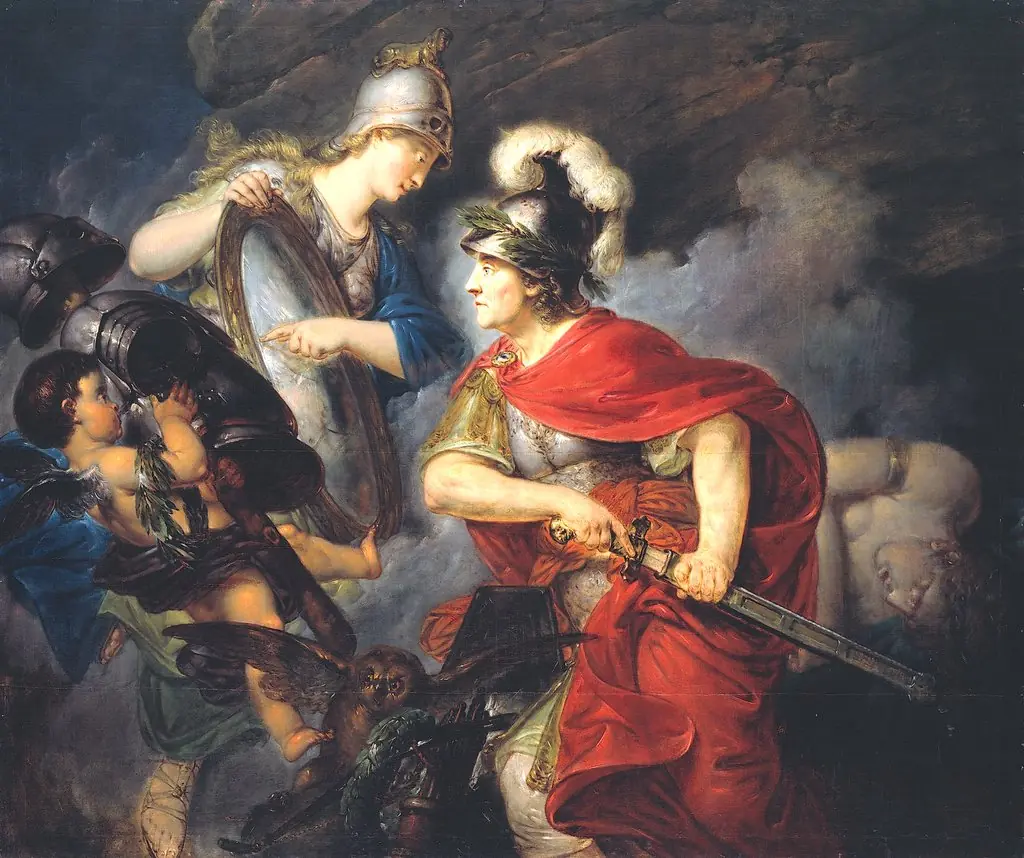 Allegory of Frederick the Great as Perseus
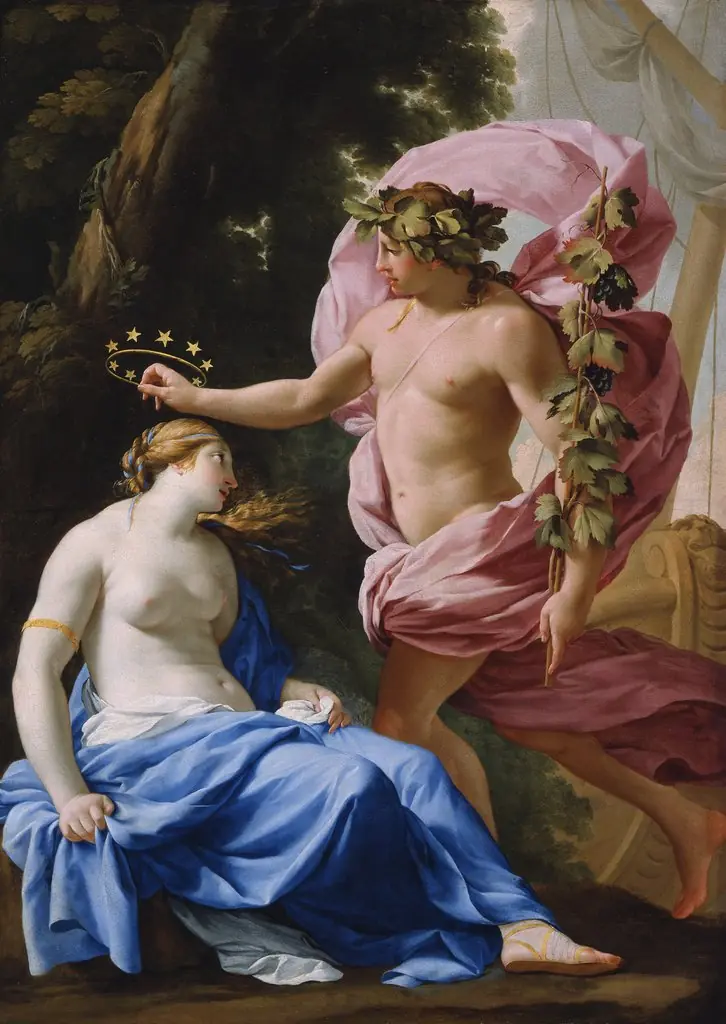 Bacchus and Ariadne
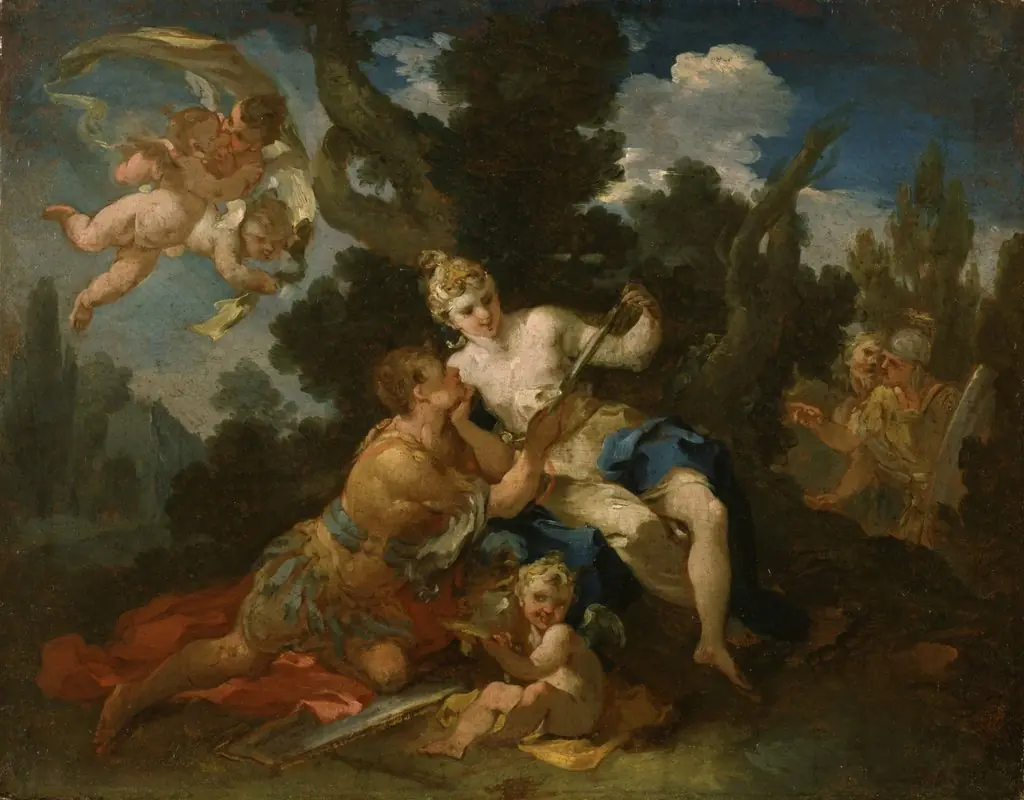 Rinaldo and Armida
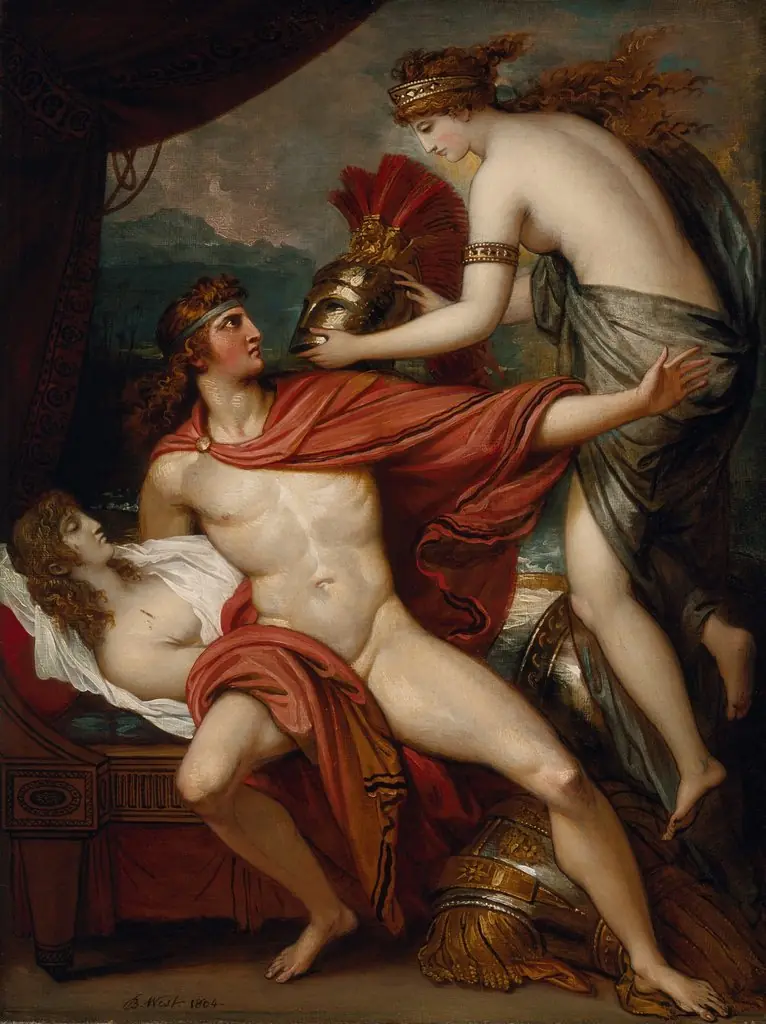 Thetis Bringing the Armor to Achilles
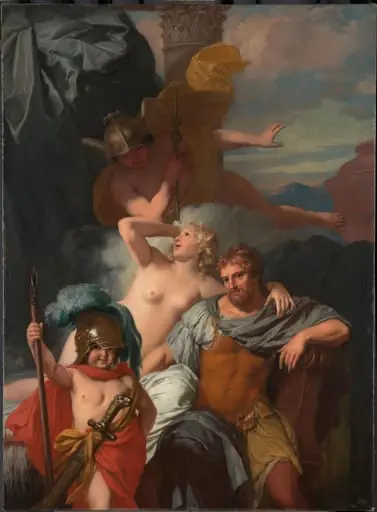 Mercurius gelast Calypso om Odysseus te laten vertrekken
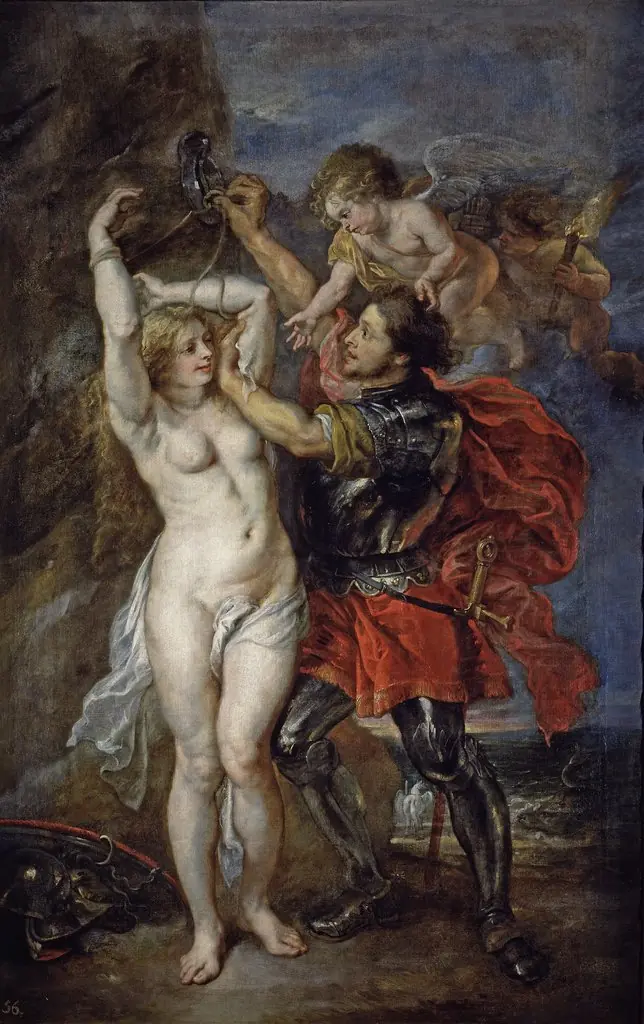 Perseus Freeing Andromeda
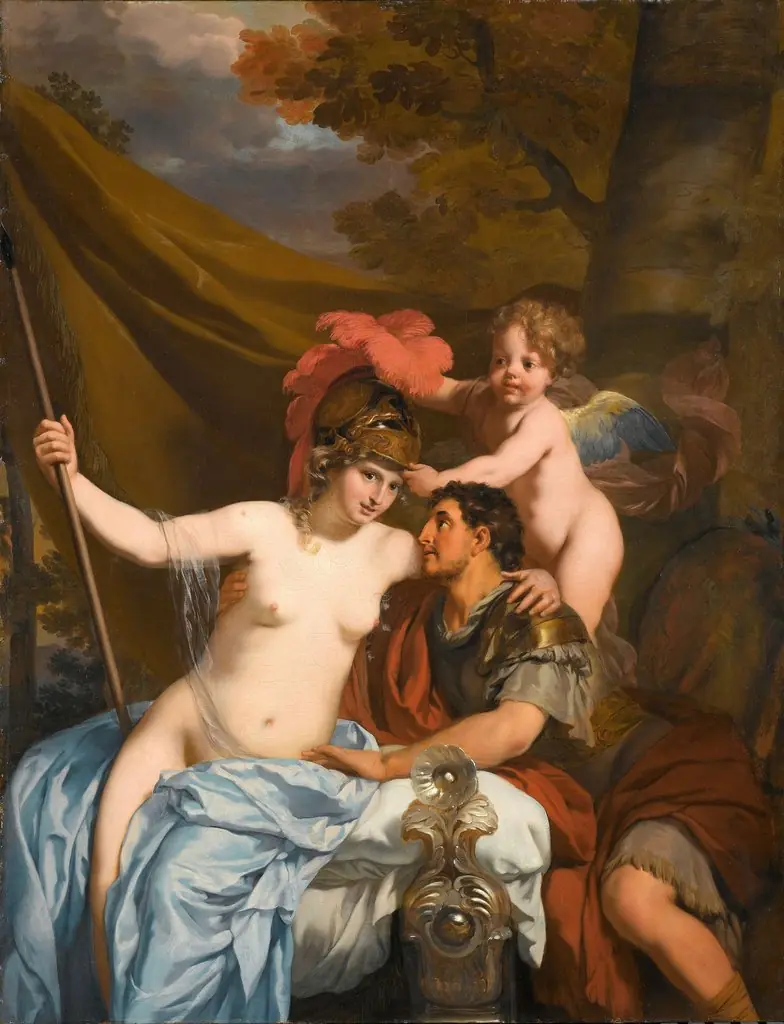 Odysseus and Calypso