Artwork
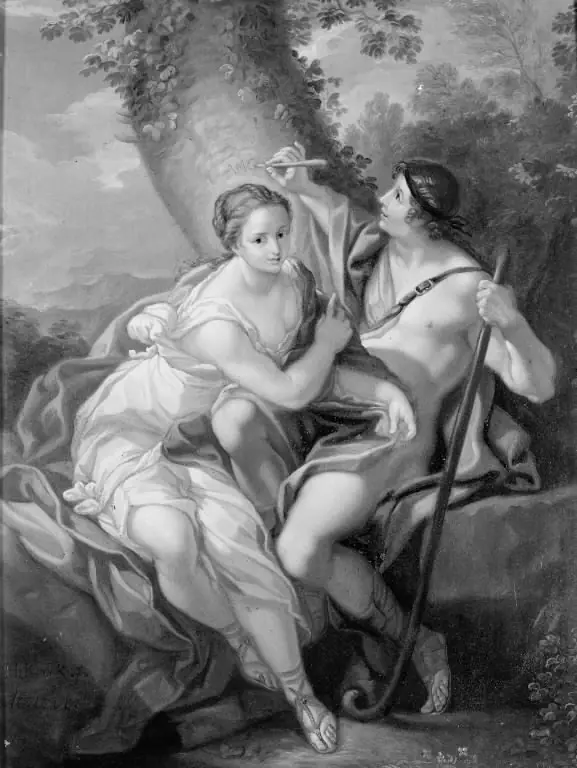
Venus and Mars
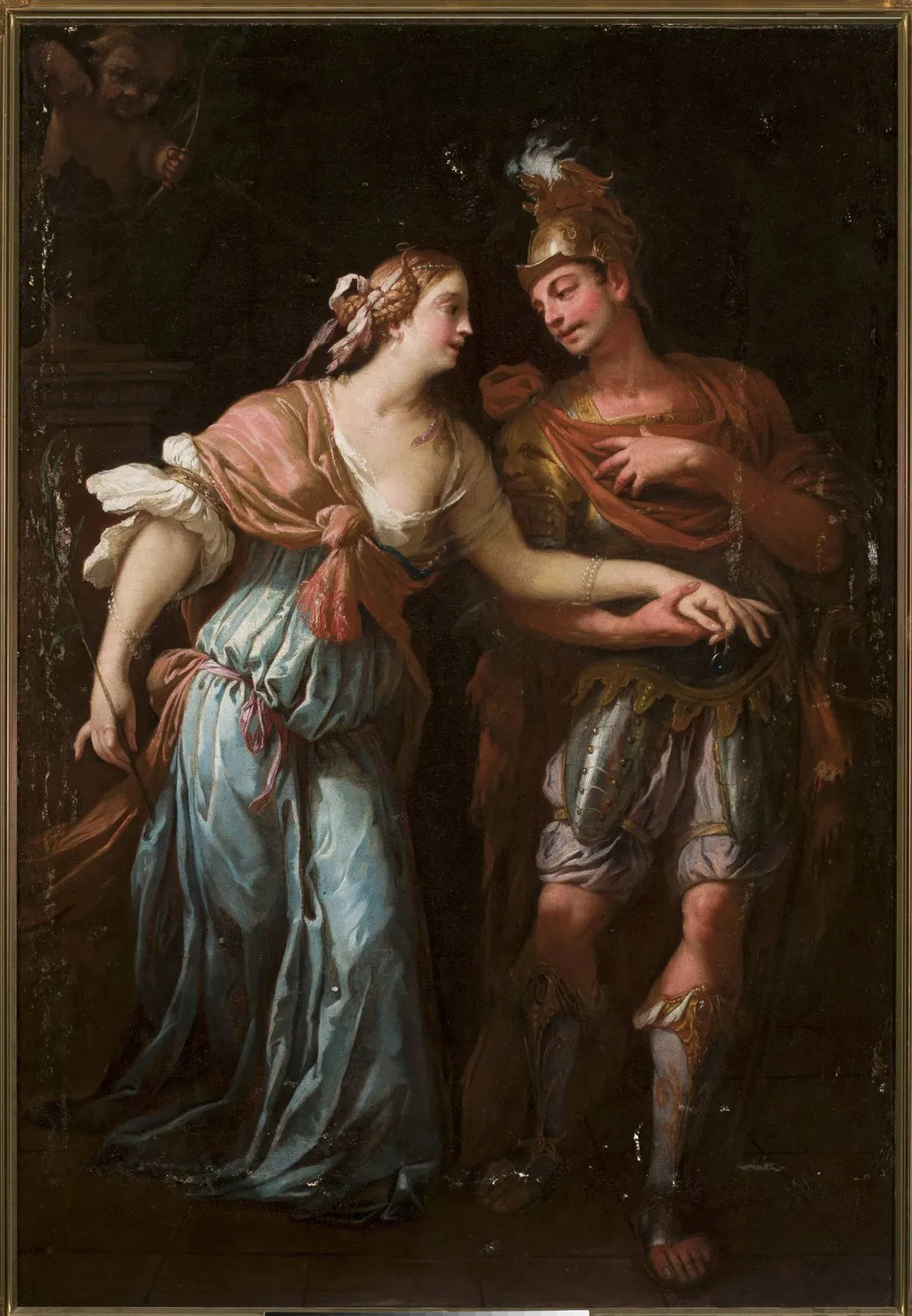
Venus and Mars is an oil painting by the Rococo painting artist Franciszek Smuglewicz. It dates from 1738 and is held in the collection of the National Museum in Warsaw.
About this work
Overview
It resides today in the National Museum in Warsaw, where it stands as an early example of Smuglewicz’s engagement with classical themes.
Painted in 1738 by Franciszek Smuglewicz, *Venus and Mars* is an oil-on-canvas work that interprets a classical mythological pairing through the lens of 18th-century European aesthetics. Though often associated with Rococo sensibilities, the piece avoids excessive ornamentation, favoring a restrained emotional tone. It resides today in the National Museum in Warsaw, where it stands as an early example of Smuglewicz’s engagement with classical themes.
Subject & Meaning
The painting portrays Venus, goddess of love, and Mars, god of war, in a moment of quiet intimacy. Her gentle touch on his arm and his hold on her hand suggest a pause in conflict, transforming their traditional adversarial roles into one of mutual calm. A cherub in the background reinforces the theme of tender connection, implying that affection tempers aggression. The scene reflects a humanized vision of myth, emphasizing emotional resonance over heroic grandeur.
Technique & Style
Smuglewicz employs soft brushwork and a muted palette to convey subtlety rather than spectacle. The figures are rendered with delicate modeling, their garments flowing with naturalistic folds. The armor and shield are rendered with precision but without militaristic flourish, underscoring their symbolic rather than literal function. The background remains softly blurred, directing focus to the figures’ quiet interaction and enhancing the painting’s introspective mood.
History & Provenance
Created during Smuglewicz’s early career, the painting predates his later historical works and reflects his formative engagement with mythological subjects. It entered the collection of the National Museum in Warsaw in the 19th century, likely through state acquisition or donation. Its preservation there underscores its significance as an early example of Polish-Lithuanian artistic development within the broader European tradition.
Context
In the mid-18th century, mythological scenes remained popular among aristocratic patrons, yet Smuglewicz’s treatment diverges from the flamboyance typical of Rococo. His focus on psychological stillness aligns with emerging Enlightenment ideals of emotional restraint and moral harmony. The work reflects a transitional moment in Central European art, where classical subjects began to serve more introspective, human-centered narratives.
Legacy
Though not among Smuglewicz’s most widely known works, *Venus and Mars* illustrates his early mastery of narrative composition and emotional nuance. It contributed to his reputation as a bridge between Baroque traditions and the historicist tendencies he later championed. The painting remains a quiet testament to his role in shaping a distinct Polish-Lithuanian visual language grounded in classical reference and psychological depth.
Artist & collection
Artist
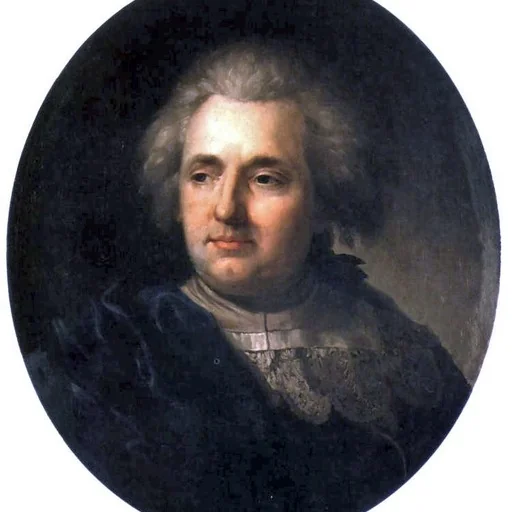
Franciszek Smuglewicz (Lithuanian: Pranciškus Smuglevičius; 6 October 1745 – 18 September 1807) was a Polish-Lithuanian draughtsman and painter.

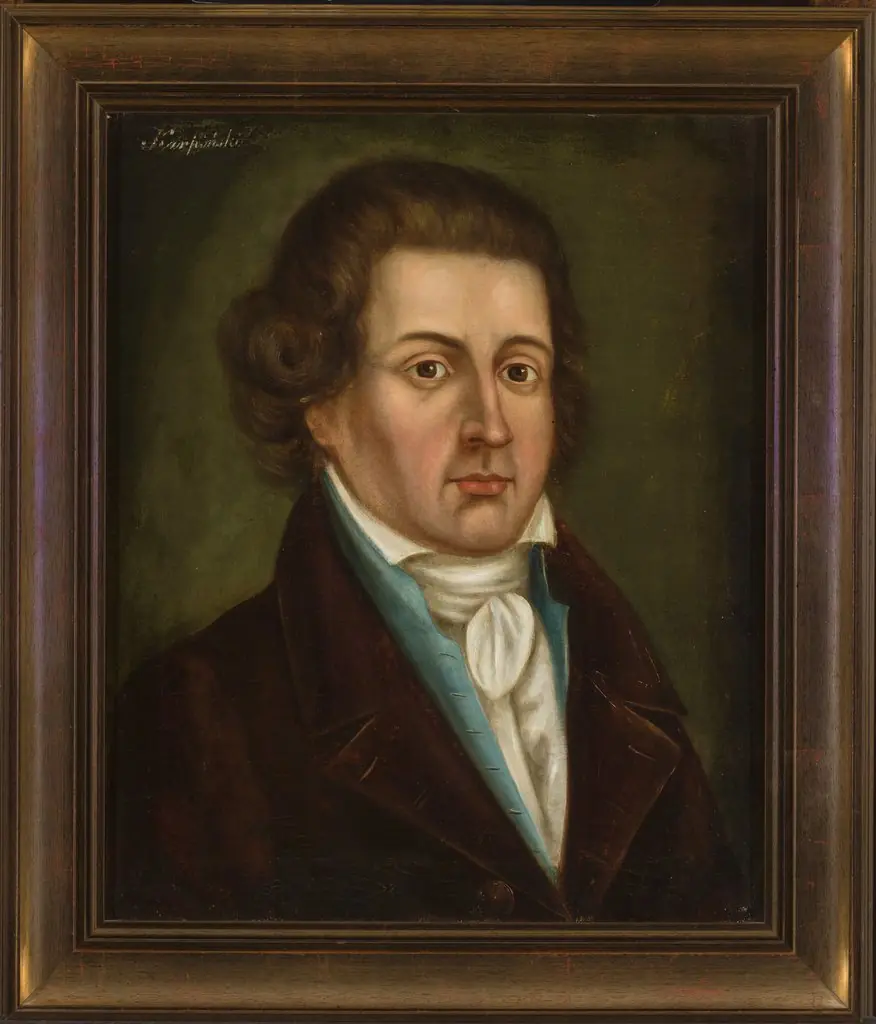 Portrait of Franciszek Karpiński (1741–1825), poet
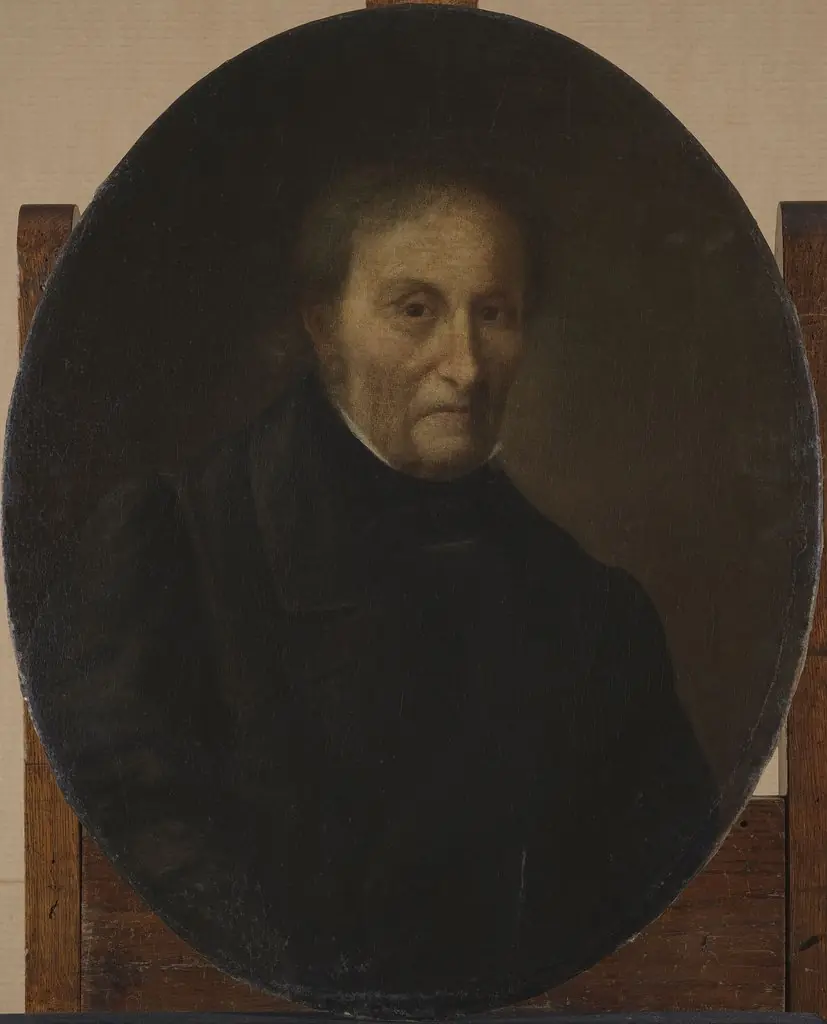 Portrait of Wiktor Grajewski, the last border judge in Samogitia
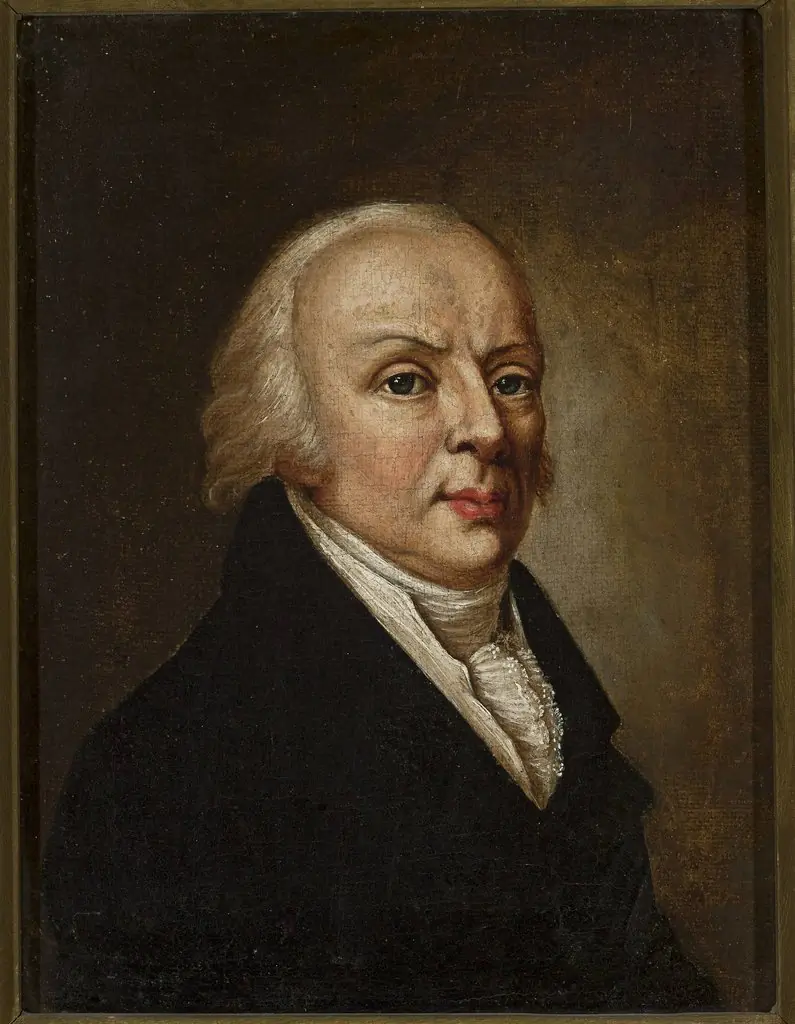 Portrait of Jędrzej Śniadecki
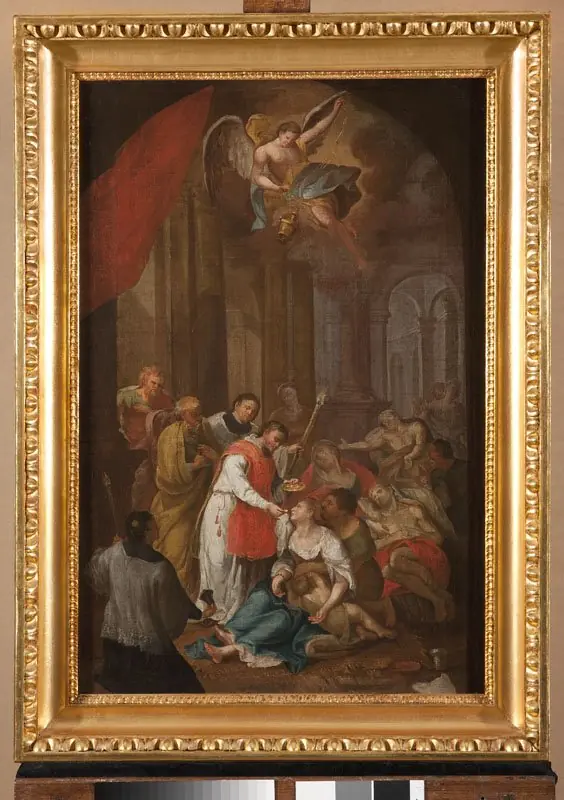 Saint Charles Borromeo attending to the ill
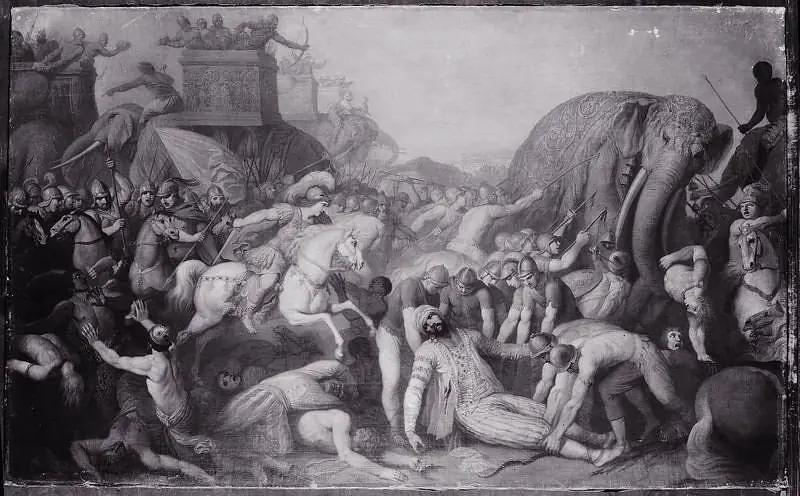 Victory of Alexander the Great over Poros, king of India, in 326
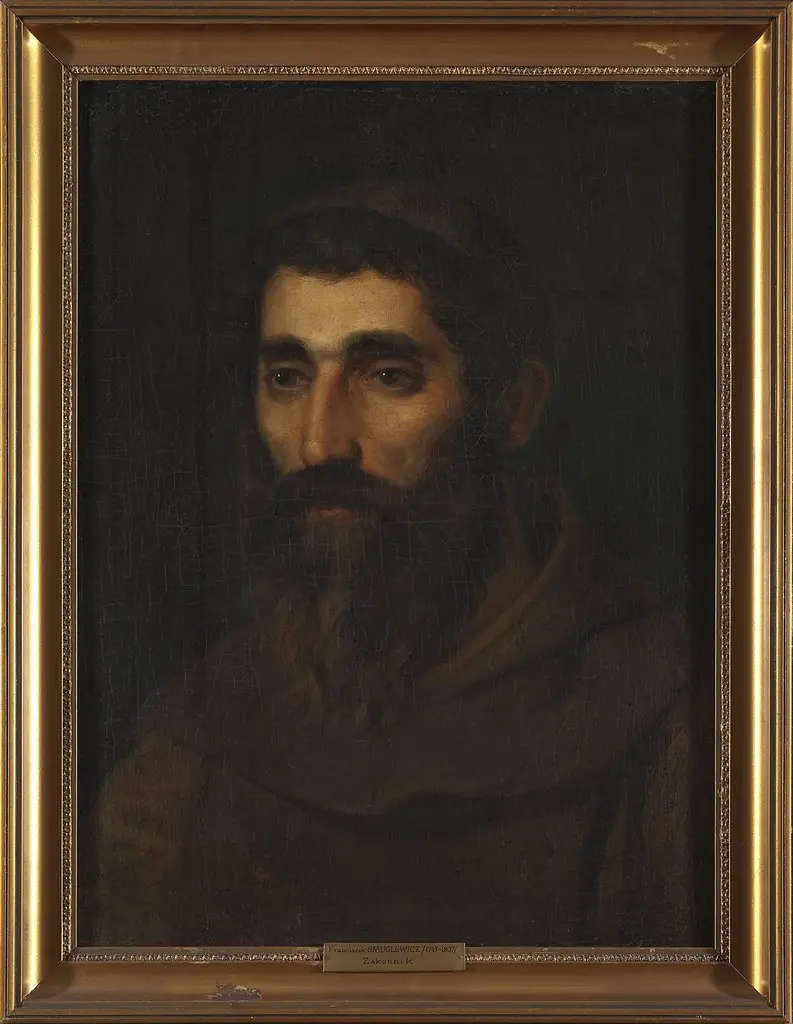 Portrait of a monk
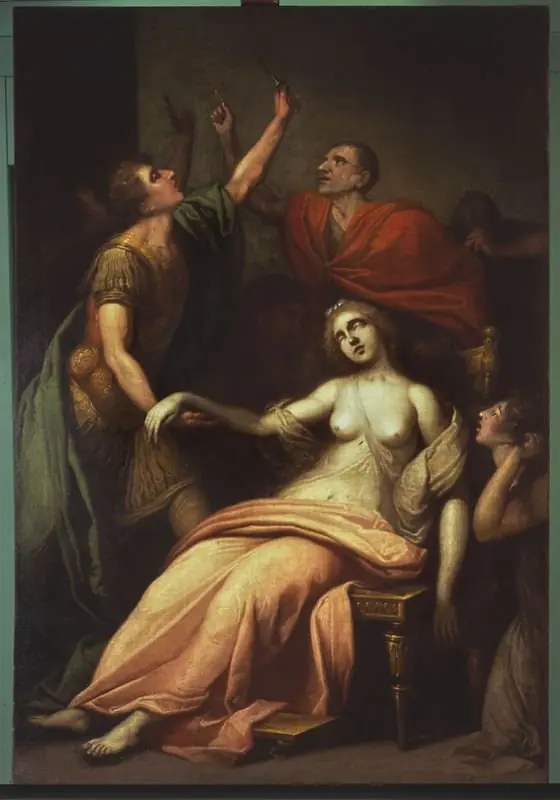 Death of Lucretia
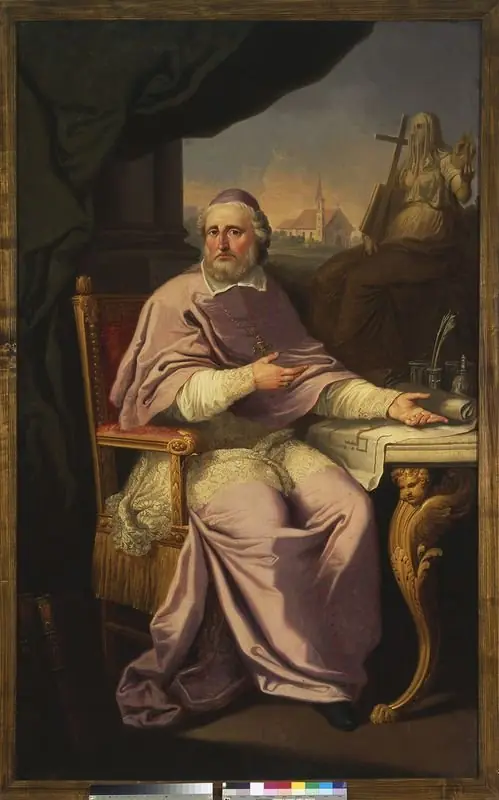 Portrait of Jan Stefan Giedroyc (d. 1803), bishop of Vilnius
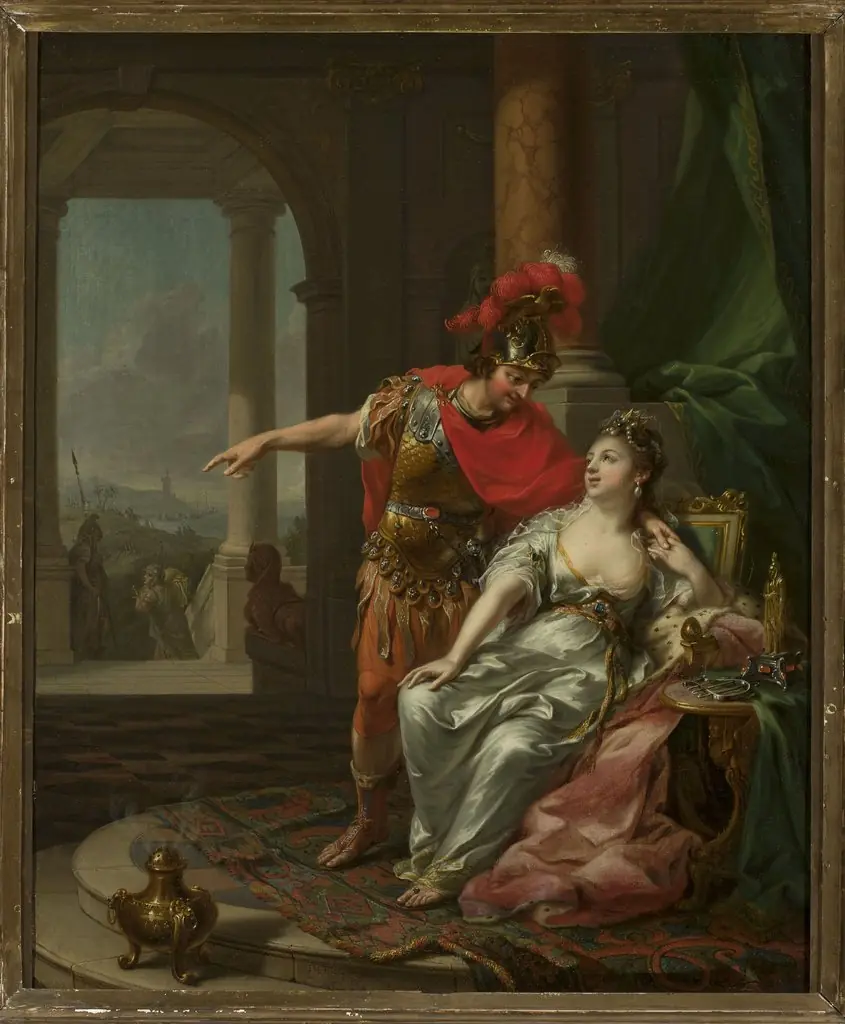 Antony and Cleopatra
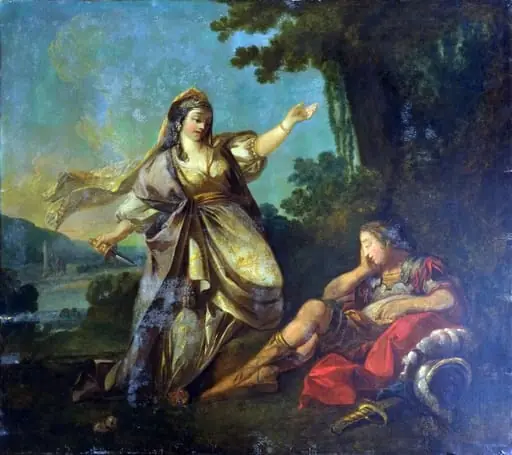 Rinaldo și Armida
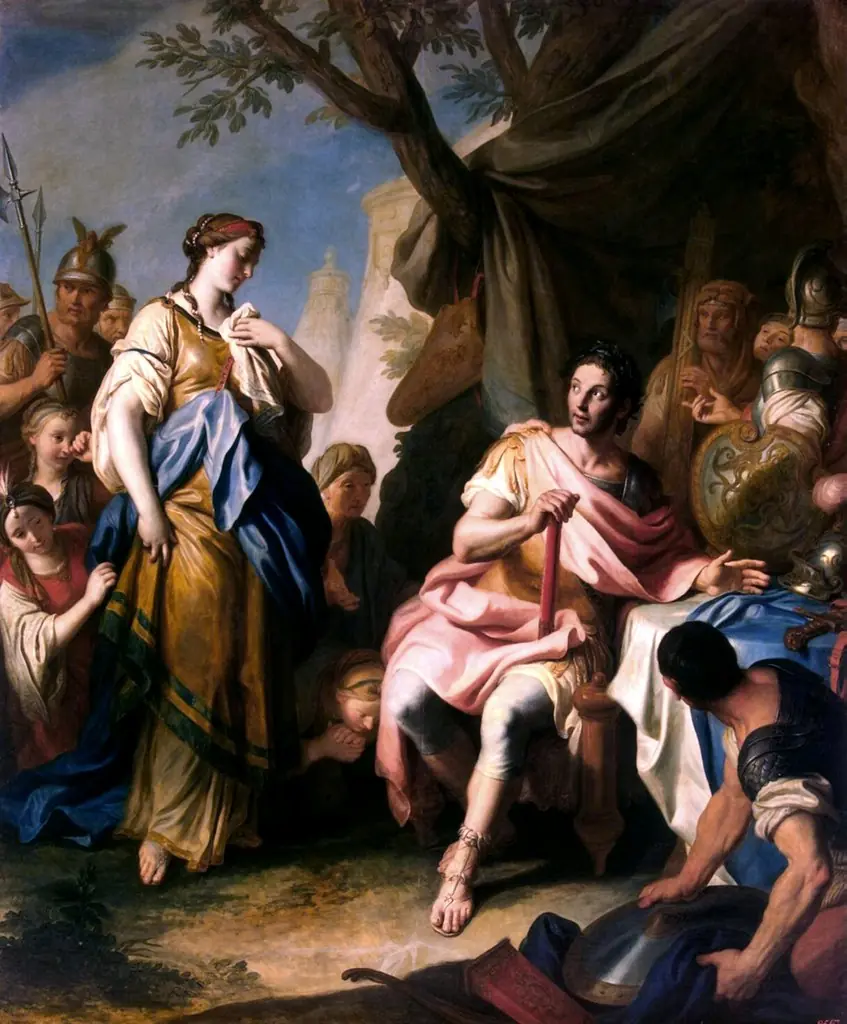 Alexander the Great and Roxana
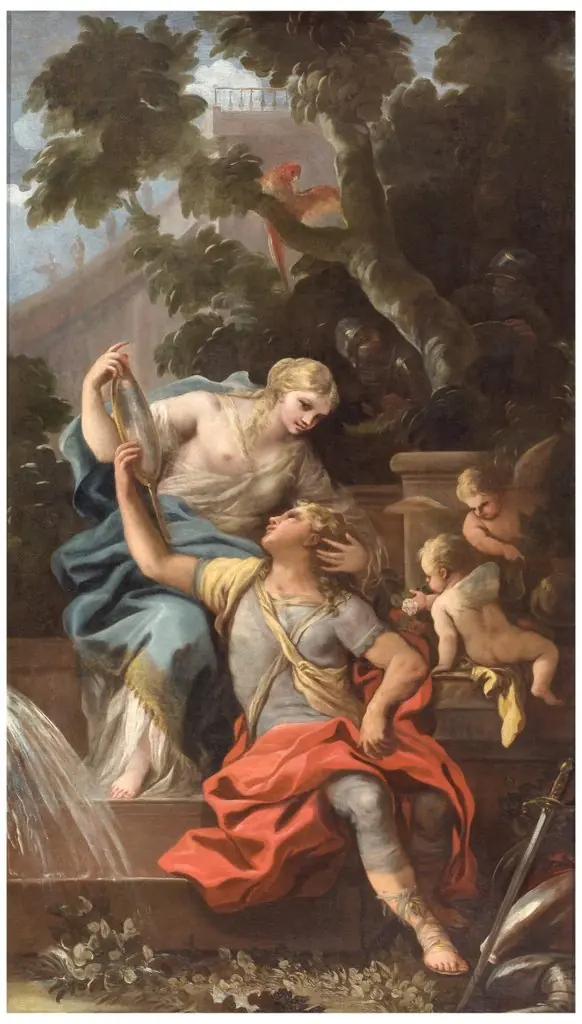 Armida and Rinaldo
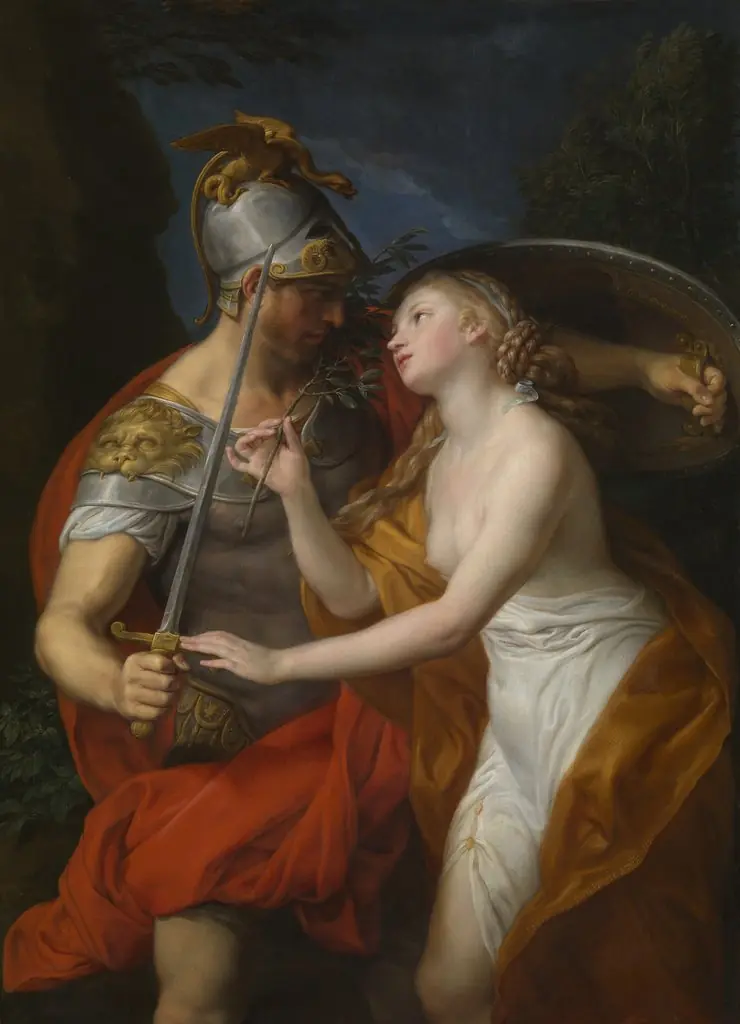 Peace and War
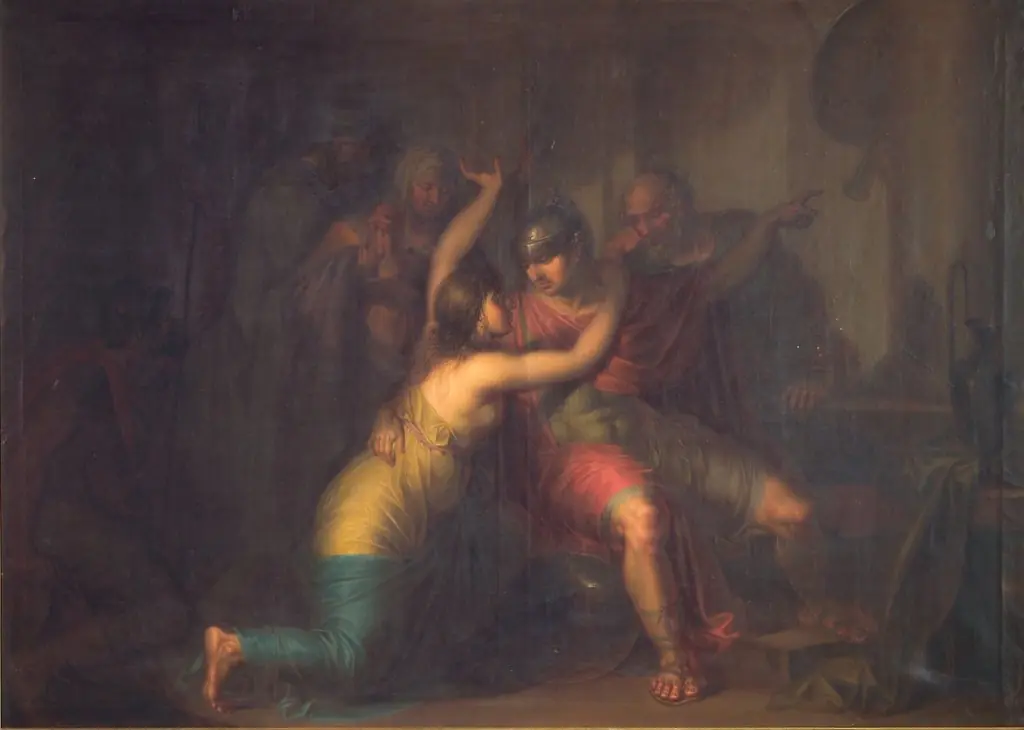 Et historisk stykke
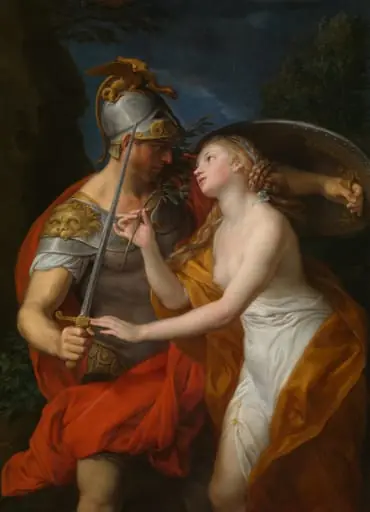 Allegory of Peace and War
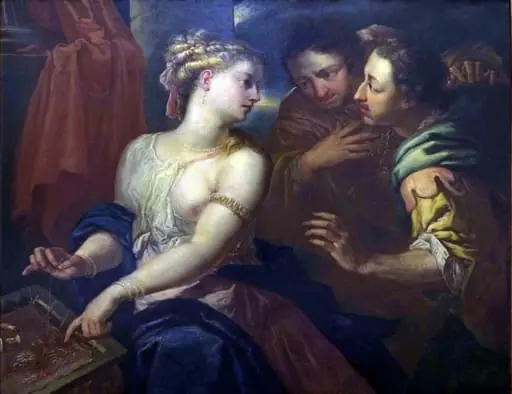 Penelopa și doi pretendenți
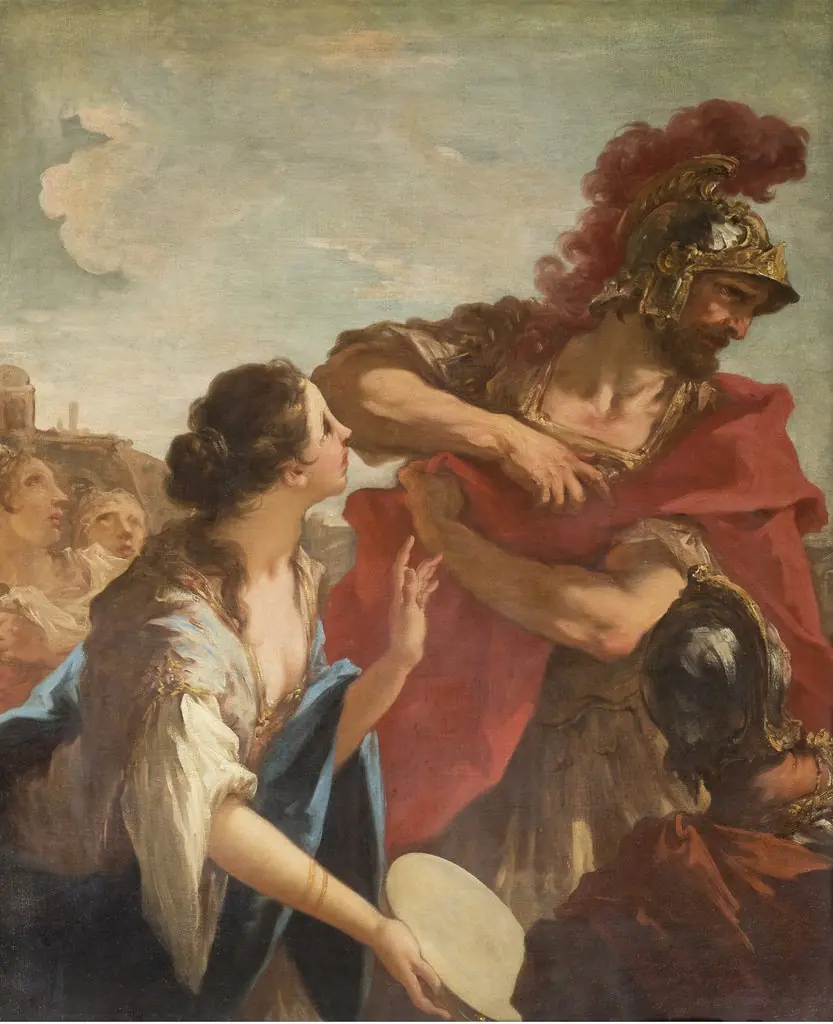 Jephthah returning from Battle is greeted by his Daughter
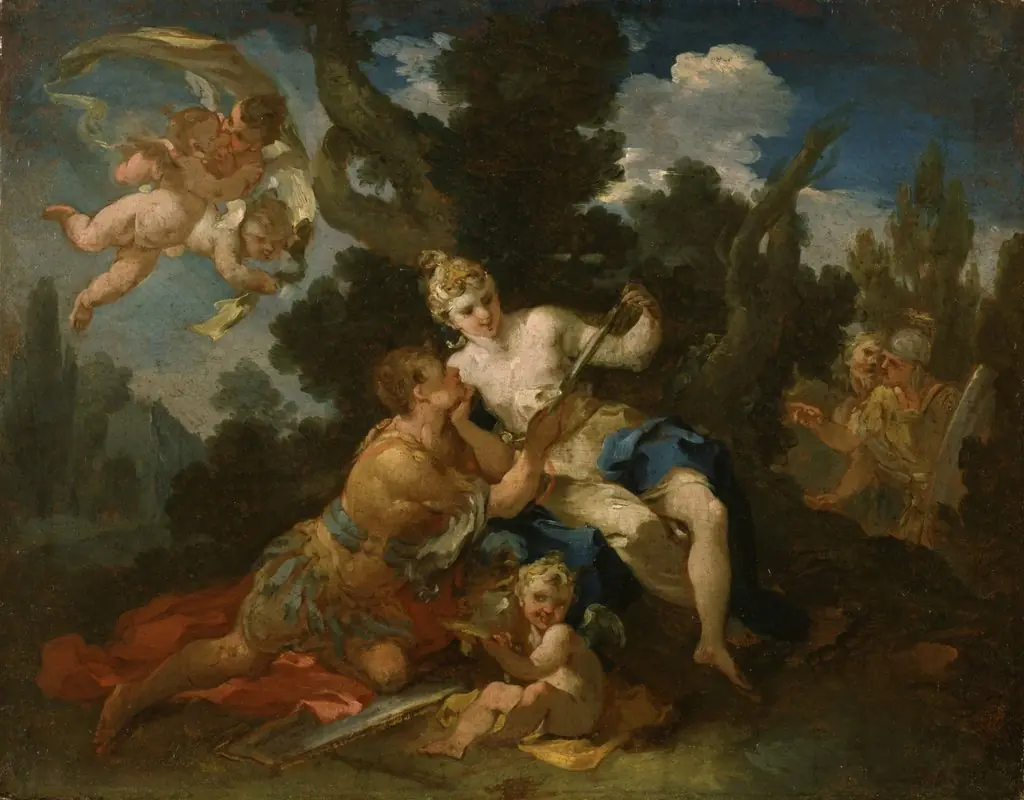 Rinaldo and Armida
 Medos og Angelica
 Theseus mit den beiden Töchtern des Minos