Artwork
L'enlevement nocturne
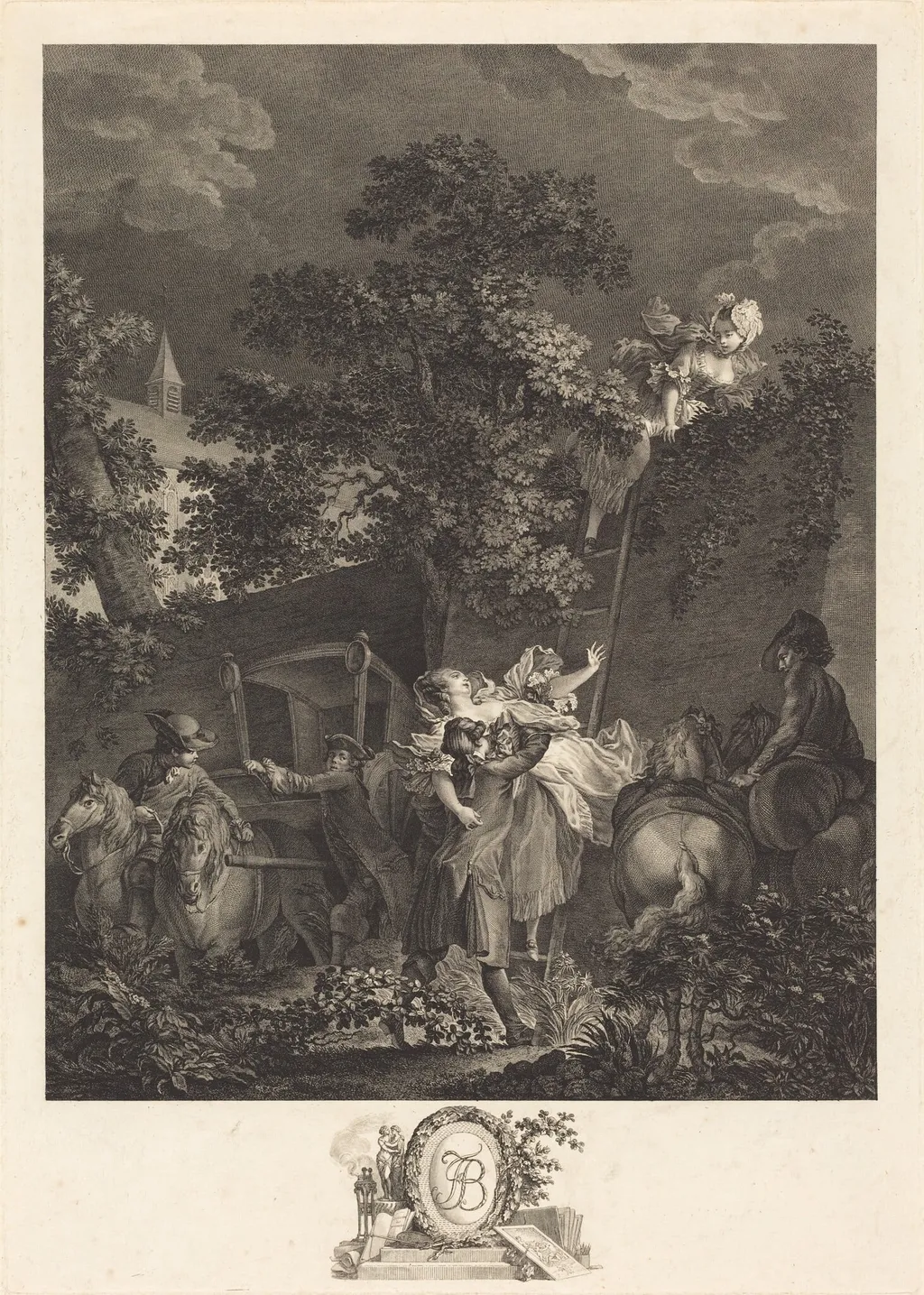
L'enlevement nocturne is an ink print by the Romanticist artist Nicolas Ponce. It dates from 1780 and is held in the collection of the National Gallery of Art.
About this work
Overview
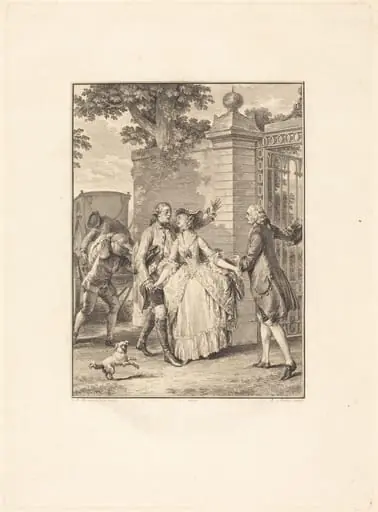
L’enlevement nocturne, executed in 1780 by French printmaker Nicolas Ponce, is an etched and engraved print. The work presents a nocturnal tableau in which a woman in a white gown is being seized by a man, while a carriage and additional figures occupy the background.
Subject & Meaning
The composition suggests a dramatic, perhaps illicit encounter: the female figure appears distressed as she is carried away under moonlight, evoking themes of romance, abduction, or clandestine liaison. The surrounding foliage and the presence of a carriage contribute to a narrative setting that hints at movement and urgency.
Technique & Style
Ponce combines etching and engraving to achieve fine line work and varied tonal contrasts. The application of chiaroscuro—strong light from the moon against deep shadows—creates depth and emphasizes the emotional tension between the central figures, while the texture of foliage and fabric is rendered with meticulous detail.
History & Provenance
Created in the late eighteenth century, the print reflects the period’s fascination with romantic and theatrical subjects. While specific ownership records are scarce, the work is catalogued among Ponce’s oeuvre of prints that circulated in French artistic circles before the Revolution.
Context
The image aligns with the Rococo’s lingering interest in sensual narratives, yet its dramatic lighting anticipates the emerging Neoclassical emphasis on clarity and moral undertones. Prints such as this served both as decorative objects and as visual stories for a growing market of collectors.
Legacy
L’enlevement nocturne illustrates Ponce’s skill in merging narrative content with technical proficiency, contributing to the broader development of French printmaking in the pre‑Revolutionary era. The work remains a reference point for scholars studying the transition from Rococo intimacy to the more austere aesthetic of the early nineteenth century.
Artist & collection


 Le Serment
 Le Devin du Village (Colette Weeping)
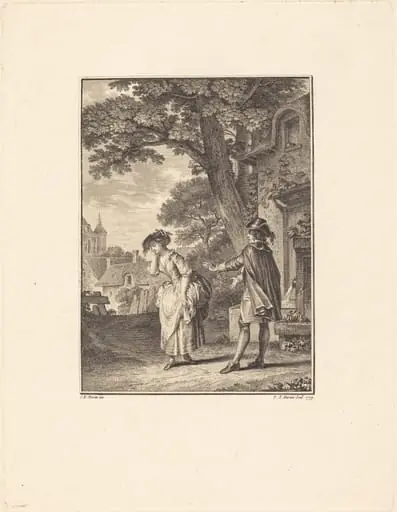 Le Devin du Village (Colette Weeping)
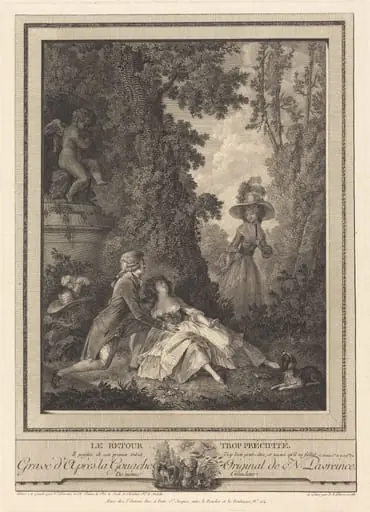 Le retour trop precipite
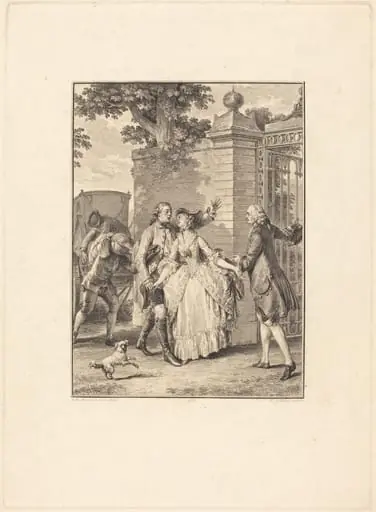 La confiance des belles âmes
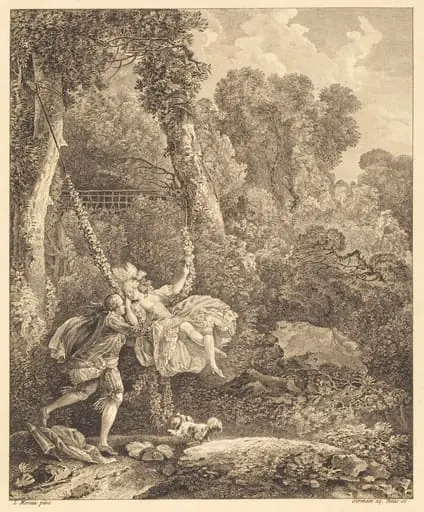 On y court plus d'un danger
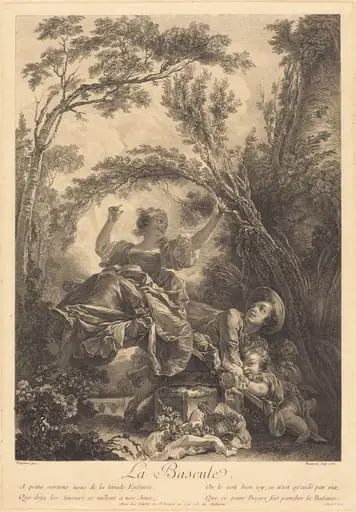 La Bascule
 La confiance des belles âmes
 Six large upright landscapes with scenes from the Old Testament: Abraham Dismissing Hagar and Ishmael
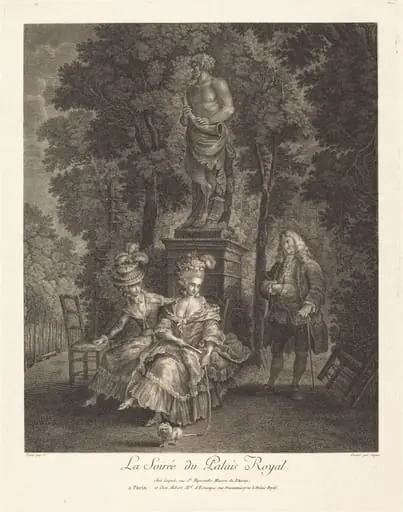 La soiree du Palais Royal