Artwork
Paulus Pontius
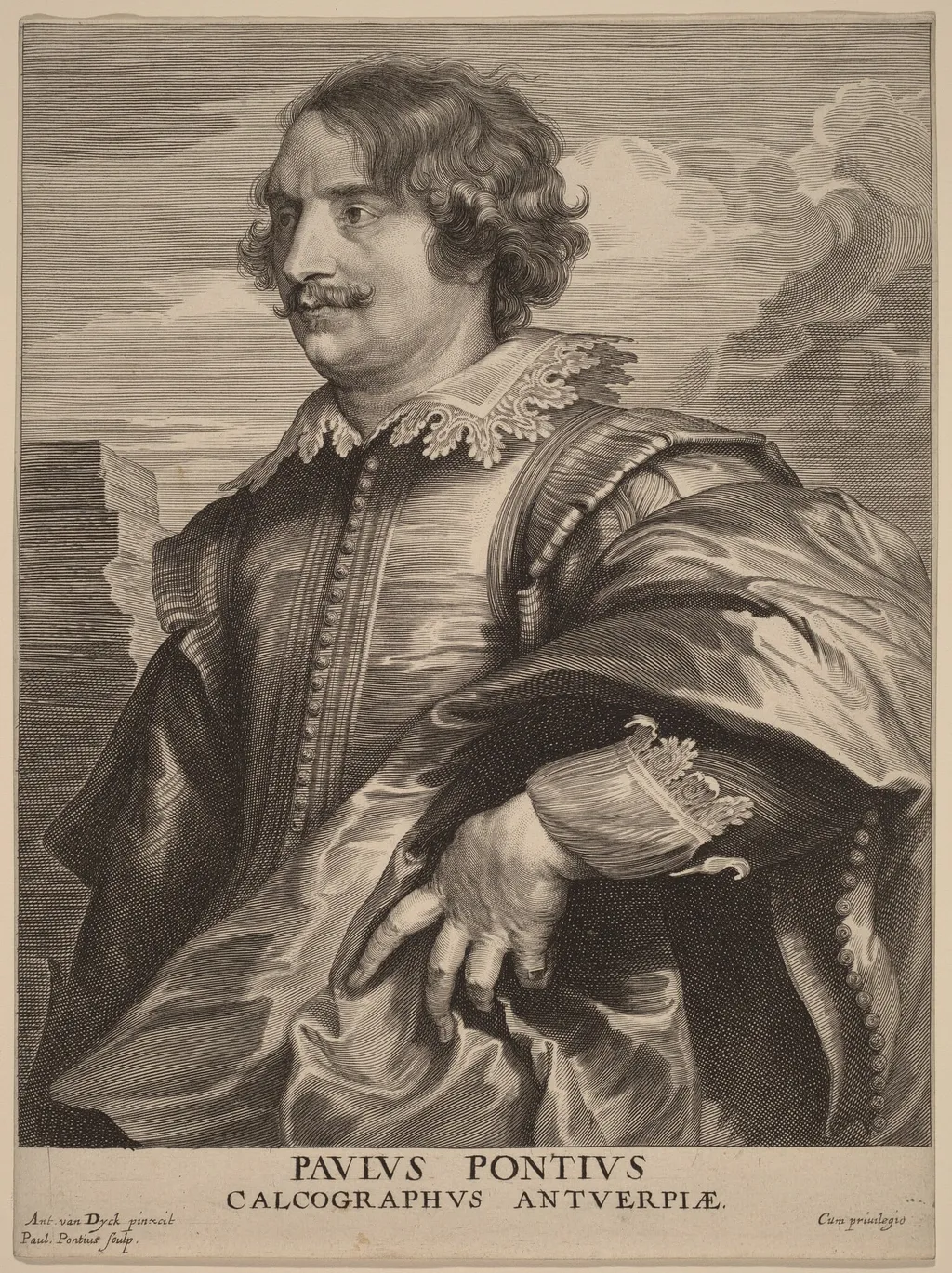
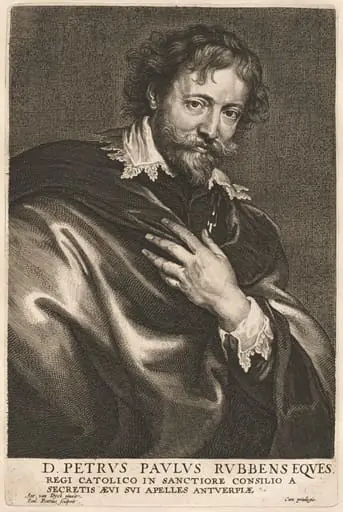
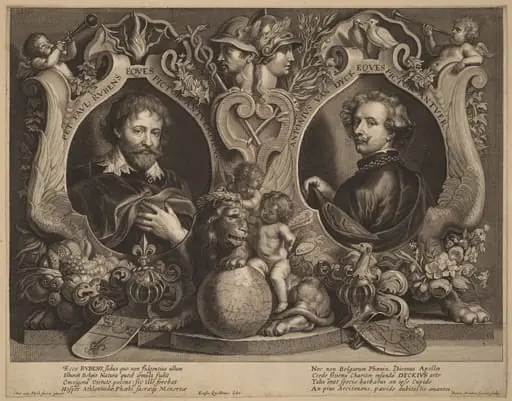
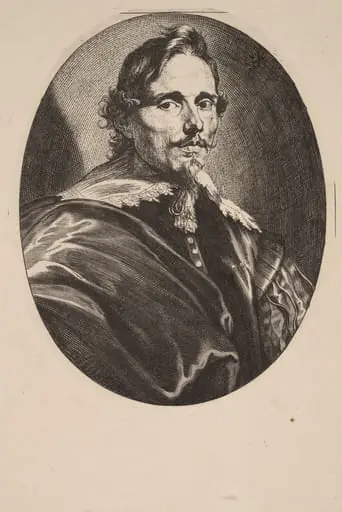
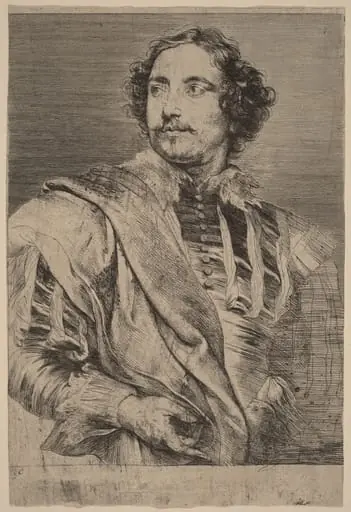
Paulus Pontius is an ink print by the Baroque artist Paulus Pontius. It dates from 1634 and is held in the collection of the National Gallery of Art.
About this work
Overview
This 1634 engraving is a self-portrait, distinguishing it from his more common work reproducing the art of others.
Paulus Pontius, a Flemish engraver active in the early 1600s, specialized in reproductive prints that translated paintings into detailed black-and-white impressions. This 1634 engraving is a self-portrait, distinguishing it from his more common work reproducing the art of others. His technical precision and command of line made him a key figure in Antwerp’s print culture, bridging the gap between painterly composition and printed dissemination.
Subject & Meaning
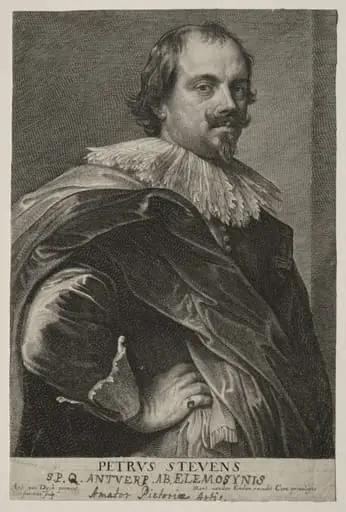
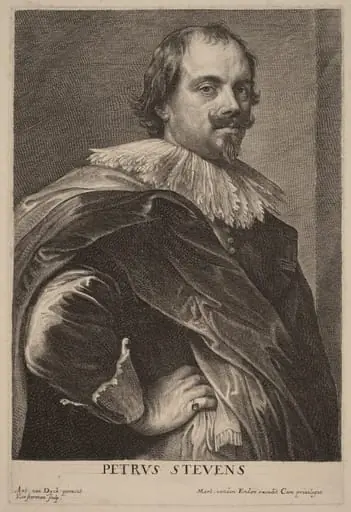
The subject is Pontius himself, depicted with solemn composure and direct gaze. His attire—a high-collared coat with lace cuffs—signals his professional status and alignment with the artistic elite. The folded cloth beneath his hands suggests a surface of quiet dignity, perhaps referencing the tools or materials of his craft. The inscription confirms authorship, turning the print into both a portrait and a declaration of identity.
Technique & Style
Pontius employed fine, controlled lines to render texture: the curl of hair, the sheen of fabric, and the softness of skin are achieved through varying densities of etched strokes. Shading is subtle, avoiding heavy contrast in favor of tonal gradation. The plain background eliminates distraction, emphasizing the sitter’s presence. The engraving’s clarity and precision reflect mastery of the medium and a deliberate focus on likeness over ornament.
History & Provenance
Created around 1634, this print emerged during Pontius’s mature period, after years of collaboration with Rubens, van Dyck, and Jordaens. As a reproductive engraver, he was instrumental in circulating images of major works across Europe. This self-portrait, however, stands apart as a personal artifact, likely produced for private circulation or professional recognition rather than commercial reproduction.
Context
In early 17th-century Antwerp, engraving was a vital medium for disseminating artistic ideas. Pontius operated within a network of painters who relied on printmakers to extend their reach. While most of his output reproduced others’ works, this self-portrait reflects a growing trend among artists to assert individual identity through print, aligning with broader shifts in professional self-awareness among Northern European creators.
Legacy
Pontius’s technical skill helped standardize the quality of reproductive prints in the Baroque era. His self-portrait remains a rare example of an engraver turning the lens on himself, offering insight into the artist’s self-perception. Though less celebrated than his painter collaborators, his work preserved and transmitted the visual language of his time, influencing later generations of printmakers.
Artist & collection
Artist
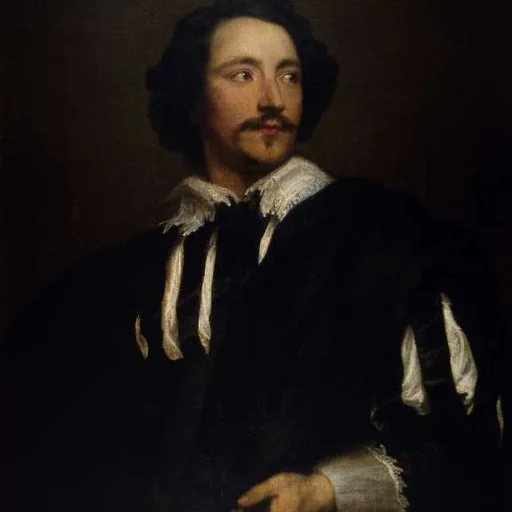
Paulus Pontius (27 May 1603 – 16 January 1658) was a Flemish engraver and painter.