Artwork
Peter Paul Rubens
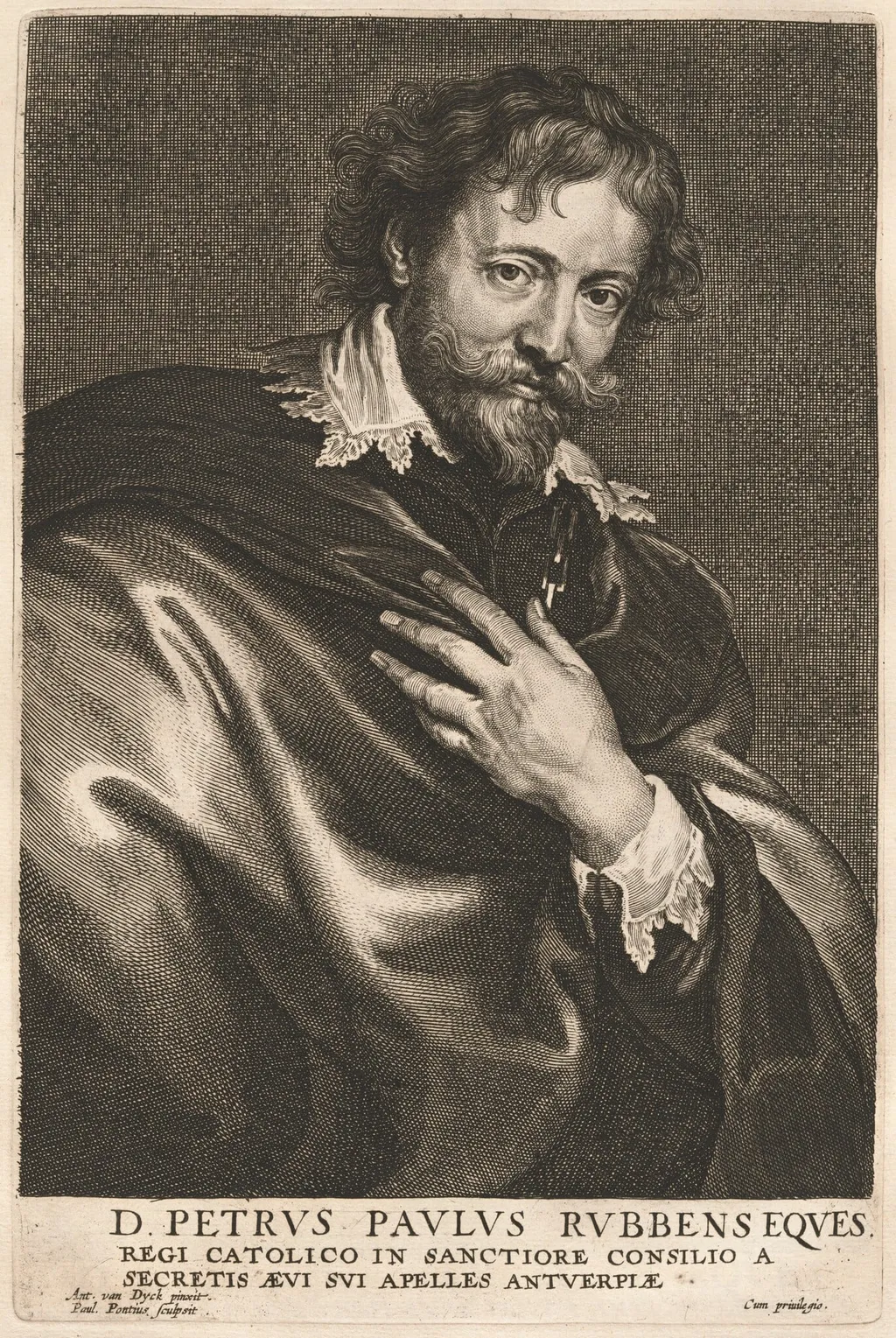
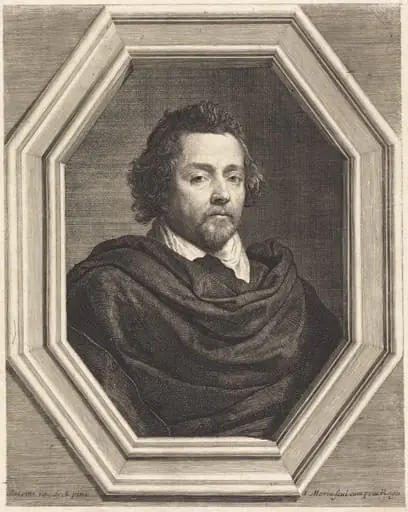
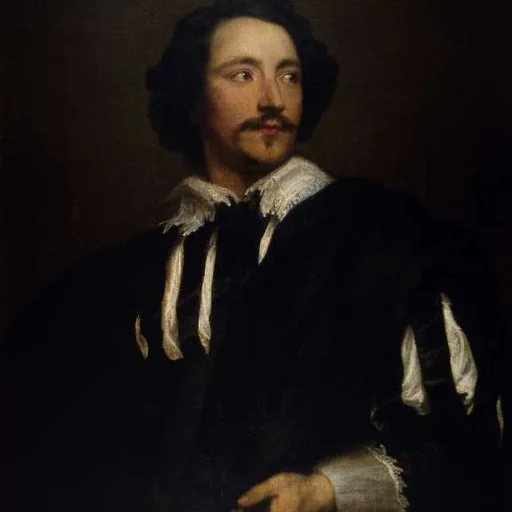
Peter Paul Rubens is an ink print by the Baroque artist Paulus Pontius. It dates from 1634 and is held in the collection of the Museum Plantin-Moretus.
About this work
Overview
Around 1634, the Flemish engraver Paulus Pontius produced a portrait of the celebrated painter Peter Paul Rubens. Executed as an engraving on laid paper, the work presents a monochrome image of Rubens in a dignified pose, his hands placed on his chest and his expression calm yet serious.
Subject & Meaning
The image captures Rubens in contemporary attire—a ruffled collar, dark textured jacket, and full beard—emphasizing his status as a mature artist. By focusing on his composed demeanor, Pontius conveys both the personal gravitas and the professional esteem associated with Rubens during his lifetime.
Technique & Style
Pontius employed the traditional copper-plate engraving method, incising fine lines into metal to render subtle tonal variations. The black‑and‑white rendering relies on cross‑hatching and stippling to suggest the texture of fabric and the softness of facial features, characteristic of early‑17th‑century Flemish printmaking.
History & Provenance
Pontius, a leading engraver linked to Rubens’s own workshop, often reproduced portraits of notable figures for wider circulation. This particular print, bearing the inscription "D. Petrus Paulus Rubens," was likely intended for distribution among patrons and fellow artists, reinforcing Rubens’s public image.
Context
The portrait belongs to a broader tradition of commemorative engravings that documented eminent individuals in the Spanish Netherlands. Working alongside contemporaries such as Anthony van Dyck and Jacob Jordaens, Pontius helped shape the visual legacy of the period’s artistic elite.
Artist & collection
Artist
Paulus Pontius (27 May 1603 – 16 January 1658) was a Flemish engraver and painter.