Artwork
Anthony Bourbon, Count Mouretan
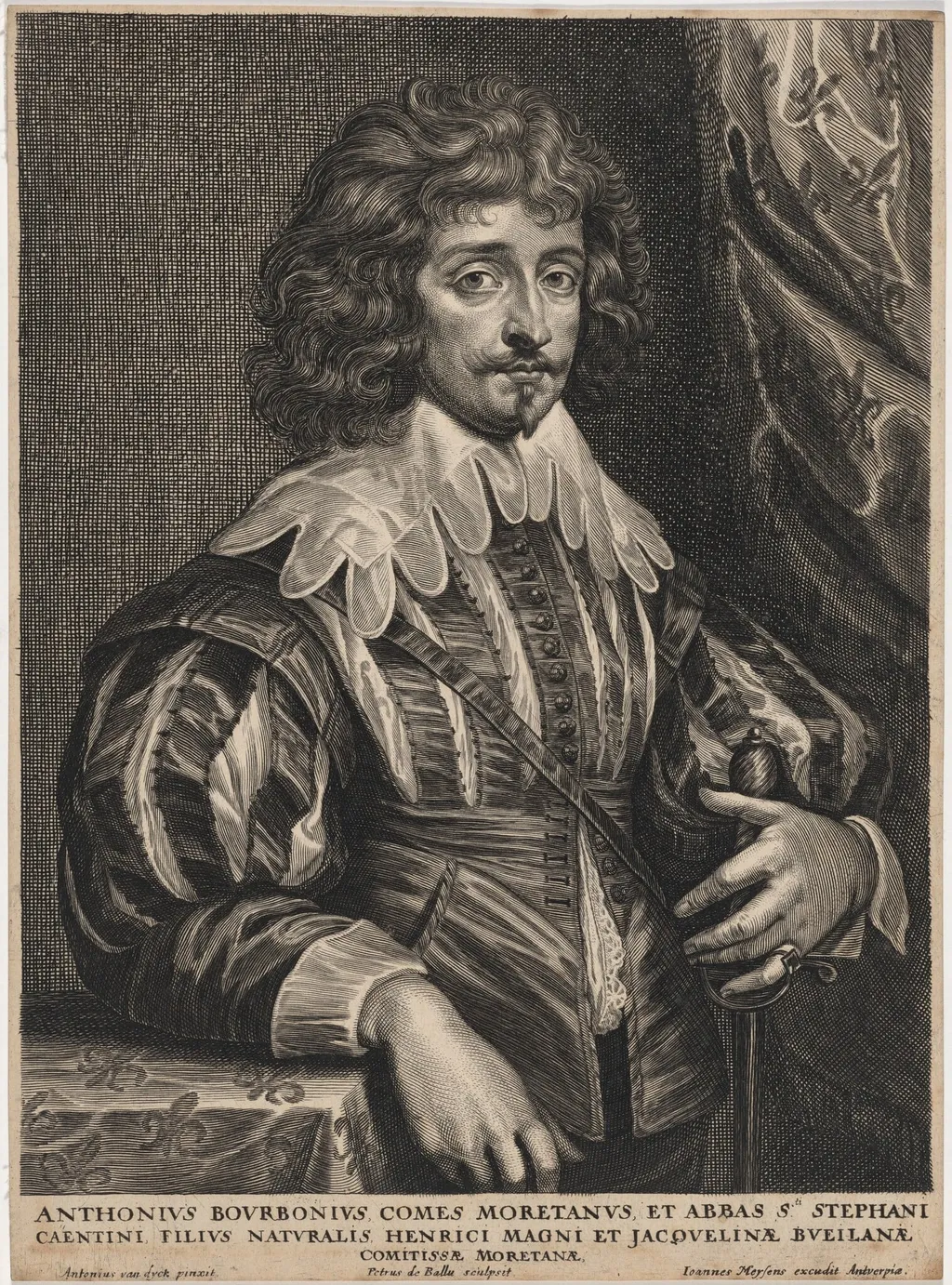
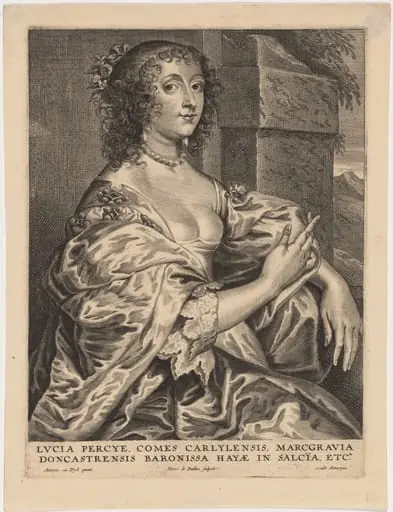
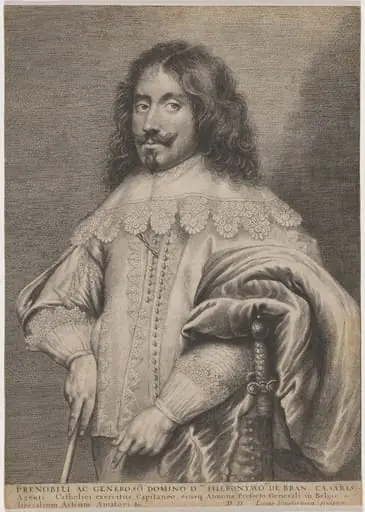
Anthony Bourbon, Count Mouretan is an ink print by the Baroque artist Pieter de Bailliu. It dates from 1636 and is held in the collection of the National Gallery of Art.
About this work
Overview
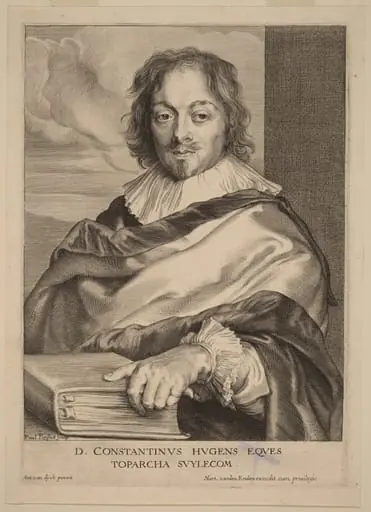
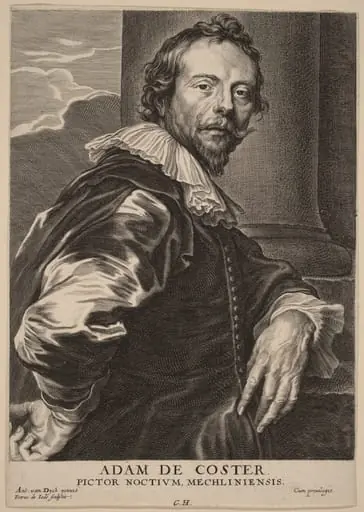
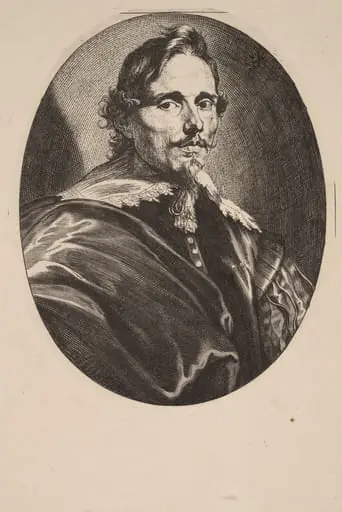
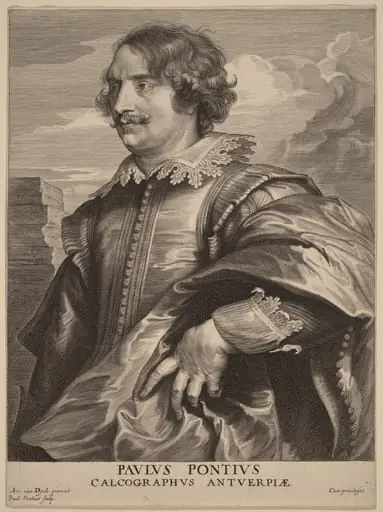
Created in 1636 by Pieter de Bailliu, this engraving depicts Anthony Bourbon, Count Mouretan, a nobleman of the early 17th century.
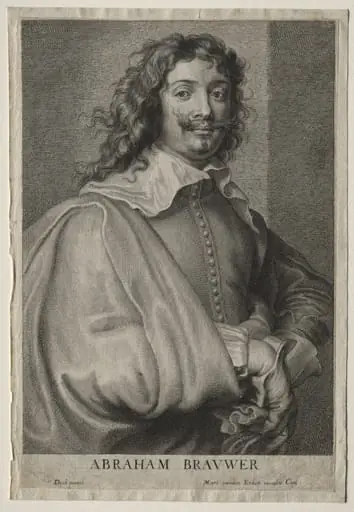
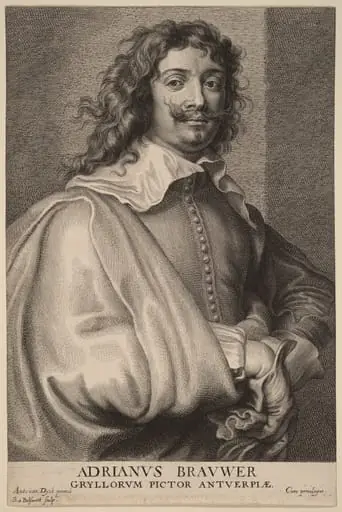
Created in 1636 by Pieter de Bailliu, this engraving depicts Anthony Bourbon, Count Mouretan, a nobleman of the early 17th century. Rendered in monochrome, the portrait emphasizes fine linear detail typical of copperplate engraving. The composition isolates the subject’s upper body against a neutral background, directing focus to his expression and attire. The work exemplifies the precision required in printmaking before the advent of photographic reproduction.
Subject & Meaning
Anthony Bourbon, Count Mouretan, is portrayed with the dignified bearing expected of European aristocracy. His loose curls and ornate ruffled collar suggest adherence to older courtly fashions, possibly signaling tradition or personal preference. The cane and held object imply status and intellectual or administrative duties. The portrait functions as a formal representation, intended to convey authority and lineage rather than intimate character.
Technique & Style
De Bailliu employed fine, controlled incisions into a copper plate to produce the image, using cross-hatching and parallel lines to model light and shadow. The absence of tone or color relies entirely on line density for volume and texture. The rendering of fabric, hair, and skin reveals meticulous attention to detail, characteristic of Flemish engravers of the period who prioritized clarity and refinement over expressive brushwork.
History & Provenance
The engraving was made during de Bailliu’s active years in Antwerp, a center for reproductive printmaking. It likely served as a portrait for circulation among noble circles or as part of a collection documenting regional elites. No documented early ownership records survive, but similar engravings by de Bailliu were widely distributed across Europe, suggesting this work was part of a broader network of aristocratic image-making.
Context
In the 1630s, engraved portraits were a primary means of disseminating likenesses of nobility beyond courtly circles. Artists like de Bailliu often worked from painted originals, translating them into reproducible formats. This practice supported the political and social visibility of figures like Mouretan, whose image could be shared among allies, diplomats, and collectors without requiring direct access to the subject.
Legacy
Though not widely exhibited today, this engraving remains a representative example of 17th-century reproductive printmaking. It reflects the technical skill and social function of engravings in an era before mass media. De Bailliu’s work contributed to the standardization of portraiture in print, influencing later generations of engravers who adapted similar methods for broader audiences.
Artist & collection