Artwork
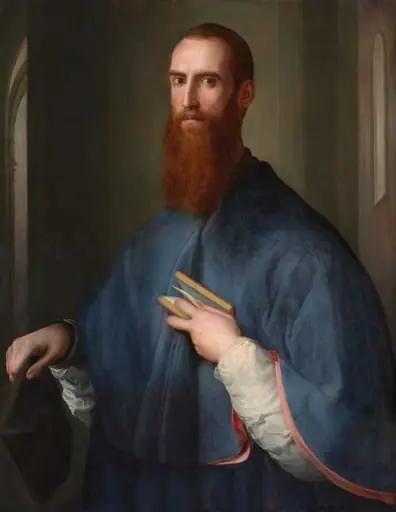
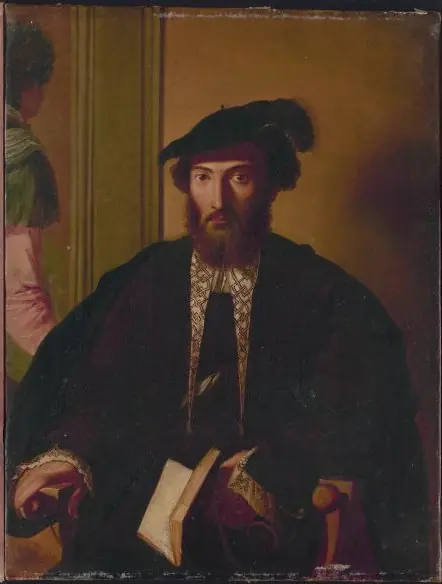
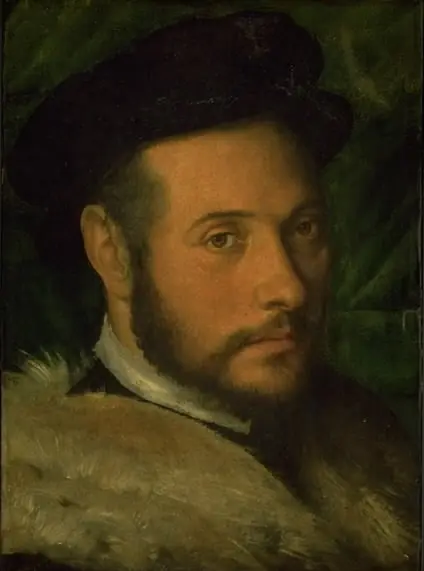
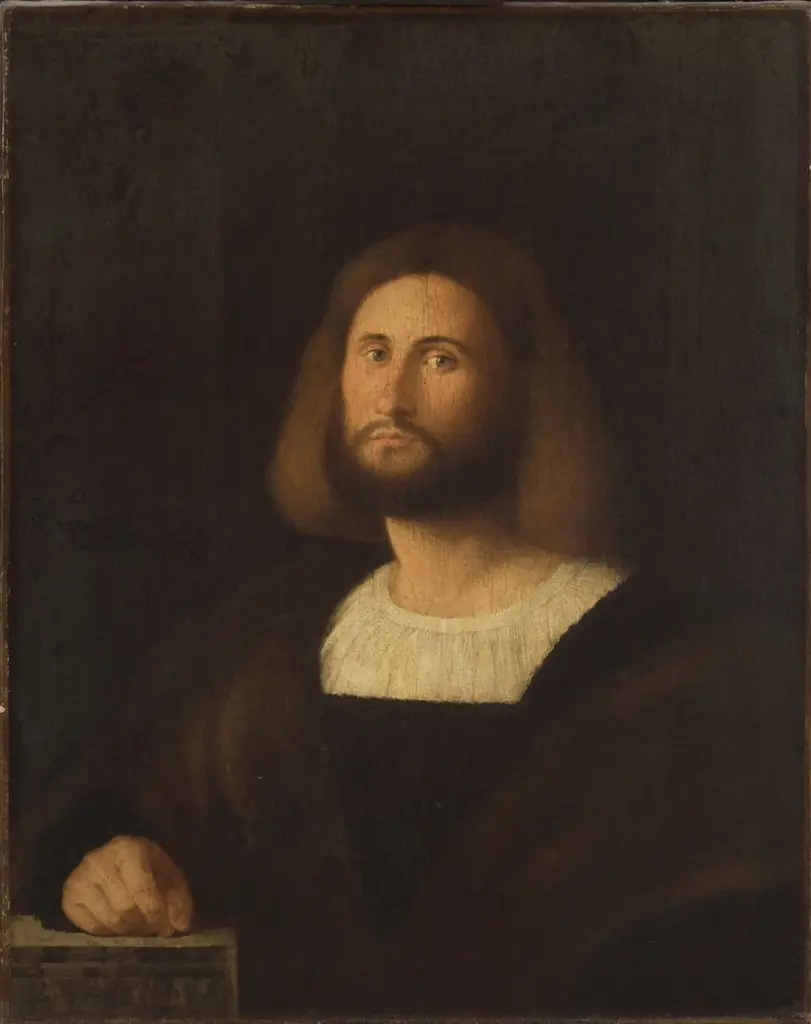
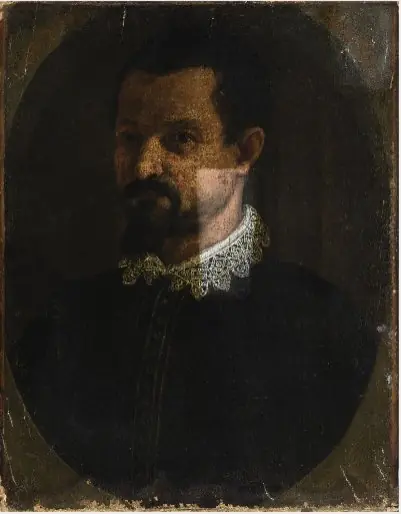
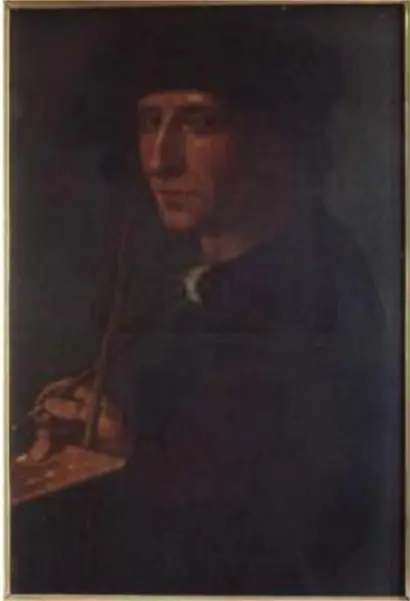
autoportrait of Giovanni Antonio Lappoli
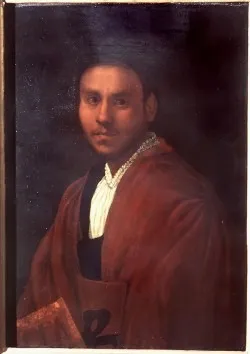
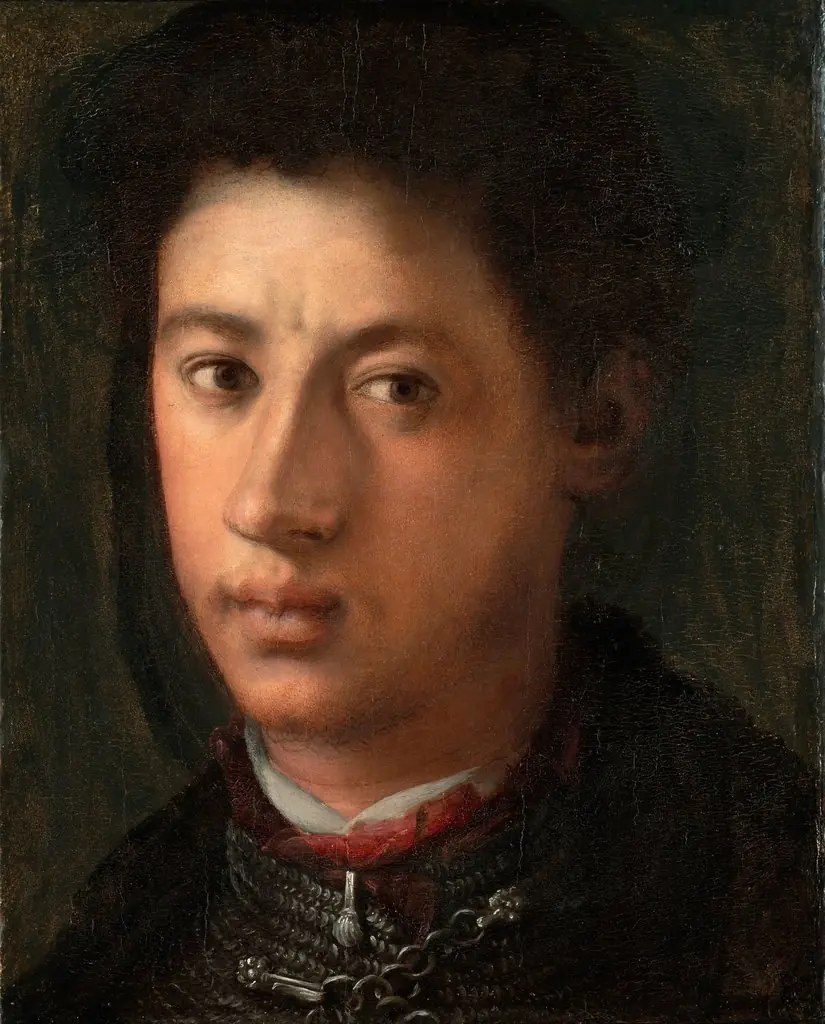
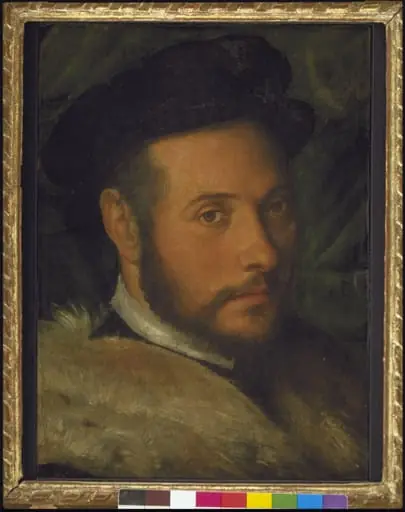
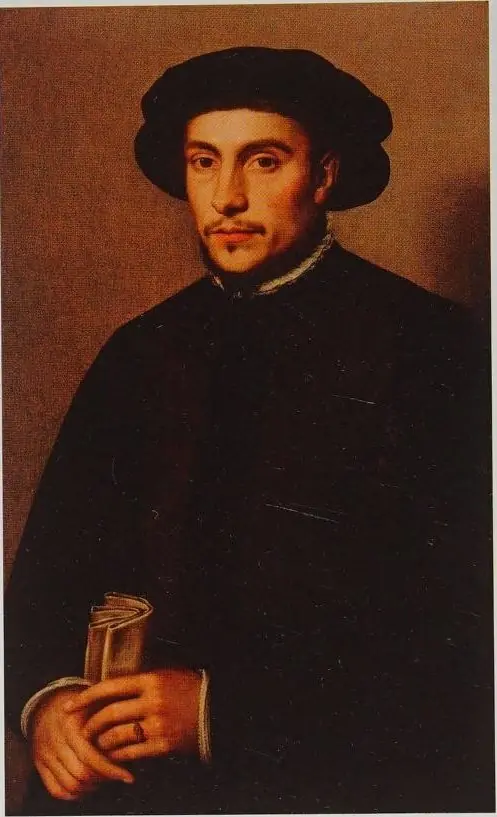
autoportrait of Giovanni Antonio Lappoli is an oil painting by the Mannerist artist Pontormo. It dates from 1535 and is held in the collection of the Uffizi Gallery.
About this work
Overview
This oil painting, attributed to Pontormo and dated around 1535, presents a half-length portrait of the artist himself.
This oil painting, attributed to Pontormo and dated around 1535, presents a half-length portrait of the artist himself. Executed on canvas, it reflects the quiet intensity characteristic of his later work. The figure is rendered against a deep, unmodulated background, isolating him in a space that avoids conventional depth. The composition emphasizes stillness and psychological presence over narrative or setting.
Subject & Meaning
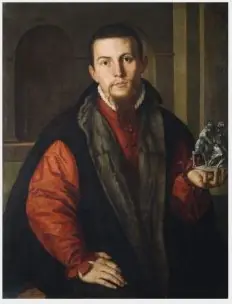
The subject is Pontormo, depicted in direct gaze, confronting the viewer with a solemn, unsmiling expression. His attire—a red robe over a dark vest and white collar—suggests scholarly or artistic dignity rather than aristocratic status. The painting functions as a self-representation of identity and craft, not as a display of wealth or social rank. It conveys introspection, aligning with Mannerist tendencies toward inner emotional states.
Technique & Style
Pontormo employs a restrained palette and fluid brushwork to model form without heavy chiaroscuro. The folds of the robe are rendered with soft, flowing lines that defy naturalistic gravity, contributing to a sense of ethereal weightlessness. The background’s lack of spatial cues and the figure’s frontal orientation reject Renaissance perspective, favoring an intimate, almost confrontational immediacy that defines his Mannerist idiom.
History & Provenance
The painting has been in the collection of the Uffizi Gallery since at least the 17th century, likely acquired as part of the Medici holdings. Its attribution to Pontormo has been consistently supported by stylistic analysis and historical records. Though once thought to include his pupil Lappoli, current scholarship identifies only the artist as the sole figure, correcting earlier misinterpretations of the composition.
Context
Created during a period of political and religious upheaval in Florence, the portrait reflects a retreat from public grandeur toward personal expression. Mannerism, emerging after the High Renaissance, favored ambiguity, emotional tension, and formal experimentation. Pontormo’s work, including this self-portrait, exemplifies this shift, prioritizing psychological depth over classical harmony.
Legacy
This portrait stands as one of the earliest unambiguous self-representations by an Italian artist of the 16th century. Its quiet intensity influenced later generations seeking to convey inner life through portraiture. Though not widely exhibited in its time, its presence in the Uffizi ensured its survival as a key example of Mannerist introspection and the evolving role of the artist as subject.
Artist & collection
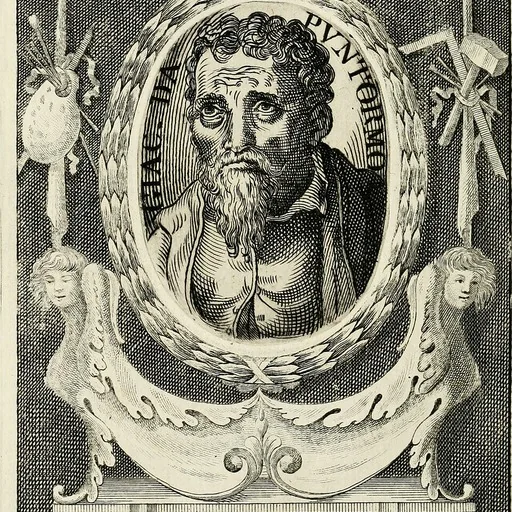
Artist
Jacopo Carucci or Carrucci (IPA: ; May 24, 1494 – January 2, 1557), usually known as Jacopo (da) Pontormo or simply Pontormo (IPA: ), was an Italian Mannerist painter and portraitist from the Florentine School.