Artwork
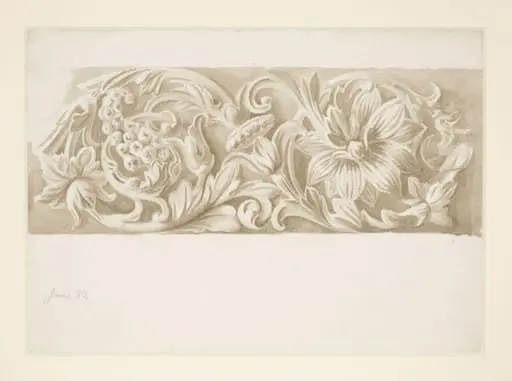
Drawing of a plaster cast featuring three ivy leaves
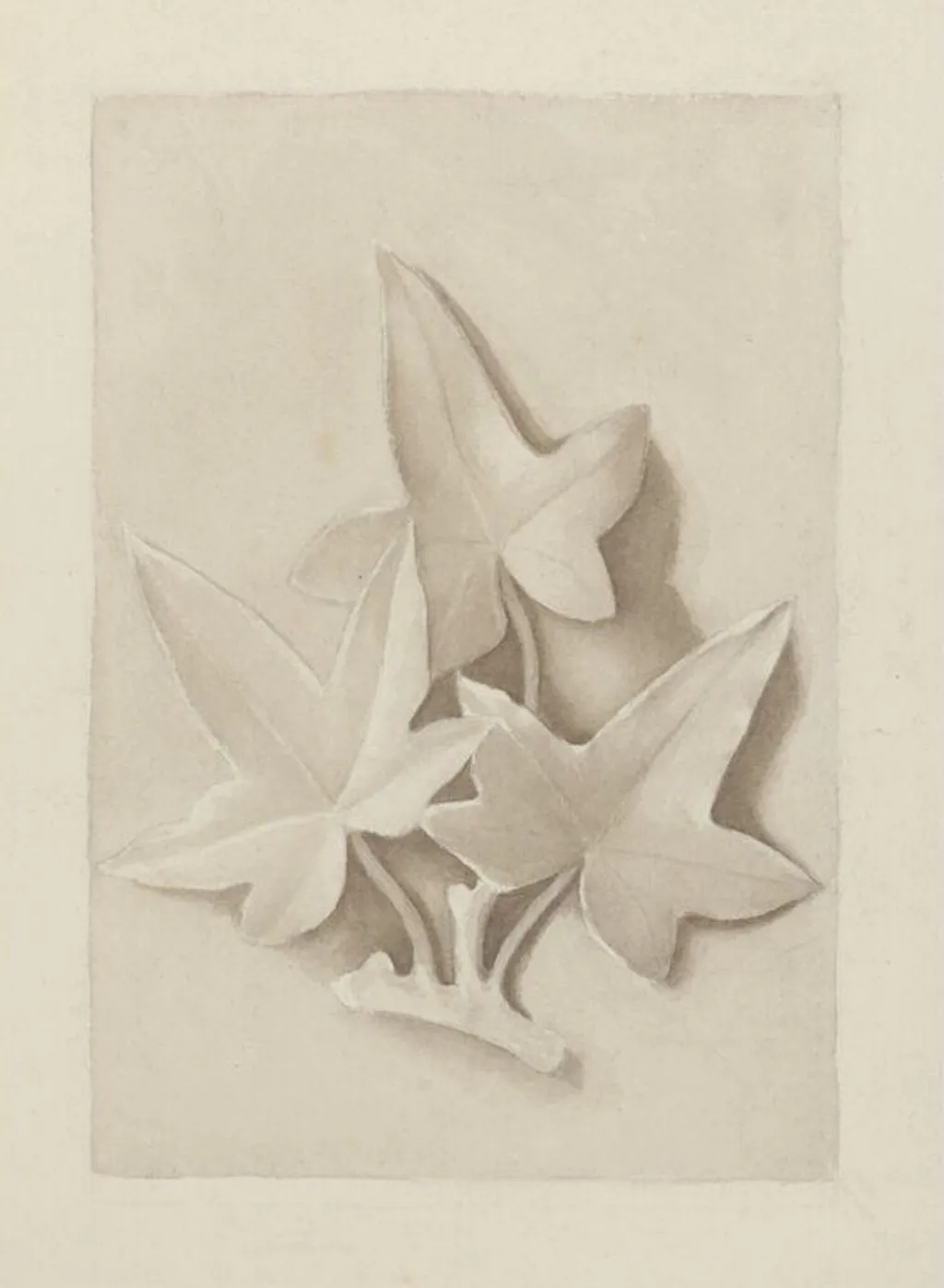
Drawing of a plaster cast featuring three ivy leaves is a watercolor work on paper by the Impressionist artist Beatrix Potter. It dates from 1879 and is held in the collection of the Victoria and Albert Museum.
About this work
That year she also studied old masters like Constable and Turner at Royal Academy shows.
Beatrix Potter made this watercolor around 1879. It shows three ivy leaves on a plaster cast—simple, clear shapes. She was just a young student, practicing design for an art certificate.
Potter copied plants in nature or from books. That year she also studied old masters like Constable and Turner at Royal Academy shows. She said her spotty schooling kept her ideas fresh.
Look up the Victoria and Albert Museum to see more early work.
Overview
Created around 1879, this watercolour depicts three ivy leaves rendered on a plaster cast, likely an academic exercise for Beatrix Potter’s Art Student Certificate. Executed with quiet precision, the work reflects her disciplined practice during formal training, though its restrained tone contrasts with the lively character of her later illustrations. The subject—botanical forms copied from observation—aligns with the curriculum of the National Art Training School.
Subject & Meaning
The three ivy leaves, carefully arranged on a plaster mold, serve as a study in form and texture rather than symbolic expression. Potter’s focus on natural detail suggests an early commitment to observational accuracy, a habit rooted in her independent study of plants. The plaster cast, a common teaching tool, frames the leaves as objects of study, emphasizing structure over sentiment.
Technique & Style
Rendered in watercolour, the drawing exhibits controlled brushwork and muted tonality, typical of academic exercises of the period. Potter avoided dramatic contrasts, favoring subtle gradations to define leaf veins and surface texture. The composition is orderly and minimal, reflecting the emphasis on technical competence over expressive freedom demanded by the curriculum.
History & Provenance
Produced between 1878 and 1883 during Potter’s enrollment at the National Art Training School in South Kensington, the work was likely part of her Second Grade Art Student Certificate preparation. She received an ‘Excellent’ rating in her examinations, indicating technical proficiency. The piece remains within the broader corpus of her early academic studies, now held in institutional collections.
Context
As a girl of middle-class Victorian society, Potter was expected to cultivate artistic skills as a social accomplishment. While she attended formal classes, she also studied nature directly and visited Royal Academy exhibitions to examine works by Constable, Gainsborough, and Turner. Her skepticism toward rigid instruction reveals a tension between institutional training and personal observation that shaped her artistic development.
Legacy
Though this drawing lacks the whimsy of her later illustrations, it reveals the foundation of her visual discipline. Her later success in naturalistic depiction—seen in animal and botanical studies—can be traced to this period of careful, repetitive practice. The work stands as evidence of how structured learning, however imperfect, supported an independent artistic voice.
Artist & collection
Artist
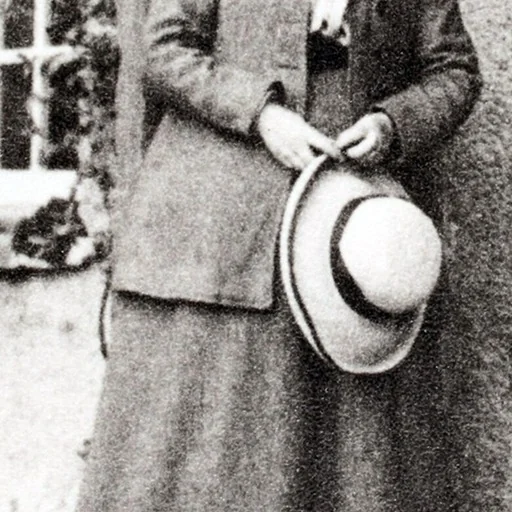
Helen Beatrix Heelis (née Potter; 28 July 1866 – 22 December 1943), usually known as Beatrix Potter ( BEE-ə-triks), was an English writer, illustrator, natural scientist, and conservationist.