Artwork
El rodeo
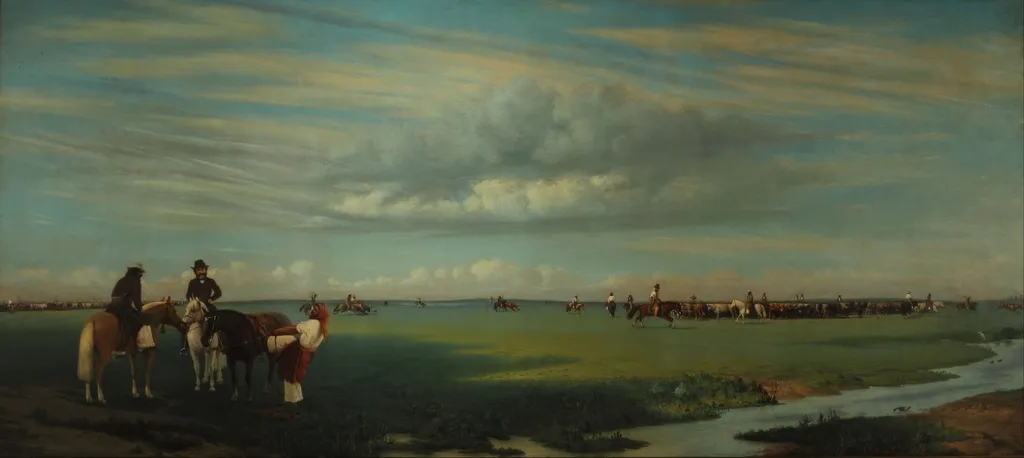
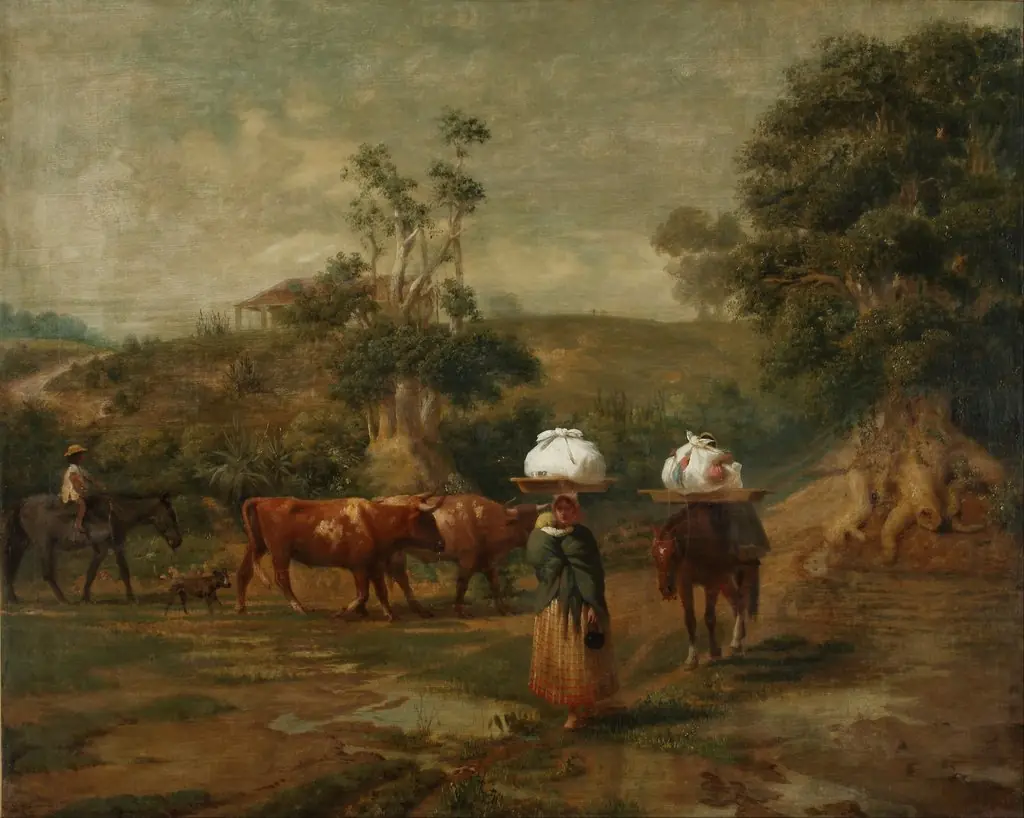
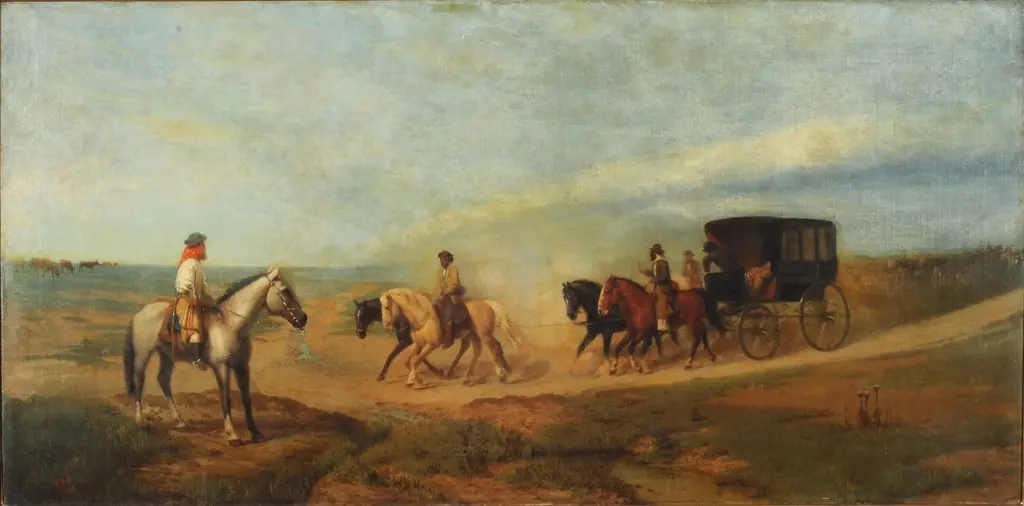
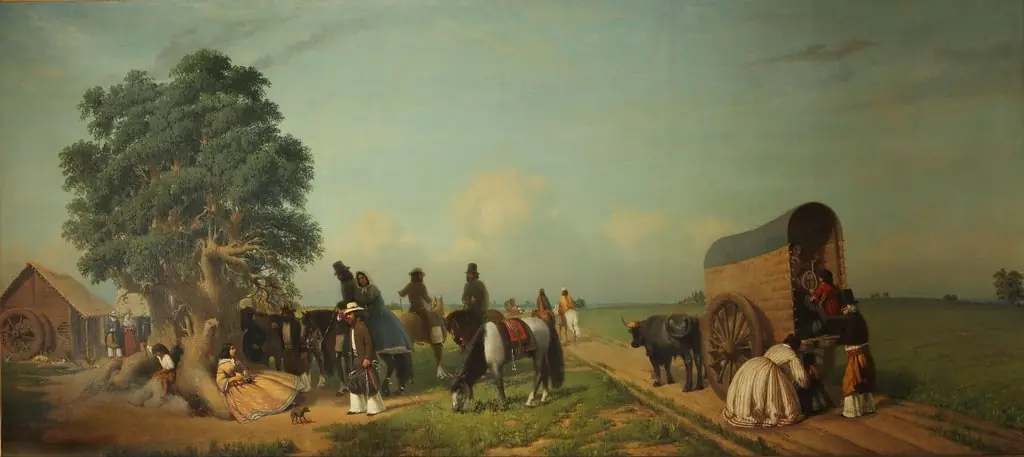
El rodeo is an oil painting by the Realist artist Prilidiano Pueyrredón. It dates from 1861 and is held in the collection of the National Museum of Fine Arts, Argentina.
About this work
Overview
Painted in 1861 by Prilidiano Pueyrredón, *El rodeo* is an oil-on-canvas work that captures a quiet moment in rural Argentine life.
Painted in 1861 by Prilidiano Pueyrredón, *El rodeo* is an oil-on-canvas work that captures a quiet moment in rural Argentine life. As a member of the realism movement, Pueyrredón avoided idealization, instead documenting ordinary scenes with careful observation. The painting is part of the landscape tradition, emphasizing the relationship between people and their environment. It resides today in the National Museum of Fine Arts in Buenos Aires.
Subject & Meaning
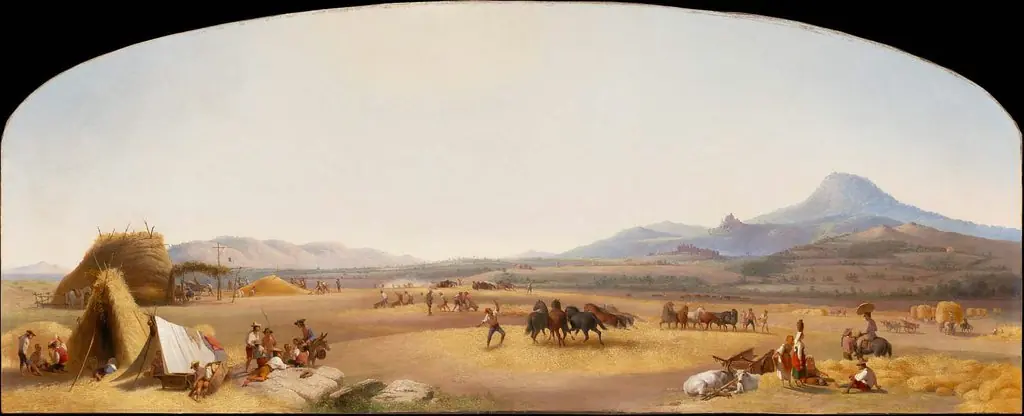
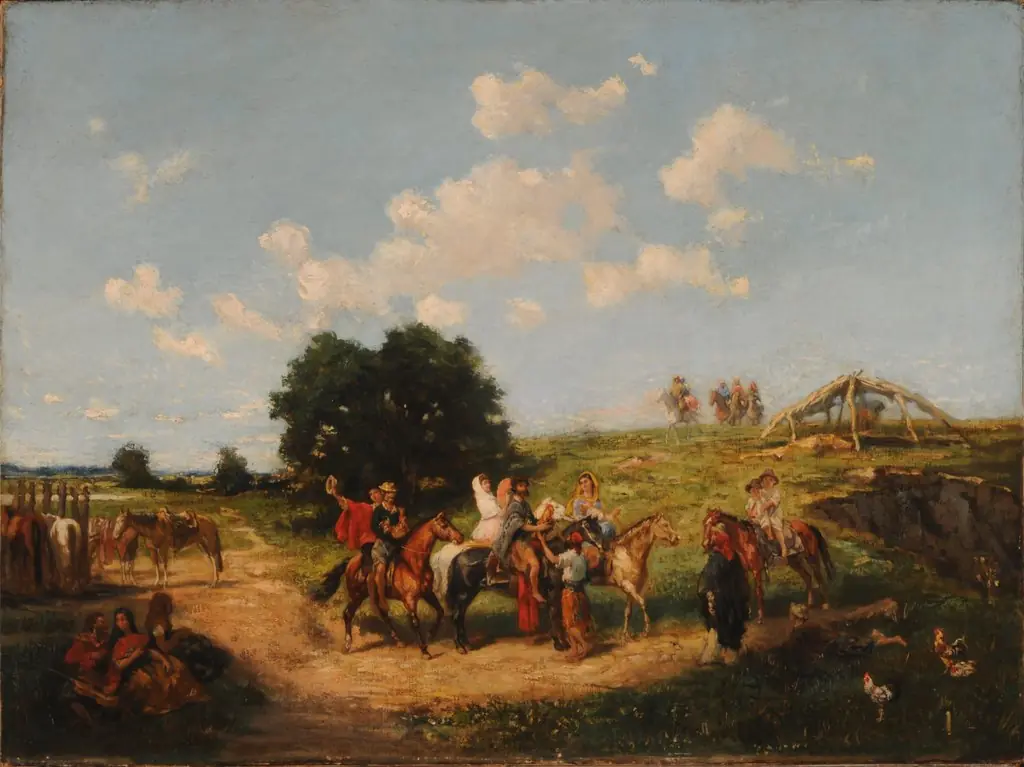
The scene depicts a group of gauchos and local figures gathered on horseback in an open field, engaged in the informal, everyday activity of a rural rodeo. No dramatic event unfolds—instead, the focus is on stillness and routine. Figures wear traditional attire, and horses of varying colors move or stand calmly. The absence of spectacle suggests a meditation on the rhythms of rural existence, grounded in authenticity rather than narrative drama.
Technique & Style
Pueyrredón employed oil paint with a restrained palette and precise brushwork to render textures of fabric, fur, and grass. The composition balances figures against a broad, open sky with soft cloud formations, creating depth without theatricality. Details like the varied coats of the horses and the subtle play of light on the green field reflect his training in European academic traditions, adapted to local subject matter with quiet precision.
History & Provenance
Completed in 1861, *El rodeo* was likely painted during Pueyrredón’s mature period, after his return to Argentina from Europe. It entered the collection of the National Museum of Fine Arts in Buenos Aires in the late 19th century, where it has remained as part of the foundational holdings of Argentine art. Its preservation reflects its early recognition as a significant record of national life.
Context
In mid-19th century Argentina, the gaucho figure symbolized national identity amid rapid modernization. Pueyrredón, himself from a prominent family, chose to portray rural life without romanticism, aligning with broader regional trends in realism. His work offered an alternative to European-dominated artistic narratives, grounding Argentine culture in its own landscapes and social practices.
Legacy
Though not widely exhibited internationally, *El rodeo* remains a touchstone in Argentine art history for its unembellished depiction of rural life. It influenced later generations of painters seeking to represent national identity through everyday scenes. The painting’s endurance in the national museum underscores its role as a quiet but enduring document of Argentina’s cultural landscape.
Artist & collection
Artist
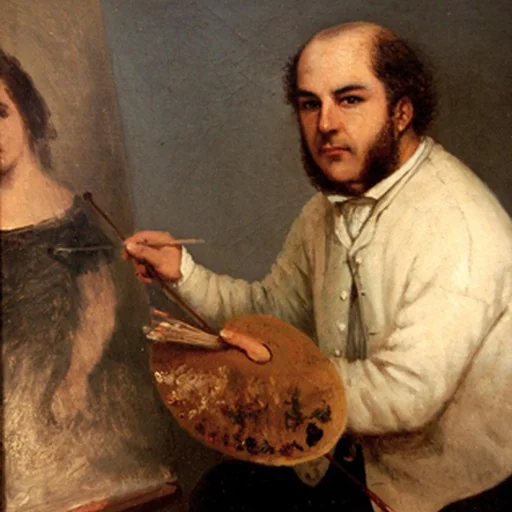
Prilidiano Pueyrredón (January 24, 1823 – November 3, 1870) was an Argentine painter, architect and engineer. One of the country's first prominent painters, he was known for his costumbrist sensibility and preference for everyday themes.

Museum
National Museum of Fine Arts, Argentina
Continue through works from the same source collection.