Artwork
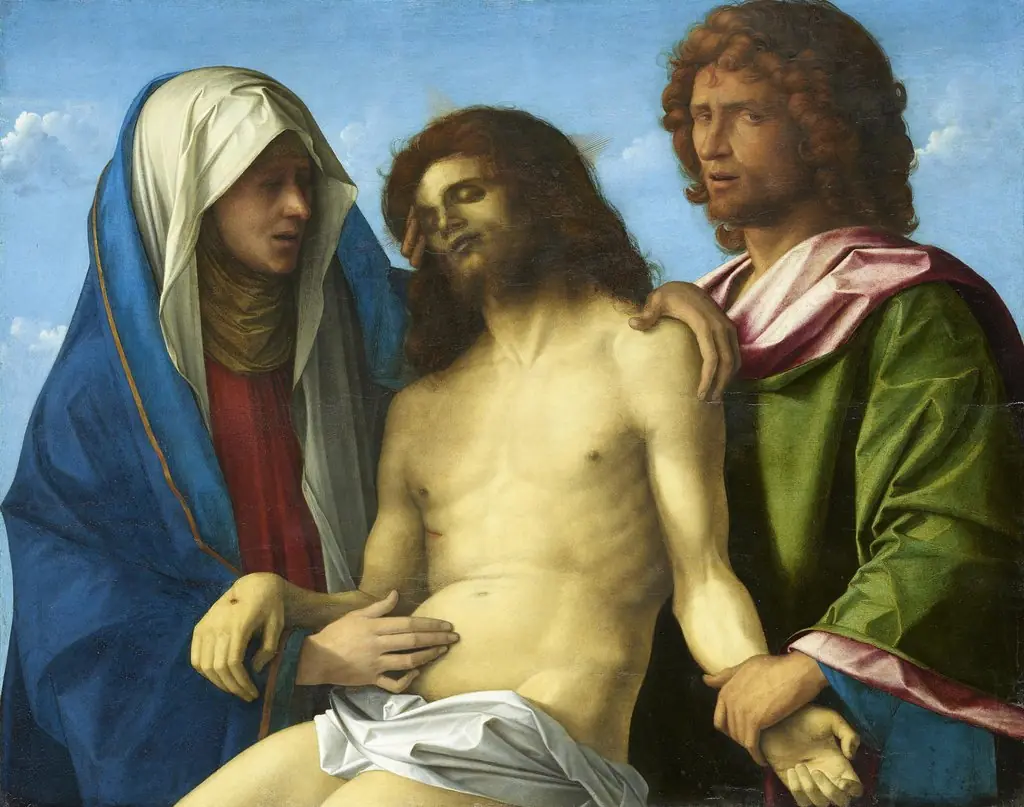
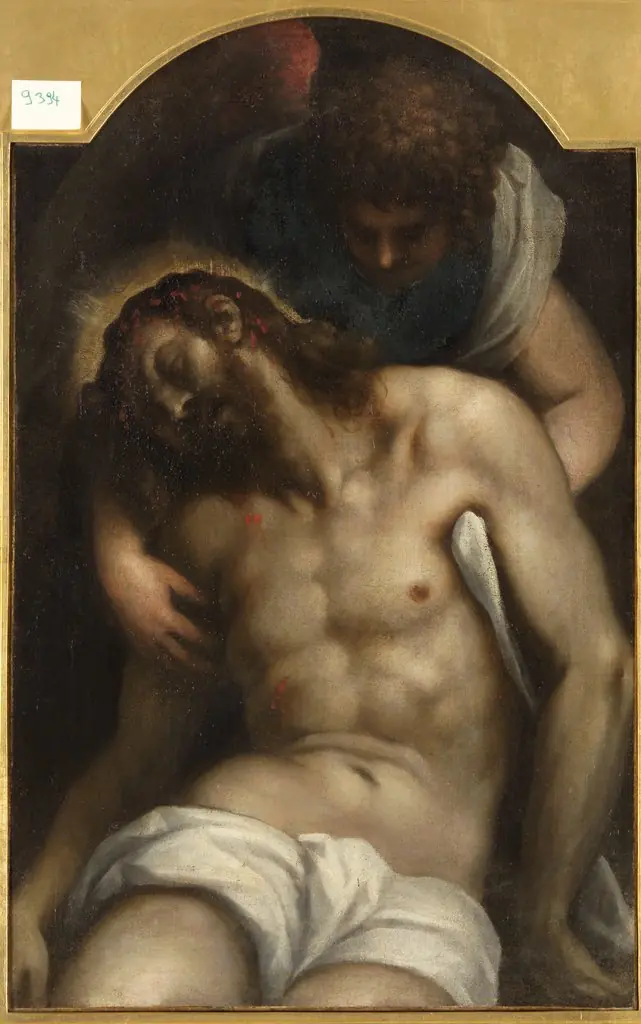
Dead Christ with Joseph of Arimathea and Nicodemus (Sepulcrum Christi)
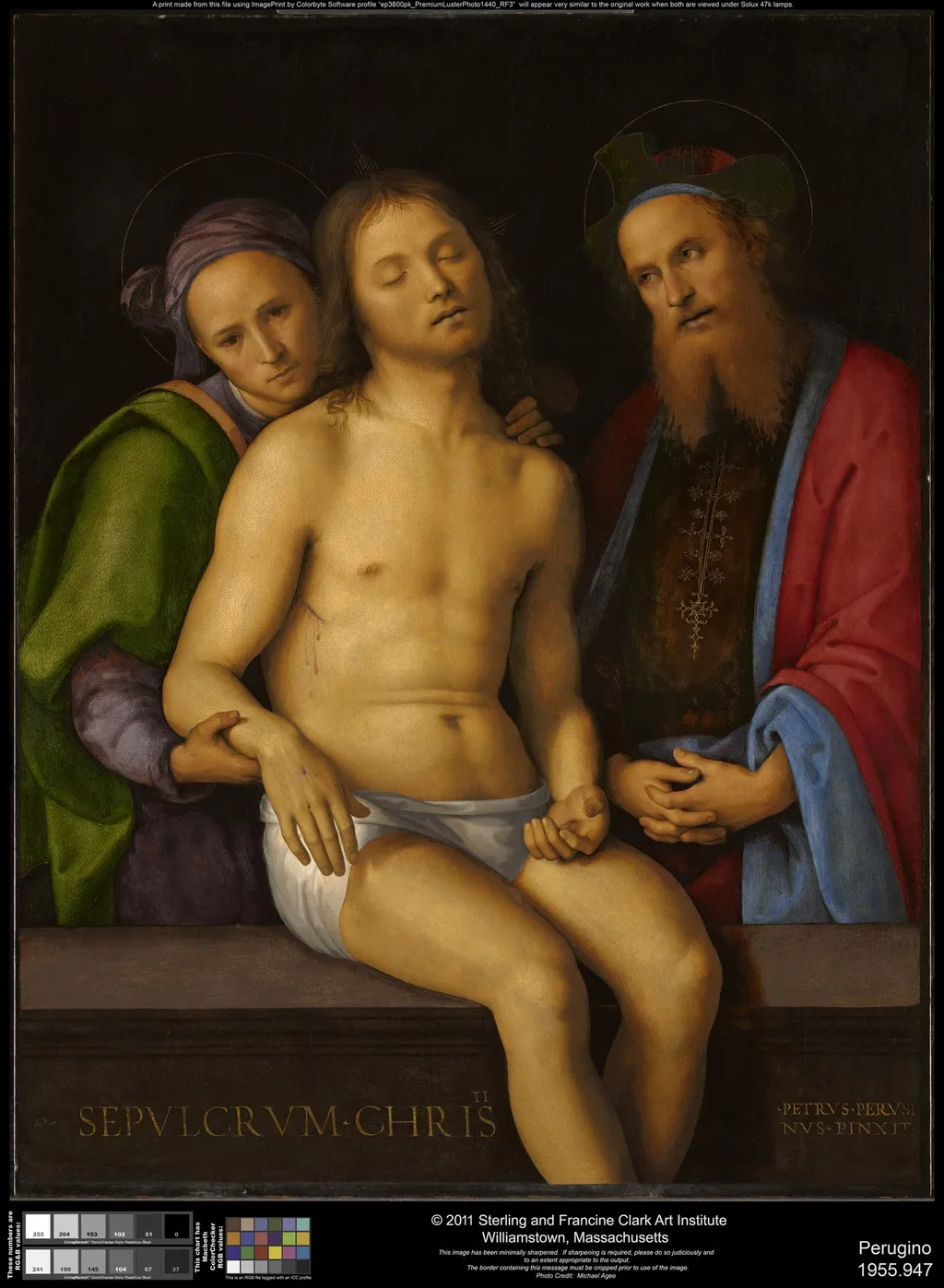
Dead Christ with Joseph of Arimathea and Nicodemus (Sepulcrum Christi) is an unspecified painting by the Early Renaissance artist Pietro Montanini. It dates from 1498 and is held in the collection of the Clark Art Institute.
About this work
Overview
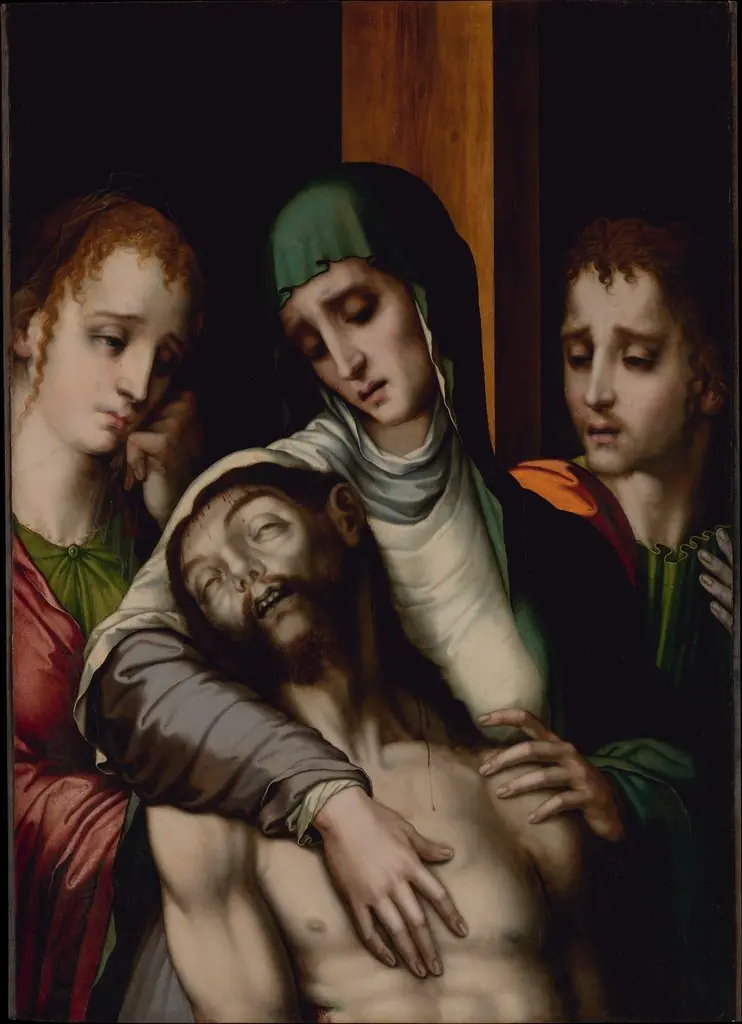
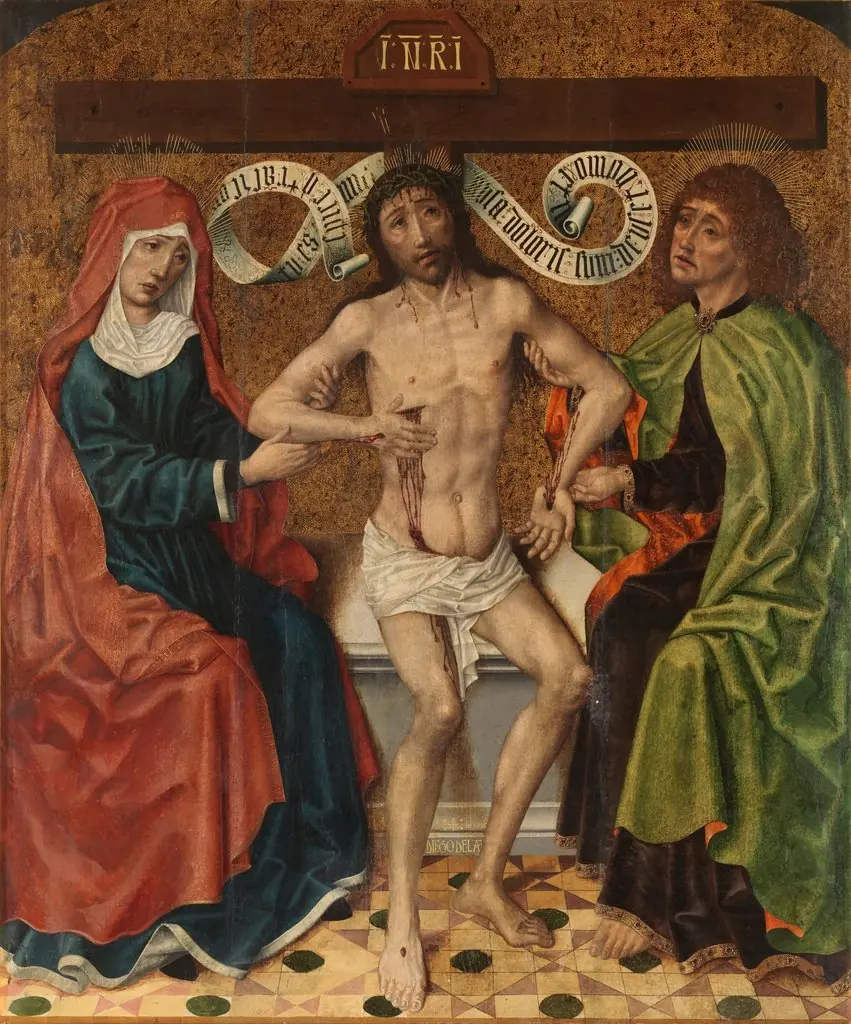
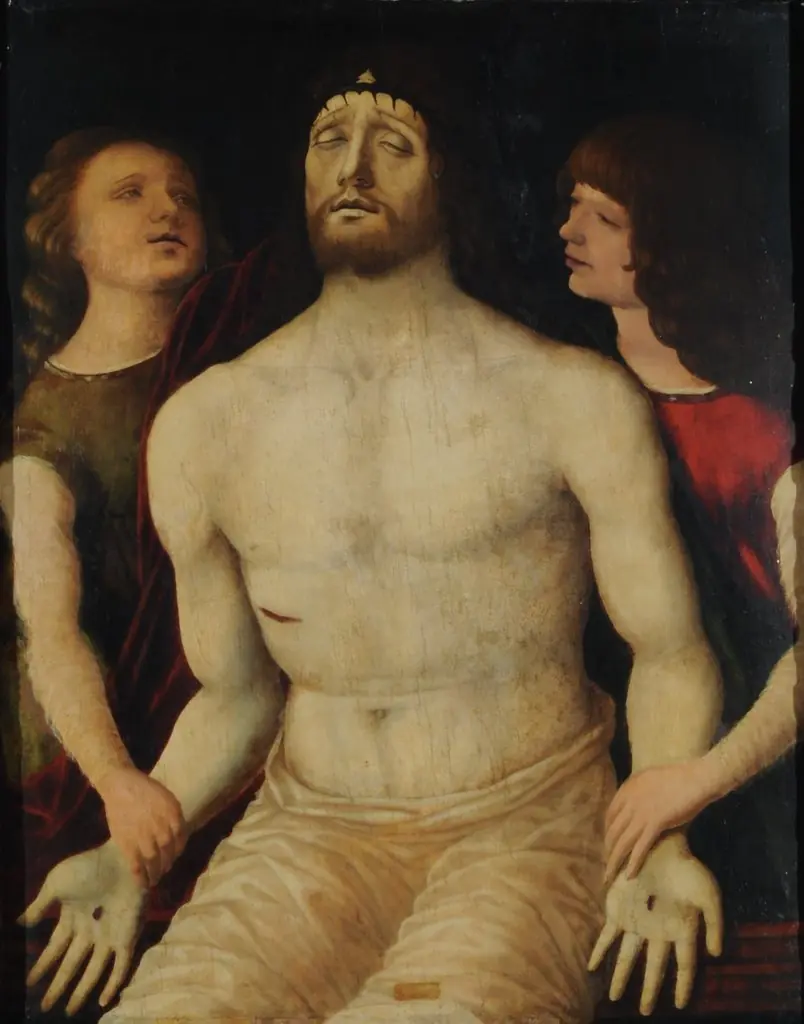
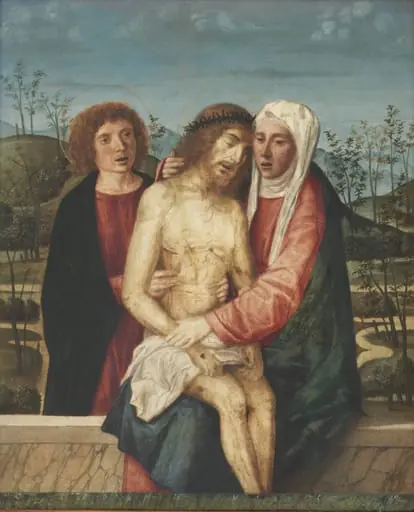
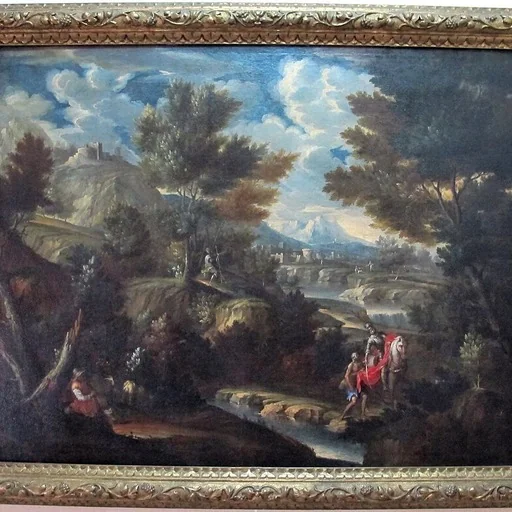
Pietro Montanini’s *Dead Christ with Joseph of Arimathea and Nicodemus* (1498) is an oil painting that presents the biblical scene of Christ’s burial. Executed during the early Renaissance period, the work is now part of the Clark Art Institute’s collection. The composition centers on the lifeless body of Christ, flanked by the two figures who, according to the Gospel, prepared his tomb.
Subject & Meaning
The painting illustrates the moment after the crucifixion when Joseph of Arimathea and Nicodemus lower Christ’s body onto a stone slab. Both men are shown with halos, indicating their sanctified status. The somber arrangement invites contemplation of sacrifice and redemption, themes central to Christian devotional art.
Technique & Style
Set against a deep, dark background, the figures emerge through stark contrasts of light and shadow, a chiaroscuro effect that heightens the drama of the scene. Montanini employs a limited palette of rich reds, blues, greens, and purples for the attendants, while Christ’s pallid form is rendered in muted tones, emphasizing his vulnerability.
History & Provenance
Born in Perugia, Montanini trained with Ciro Ferri and Salvator Rosa before establishing his own workshop. Although primarily known for later Baroque works, this early painting dates to 1498, reflecting his formative period. It entered the Clark Art Institute’s holdings through acquisition in the 20th century, where it remains on display.
Context
Depicting the burial of Christ was a frequent motif in Renaissance and post‑Renaissance art, serving both liturgical and instructional purposes. Montanini’s version aligns with contemporary conventions—three figures, a stone slab, and a darkened setting—while also reflecting the influence of his mentors’ dramatic lighting techniques.
Artist & collection
Artist
Pietro Montanini (1619–1689), also called Petruccio Perugino, was an Italian painter of the Baroque period.