Artwork
Prague Cathedral
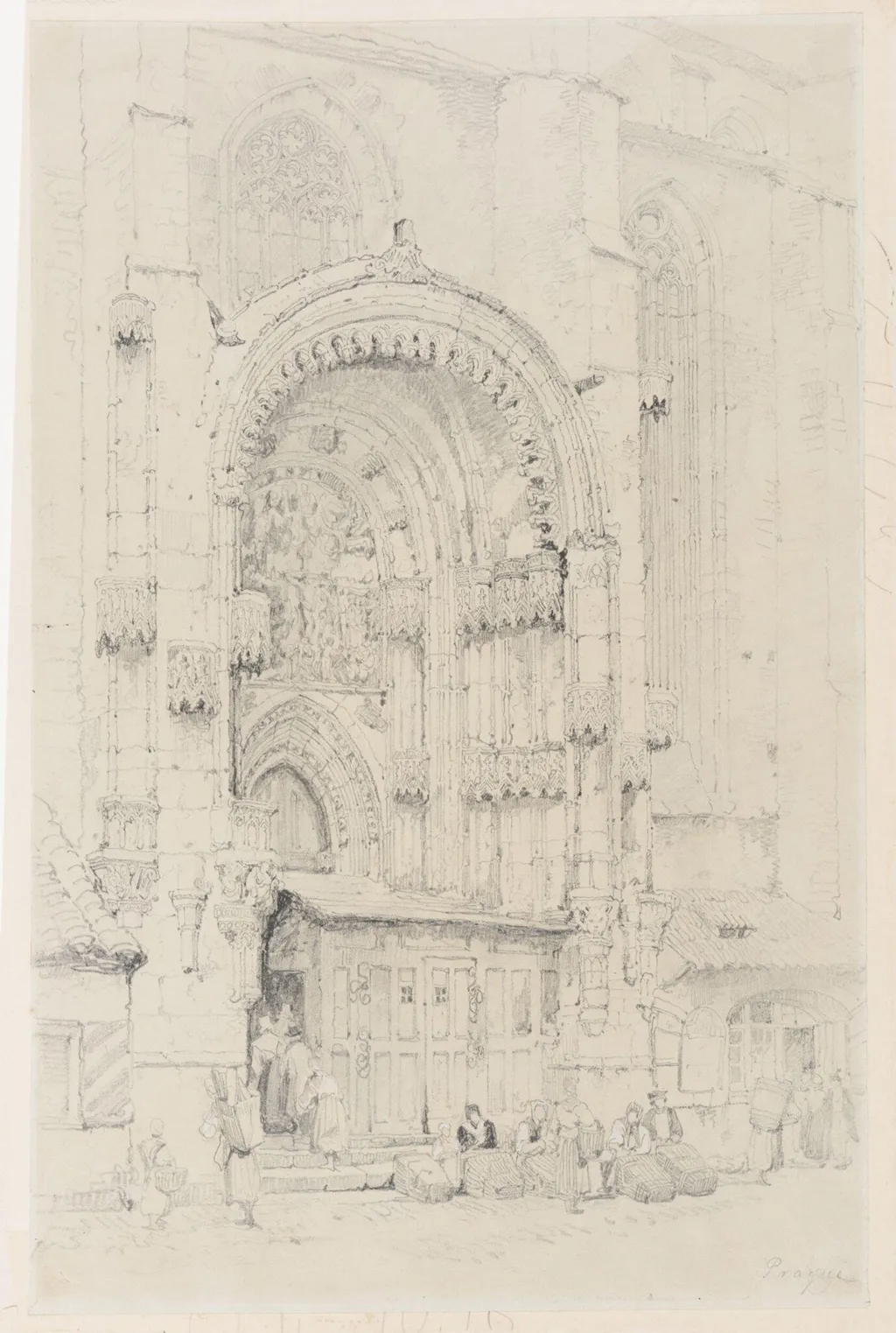
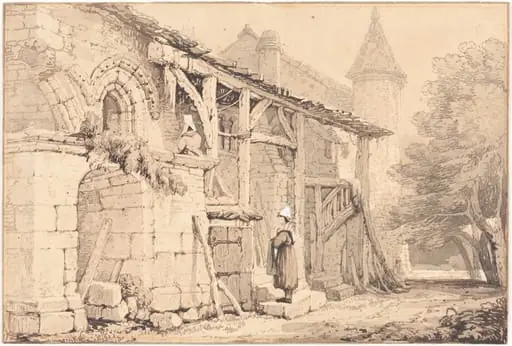
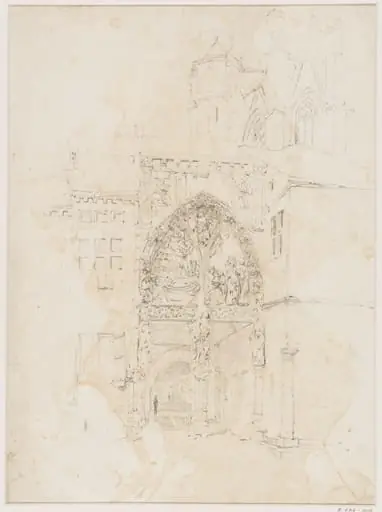
Prague Cathedral is a drawing by the Romanticist artist Samuel Prout. It dates from 1783 and is held in the collection of the Victoria and Albert Museum.
About this work
Overview
Prague Cathedral is a drawing created in 1783 by Samuel Prout, a British watercolourist renowned for his detailed architectural renderings of European cities.
Subject & Meaning
The drawing focuses on a grand stone church doorway, highlighting intricate carvings on the arch and capturing everyday life around a smaller interior door, where people are seated or standing.
Technique & Style
Characterized by sharp lines and an emphasis on the heaviness of the stone structure, the work exemplifies the meticulous, realistic approach common among 19th-century artists depicting actual locations, likely employing techniques such as cross-hatching.
History & Provenance
Created in 1783, the drawing predates Prout's royal appointments as Painter in Water-Colours to King George IV and Queen Victoria, reflecting his early specialization in picturesque urban vistas.
Context
Part of a broader 19th-century artistic trend, the piece aligns with the era's fascination with documenting historic architecture through precise, atmospheric drawings.
Legacy
As part of Prout's oeuvre, Prague Cathedral contributes to the artist's legacy of promoting European architectural heritage through meticulous watercolour and drawing techniques.
Artist & collection
Artist
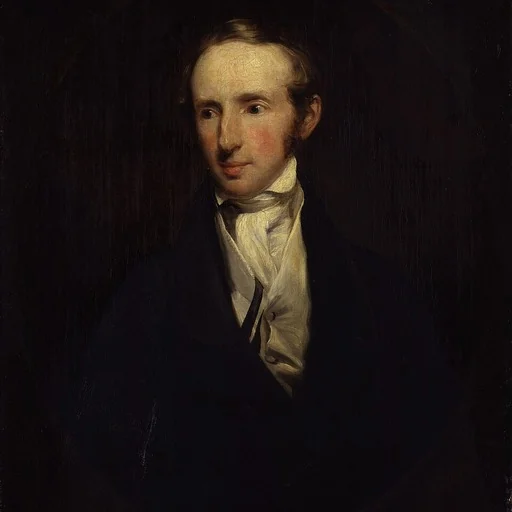
Samuel Prout (; 17 September 1783 – 10 February 1852) was a British watercolourist, and one of the masters of watercolour architectural painting, who largely invented the genre of the grand steet scene in British…

 Church of St. Maternus at Huy
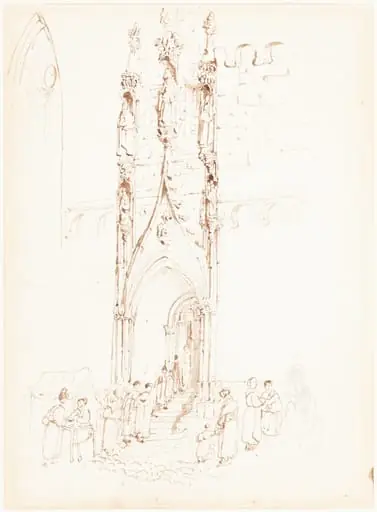 A Gothic Arch
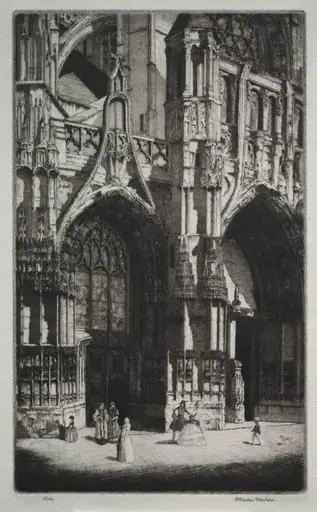 Nôtre Dame de Caudebec, France
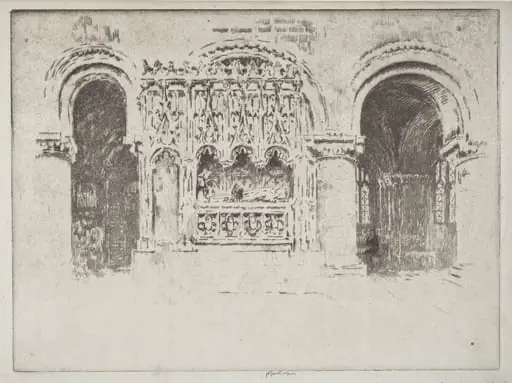 The Founder's Tomb, Church of Saint Bartholomew the Great
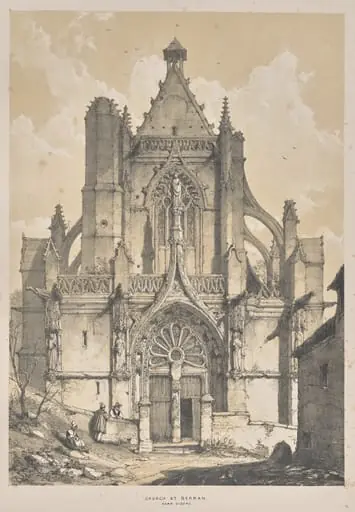 Architecture of the Middle Ages: Church at Serran, near Gisore
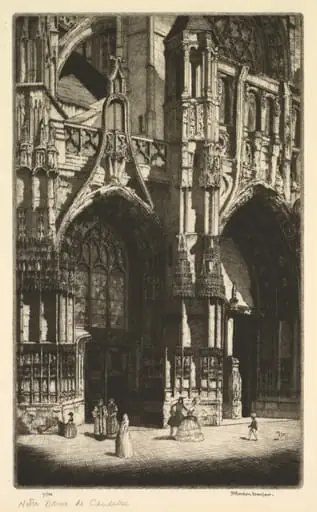 Notre Dame de Caudebec
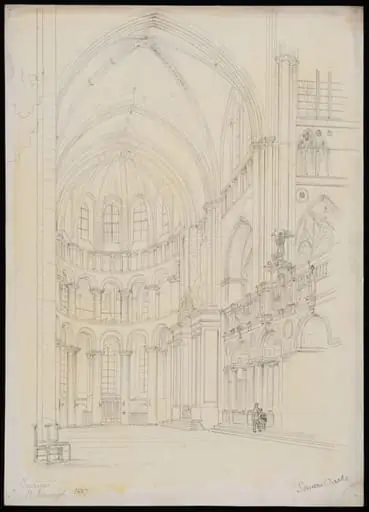 Interior of N. Transept, Tournai Cathedral
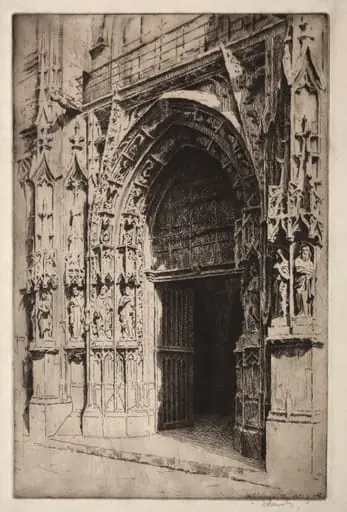 Portrail Central, Eglise St. Merri, Paris
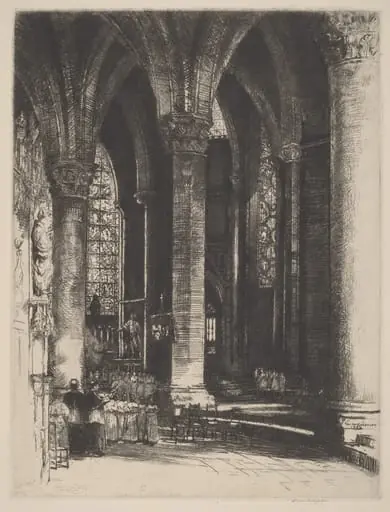 Interior of Chartres
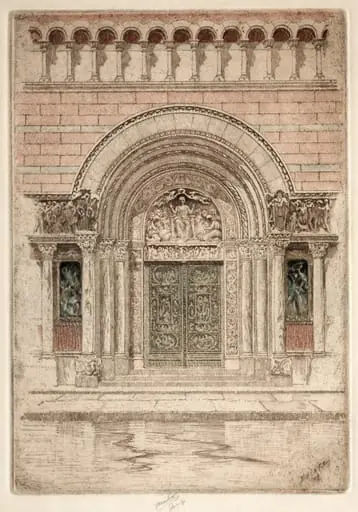 Door of St. Bartholomew