Artwork
The Wapping Landlady
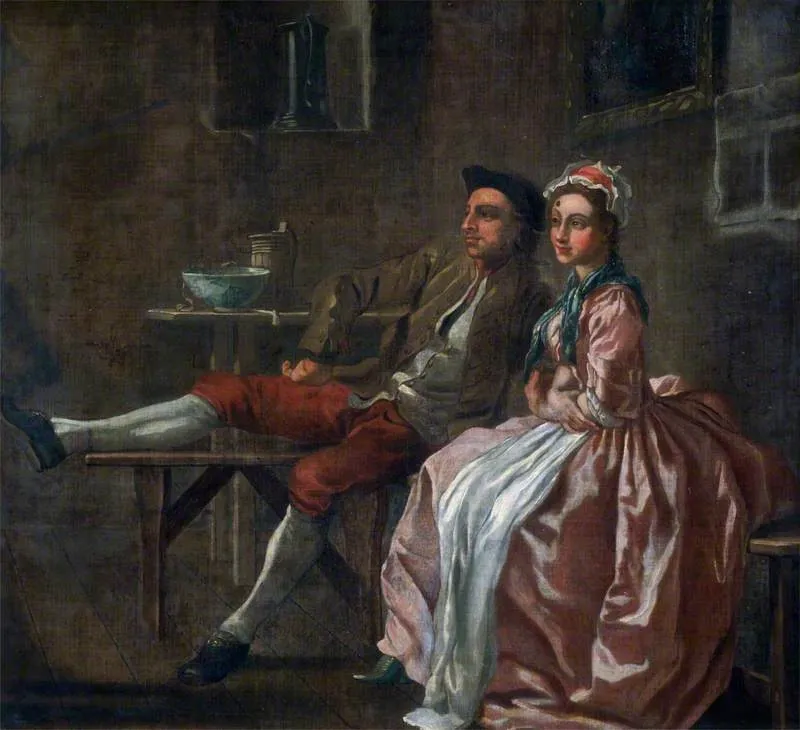
The Wapping Landlady is an oil painting by Francis Hayman. It dates from 1752 and is held in the collection of the Victoria and Albert Museum.
About this work
Overview
Painted around 1752 by Francis Hayman, The Wapping Landlady is an oil-on-canvas genre scene depicting a quiet domestic moment. It resides in the Victoria and Albert Museum’s collection and exemplifies 18th-century British painting’s interest in everyday life. The composition centers on two figures in a modest interior, rendered with careful attention to texture and spatial depth.
Subject & Meaning
The man, dressed in a brown jacket and red trousers, leans back casually; the woman, in a pink dress and white apron, observes him with quiet attention.
The painting portrays a man and woman seated together in a dimly lit room, their postures suggesting familiarity or intimacy. The man, dressed in a brown jacket and red trousers, leans back casually; the woman, in a pink dress and white apron, observes him with quiet attention. Their attire and setting imply lower-middle-class status, possibly a landlord and tenant or married couple in a riverside lodging house, evoking themes of domestic routine and social observation.
Technique & Style
Hayman employs a restrained palette and naturalistic lighting to ground the scene in realism. The stone walls, wooden bench, and ceramic vessels are rendered with tactile precision, while the folds of fabric and the play of light on surfaces demonstrate his skill in capturing material detail. The composition is tightly framed, focusing attention on the figures’ interaction without theatrical embellishment.
History & Provenance
The painting entered the Victoria and Albert Museum’s collection in the 19th century, likely through the South Kensington Museum’s early acquisitions of British art. Its provenance before that is undocumented, but its subject matter aligns with Hayman’s known interest in genre scenes and portraiture of ordinary people, a trend gaining traction in mid-18th-century England.
Context
Created during a period when British art was moving away from grand historical narratives toward scenes of daily life, The Wapping Landlady reflects the rising popularity of genre painting among the middle class. Hayman, a founding member of the Royal Academy, contributed to this shift by portraying recognizable social types in unidealized settings, often near London’s riverfront districts.
Legacy
Though not widely exhibited today, the work remains a representative example of early British genre painting. It illustrates how artists like Hayman helped shape a visual language for middle-class identity, emphasizing quiet dignity in ordinary moments. Its preservation in a major museum underscores its role in documenting 18th-century social customs and domestic interiors.
Artist & collection
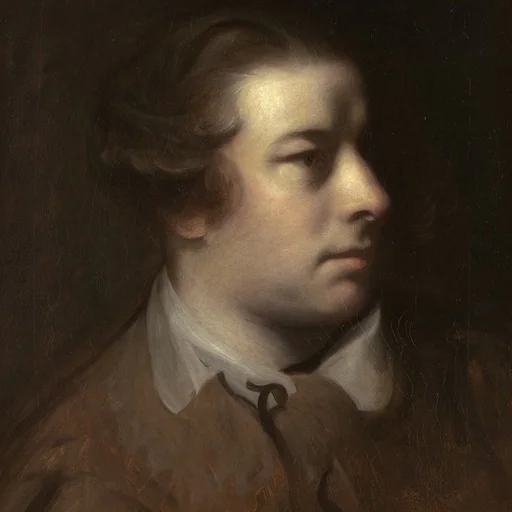
Artist
Francis Hayman (1708 – 2 February 1776) was an English painter and illustrator who became one of the founding members of the Royal Academy in 1768, and later its first librarian.

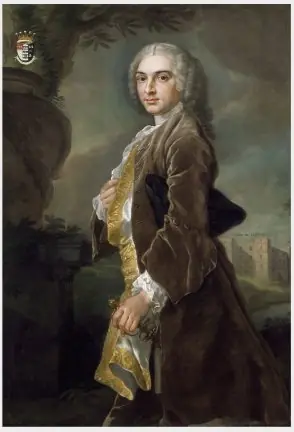 Portrait of John Percival, later 2nd Earl of Egmont (1711-1770)
 Josef erzählt seine Träume
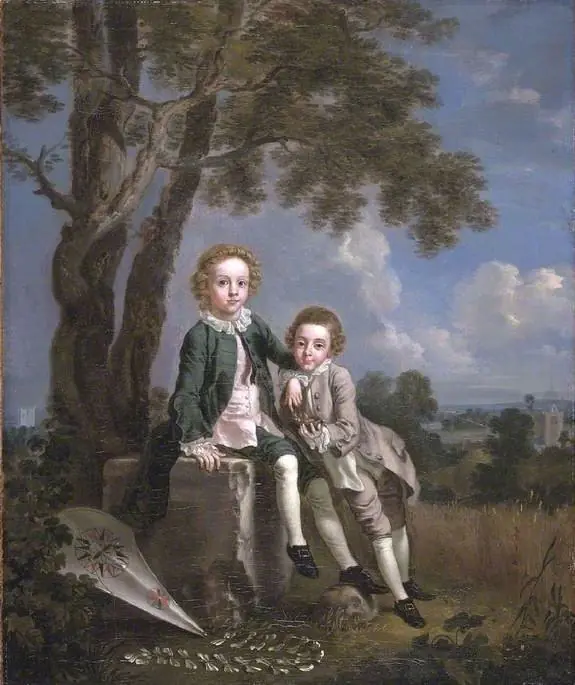 The Masters Martin Atkin
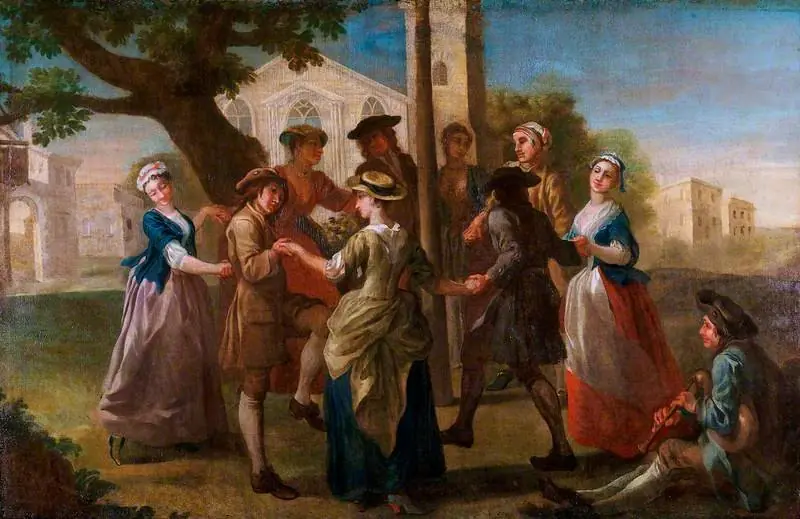 Country Dances round a Maypole (decorative painting for a supper-box at Vauxhall Gardens, London)
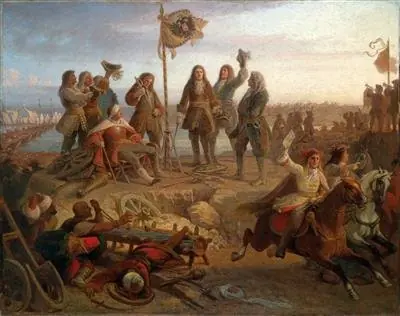 Prince Eugene Sends the Emperor News of the Victory at Zenta after the Battle of Zenta
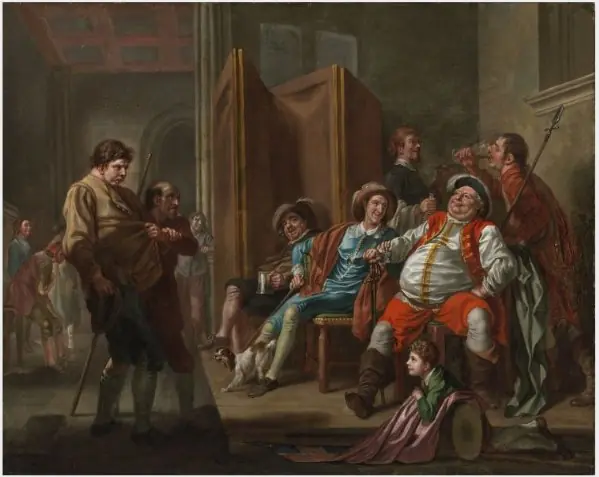 Falstaff Recruits from Shakespeare's 'Henry IV', Part II, Act III
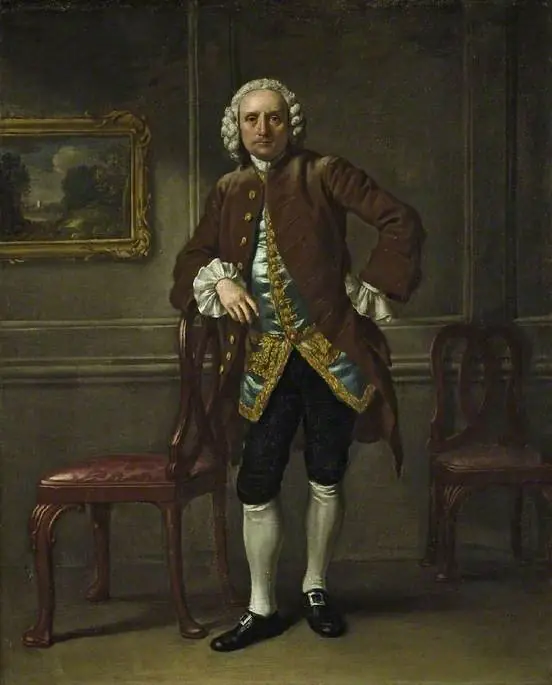 George Dance
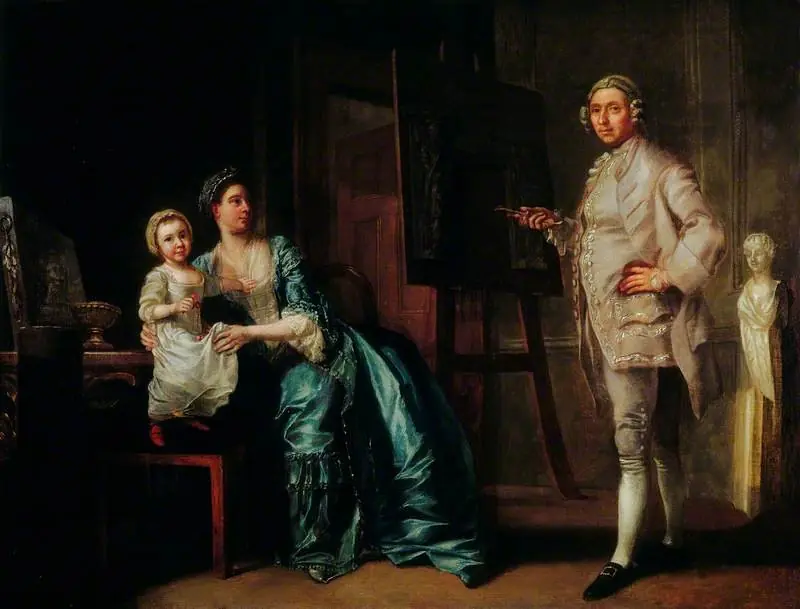 The Sculptor Joseph Wilton (1722–1803), with His Wife and Daughter
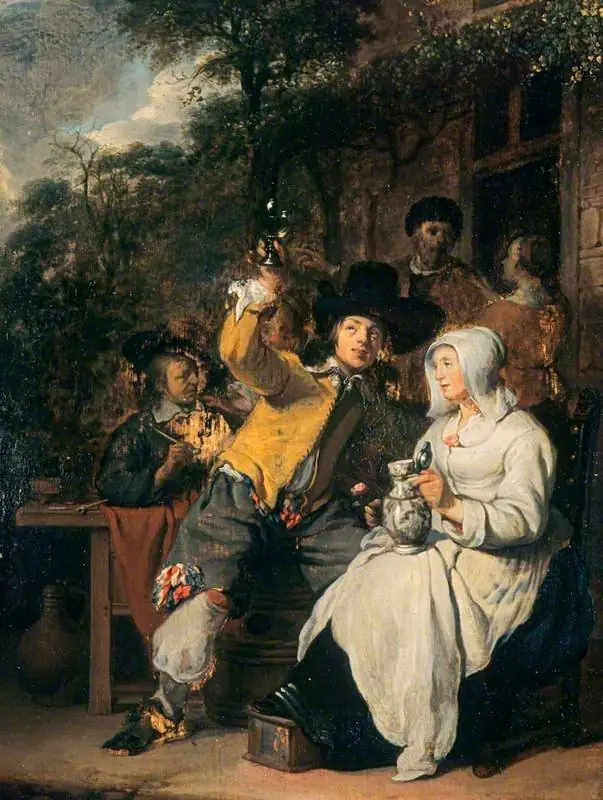 The Toast
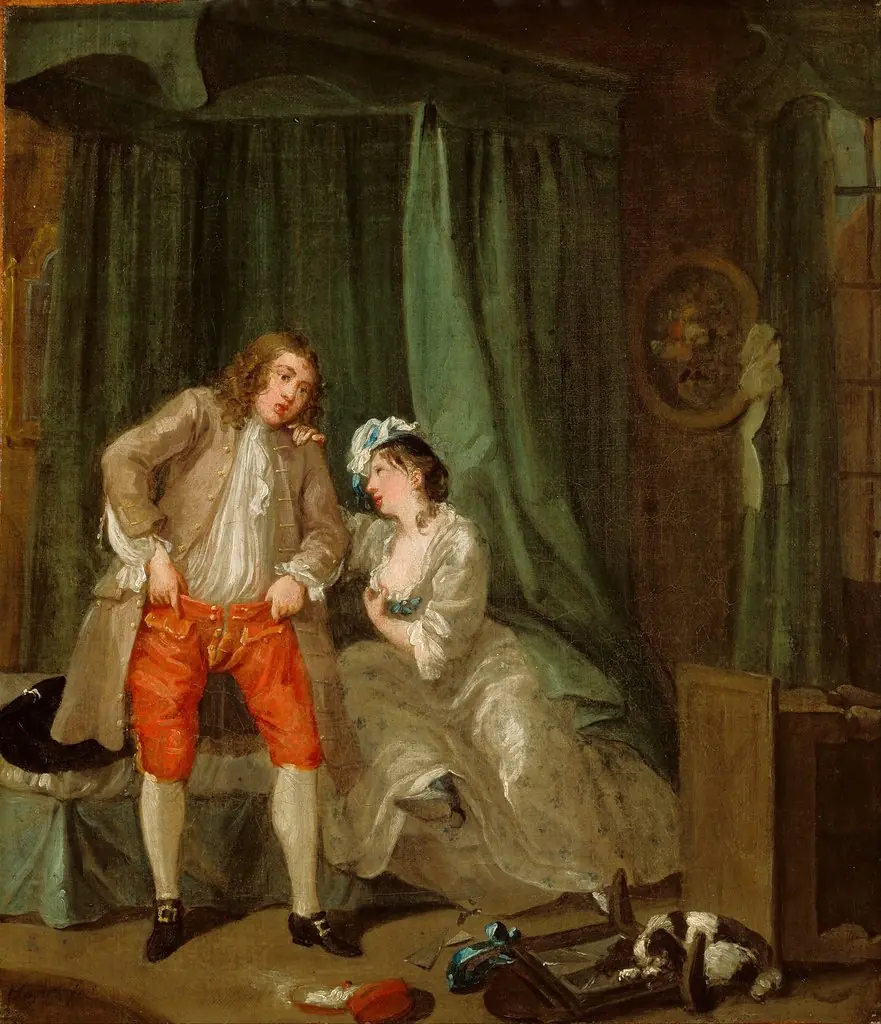 After
After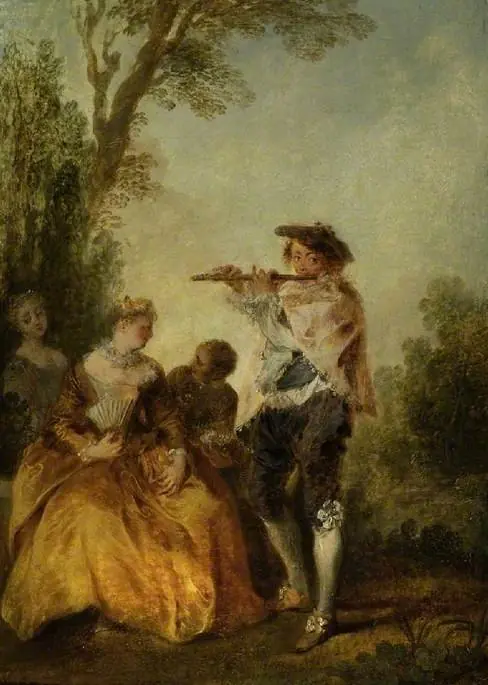 Par une tendre chansonette...
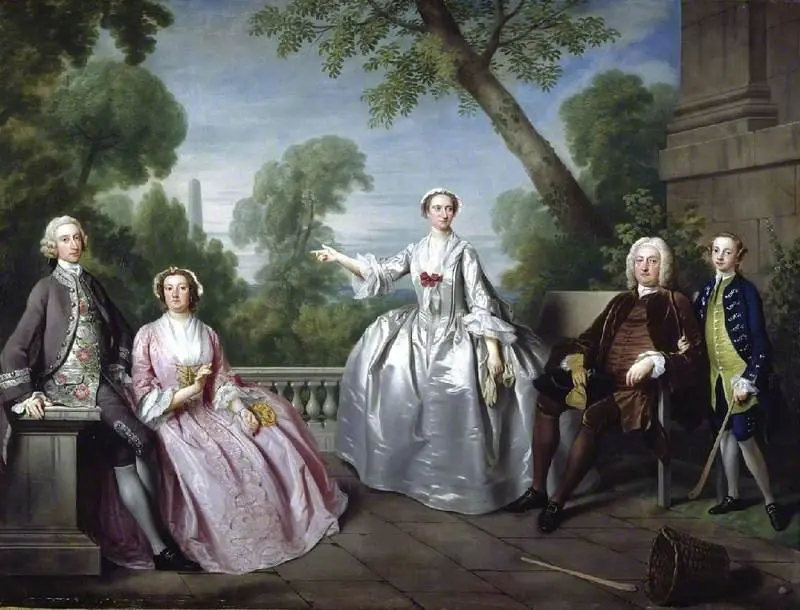 The Andrews Family
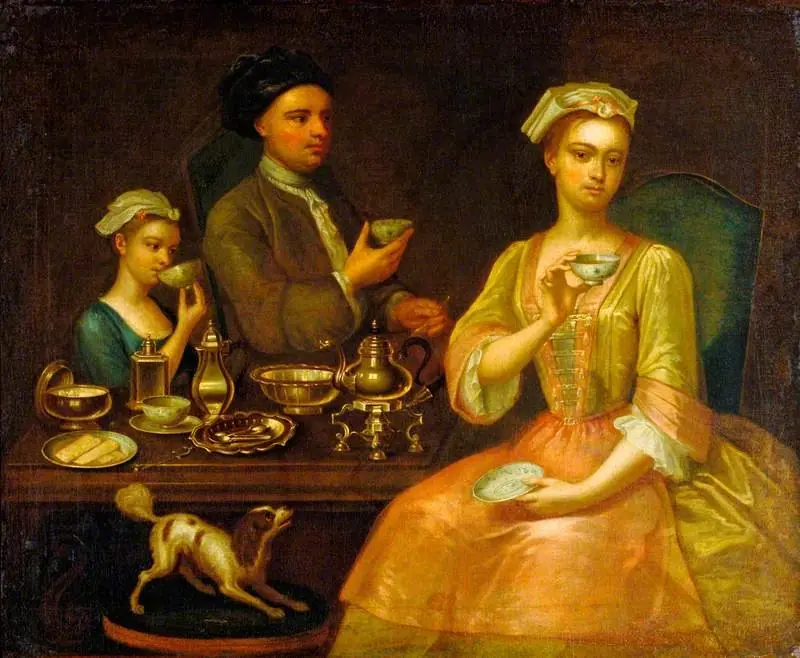 A Family of Three at Tea
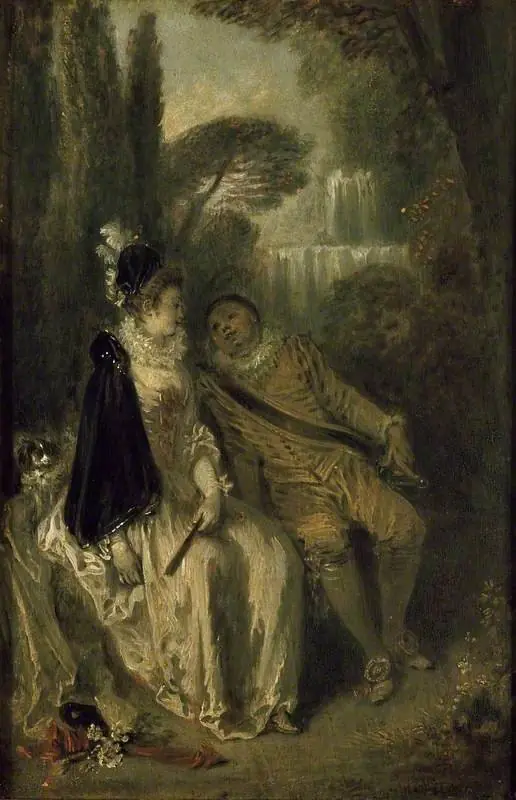 Le Repos Gracieux (The Graceful Rest)
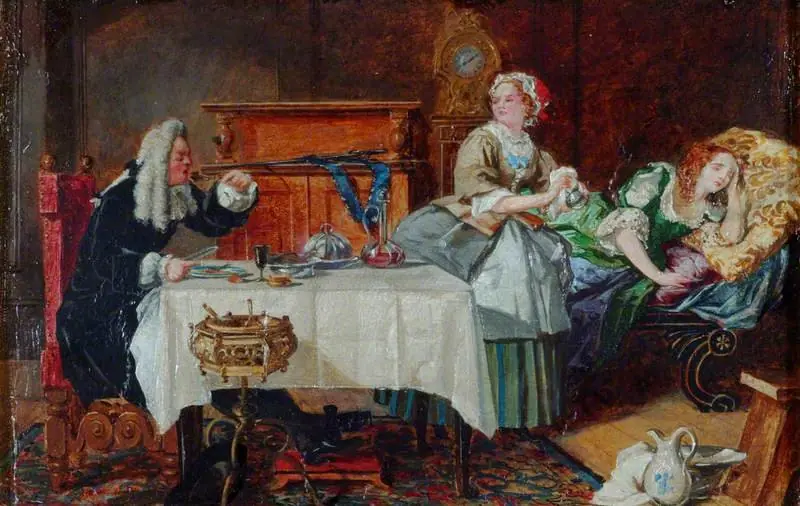 Scene from Molière's 'Le Tartuffe'
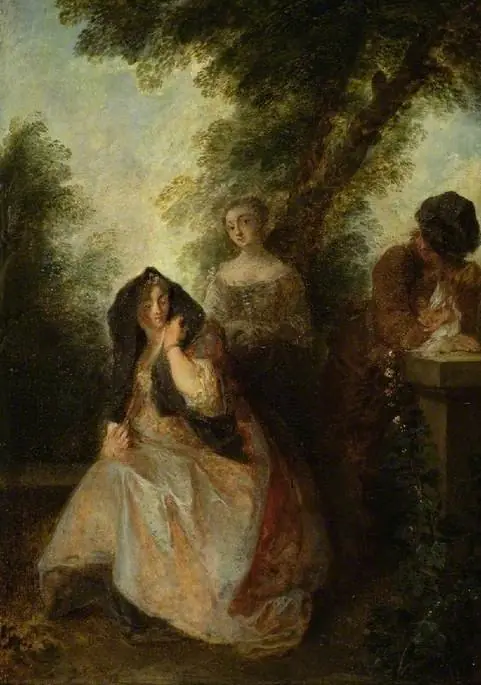 'Dans cette aimable solitude...'
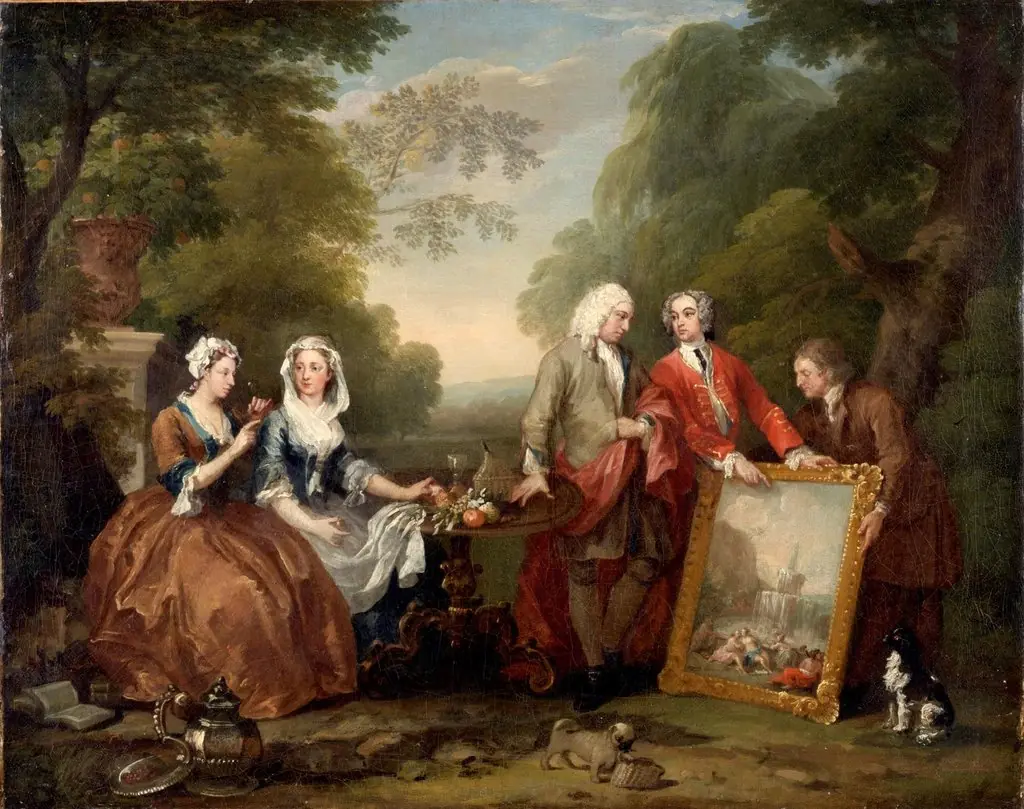 Conversation Piece (Portrait of Sir Andrew Fountaine with Other Men and Women)
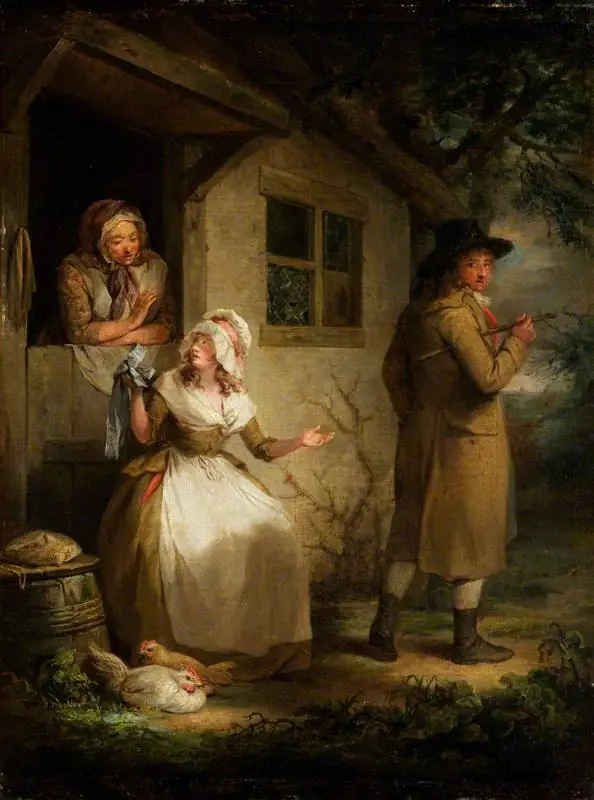 Johnny Going to the Fair
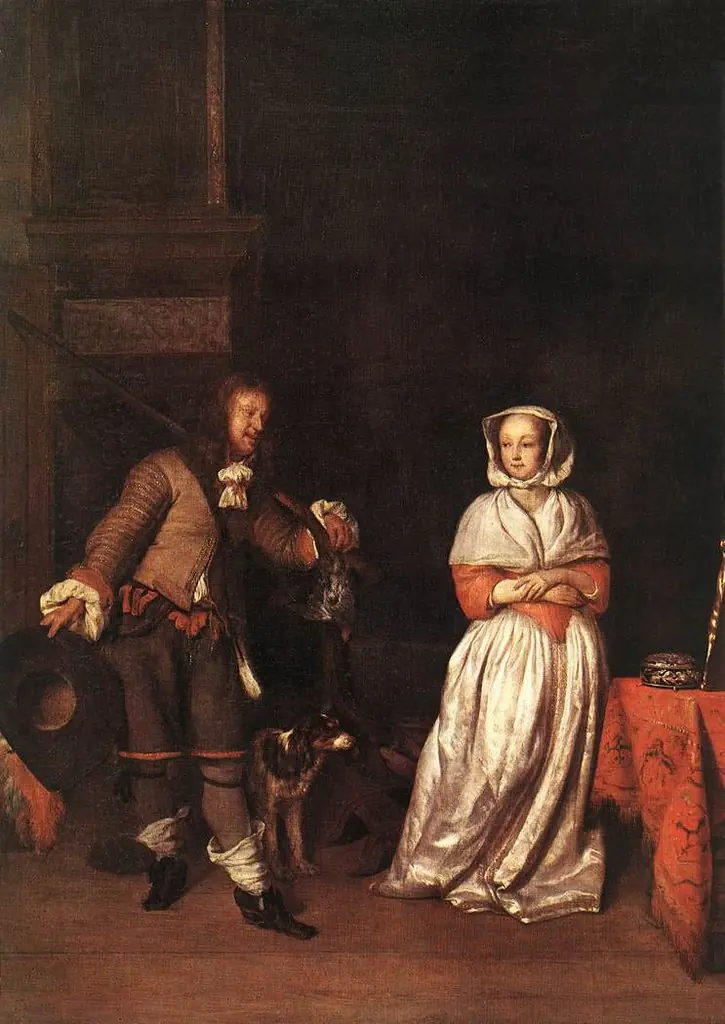 The Hunter and a Woman