Artwork
Portrait of Isaac Newton
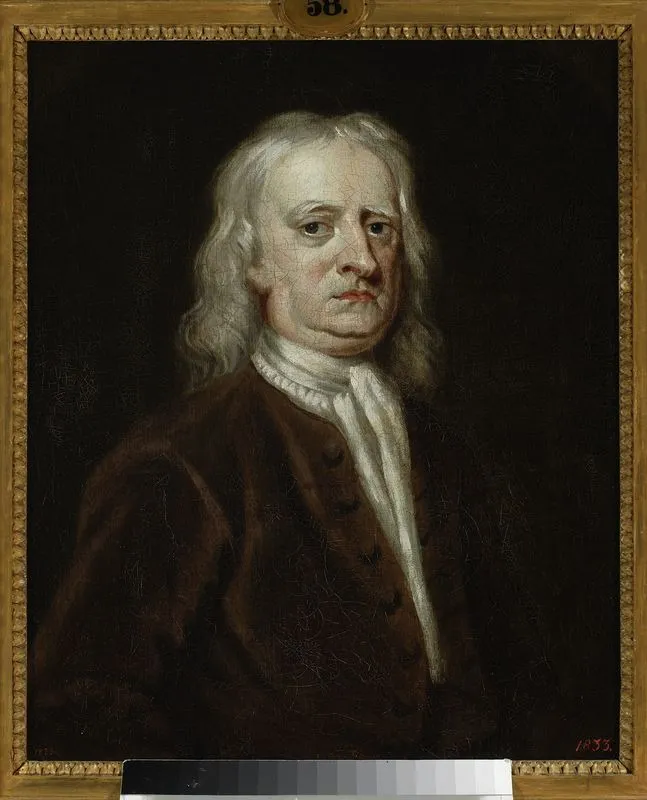
Portrait of Isaac Newton is an oil painting by the British Romanticist artist John Vanderbank. It is held in the collection of the National Museum in Warsaw.
About this work
Overview
John Vanderbank’s oil painting, titled Portrait of Isaac Newton, dates to 1800 and is part of the collection at the National Museum in Warsaw. The work presents a solitary figure, rendered against a dark backdrop, and is identified as a likeness of the famed scientist Isaac Newton.
Subject & Meaning
The sitter is portrayed as an elderly man with flowing white hair, wearing a brown coat with a white collar. The composition emphasizes his dignified bearing, suggesting reverence for Newton’s intellectual legacy, while the blurred facial features lend an air of abstraction to his identity.
Technique & Style
Executed in oil on canvas, the portrait employs a stark black background that isolates the figure. The brushwork is relatively smooth, especially in the rendering of the hair and clothing, though the facial details are softened, creating a subtle contrast between clarity and obscurity.
History & Provenance
Since its creation, the painting has remained in institutional hands, eventually entering the holdings of Warsaw’s National Museum. The work’s provenance prior to its museum acquisition is not extensively documented, but its presence in a major European collection underscores its recognized cultural value.
Context
Vanderbank, an English portraitist active in the early eighteenth century, was known for his depictions of notable figures. This portrait aligns with the period’s tradition of commemorating scientific pioneers through formal portraiture, situating Newton among the era’s celebrated intellectuals.
Artist & collection
Artist
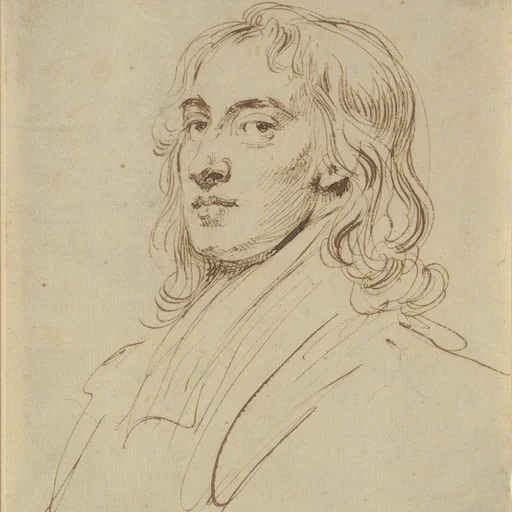
John Vanderbank (9 September 1694 – 23 December 1739) was an English painter who enjoyed a high reputation during the last decade of George I's reign and remained in high fashion in the first decade of George II's reign.

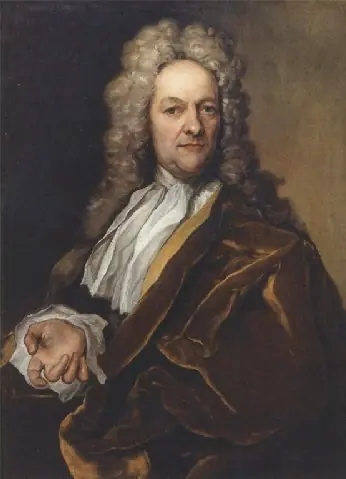 Portrait of a Man
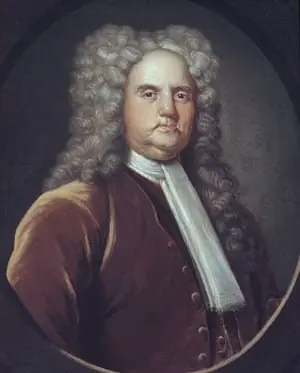 Nathaniel Byfield
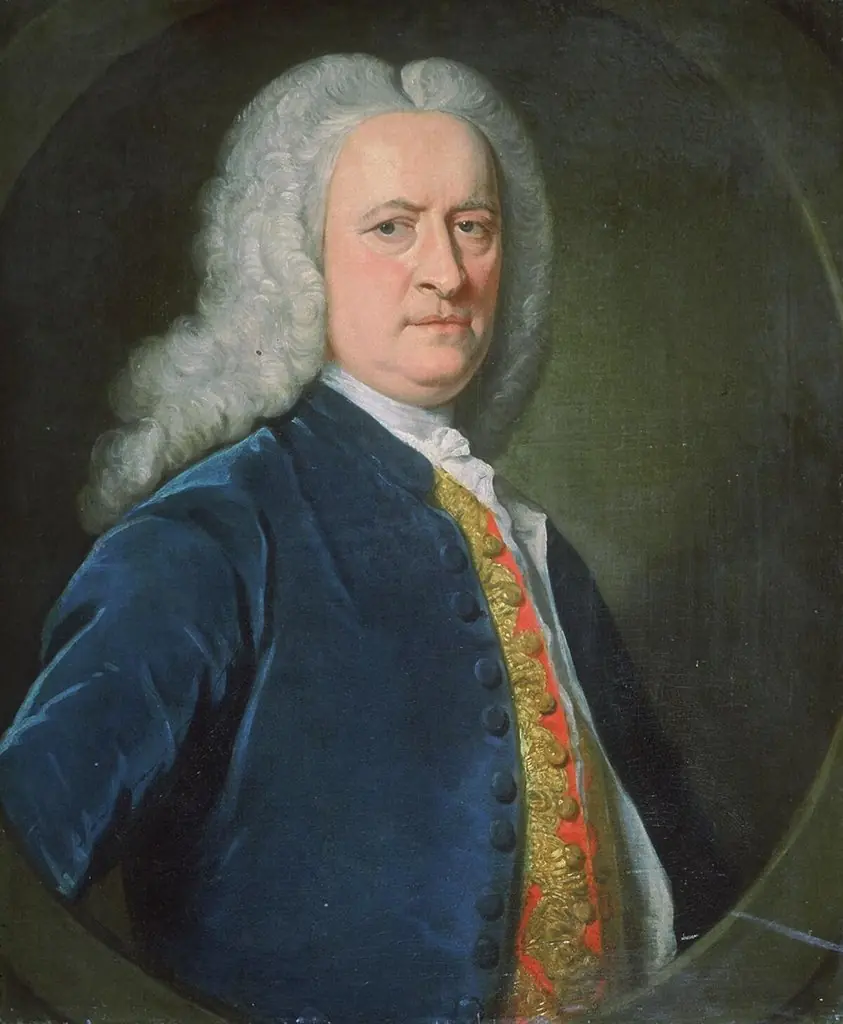 Portrait of a man
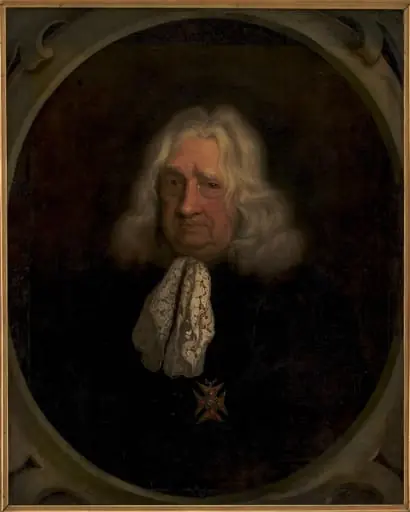 Jean Baptiste Tavernier
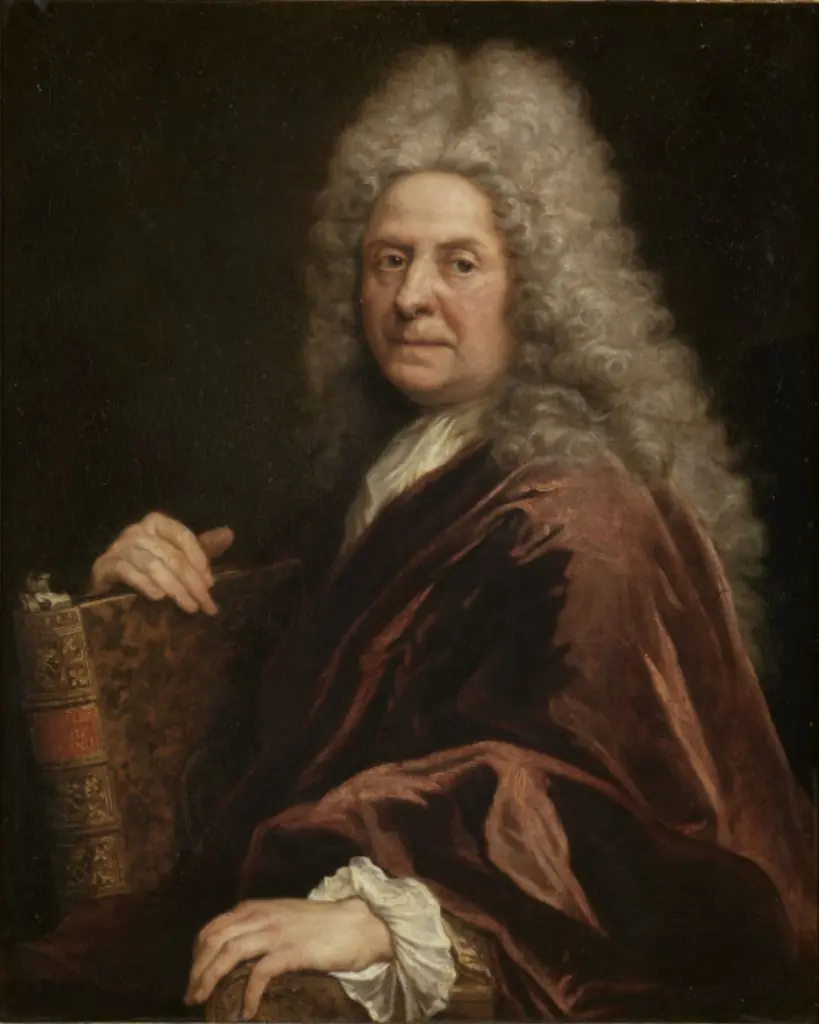 Self portrait of Antoine Coypel, Ecuyer Premier Peintre du Roy (1661-1722)
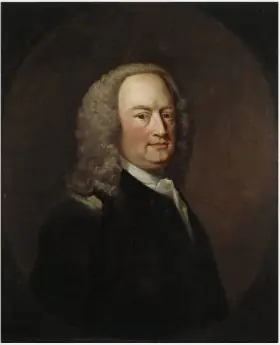 Portrait of Francis Hutcheson (1694-1746)
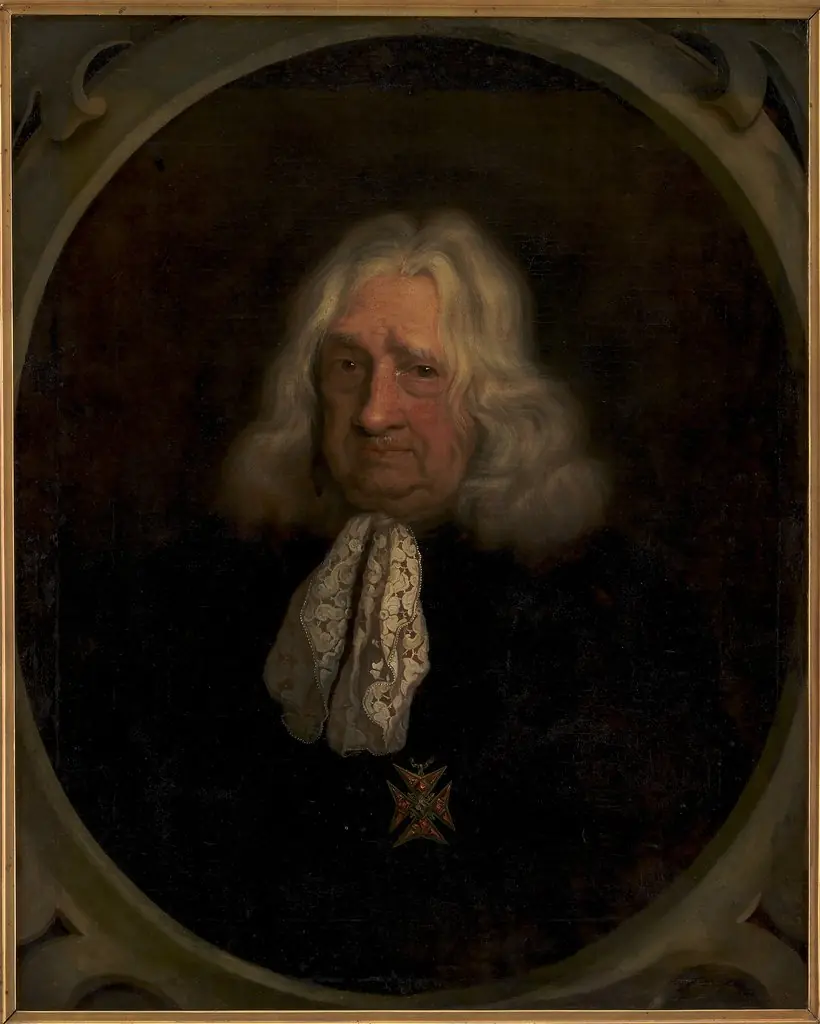 Jean Baptiste Tavernir
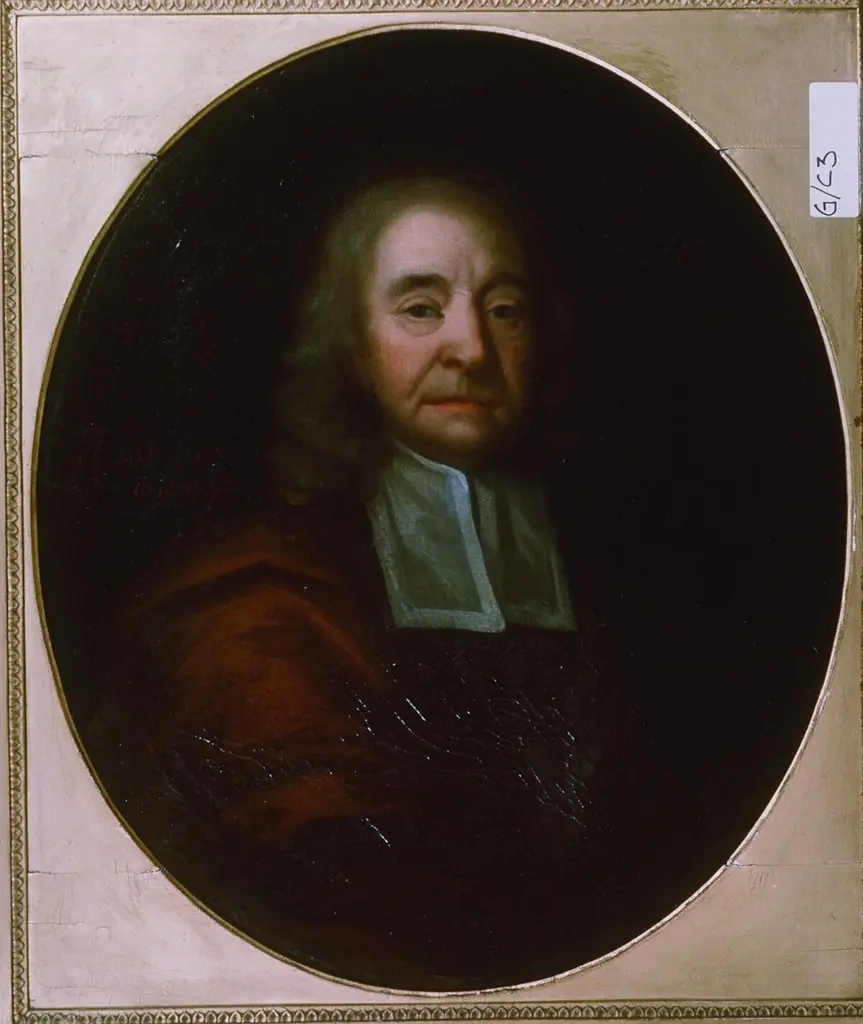 Portrait of a cleric
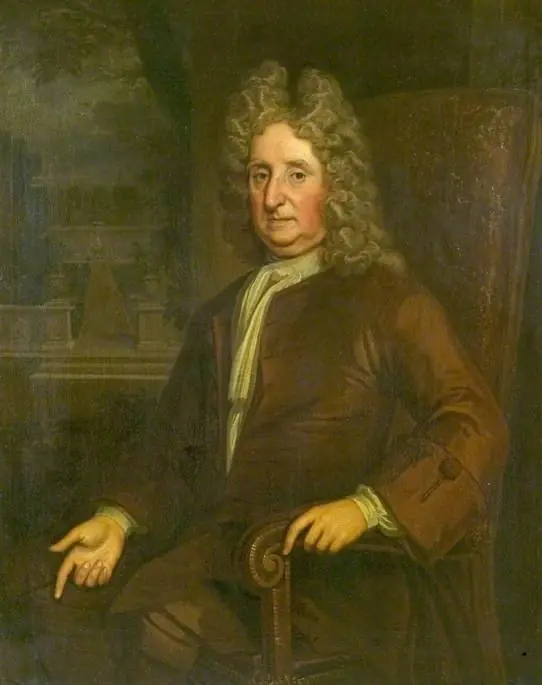 Isaac Borrow, Recorder of Derby
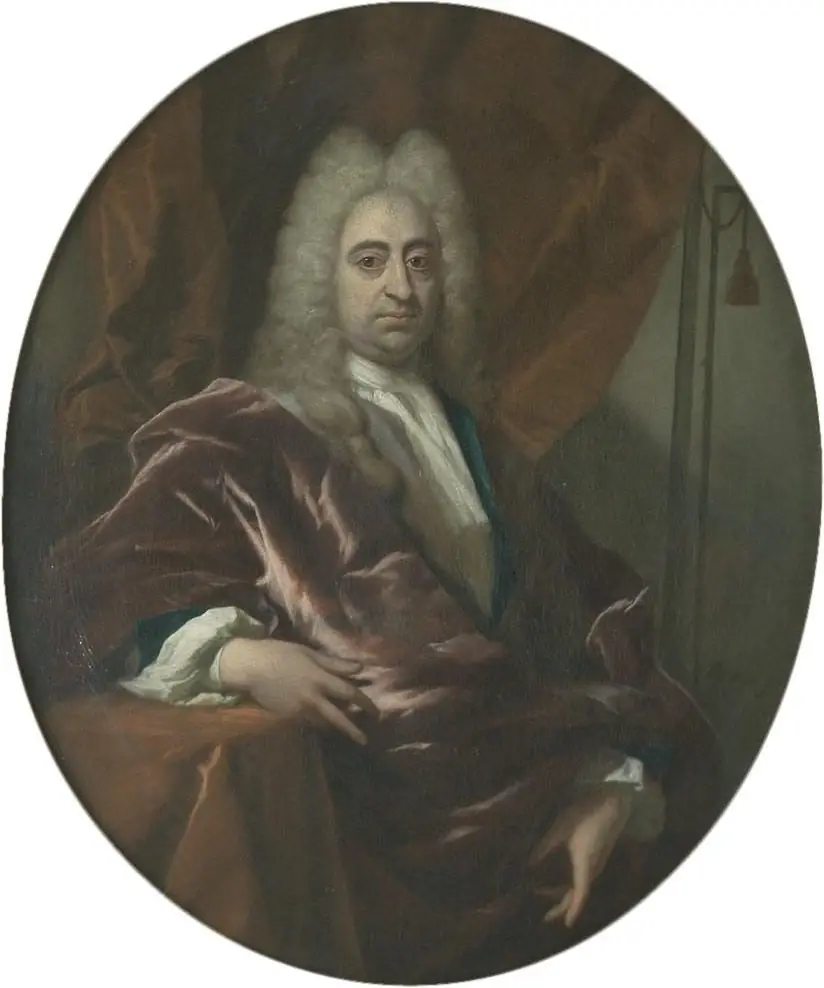 Portrait of Mathias Lambertus Singendonck (1648-1742)
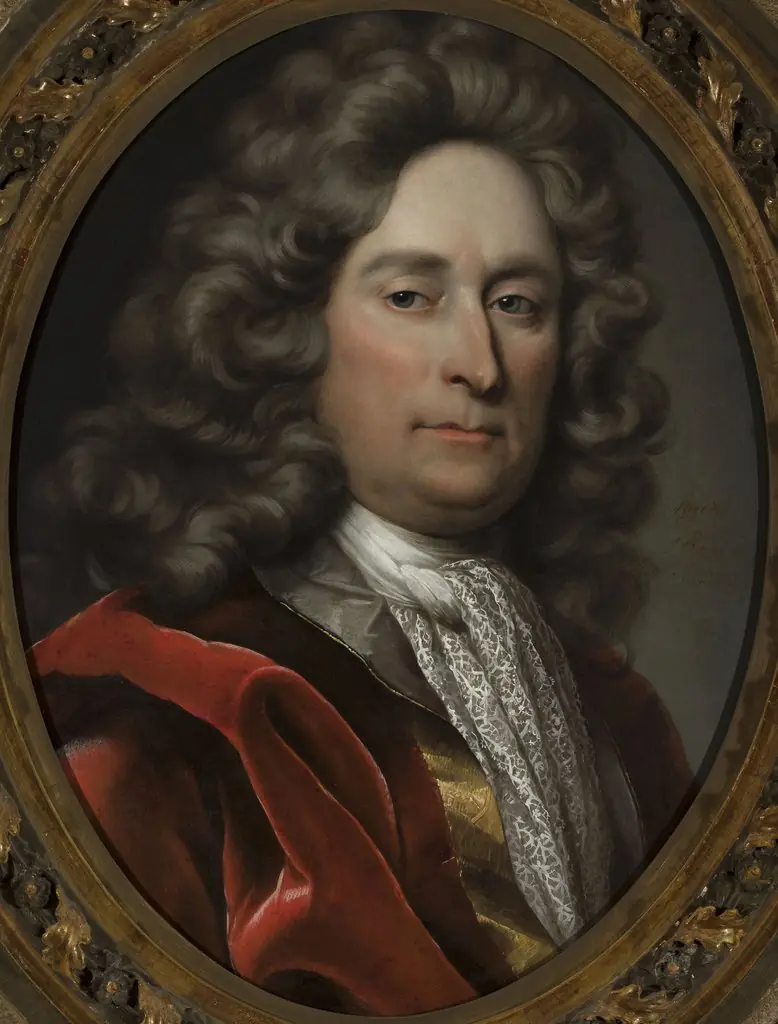 Portrait of a man in a grey wig
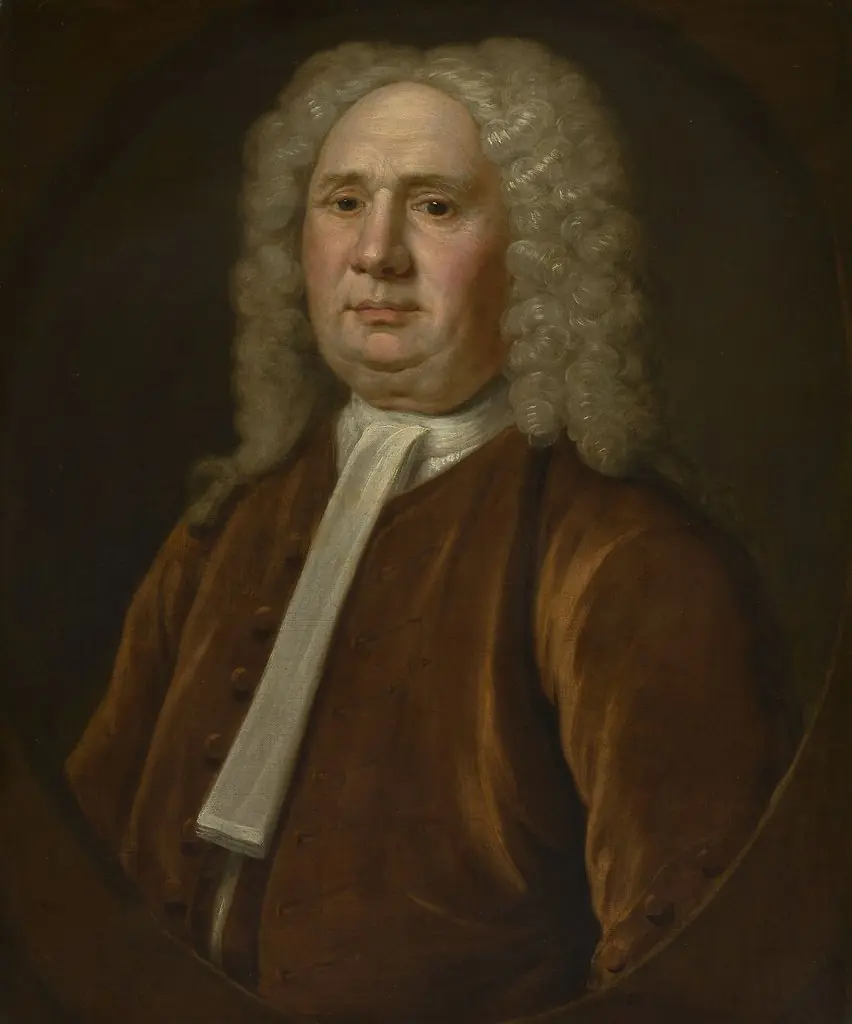 Captain John Garish