Artwork
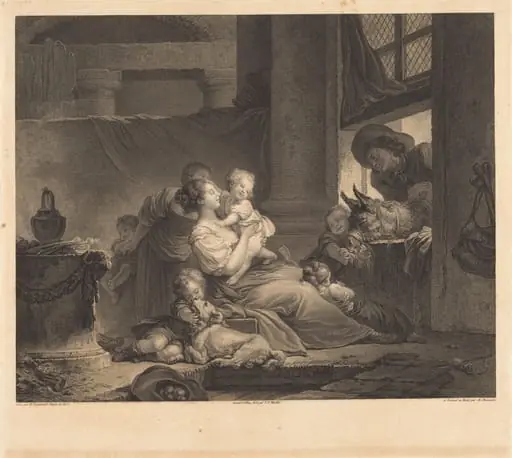
Een jonge vrouw die een krijgsman afleidt terwijl een van haar kinderen hem berooft
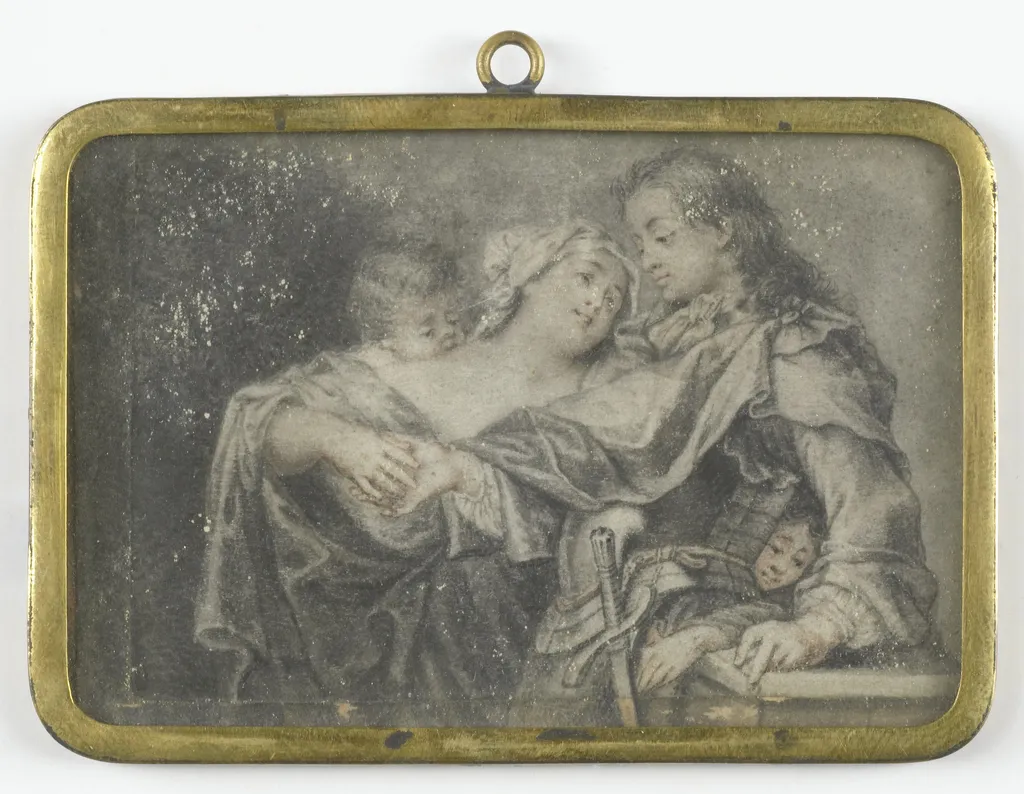
Een jonge vrouw die een krijgsman afleidt terwijl een van haar kinderen hem berooft is an unspecified painting by Carl Gustav Klingstedt. It dates from 1702 and is held in the collection of the Rijksmuseum.
About this work
Overview
Created in 1702 by Carl Gustav Klingstedt, this small work on parchment portrays a domestic scene in which a young woman appears to distract a soldier while one of her children reaches toward him. The composition is modest in size, framed in gold, and is part of the Rijksmuseum’s collection.
Subject & Meaning
The central figure is a woman holding a child; the child’s outstretched hand suggests an act of theft directed at the soldier positioned opposite. The gentle posture of the mother and the covert gesture of the child convey a moment of quiet subterfuge, inviting speculation about familial loyalty and survival.
Technique & Style
Executed with soft, faded pigments on parchment, the painting employs a limited palette that emphasizes subtle tonal shifts. The background is rendered in a dark, almost star‑filled field, creating a shallow contrast reminiscent of chiaroscuro, while the figures are outlined in delicate, flowing robes that soften their outlines.
History & Provenance
The work has remained in the Netherlands since its creation, eventually entering the Rijksmuseum’s holdings. Its survival on parchment, a material prone to deterioration, indicates careful preservation, and the gold frame suggests it was valued as a decorative object in a private collection before becoming public.
Context
Klingstedt, known for his miniature portraits and genre scenes, often incorporated narrative intrigue into intimate settings. This piece reflects early‑18th‑century Dutch interest in everyday drama, where ordinary figures are placed in morally ambiguous situations, echoing broader themes of deception and social stratification.
Artist & collection
Artist

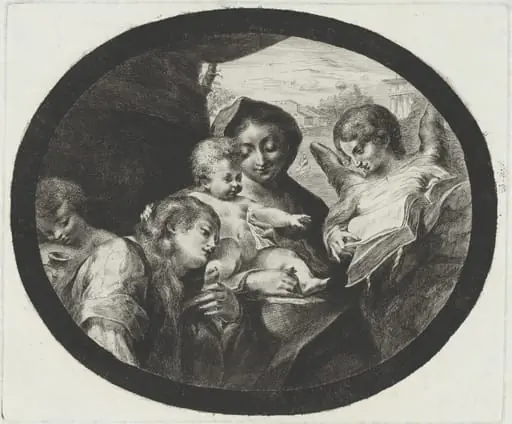 The Virgin and Child with Angels
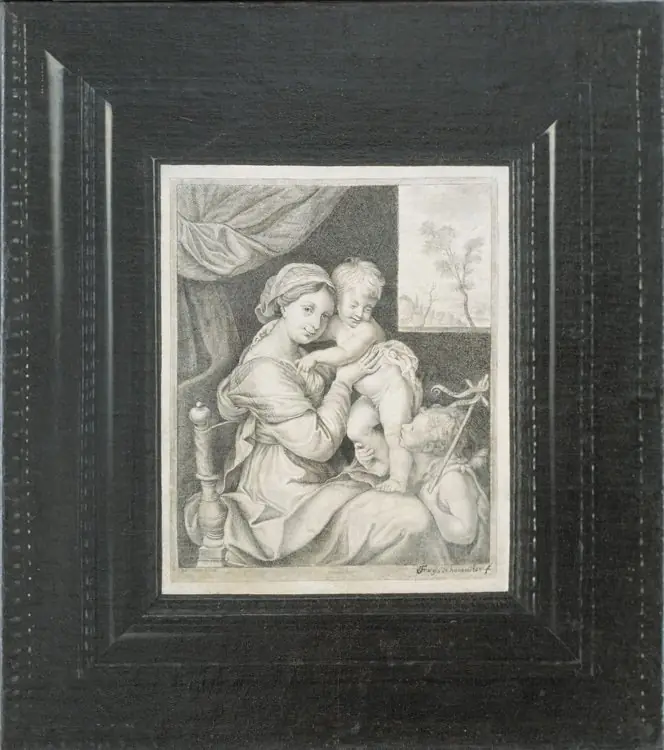 Trompe l'oeil af et indrammet kobberstik af Maria med Barnet
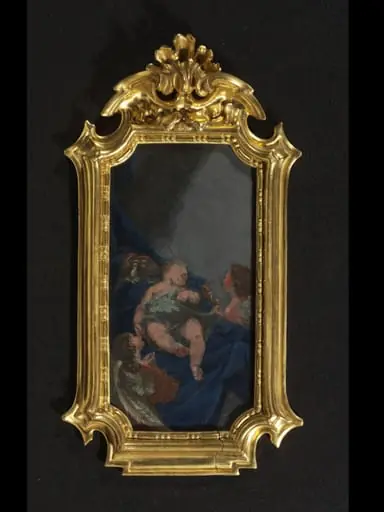 The Infant Christ asleep, adored by two angels
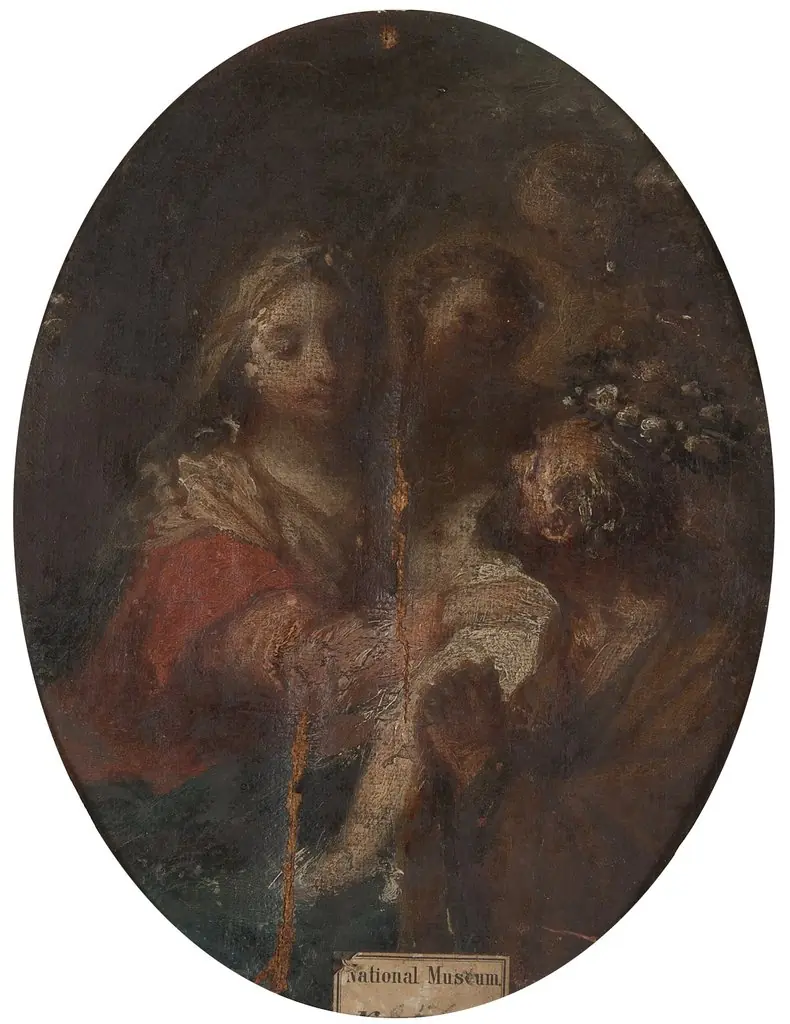 Den heliga familjen
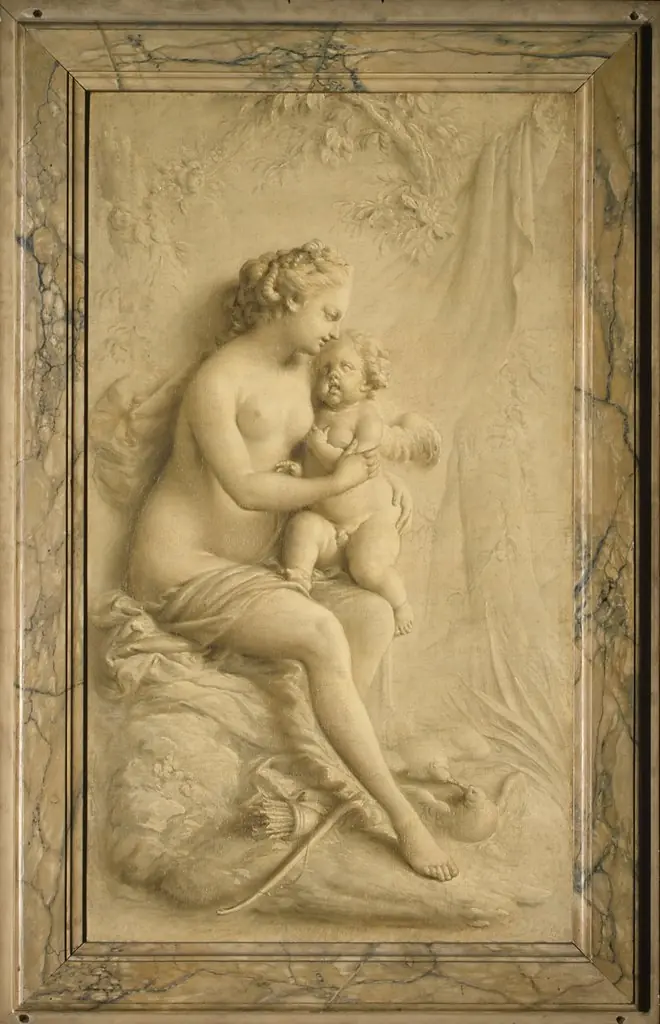 Venus and Cupid
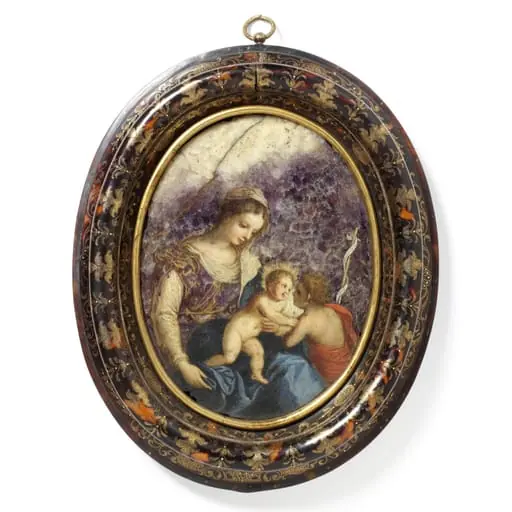 Virgin and Child
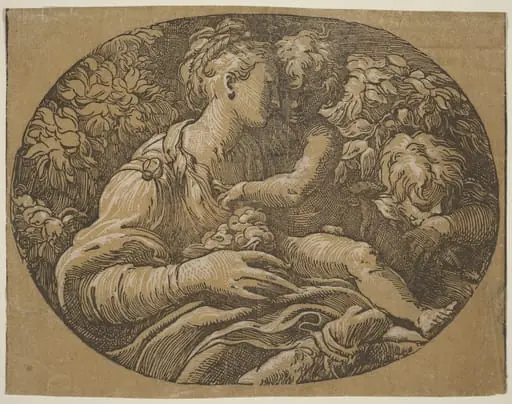 The Virgin with the Rose
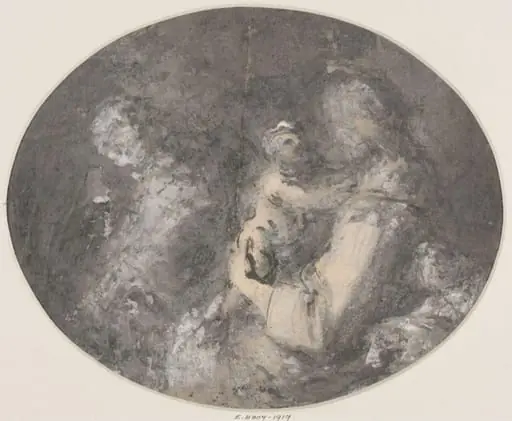 The Holy Family
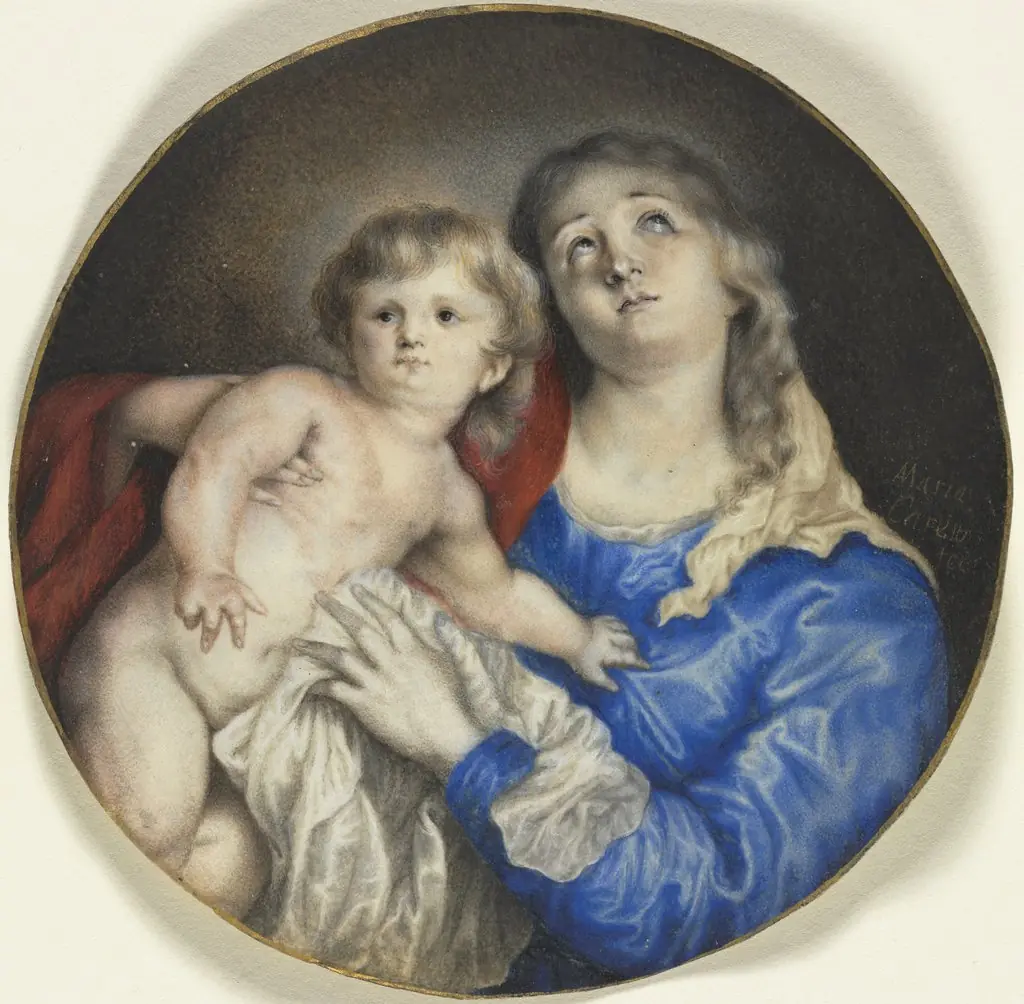 Virgin and Child
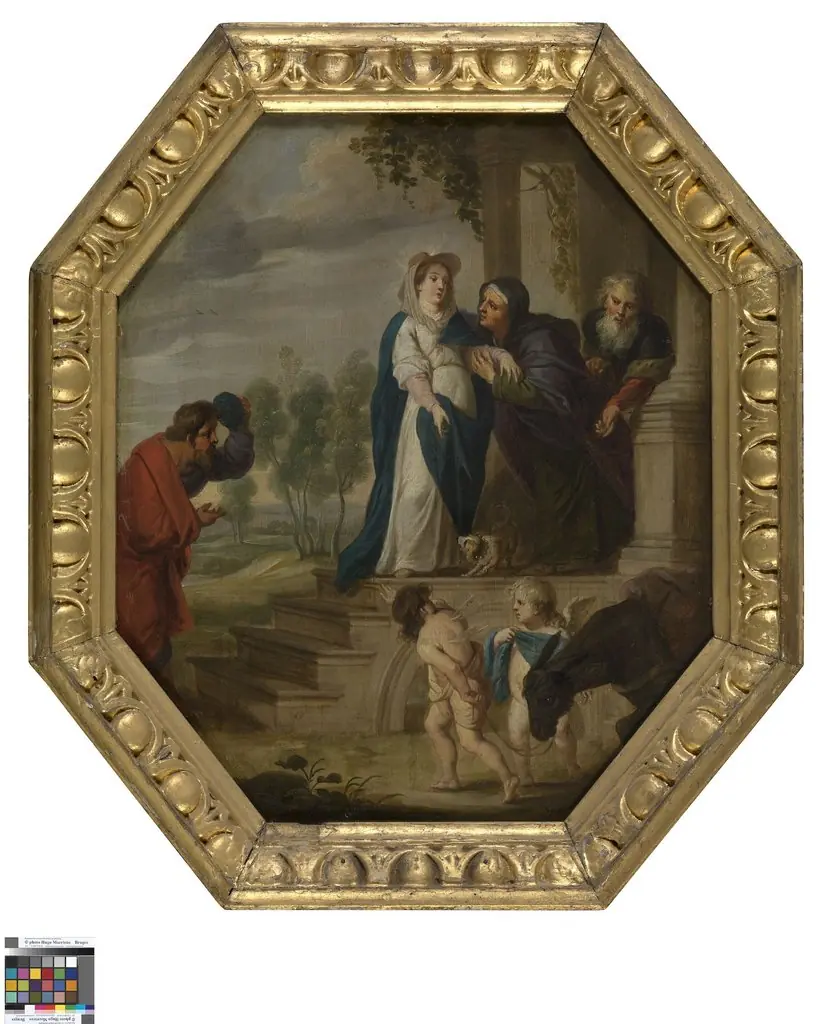 Visitation
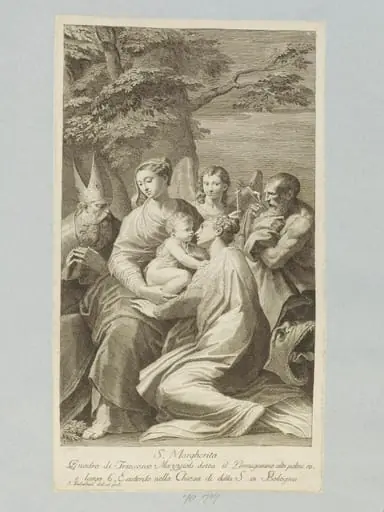 Holy Family with St. Margaret
 La famille du fermier