Artwork
The Holy Family with the Infant St. John the Baptist and St. Elizabeth
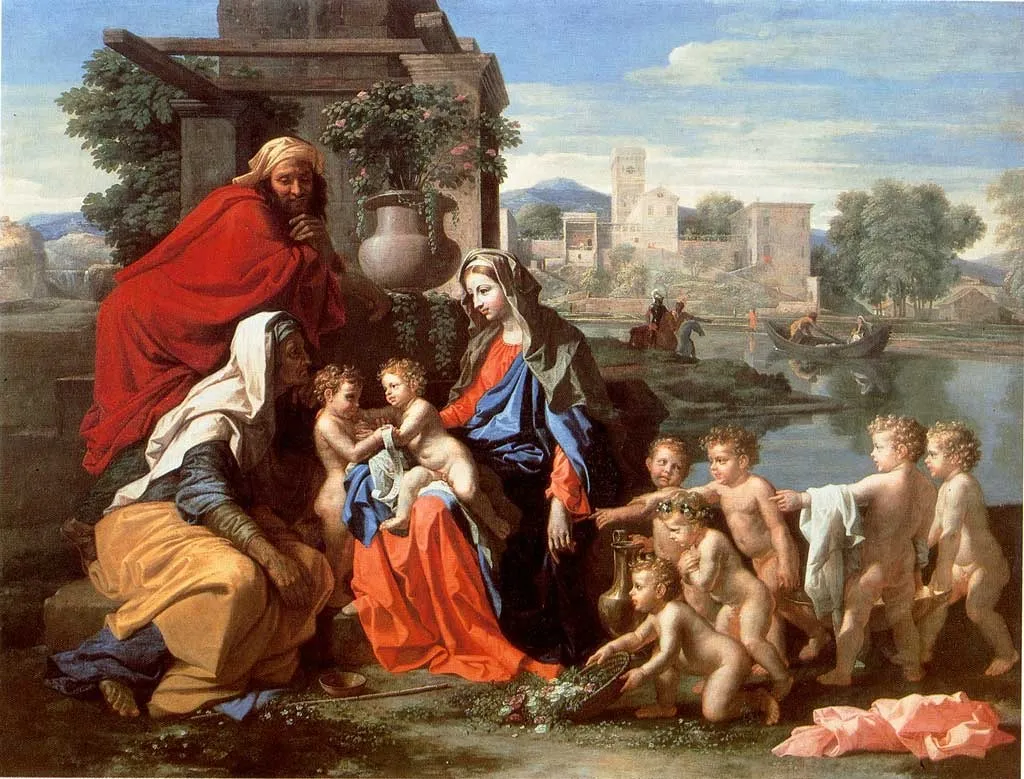
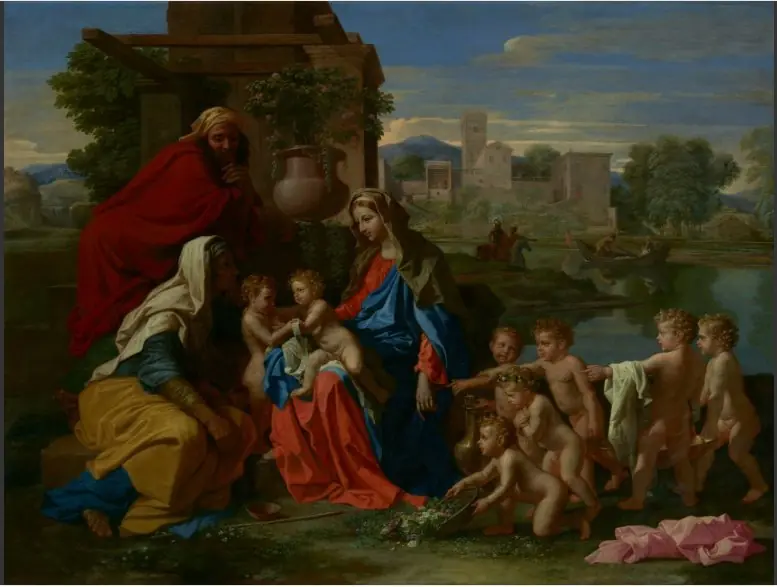
The Holy Family with the Infant St. John the Baptist and St. Elizabeth is an oil painting by the Flemish Baroque painting artist Nicolas Poussin. It dates from 1651 and is held in the collection of the Norton Simon Museum.
About this work
Overview
The scene unfolds under a clear sky, framed by distant hills and a tranquil waterscape, reflecting Poussin’s classical approach to sacred narrative.
Painted in 1651 by Nicolas Poussin, this oil work depicts a quiet, contemplative gathering of biblical figures in a landscape setting. The composition centers on the Virgin Mary holding the infant Christ, surrounded by St. Elizabeth, the young John the Baptist, and other children. The scene unfolds under a clear sky, framed by distant hills and a tranquil waterscape, reflecting Poussin’s classical approach to sacred narrative.
Subject & Meaning
The painting illustrates the meeting of the Holy Family with St. Elizabeth and the infant John the Baptist, as described in the Gospel of Luke. The presence of multiple children playing near a vase and basket suggests innocence and divine continuity. The figures are arranged with deliberate stillness, emphasizing spiritual connection over dramatic action, aligning with Poussin’s interest in theological order and harmony.
Technique & Style
Poussin employs a restrained palette of earth tones and vivid but balanced primary colors to guide the viewer’s eye. Figures are rendered with sculptural clarity, their poses drawn from classical ideals. The landscape is meticulously structured, with receding planes and architectural elements that lend depth without distraction. Brushwork is controlled, favoring precision over texture, reinforcing the painting’s calm, rational atmosphere.
History & Provenance
Commissioned during Poussin’s mature period in Rome, the painting remained in private collections in France and Italy before entering the Norton Simon Museum’s holdings. Its documented history traces through 18th- and 19th-century European collectors, reflecting its enduring reputation among connoisseurs of classical French painting. It has been consistently attributed to Poussin since its creation.
Context
Created during Poussin’s later years in Rome, the work reflects his deep engagement with classical antiquity and theological scholarship. At a time when Baroque drama dominated Italian art, Poussin pursued a quieter, intellectual form of religious expression. His use of landscape as a moral and spiritual backdrop was influential among later Neoclassical painters seeking order and restraint.
Legacy
The painting exemplifies Poussin’s enduring influence on academic art traditions, particularly in France. Its emphasis on compositional balance, symbolic clarity, and the integration of narrative with landscape became a model for 18th- and 19th-century artists. Though less widely known than his larger altarpieces, this work remains a key example of his mature style and philosophical approach to sacred subjects.
Artist & collection
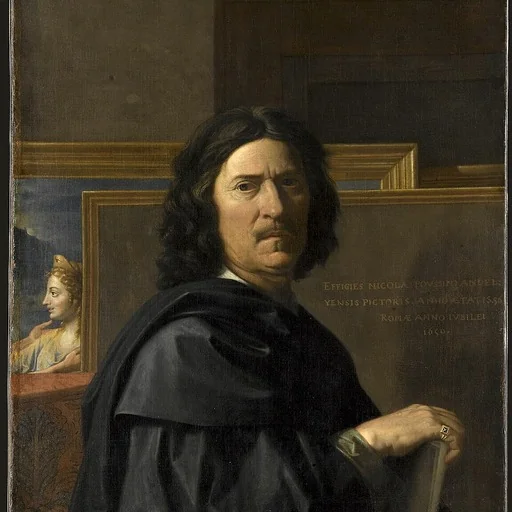
Artist
Nicolas Poussin (UK: , US: , French: ; June 1594 – 19 November 1665) was a leading painter of the classical French Baroque style, although he spent most of his working life in Rome.

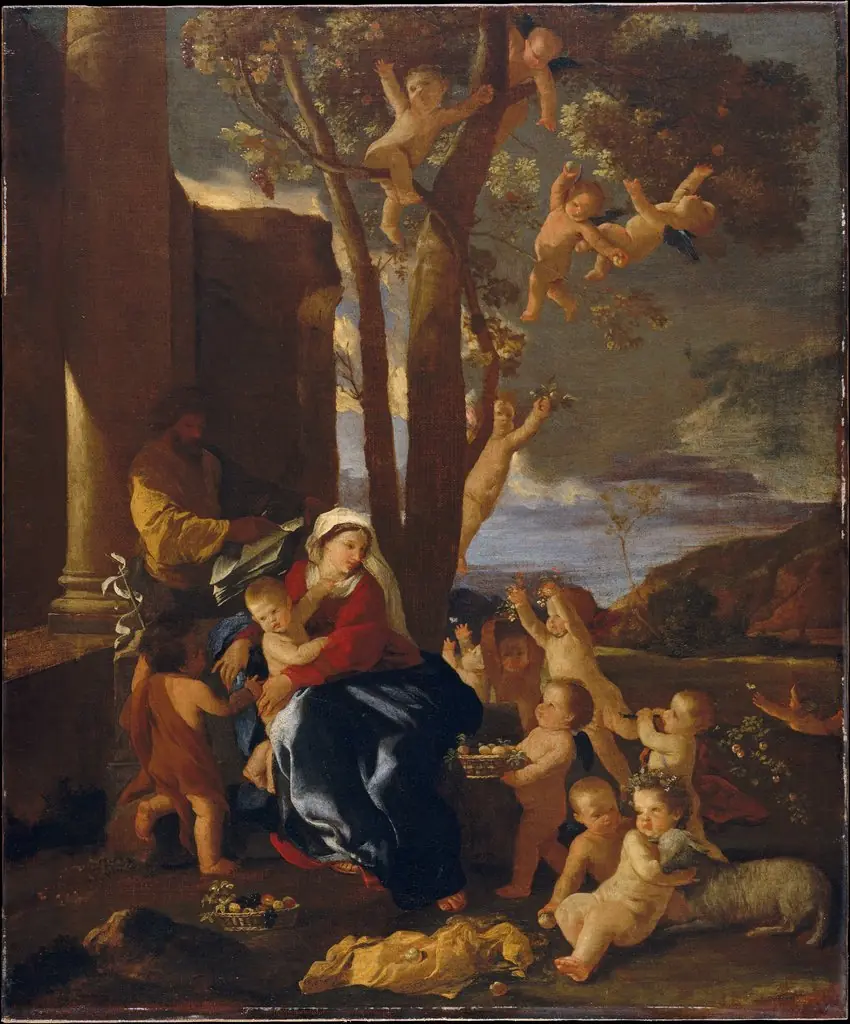
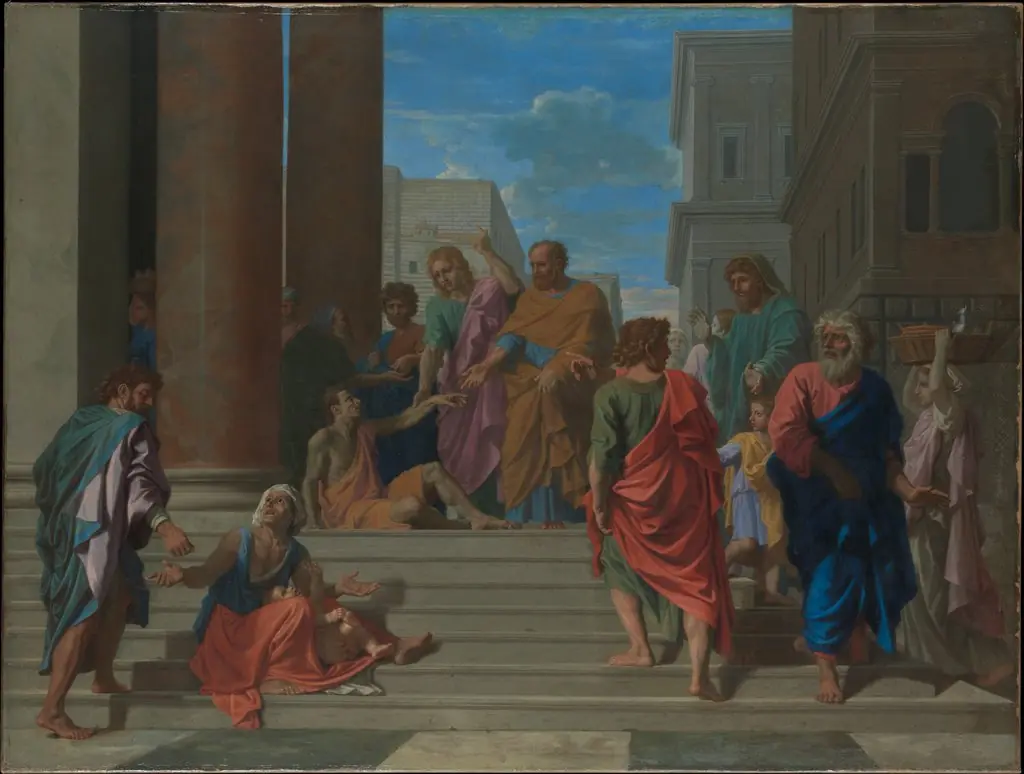
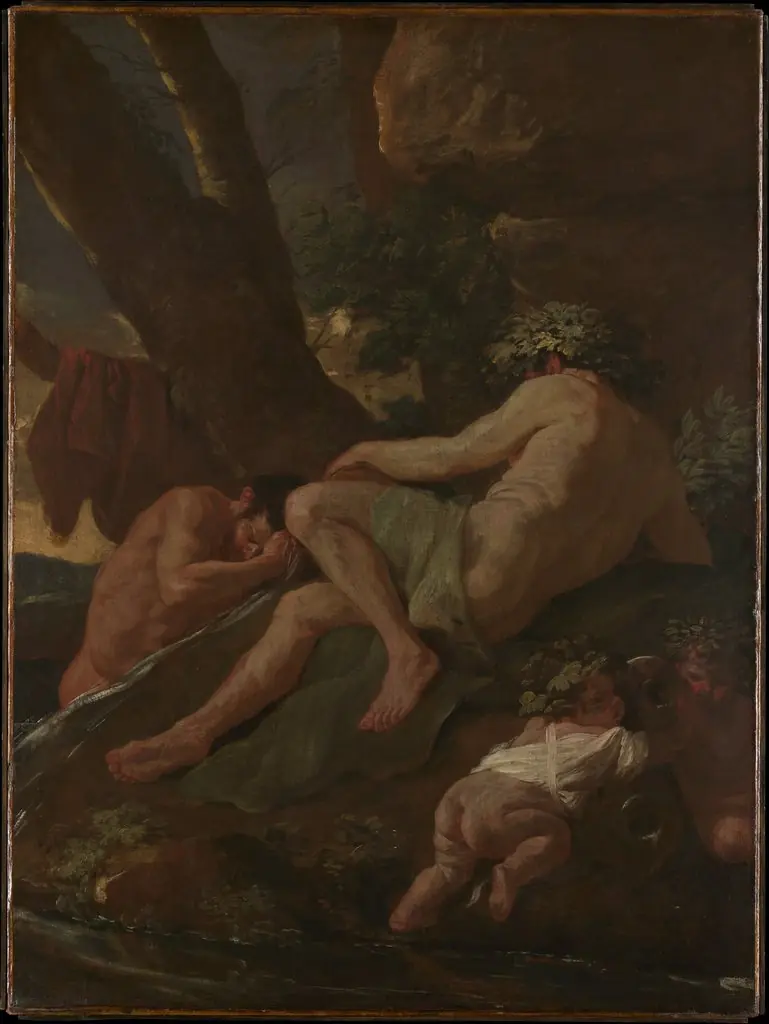
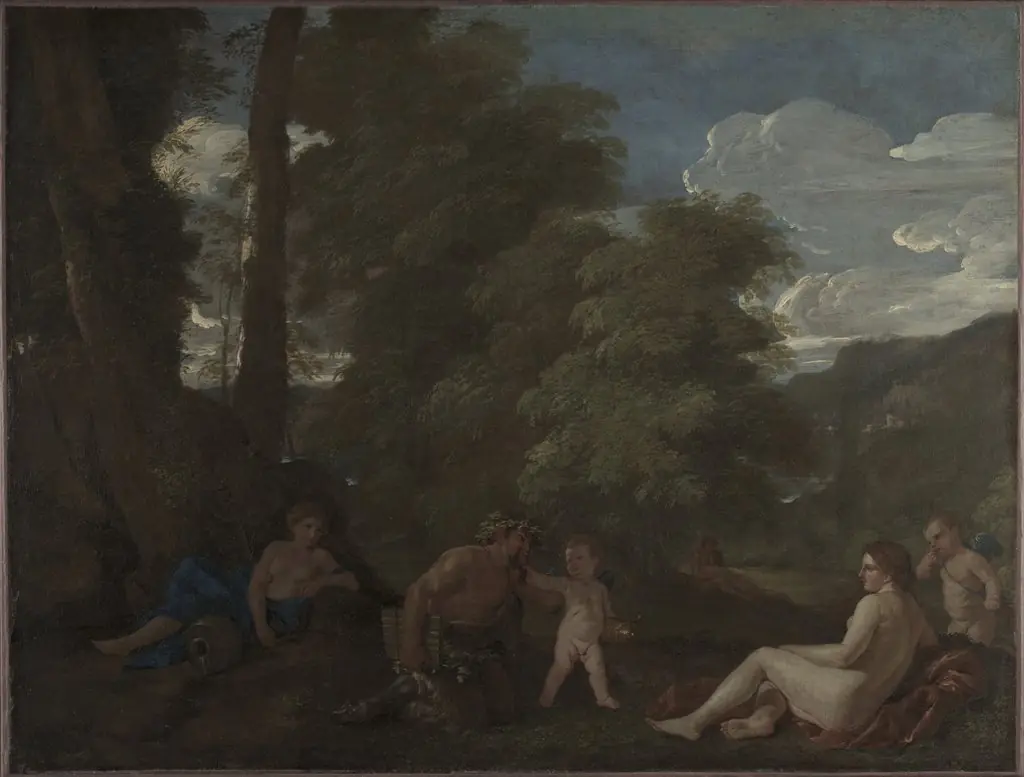
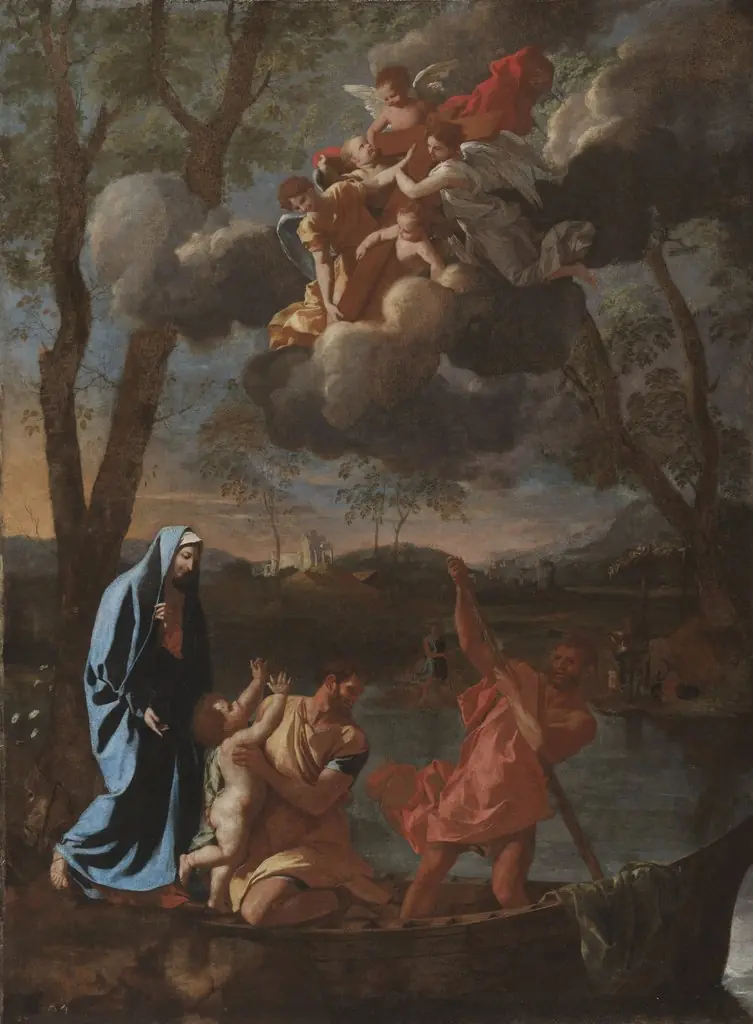
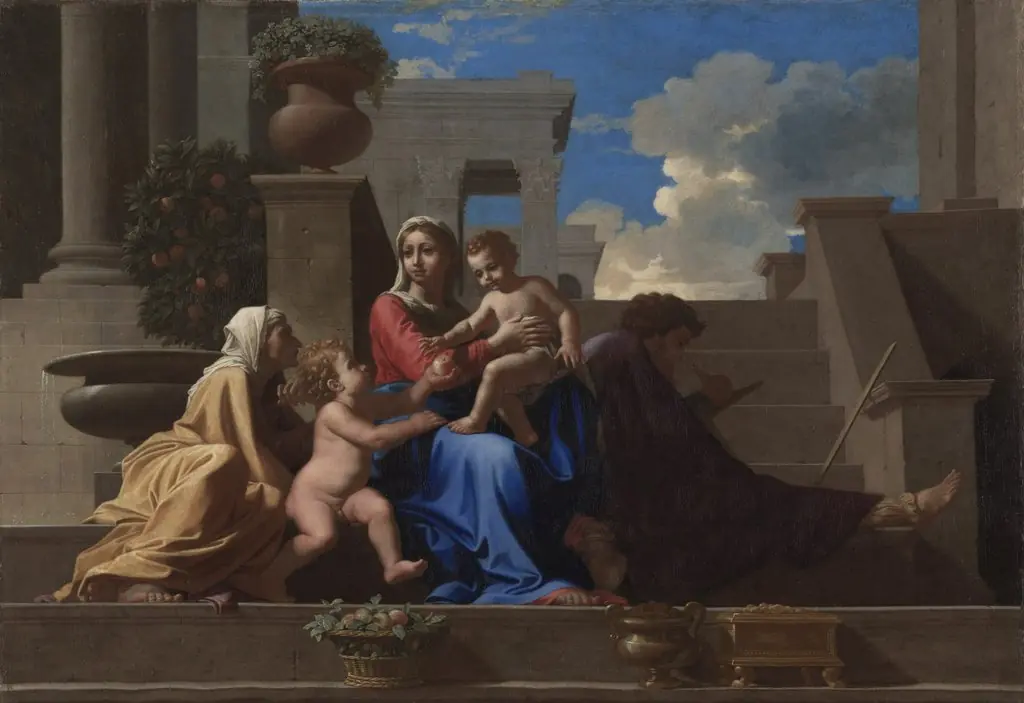
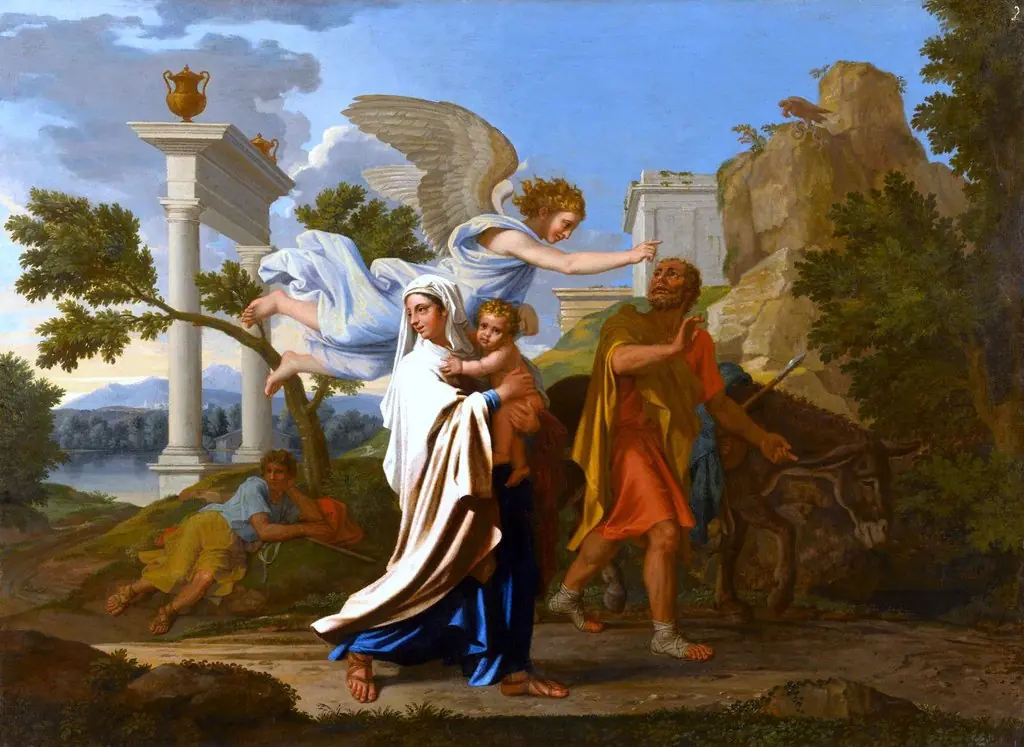
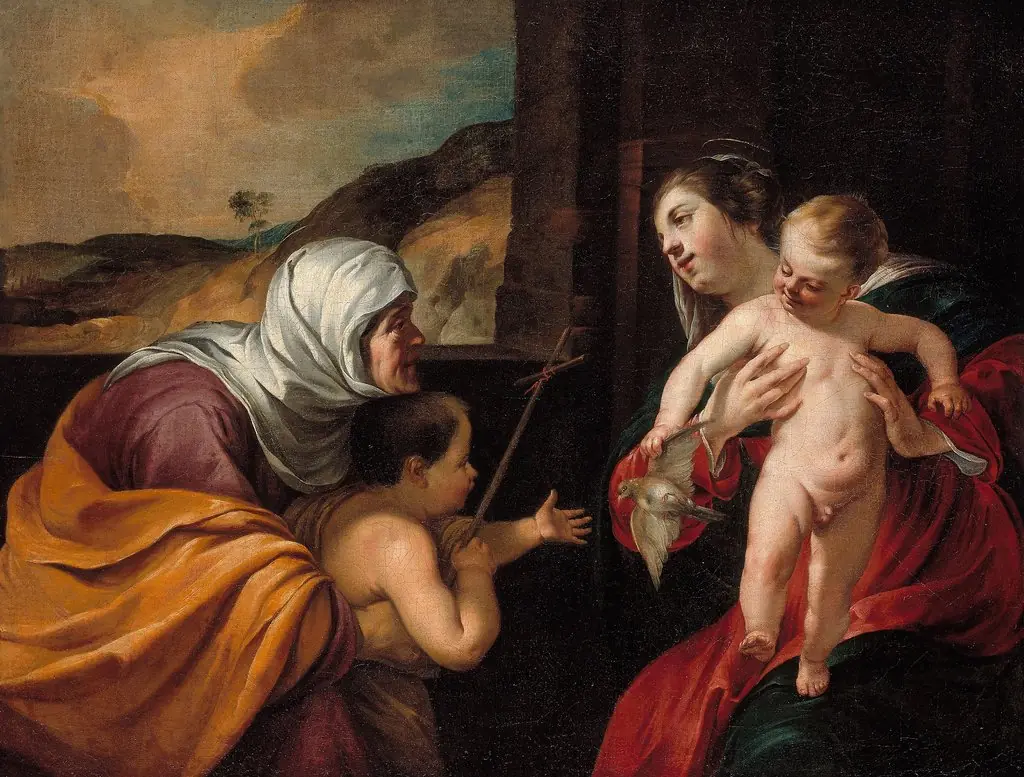 Virgin and Child with Saint Elizabeth and the Infant Saint John the Baptist
 The Holy Family
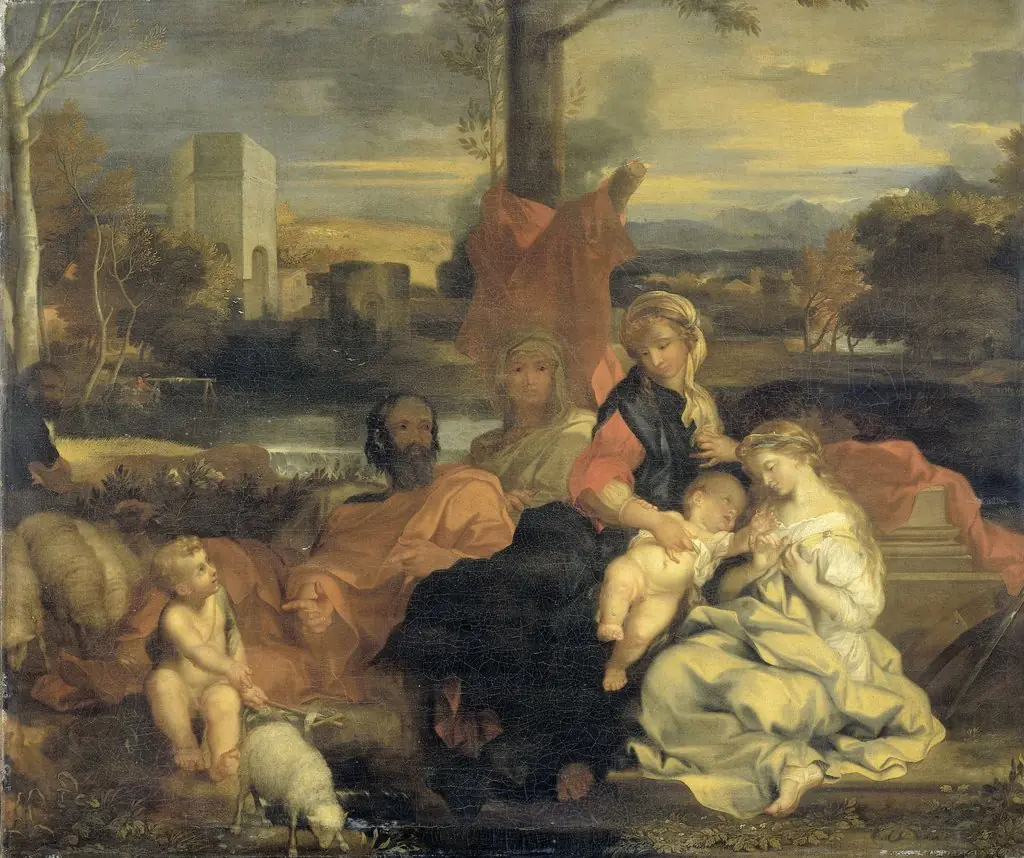 The Mystic Marriage of St Catherine
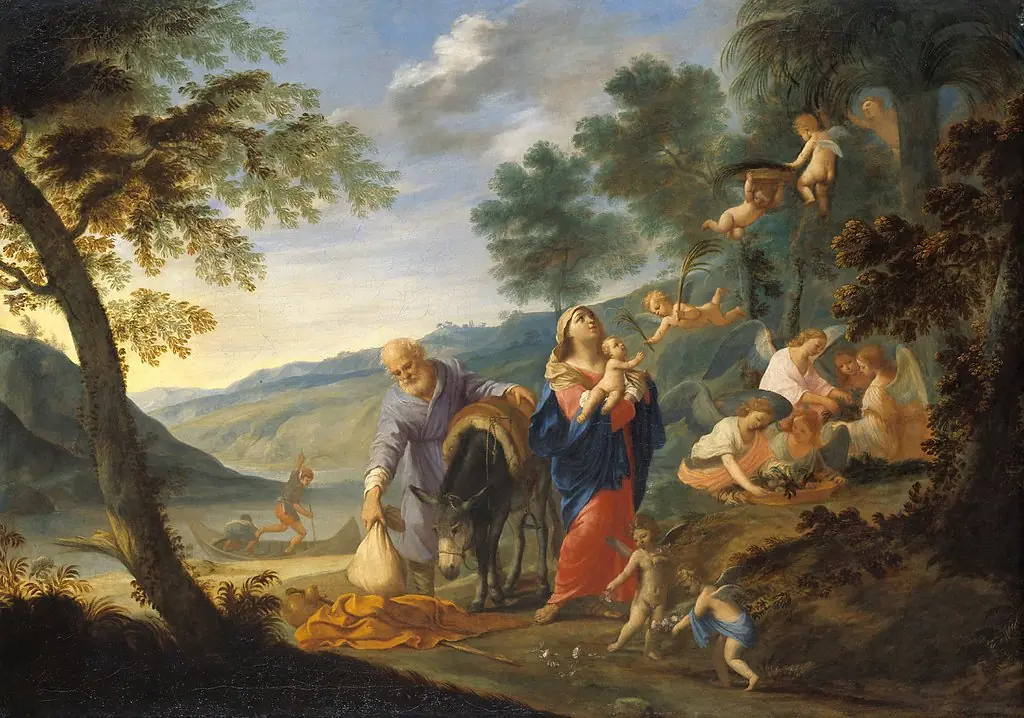 The Rest on the Flight into Egypt
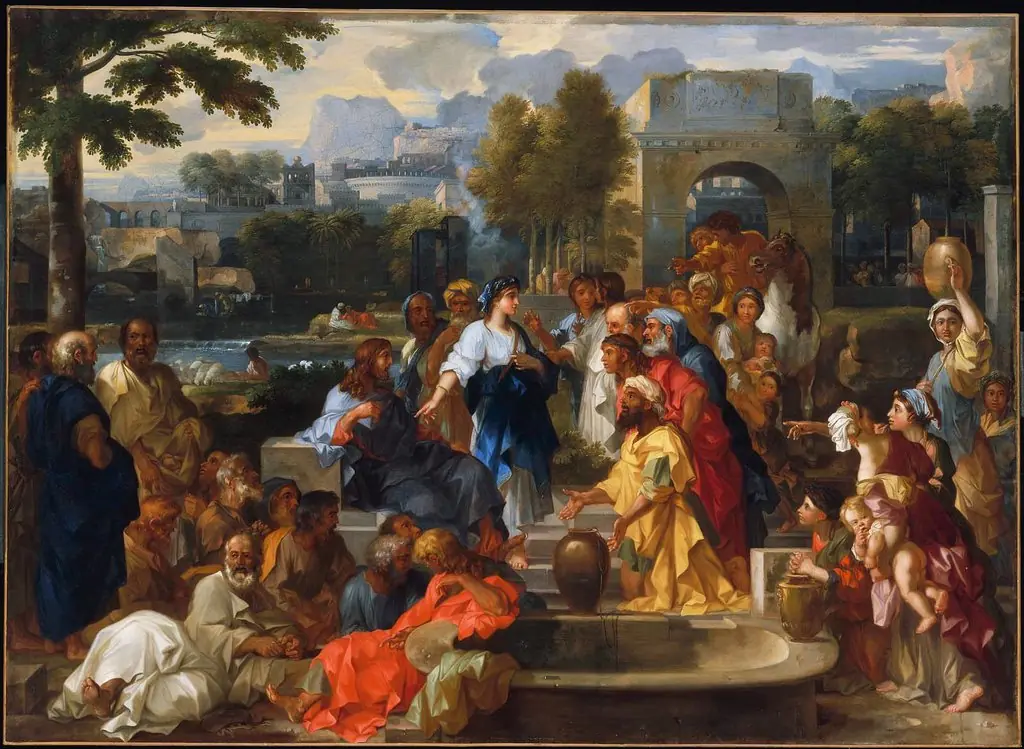 Christ and the Samaritan Woman
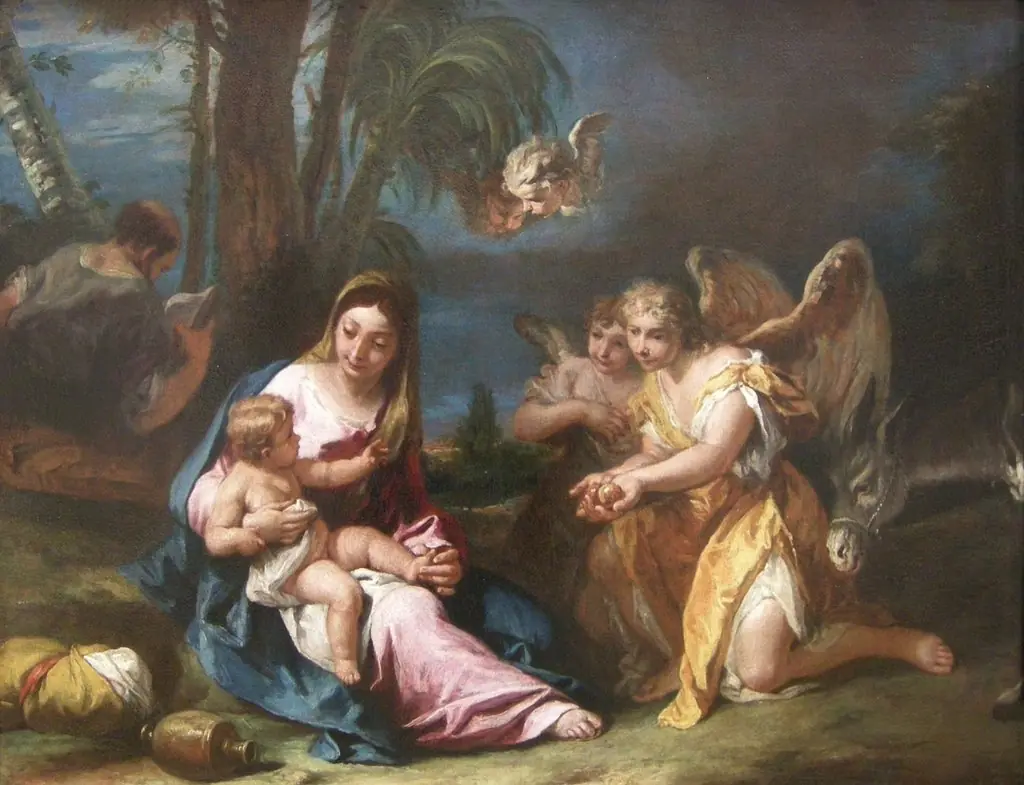 The Rest on The Flight into Egypt
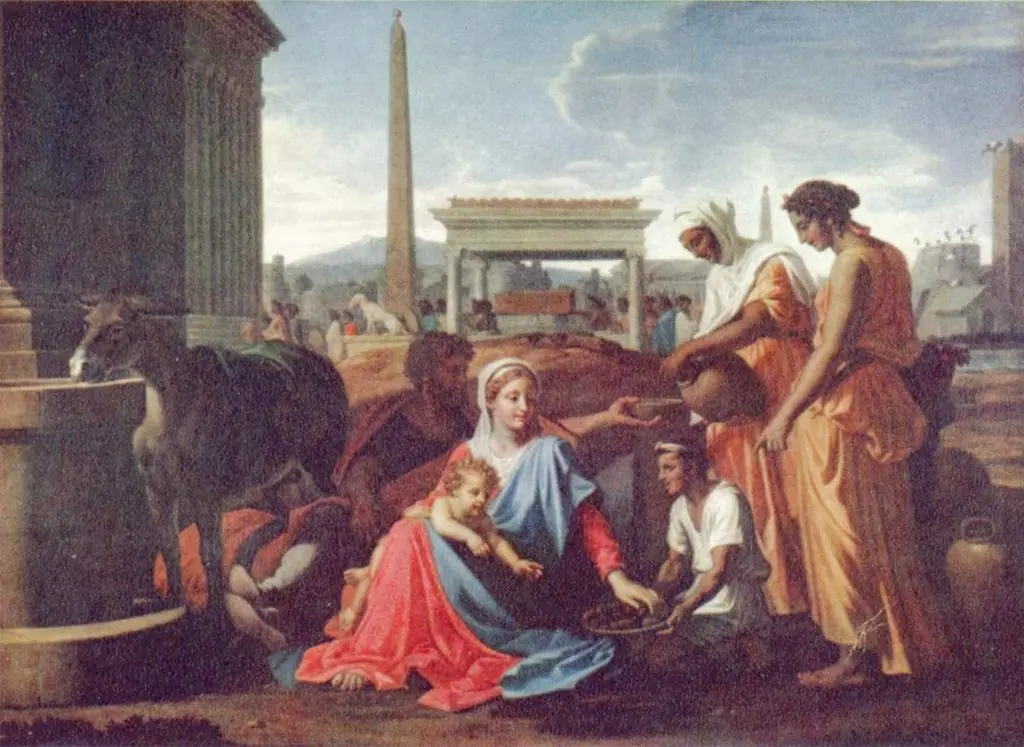 Holy Family in Egypt
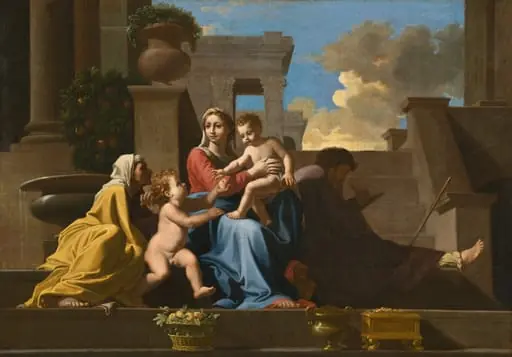 The Holy Family on the Steps
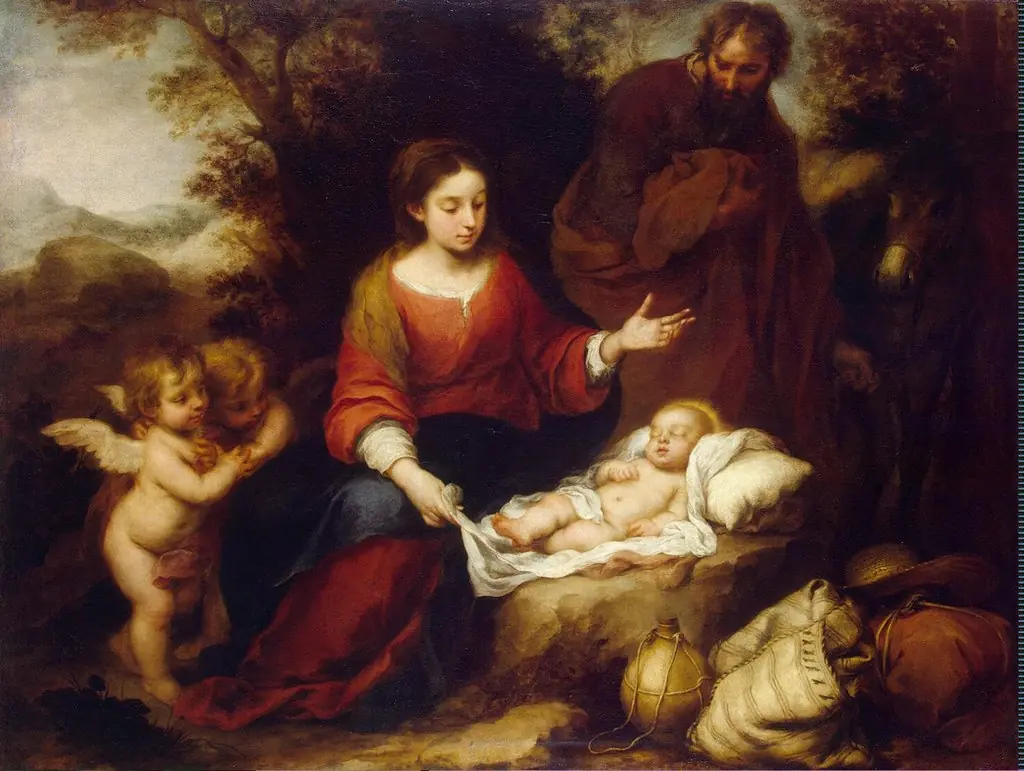 Rest on the Flight into Egypt
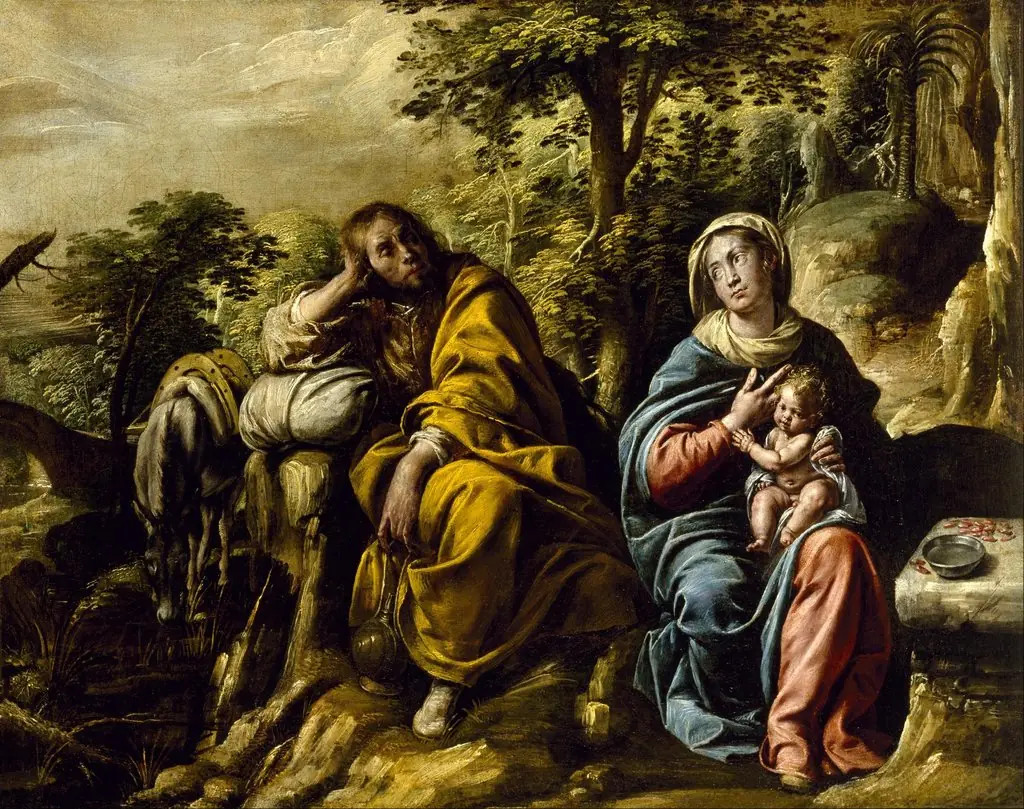 The Rest on the Flight into Egypt