Artwork
Holy Family in Egypt
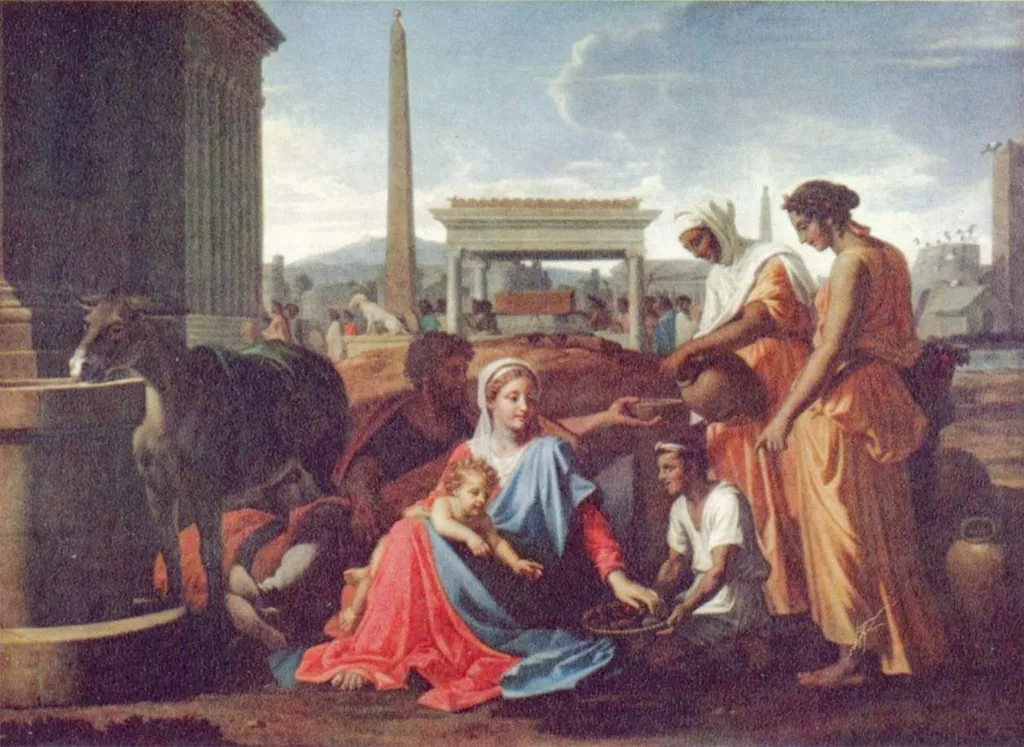
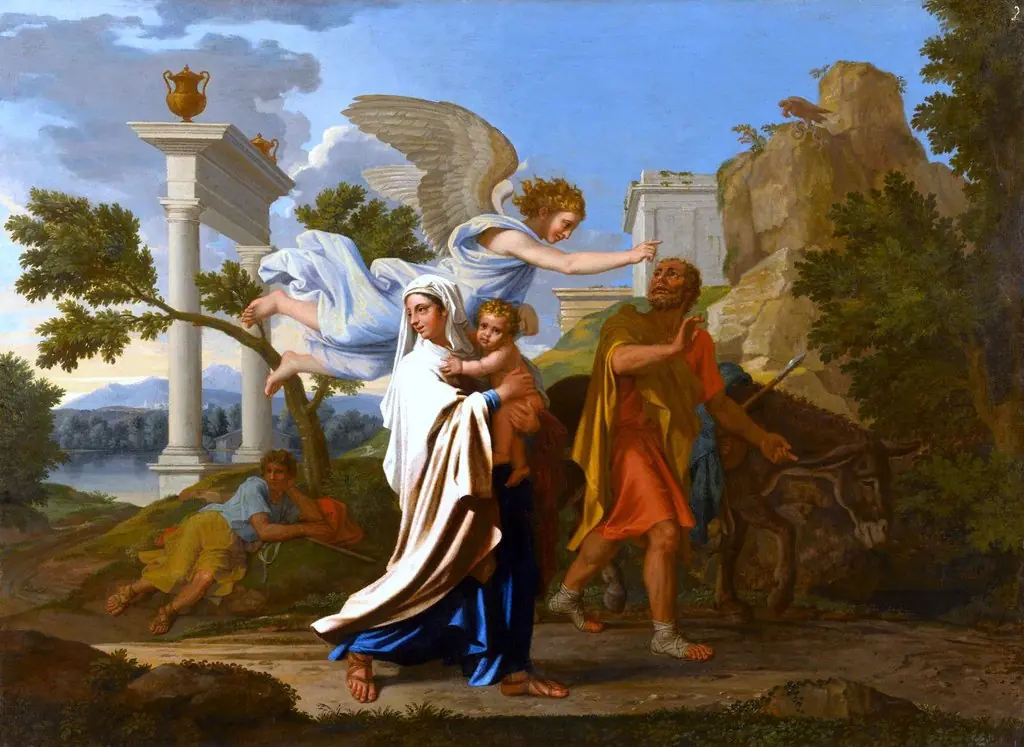
Holy Family in Egypt is an oil painting by the Flemish Baroque painting artist Nicolas Poussin. It dates from 1656 and is held in the collection of the Hermitage Museum.
About this work
Overview
Painted in 1656 by Nicolas Poussin, this oil on canvas work depicts the Holy Family during their flight into Egypt. It is part of the collection at the State Hermitage Museum in Saint Petersburg. The composition centers on a quiet, intimate moment amid a desolate landscape, blending biblical narrative with a restrained, contemplative atmosphere characteristic of Poussin’s late style.
Subject & Meaning
The figures’ subdued gestures and the stillness of the environment suggest a moment of respite, underscoring themes of endurance and quiet devotion.
The scene illustrates the Virgin Mary resting with the infant Jesus, while Joseph attends to practical needs, pouring water for a young companion. The setting evokes the biblical journey of refuge, yet the emphasis is on human tenderness rather than divine spectacle. The figures’ subdued gestures and the stillness of the environment suggest a moment of respite, underscoring themes of endurance and quiet devotion.
Technique & Style
Poussin employs a controlled use of chiaroscuro to model forms and guide the viewer’s eye toward the central figures. The palette is muted, with soft blues and earth tones dominating, while the orange of Joseph’s robe provides subtle contrast. Brushwork is precise, and the landscape is rendered with architectural precision, reflecting Poussin’s classical training and interest in structured composition.
History & Provenance
Commissioned during Poussin’s final years in Rome, the painting entered the French royal collection before being transferred to Russia in the early 19th century. It has remained in the Hermitage since its acquisition by Tsar Nicholas I, preserving its original condition and frame. Its journey reflects the movement of European art through royal and imperial collections during the Enlightenment and Napoleonic eras.
Context
Created in the aftermath of the Thirty Years’ War, the painting reflects a broader cultural turn toward introspection and moral clarity in religious art. Poussin, influenced by antiquity and Renaissance humanism, avoided theatricality in favor of calm, rational arrangements. This work aligns with his late period, where spiritual themes are conveyed through restraint, order, and psychological depth.
Legacy
Though less widely known than Poussin’s mythological works, this painting exemplifies his ability to infuse sacred subjects with human dignity and quiet realism. It influenced later neoclassical artists who valued compositional clarity and emotional restraint. Its presence in the Hermitage ensures continued study as a model of 17th-century narrative painting grounded in observation and discipline.
Artist & collection
Artist
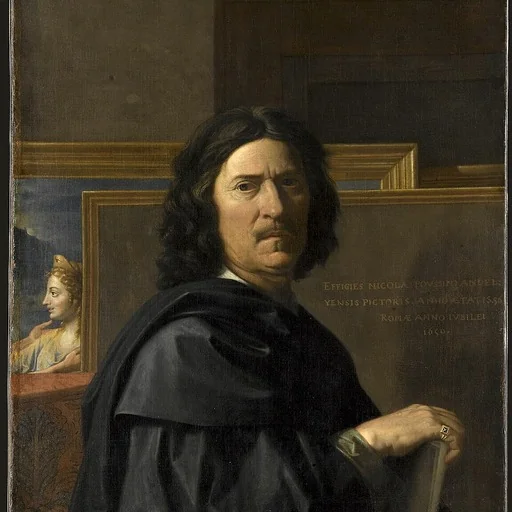
Nicolas Poussin (UK: , US: , French: ; June 1594 – 19 November 1665) was a leading painter of the classical French Baroque style, although he spent most of his working life in Rome.

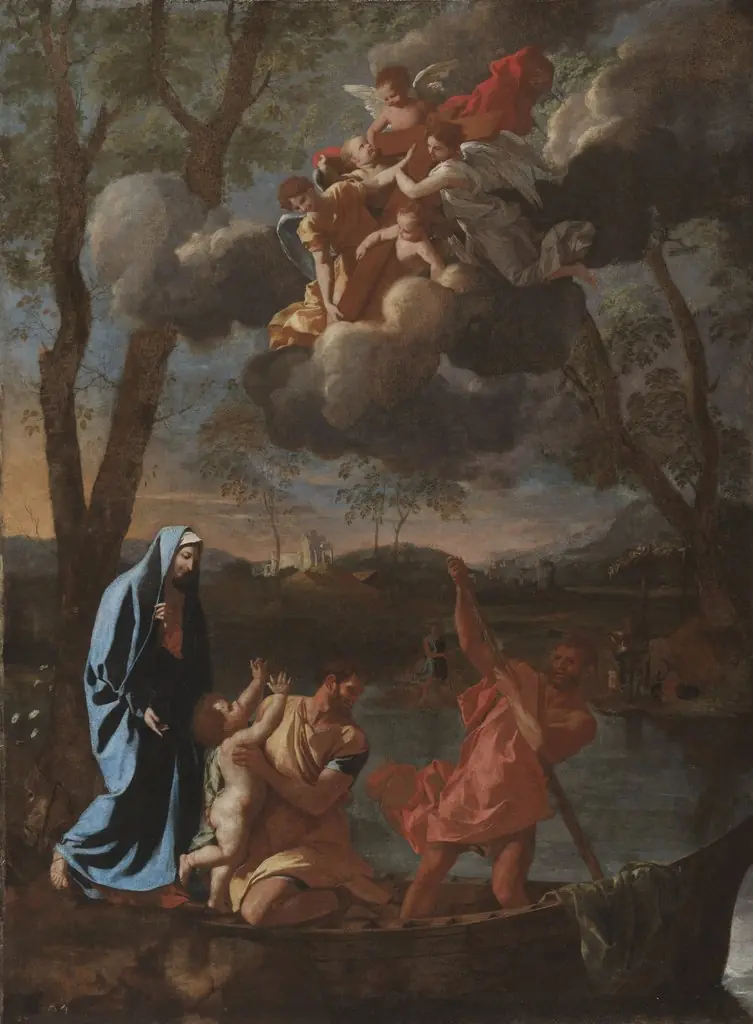
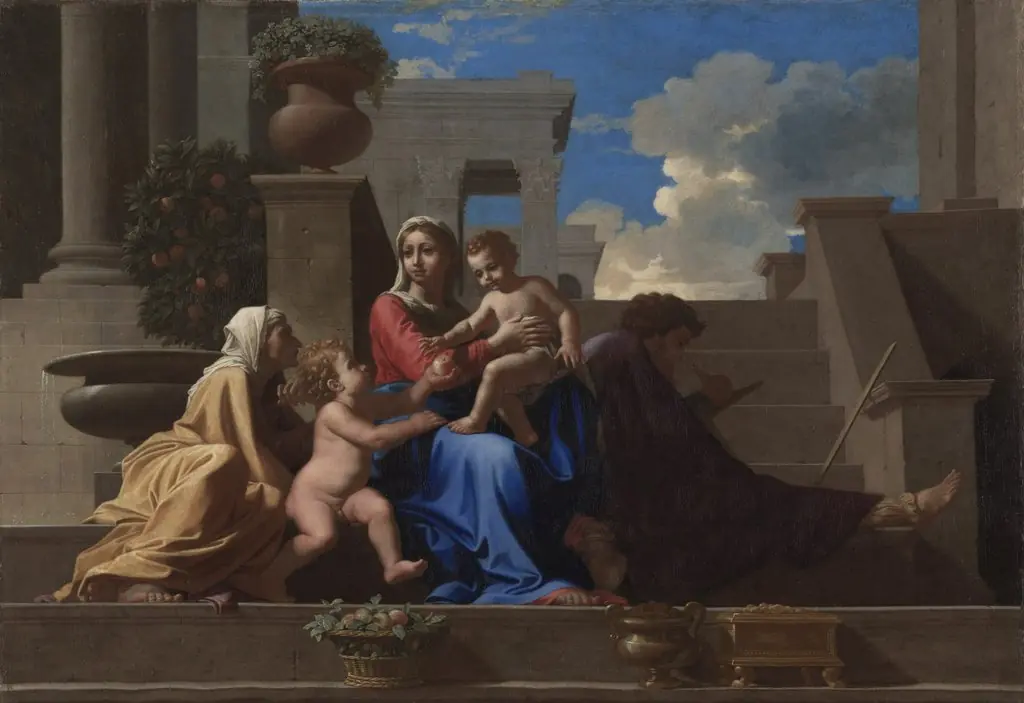
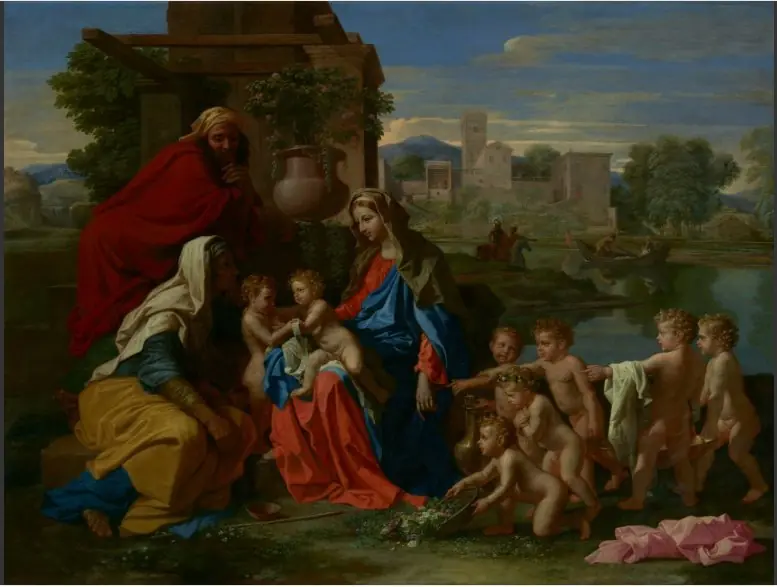 The Holy Family
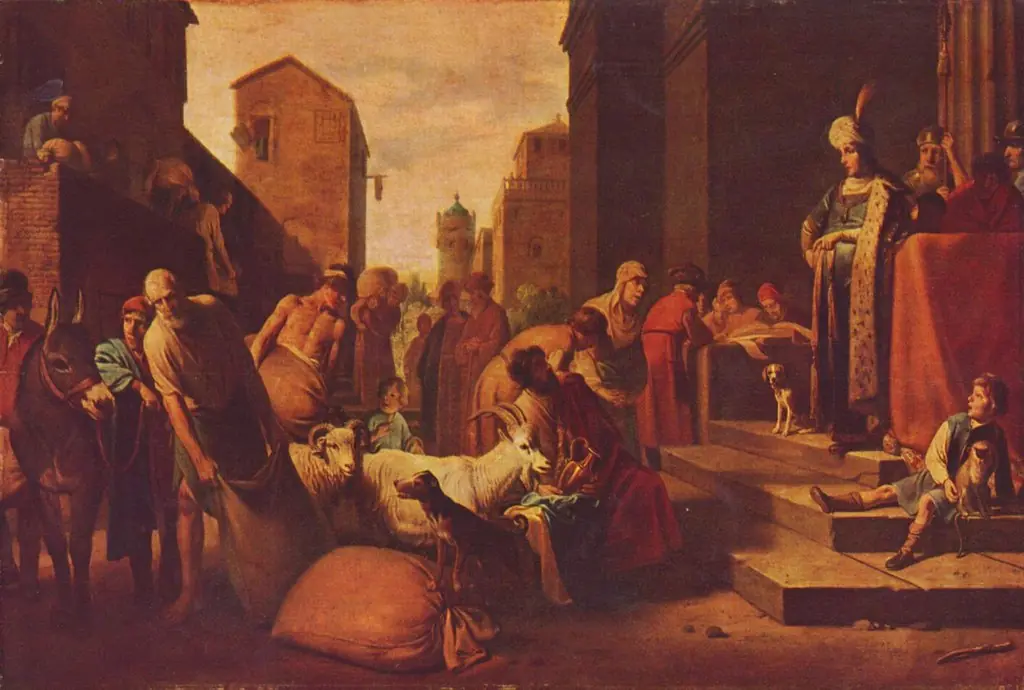 Joseph Selling Grain in Egypt
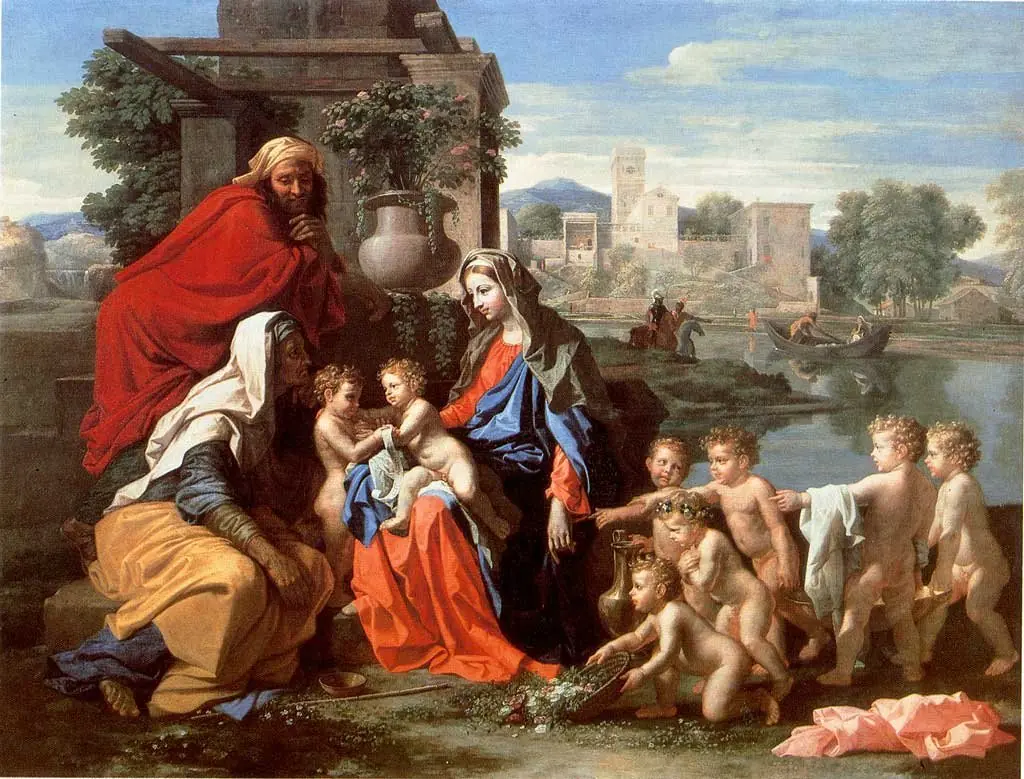 The Holy Family with the Infant St. John the Baptist and St. Elizabeth
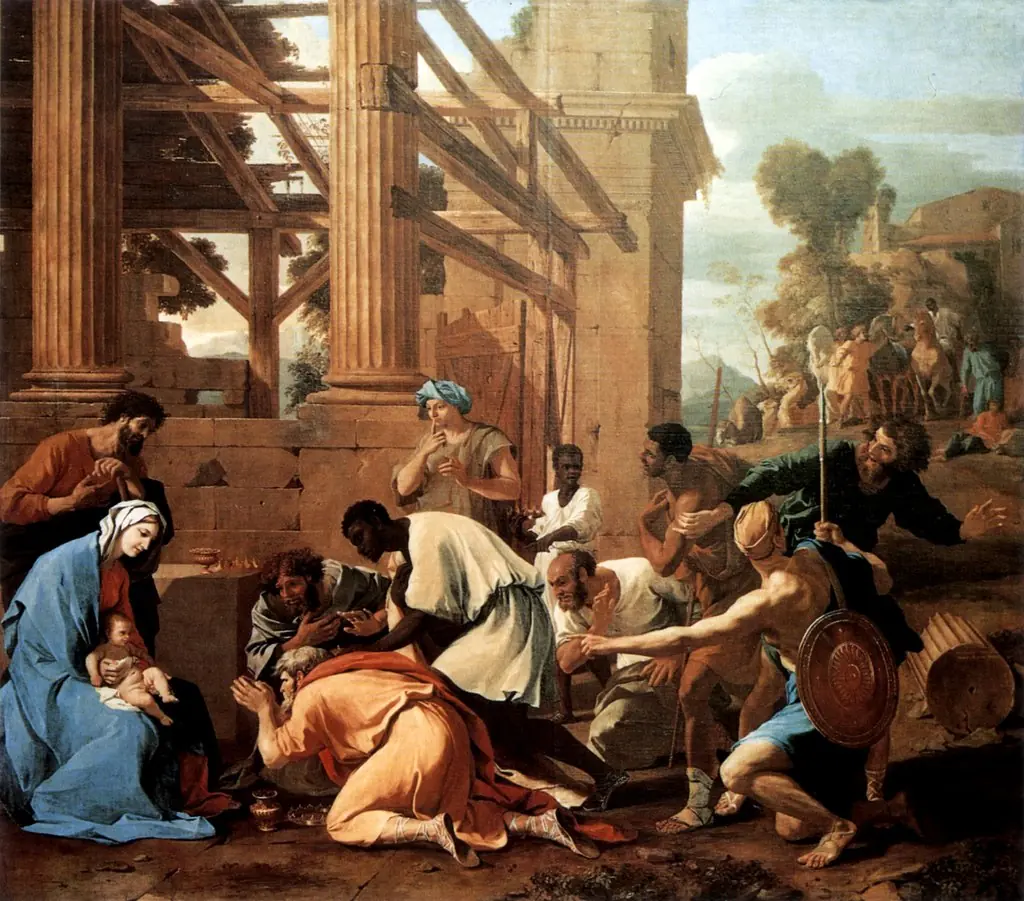 The Adoration of the Magi
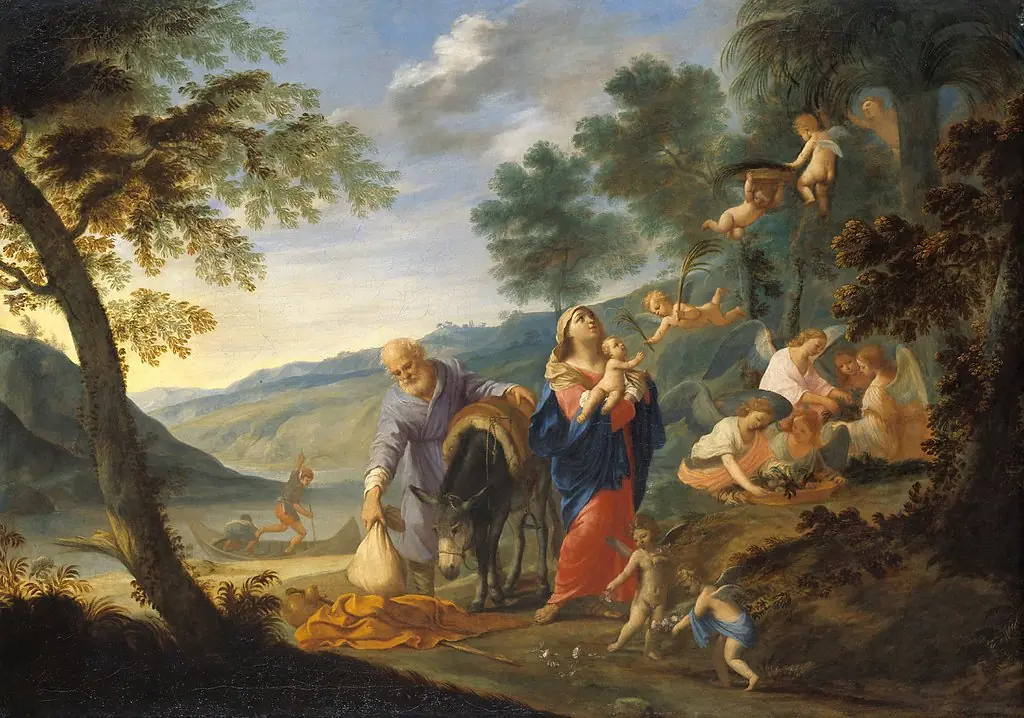 The Rest on the Flight into Egypt
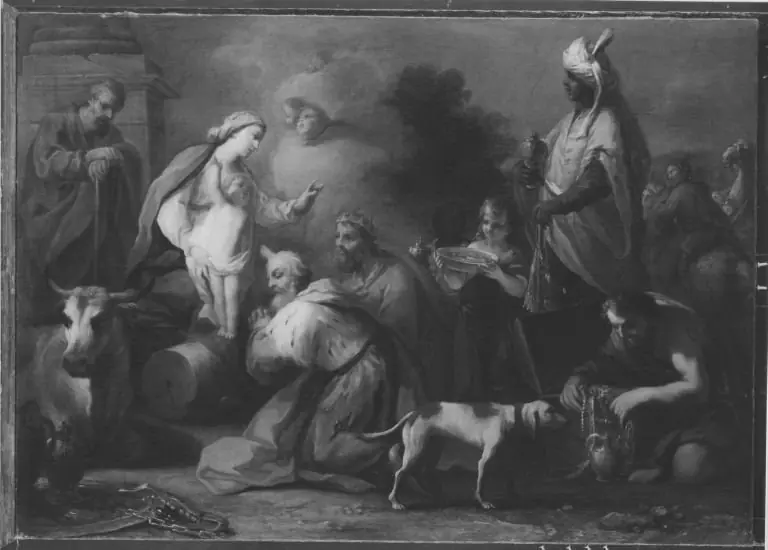 Anbetung der Könige
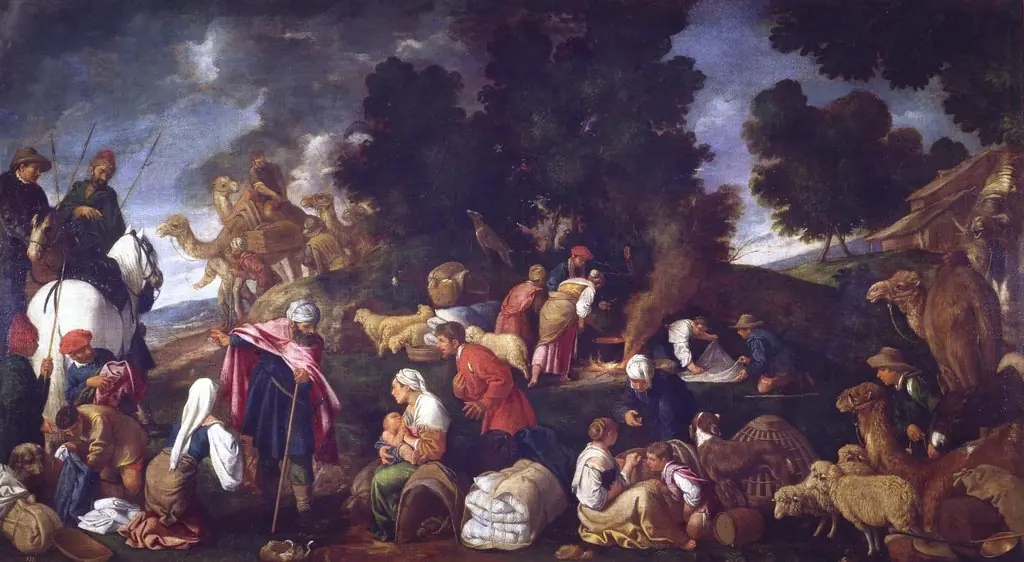 Labán busca los ídolos
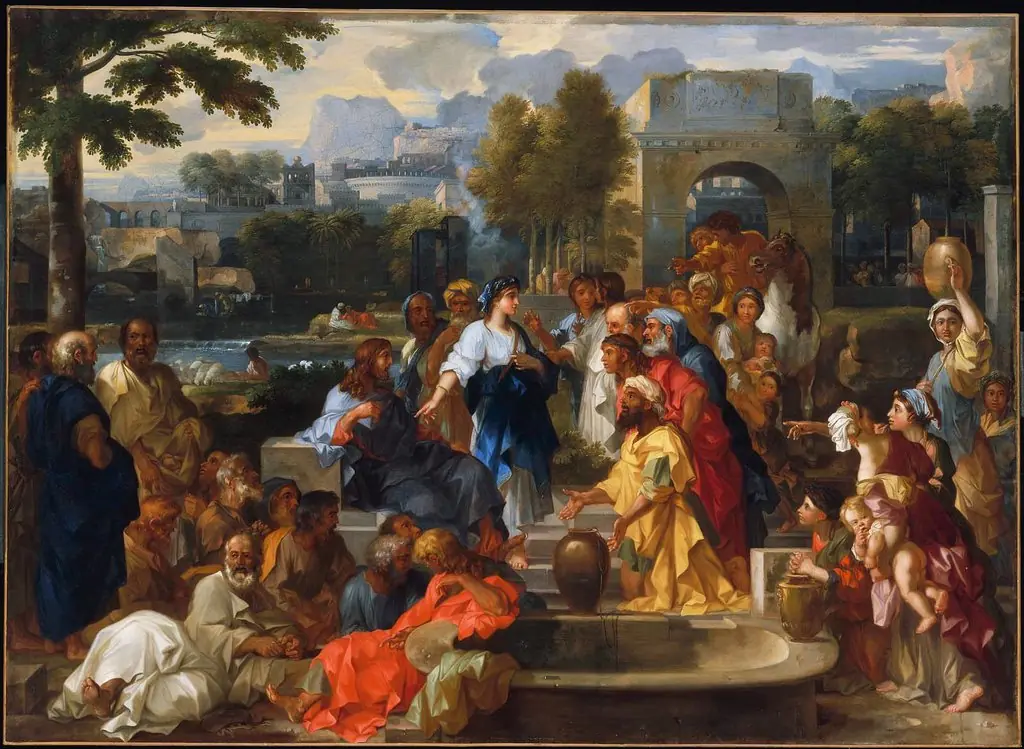 Christ and the Samaritan Woman
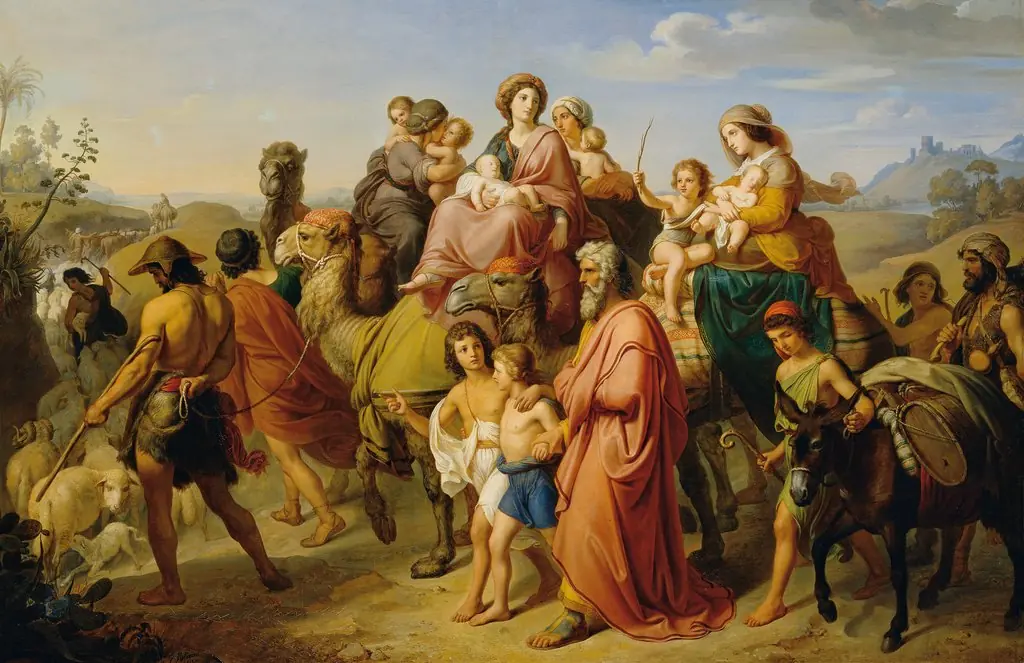 Jacob's homecoming
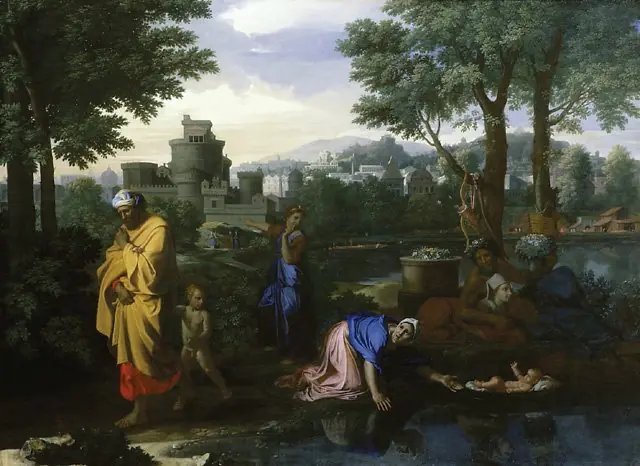 Moses exposed by the river
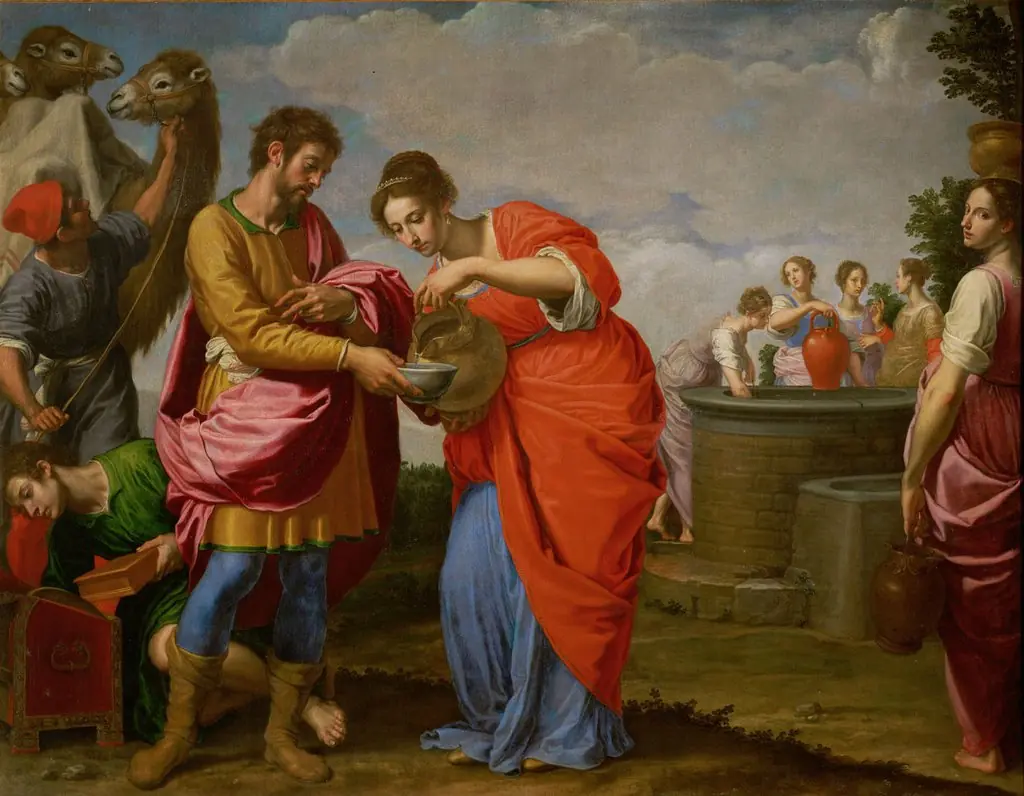 Rebekka und Elieser am Brunnen
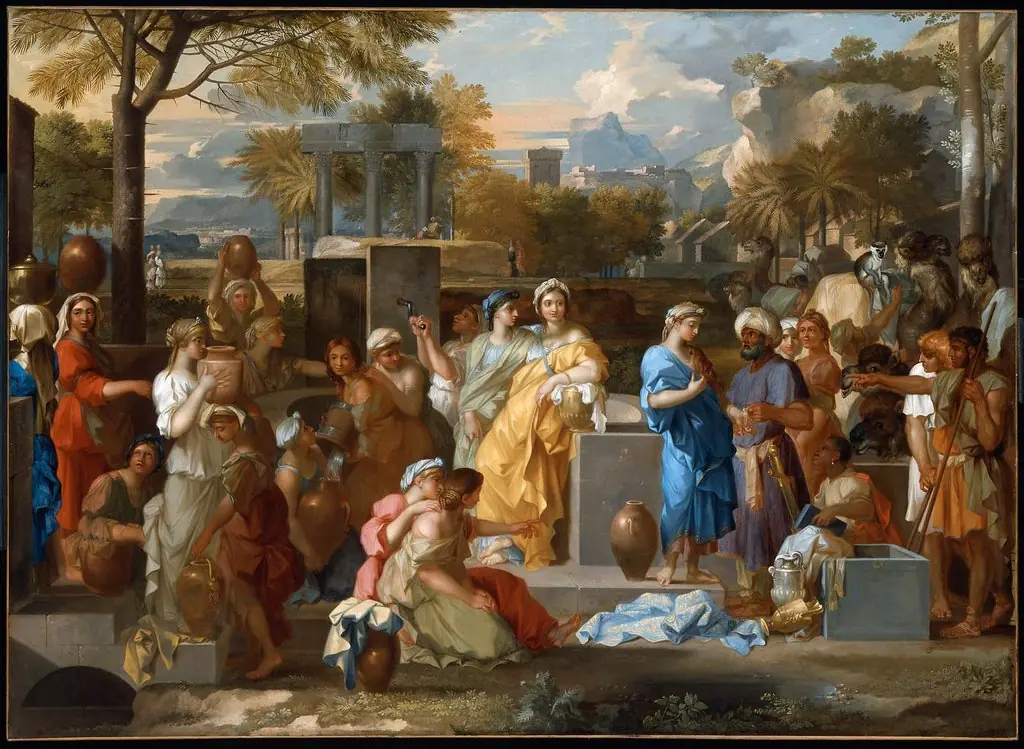 Rebecca and Eleazar