Artwork
The Sacrament of Extreme Unction
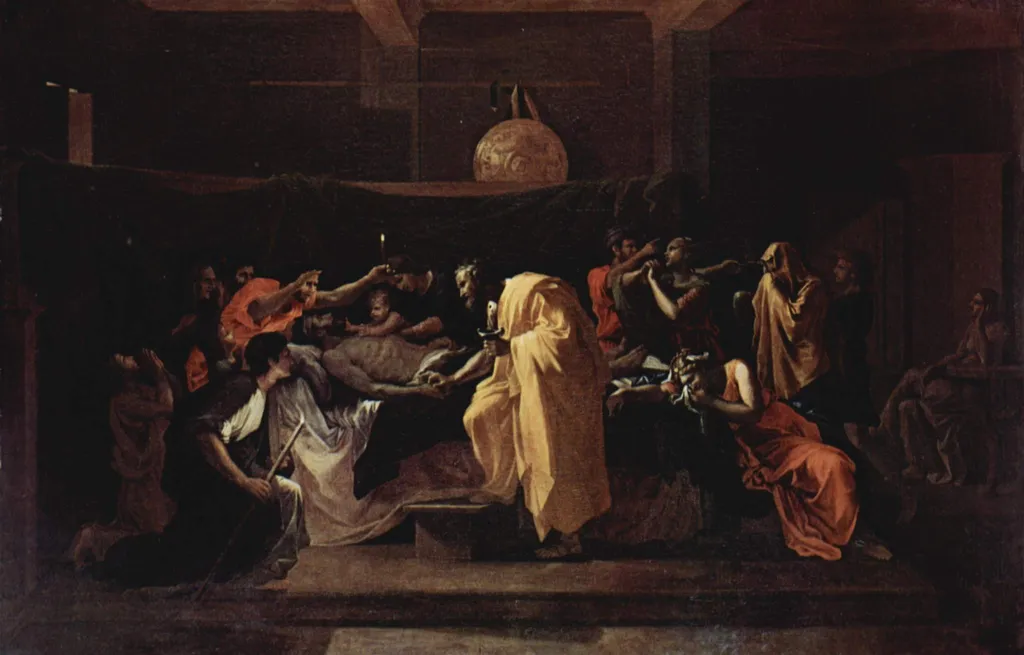
The Sacrament of Extreme Unction is an oil painting by the Spanish Baroque Tenebrist artist Nicolas Poussin. It dates from 1644 and is held in the collection of the National Galleries Scotland.
About this work
Overview
Painted in 1644 by Nicolas Poussin, this oil work illustrates the Catholic rite of Extreme Unction, administered to the dying. It resides in the Scottish National Gallery, where its quiet intensity continues to draw attention. The composition centers on a moment of spiritual transition, rendered with restrained emotion and careful spatial order, characteristic of Poussin’s classical approach.
Subject & Meaning
No dramatic gestures interrupt the stillness—meaning is conveyed through posture, gaze, and the sacred objects held in stillness.
The scene portrays a priest anointing a dying man with holy oil, as prescribed by the sacrament of Extreme Unction. Family and friends gather in quiet mourning, their gestures conveying grief and devotion. The act symbolizes spiritual preparation for death, emphasizing divine grace amid human frailty. No dramatic gestures interrupt the stillness—meaning is conveyed through posture, gaze, and the sacred objects held in stillness.
Technique & Style
Poussin employs chiaroscuro to model forms with subtle gradations of light, enhancing the three-dimensionality of figures and textiles. The candle’s glow illuminates faces and fabrics without overwhelming the scene, creating a hushed, intimate atmosphere. Brushwork is precise yet unobtrusive, favoring clarity over texture. The arrangement of figures follows a geometric harmony, reflecting Poussin’s commitment to rational composition.
History & Provenance
Commissioned for a private chapel, the painting entered the Scottish National Gallery’s collection in the 19th century. Its early ownership traces to French ecclesiastical patrons, though specific records of its journey remain incomplete. It has been exhibited intermittently since acquisition, consistently noted for its restrained emotional power and adherence to classical ideals.
Context
Created during Poussin’s Roman period, the painting reflects the Counter-Reformation’s emphasis on sacramental clarity and devotional discipline. The Church encouraged visual representations of rites to reinforce doctrine among the faithful. Poussin, influenced by antiquity and Raphael, avoided theatricality, instead offering a contemplative vision aligned with theological gravity.
Legacy
Though less widely known than Poussin’s mythological works, this painting exemplifies his ability to elevate religious ritual through order and quiet dignity. It influenced later French academic painters who valued narrative clarity and emotional restraint. Its presence in a public gallery ensures continued study of how sacred moments were rendered with intellectual and spiritual precision.
Own this work as a print
Artist & collection
Artist
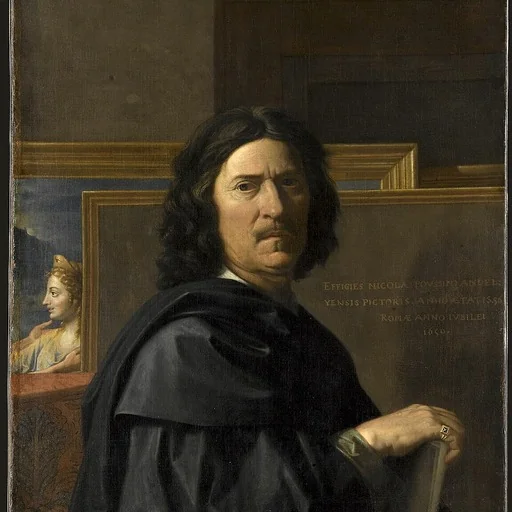
Nicolas Poussin (UK: , US: , French: ; June 1594 – 19 November 1665) was a leading painter of the classical French Baroque style, although he spent most of his working life in Rome.

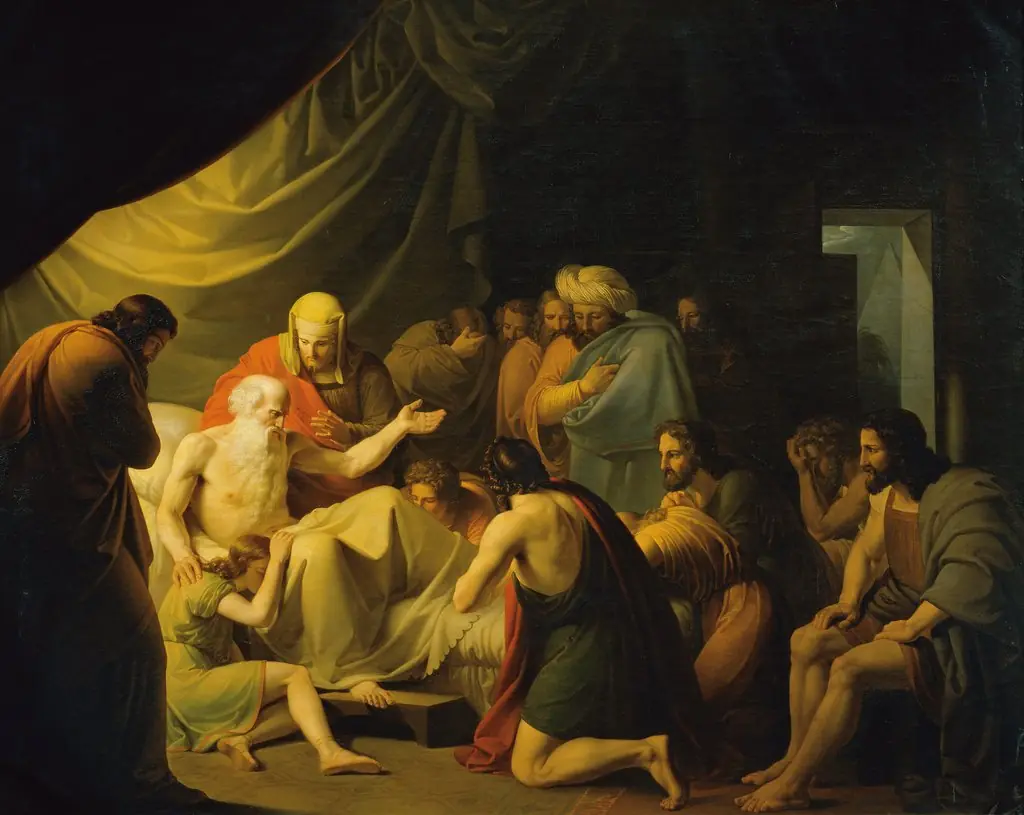 Jacob blesses the sons of Joseph
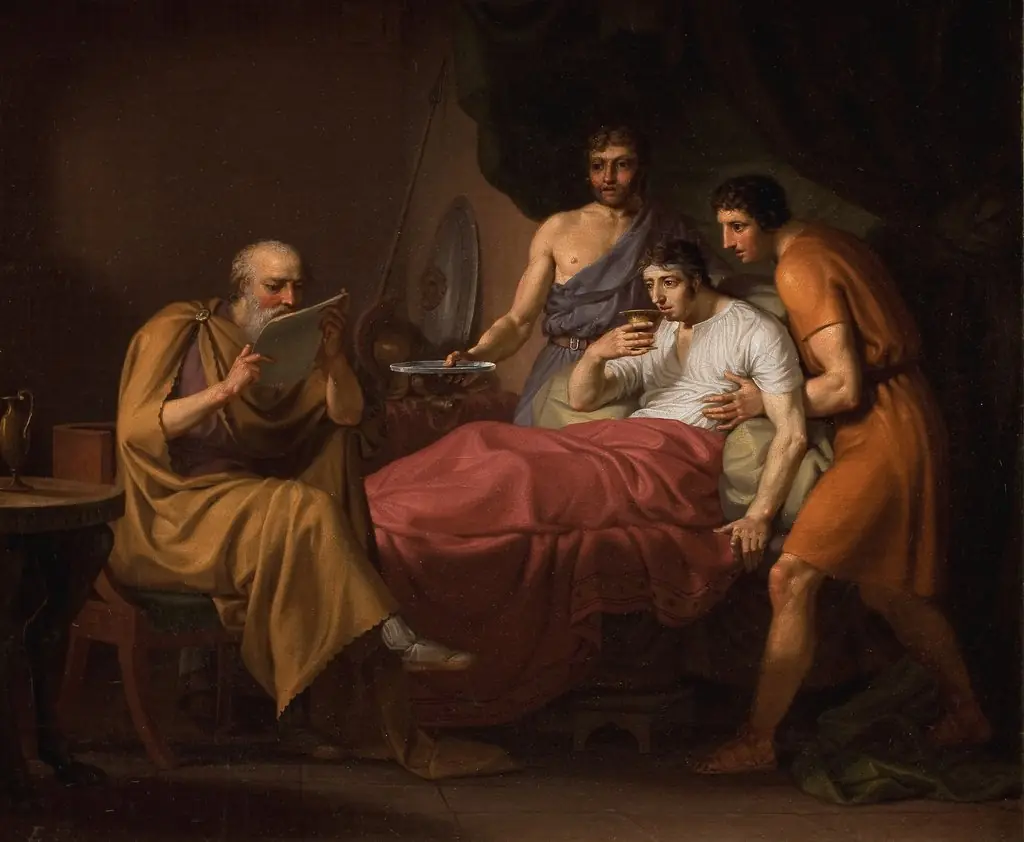 Alexander den Store på sygelejet
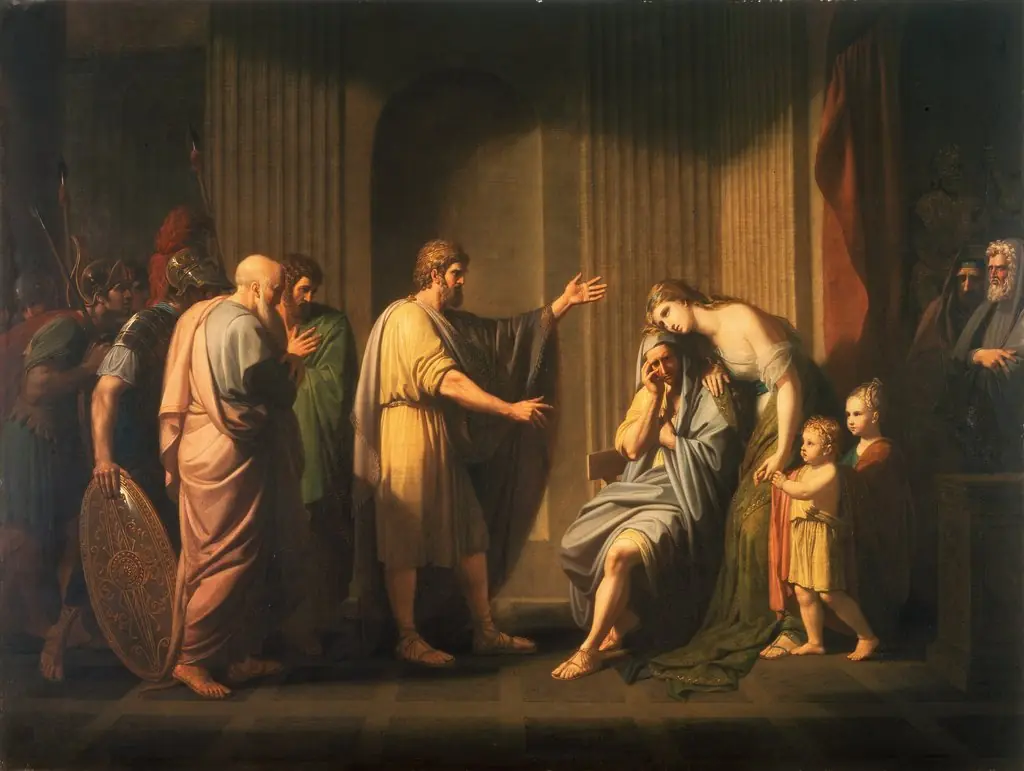 Cleombrotus Ordered into Banishment by Leonidas II, King of Sparta
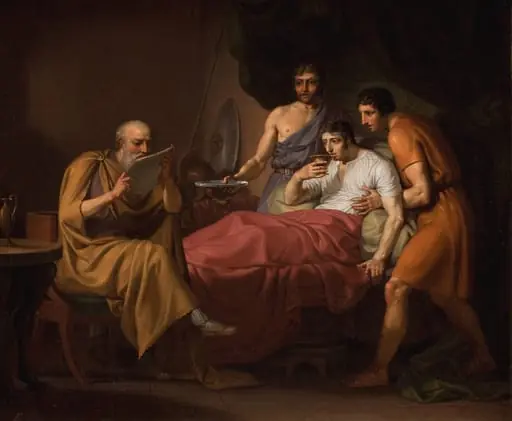 Alexander the Great on his Sickbed
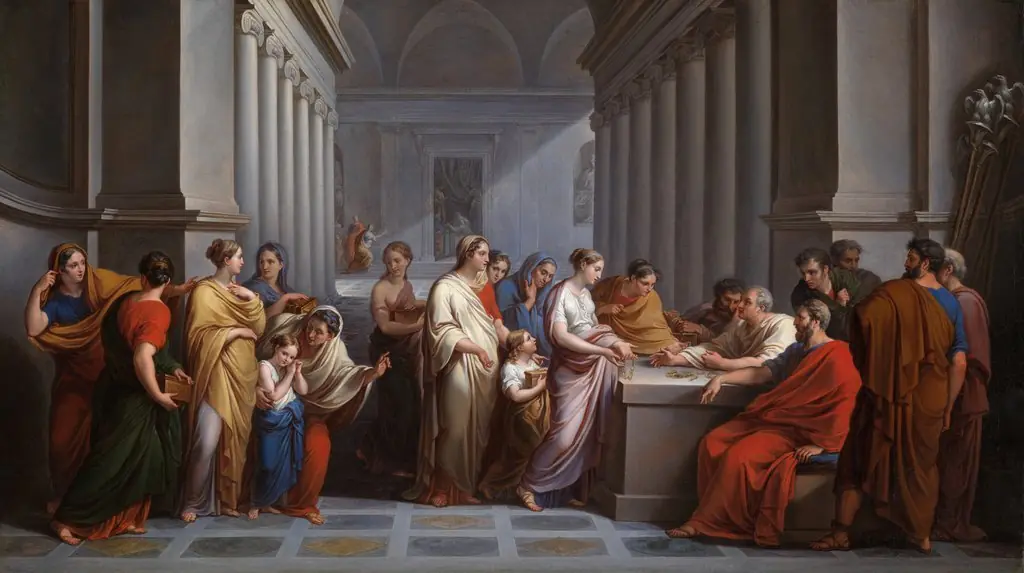 Roman Women Offering Their Jewellery in Defence of the State
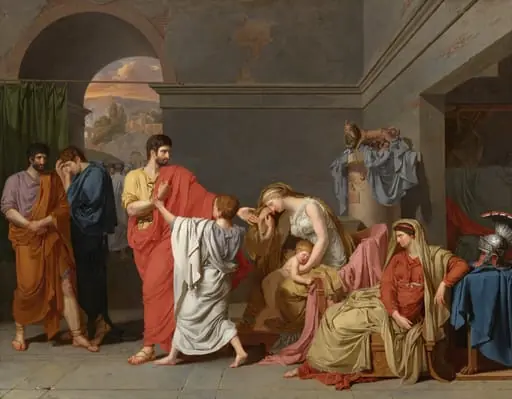 Coriolanus Taking Leave of his Family
 The Death of Socrates
 Berenice Reproaching Ptolemy