Artwork
Berenice Reproaching Ptolemy
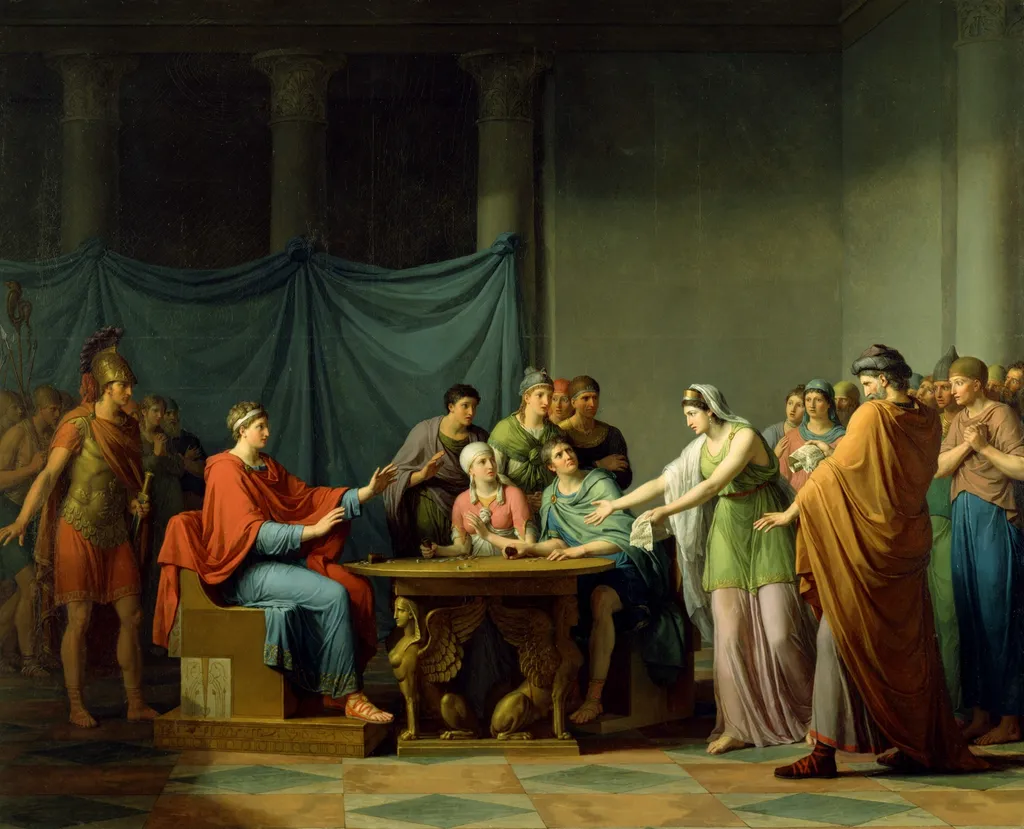
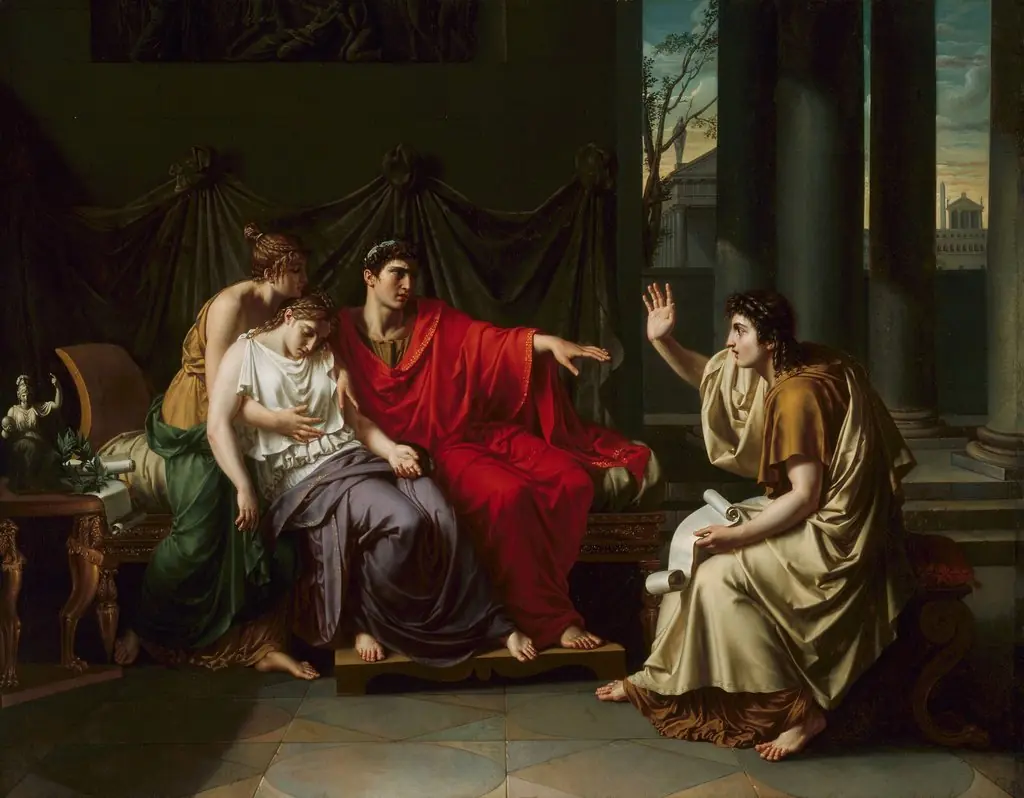
Berenice Reproaching Ptolemy is an oil painting by the Neoclassicist artist Jean-Joseph Taillasson. It dates from 1802 and is held in the collection of the Detroit Institute of Arts.
About this work
Overview
The painting is part of the Detroit Institute of Arts’ collection, where it remains a representative example of early 19th-century French academic painting.
Painted in 1802 by French artist Jean-Joseph Taillasson, this oil-on-canvas work portrays a moment from ancient history. Taillasson, known for his historical subjects and refined draftsmanship, executed the piece in the neoclassical idiom, emphasizing clarity of form and emotional restraint. The painting is part of the Detroit Institute of Arts’ collection, where it remains a representative example of early 19th-century French academic painting.
Subject & Meaning
The scene captures Berenice, a Hellenistic queen, confronting Ptolemy, likely her husband or relative, in an act of moral rebuke. Her outstretched arm and intense gaze convey disapproval, while Ptolemy’s posture suggests deference or shame. The moment reflects classical ideals of virtue and accountability, common in neoclassical narratives that drew from antiquity to comment on contemporary ethics and governance.
Technique & Style
Taillasson employs chiaroscuro to model the figures with sculptural solidity, enhancing their three-dimensionality against a dimly lit architectural backdrop. Warm hues in the garments contrast with cooler tones in the stone surroundings, directing focus to the central confrontation. The composition is balanced yet dynamic, with figures arranged in a triangular formation typical of academic training, and details like columns and tiled floors reinforce historical authenticity.
History & Provenance
Created during Taillasson’s mature period, the painting reflects his engagement with historical themes and his role in Parisian art circles as both practitioner and critic. It entered the Detroit Institute of Arts’ collection in the 20th century, likely through acquisition or bequest, and has since been studied as an example of French neoclassical narrative painting outside the most celebrated canonical works of the era.
Context
In the early 1800s, French artists frequently turned to ancient history to explore themes of power, duty, and moral integrity, especially in the aftermath of the Revolution. Taillasson’s depiction of Berenice aligns with this trend, using classical precedent to frame personal and political accountability. The painting’s restrained drama contrasts with the more theatrical styles emerging in Romanticism, reflecting the enduring influence of academic ideals.
Legacy
Though not widely exhibited today, the work contributes to understanding the breadth of neoclassical painting beyond major figures like David. Taillasson’s attention to historical detail and psychological nuance offers insight into how lesser-known artists interpreted classical narratives for contemporary audiences. The painting remains a quiet but deliberate expression of moral clarity within the academic tradition.
Own this work as a print
Artist & collection
Artist
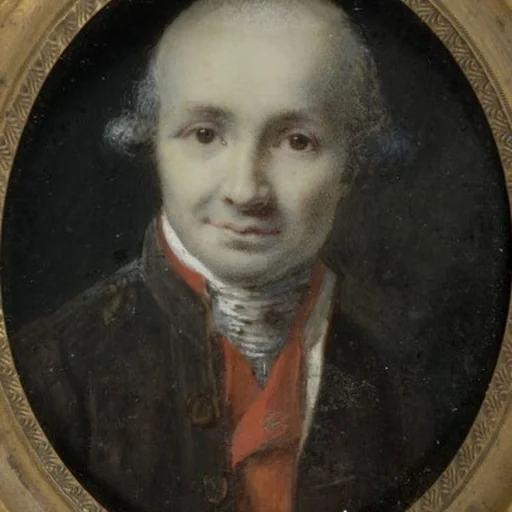
Jean-Joseph Taillasson (French: ; 6 July 1745 – 11 November 1809) was a French history painter, portraitist, draftsman, and art critic.

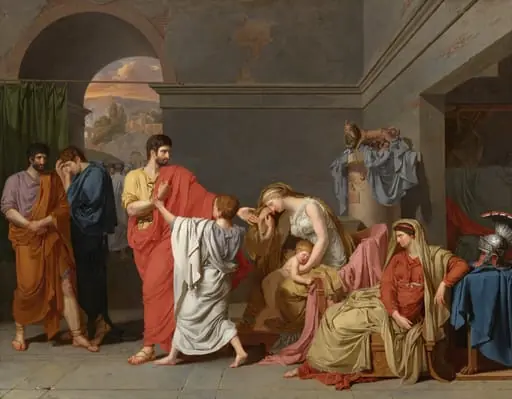 Coriolanus Taking Leave of his Family
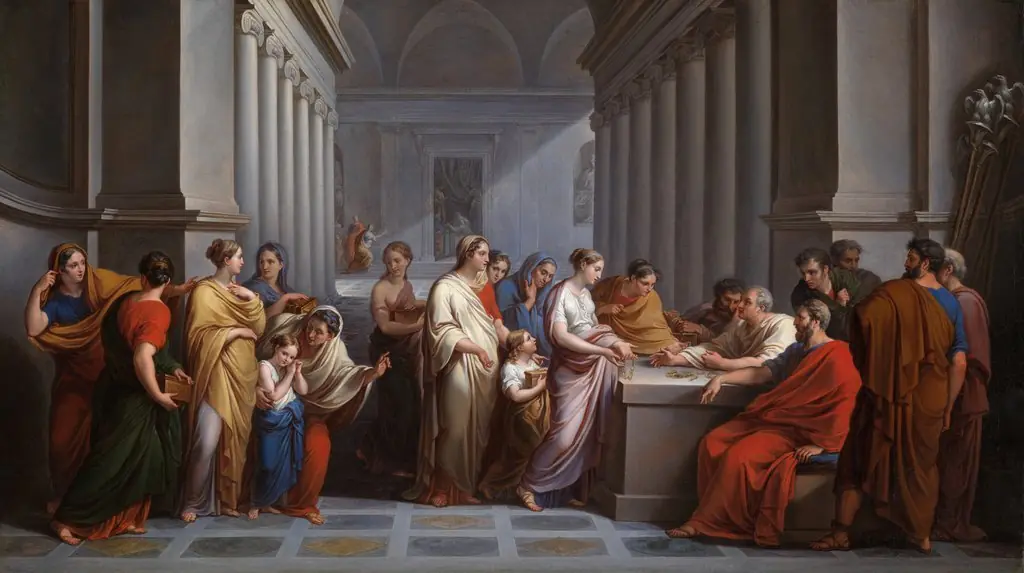 Roman Women Offering Their Jewellery in Defence of the State
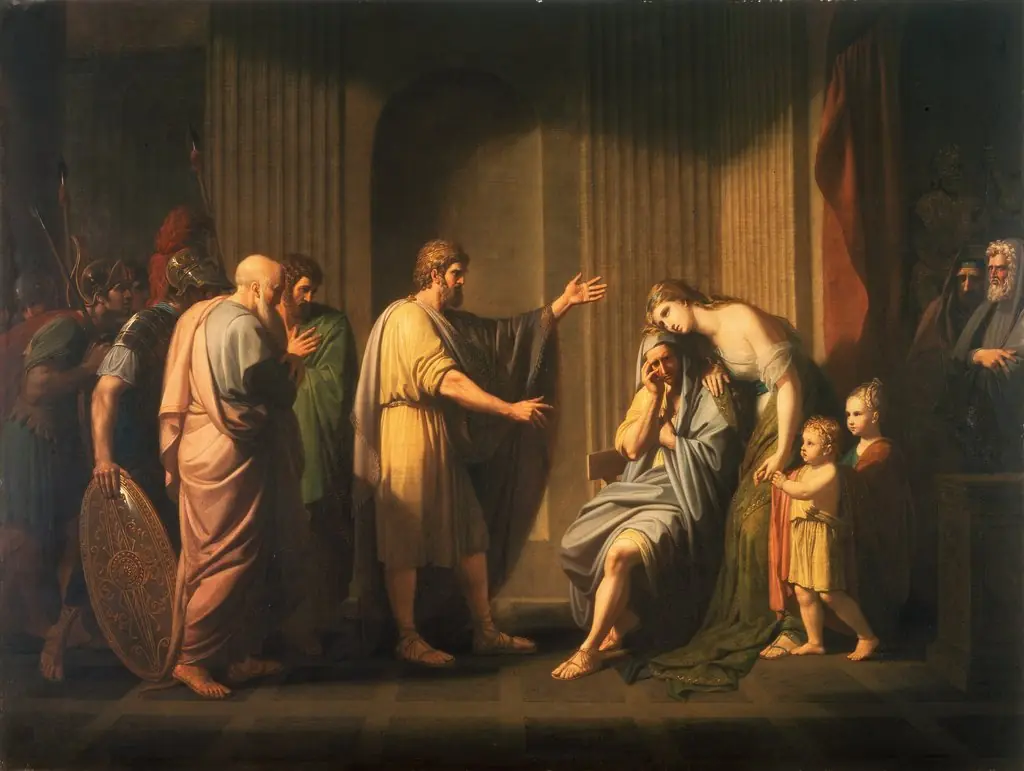 Cleombrotus Ordered into Banishment by Leonidas II, King of Sparta
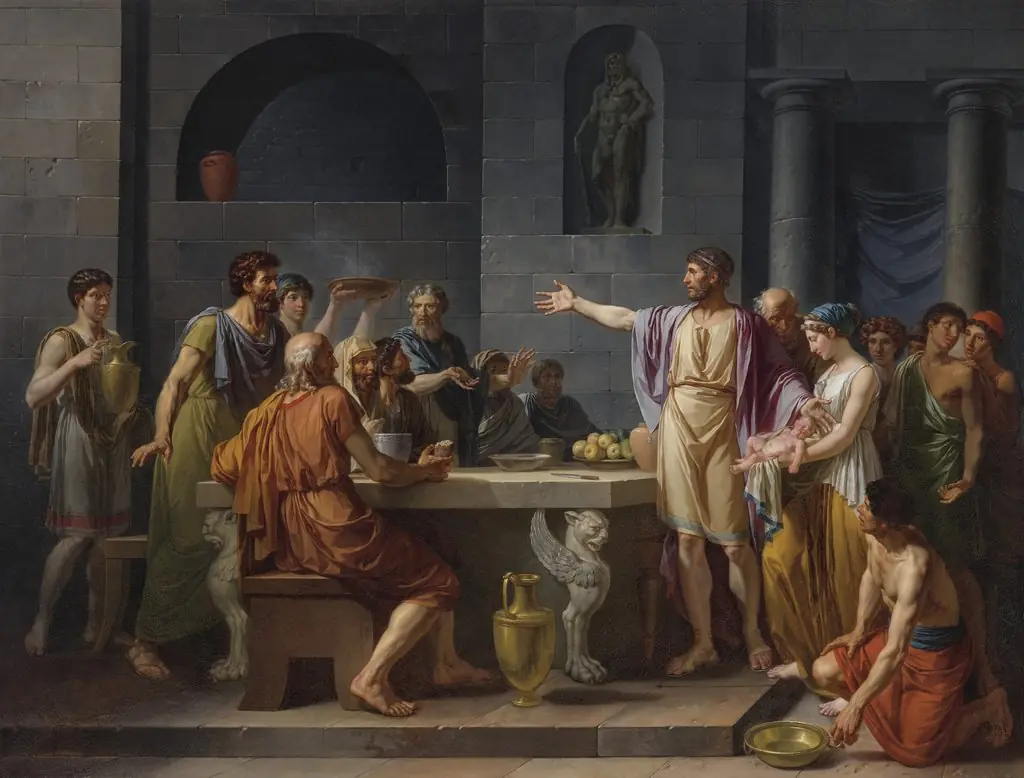 The Magnanimity of Lycurgus
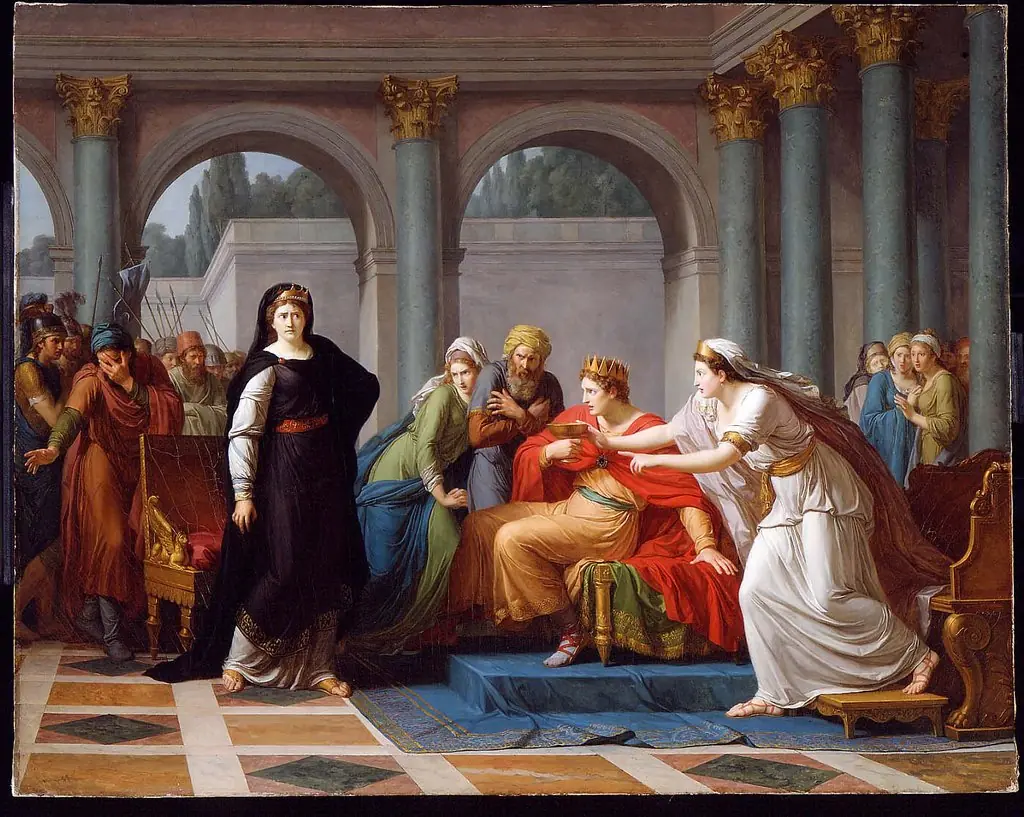 "Seigneur! Voyez ces yeux" (Cleopatra Discovered by Rodogune to Have Poisoned the Nuptial Cup)
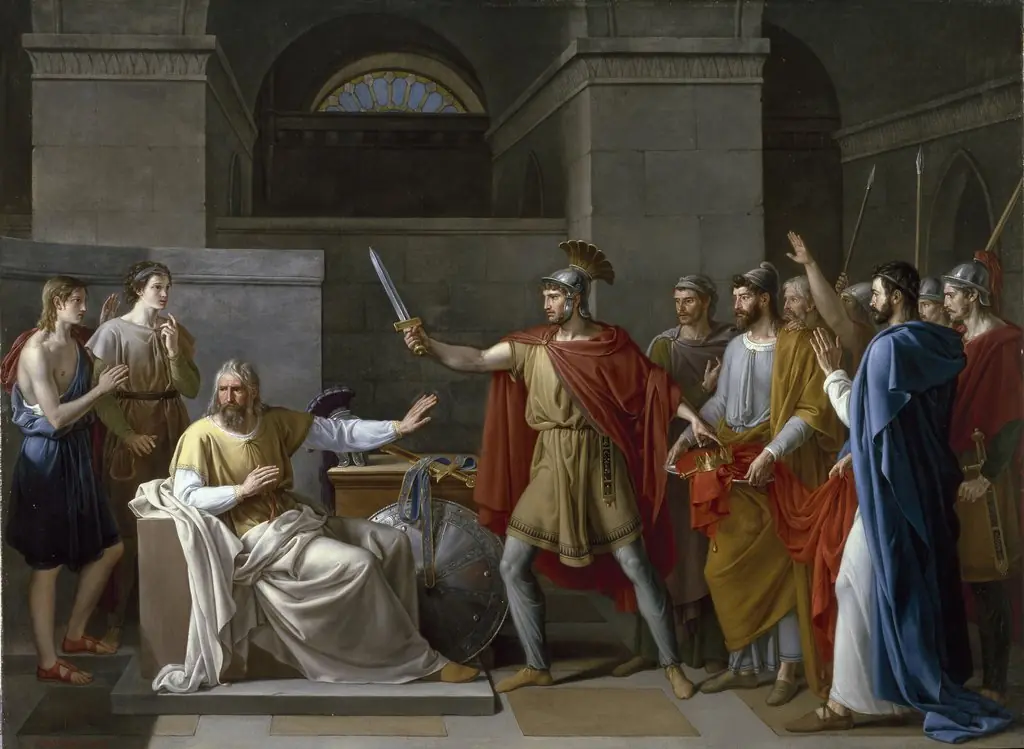 Wamba renouncing the Crown
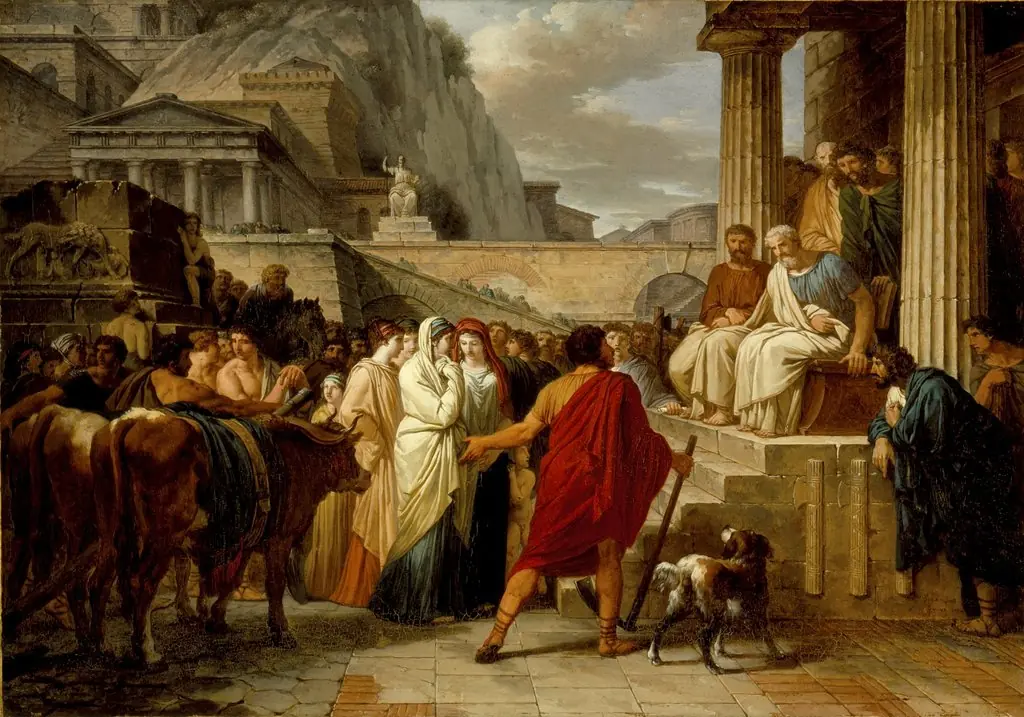 Caius Furius Cressinus Accused of Sorcery
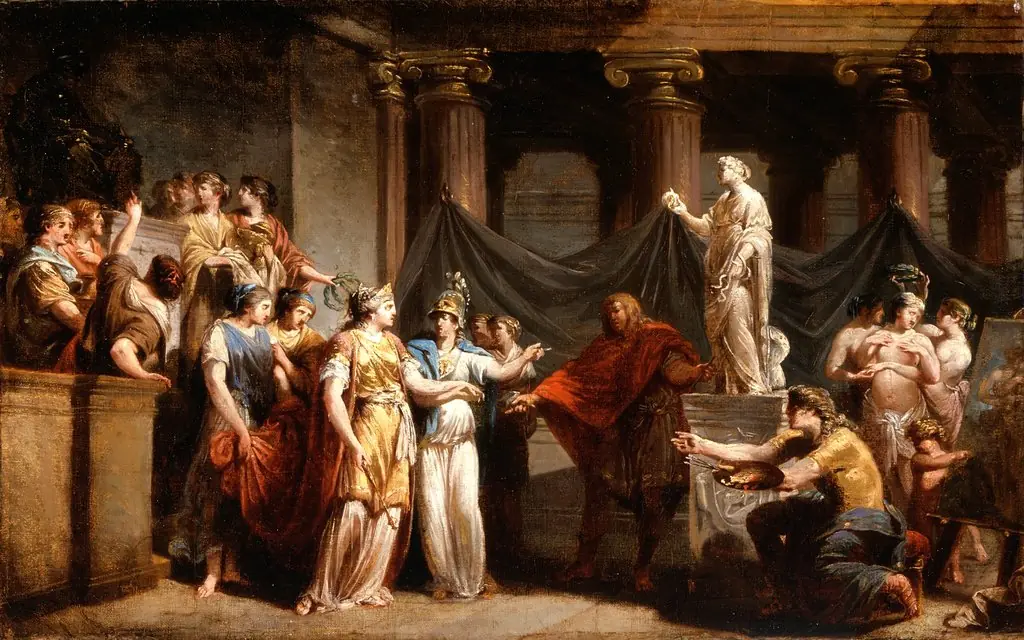 The Temple of the Liberal Arts, with the City of Bern and Minerva
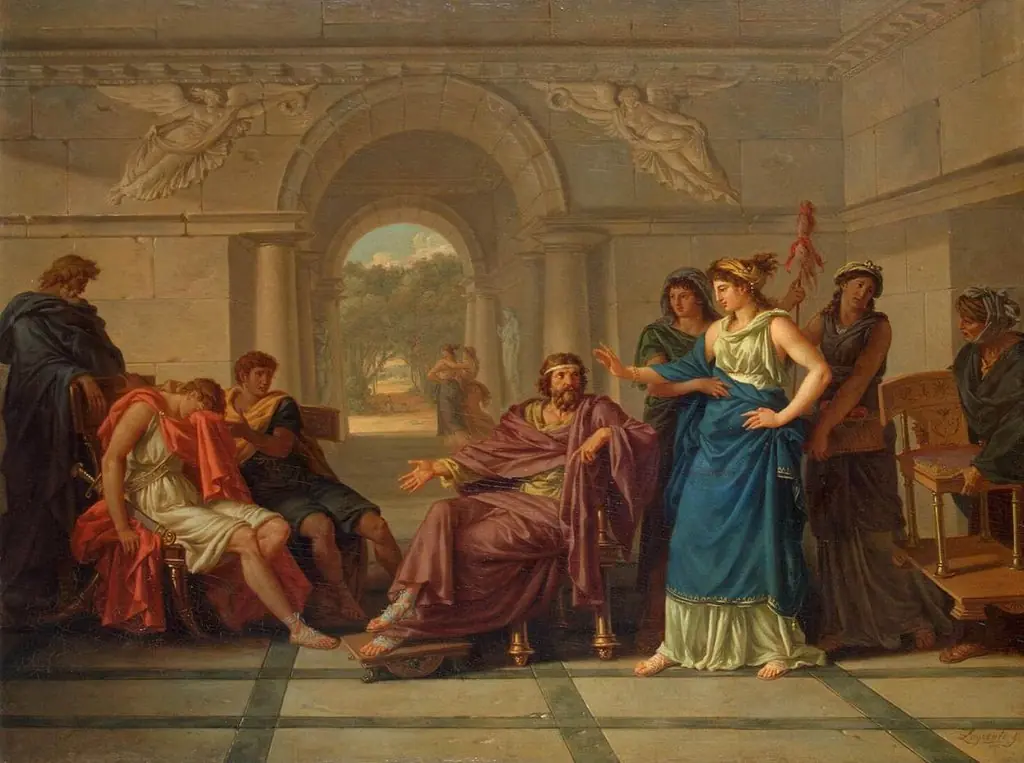 Helen Recognising Telemachus, Son of Odysseus
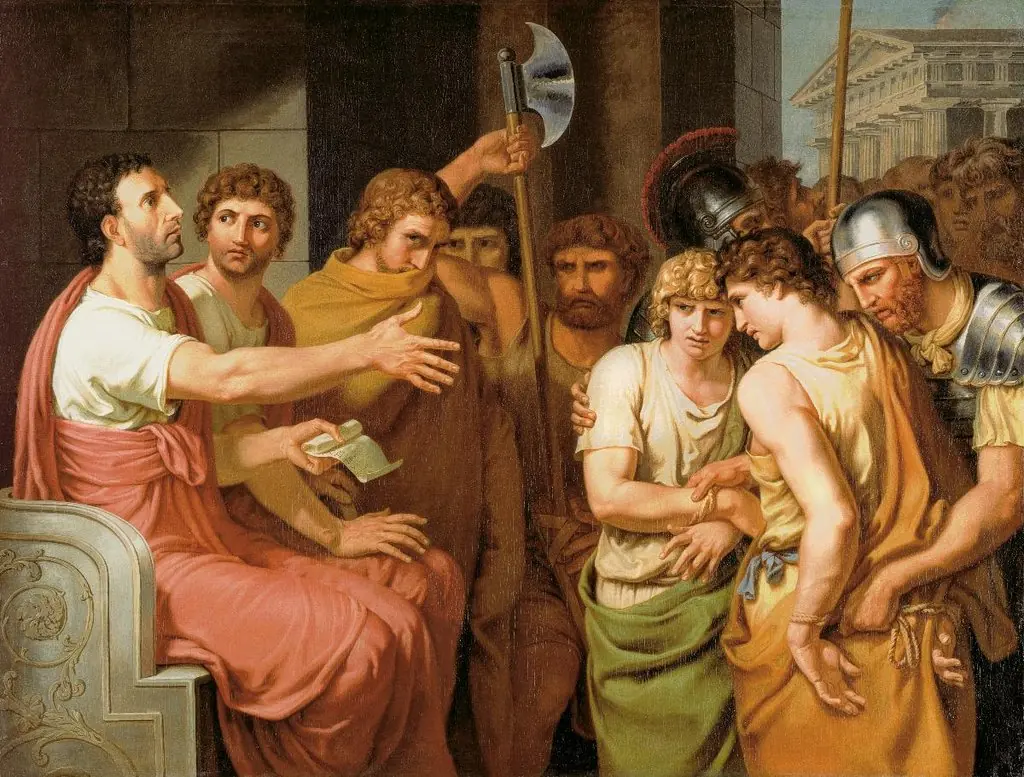 Brutus entdeckt die Namen seiner Söhne auf der Liste der Verschwörer und verurteilt sie zum Tode
 Virgil Reading the "Aeneid" to Augustus, Octavia, and Livia
 Moïse enfant présenté à Pharaon