Artwork
The Triumph of David
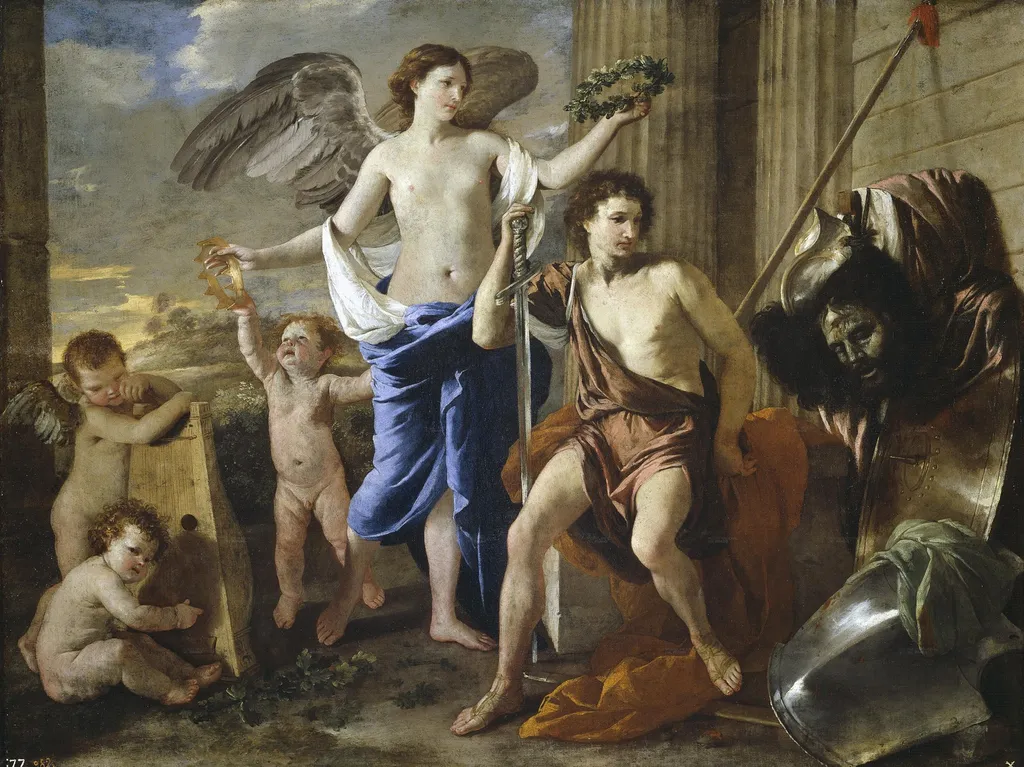
The Triumph of David is an oil painting by the Early Baroque Italian artist Nicolas Poussin. It dates from 1630 and is held in the collection of the Museo del Prado.
About this work
Overview
Created in 1630, Nicolas Poussin’s oil on canvas entitled The Triumph of David belongs to the museum’s collection at the Prado. The work presents a dramatic tableau that combines biblical narrative with allegorical elements, rendered in a somber palette that emphasizes contrast between light and shadow.
Subject & Meaning
At the centre stands a winged, white‑clad figure bearing a laurel branch, poised above a bearded man who rests his weight on a spear. Nearby, two small children observe the scene, while an armored soldier kneels with shield and helmet. The composition suggests a celebration of David’s victory, with the celestial figure symbolising divine approval.
Technique & Style
Poussin employs a pronounced chiaroscuro, allowing the illuminated figures to emerge from a dark, craggy ground under a storm‑laden sky. Thick impasto is evident on flesh and drapery, giving texture to skin and fabric, while softer brushwork defines the ethereal glow surrounding the winged attendant.
History & Provenance
The painting entered the Museo del Prado’s holdings in the 19th century, having previously been part of private collections in France. Its attribution to Poussin has been consistently affirmed by scholars, based on stylistic analysis and archival documentation linking the work to the artist’s early 1630s output.
Context
The work reflects Poussin’s engagement with classical and biblical subjects during the French Baroque period, integrating the dramatic lighting favored by Caravaggisti with his own measured classicism. The inclusion of allegorical figures aligns with contemporary practices of embedding moral or theological commentary within historical scenes.
Own this work as a print
Artist & collection
Artist
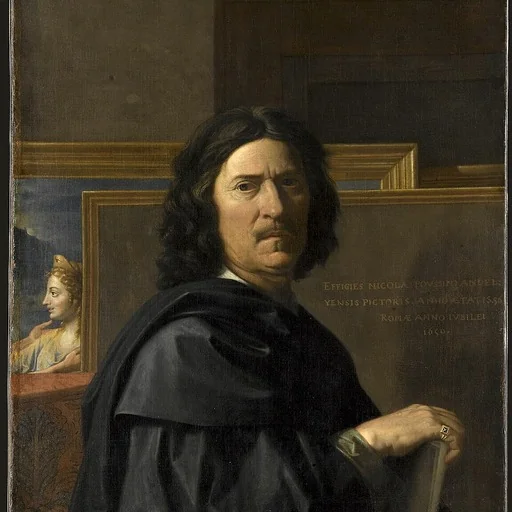
Nicolas Poussin (UK: , US: , French: ; June 1594 – 19 November 1665) was a leading painter of the classical French Baroque style, although he spent most of his working life in Rome.

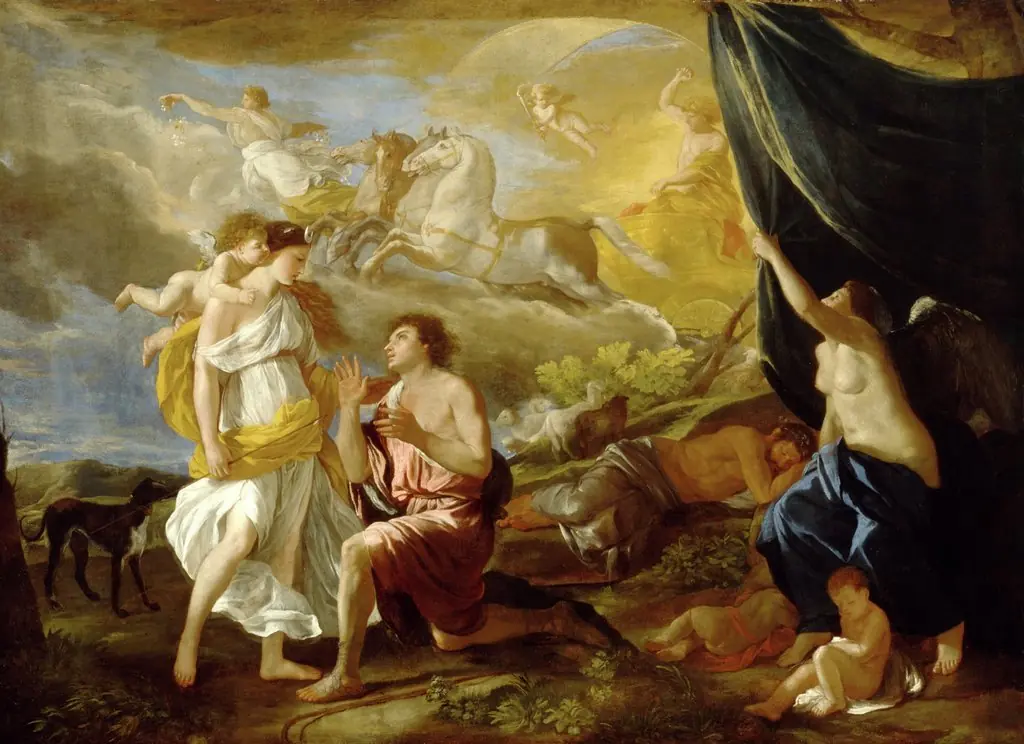 Selene and Endymion
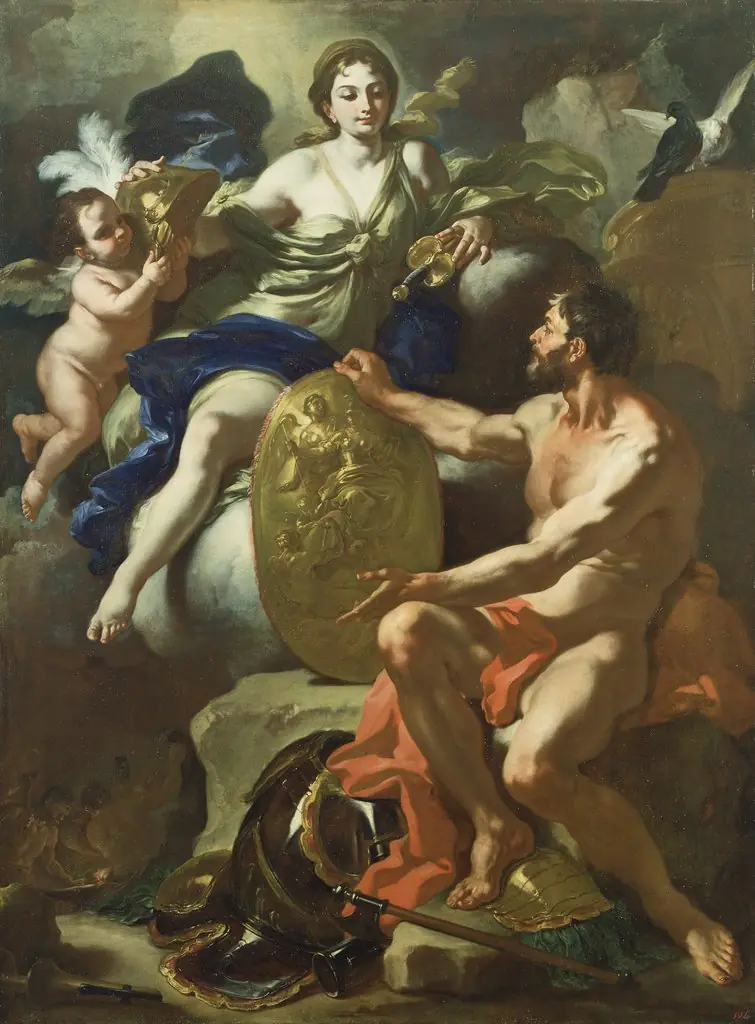 Venus at the Forge of Vulcan
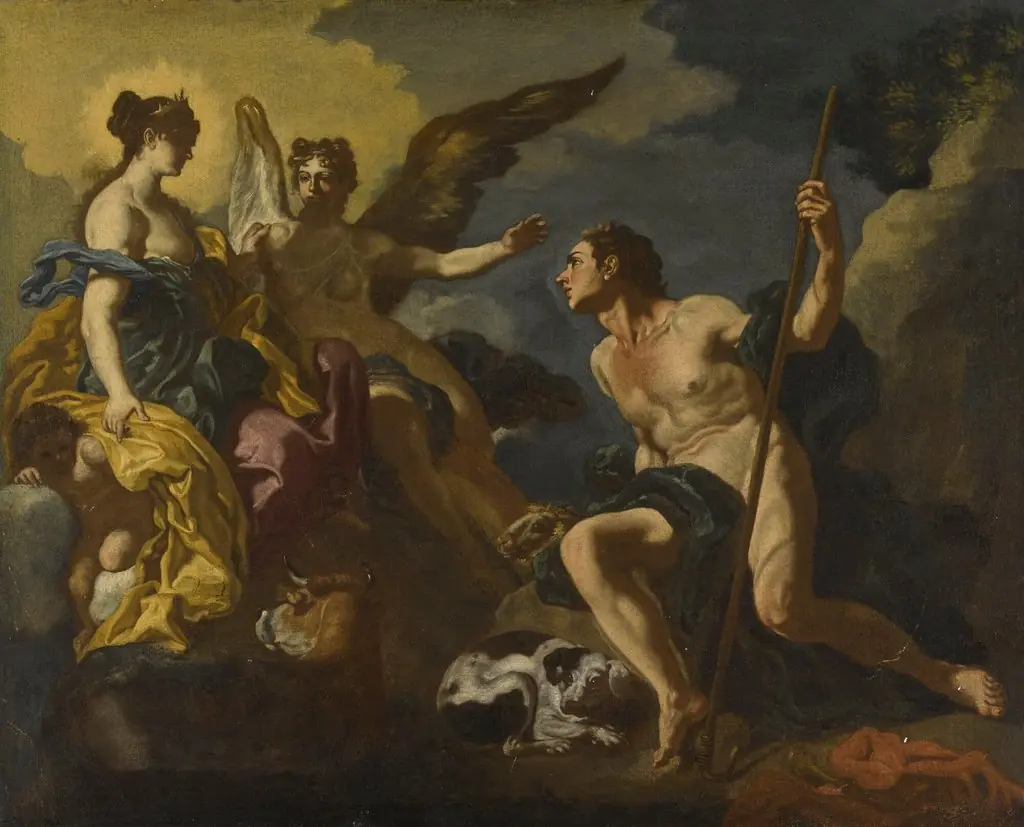 Juno, Io and Argus
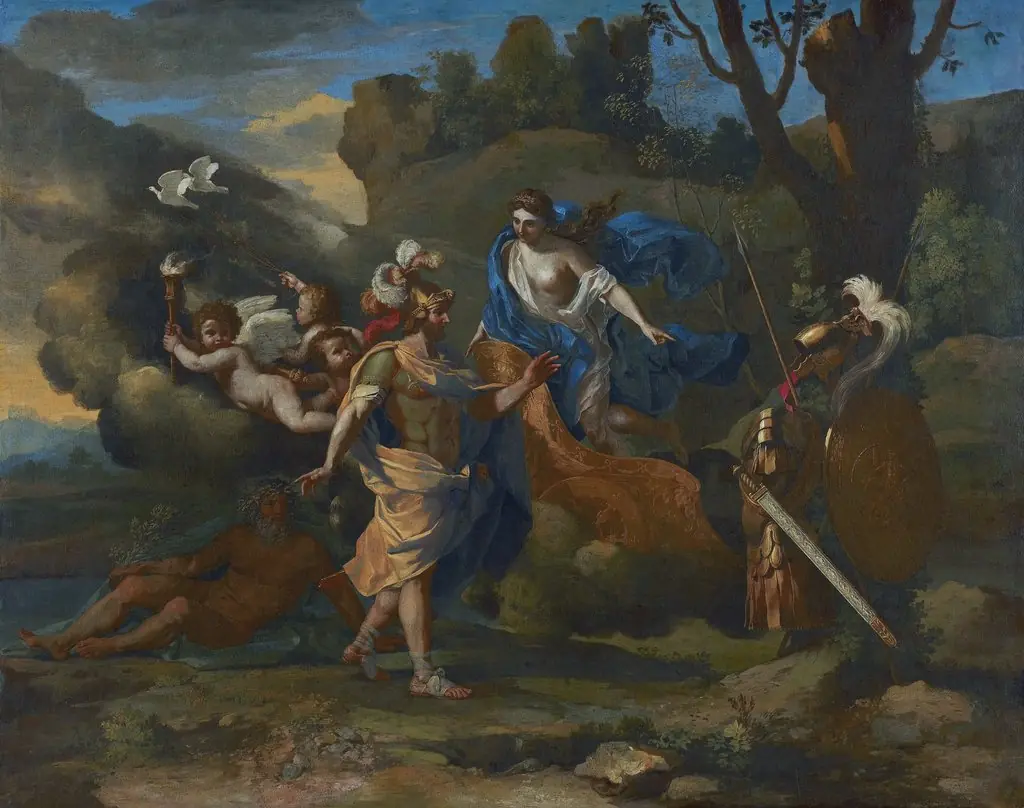 Venus, Mother of Aeneas, presenting him with Arms forged by Vulcan"
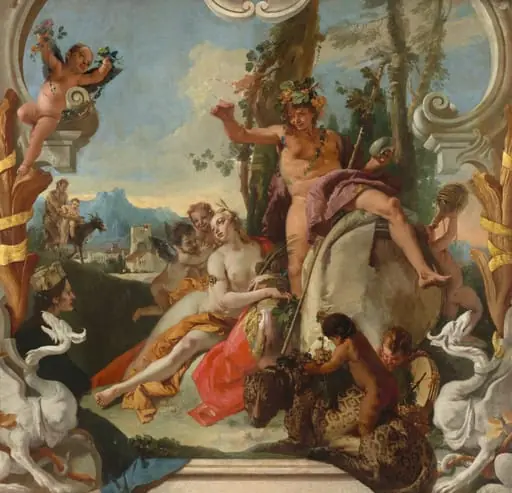 Bacchus and Ariadne
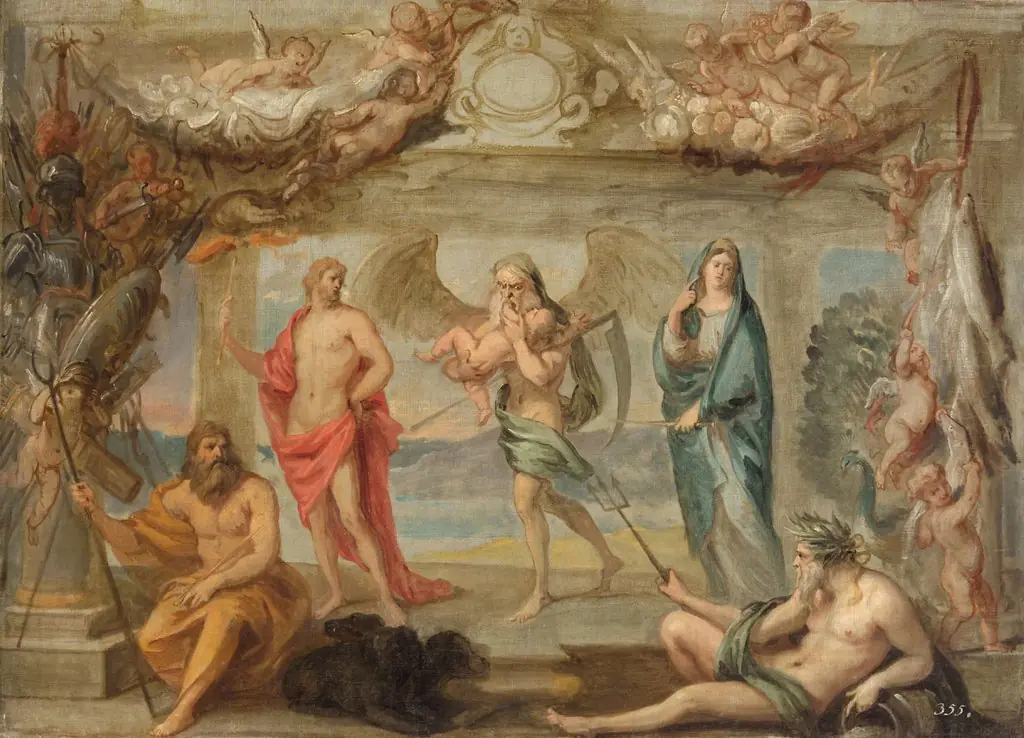 Die Elemente und die Zeit
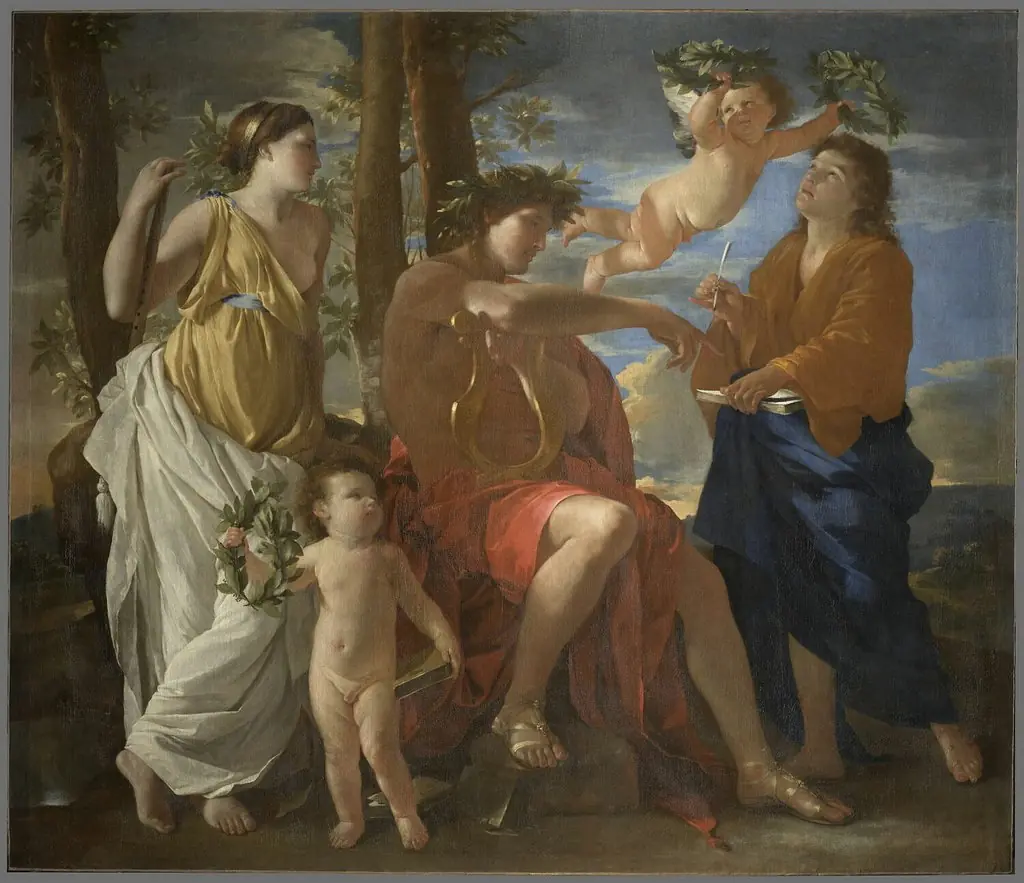 The Inspiration of the Poet
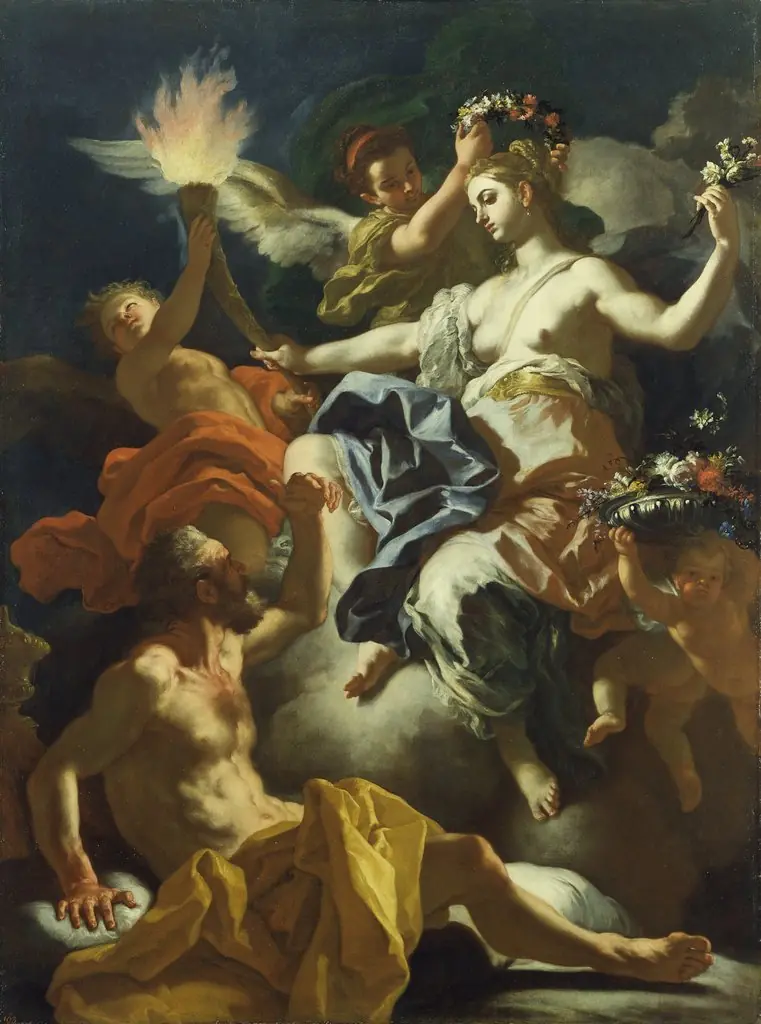 Aurora Taking Leave of Tithonus
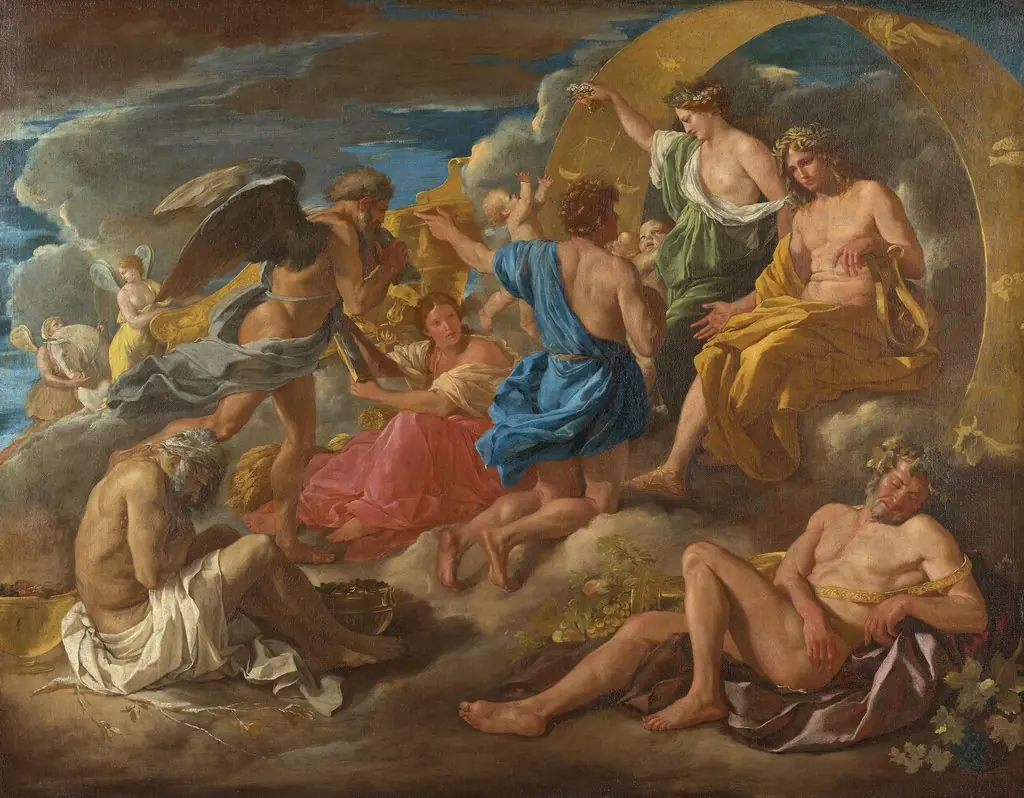 Helios and Phaeton with Saturn and the Four Seasons
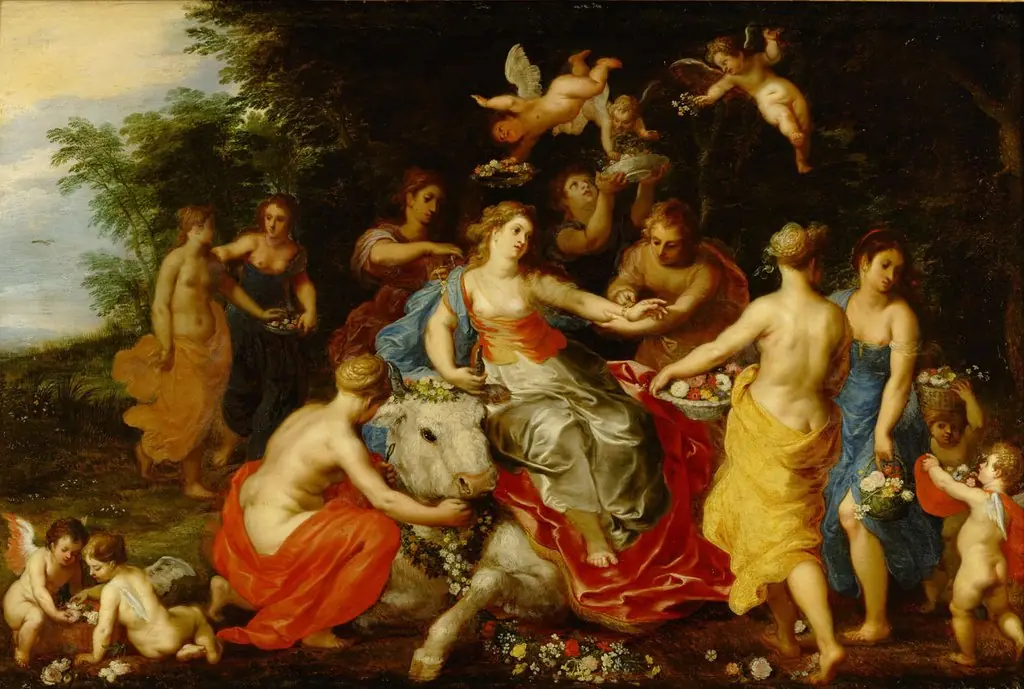 Europa riding the bull
 The Abduction of Orithyia
 Virtue Overcoming Avarice