Artwork
Shanglin Park

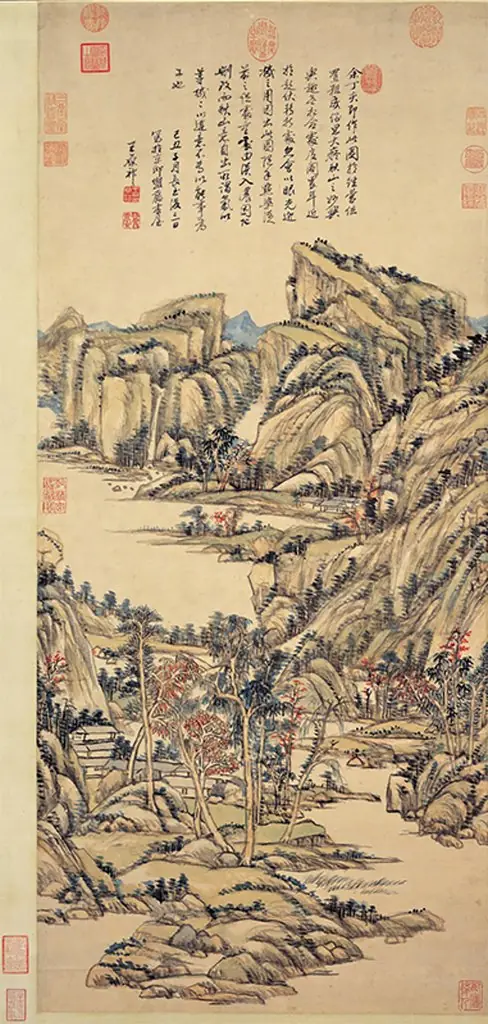
Shanglin Park is an unspecified painting by the Ming dynasty painting artist Qiu Ying. It dates from 1538 and is held in the collection of the National Palace Museum.
About this work
Overview
Painted in 1538 by Qiu Ying, this landscape depicts Shanglin Park, a historical imperial garden near Chang’an. Executed in ink and light color on silk, the work reflects the refined aesthetic of the Wu School. Its quiet composition and restrained palette convey a contemplative mood, aligning with literati ideals of harmony between nature and human presence.
Subject & Meaning
The scene portrays an idealized version of a Han dynasty imperial park, blending real and imagined elements. Rolling hills, dense foliage, and distant pavilions suggest a retreat from courtly life. The winding path invites quiet strolling, symbolizing spiritual withdrawal and the pursuit of tranquility. The absence of human figures enhances the sense of solitude and timeless serenity.
Technique & Style
Qiu Ying employed fine, controlled brushwork to render textures of bark, rock, and foliage with precision. Layers of translucent washes create depth without bold contrasts, while muted greens, browns, and grays unify the composition. The delicate handling of ink and mineral pigments reflects his mastery of traditional techniques, balancing detail with atmospheric subtlety.
History & Provenance
The painting entered the imperial collection during the Ming dynasty and remained in royal custody until the 20th century. It was later transferred to the National Palace Museum in Taipei following the relocation of artifacts during the Chinese Civil War. Its continuous imperial ownership underscores its status as a work of high artistic and cultural value.
Context
Qiu Ying worked during a period when elite painters revived classical themes to express cultural continuity amid political change. Shanglin Park references Han dynasty imperial gardens, evoking nostalgia for an idealized past. His style, though technically precise, aligned with literati values by prioritizing mood over narrative, distinguishing him from court decorators.
Legacy
The painting exemplifies the synthesis of technical discipline and poetic restraint characteristic of Ming professional painters. Though less celebrated than some contemporaries, Qiu Ying’s works like this one influenced later generations seeking to balance detail with meditative calm. Its preservation in the National Palace Museum ensures continued scholarly and aesthetic engagement.
Artist & collection


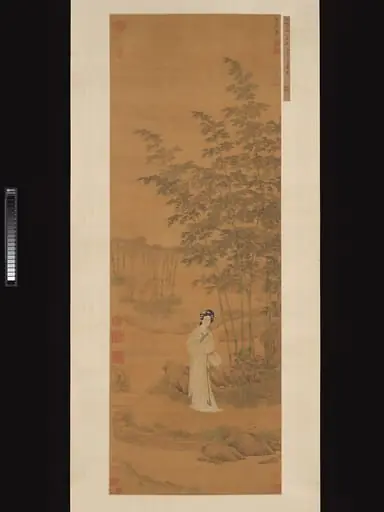 明 傳仇英 文玉圖 軸圖 軸|Lady in a Bamboo Grove
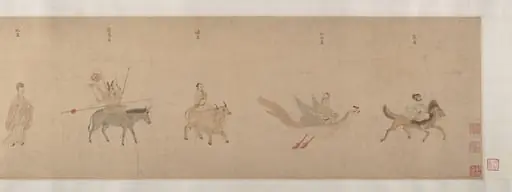 明 傳仇英 五星二十八宿神形圖 卷|Divinities of the Planets and Constellations
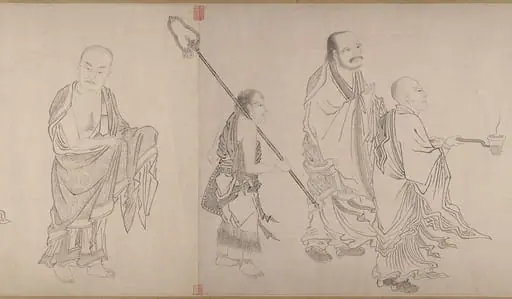 明 傳仇英 十六羅漢圖 卷|The Sixteen Luohans
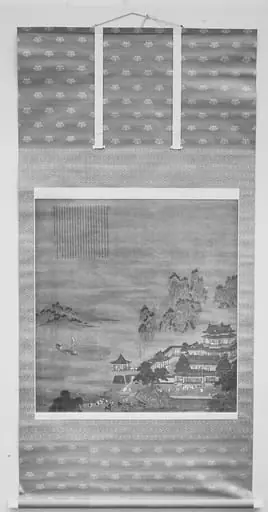 明 佚名 傳仇英 唐宫圖 軸|A Tang Palace
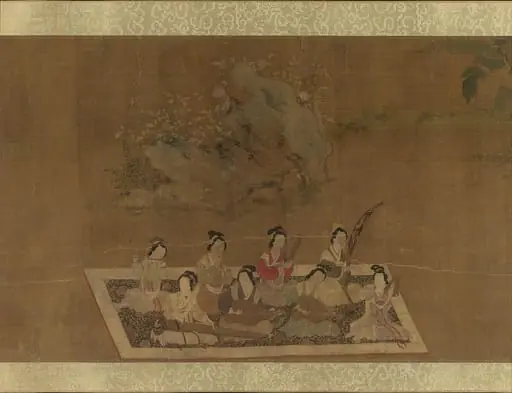 明 佚名 蘇蕙璇璣圖 卷|Lady Su Hui and Her Verse Puzzle
 Zhao Mengfu Writing the Heart (Hridaya) Sutra in Exchange for Tea
 Garden for Solitary Enjoyment
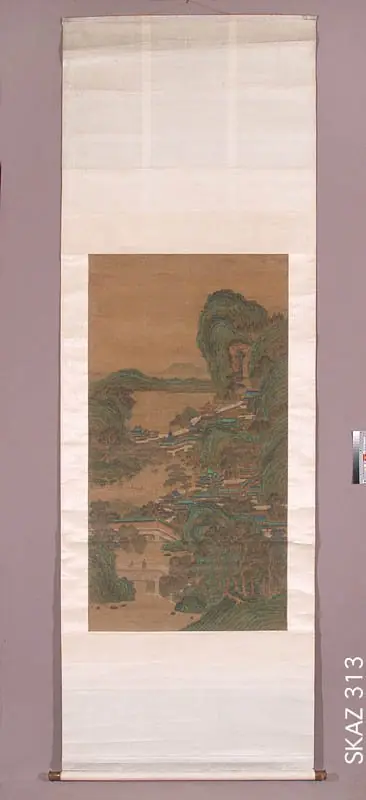 Pałac nad brzegiem jeziora - pejzaż
 Reviewing the Examination Results
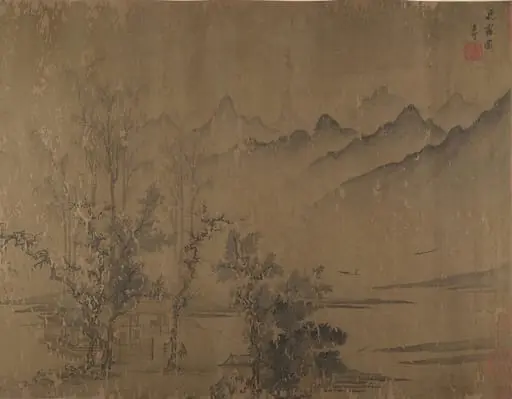 Untitled
 View from the Keyin Pavilion on Paradise (Baojie) Mountain
 Dream Journey among Rivers and Mountains, no. 90
 Hall of Lofty Pines
 Dwelling in the Fuchun Mountains (Ziming Scroll)
 Landscape, The Palace of the Clouds
 Scholar-Hermits in the Autumn Mountains
 Oeyama Engi
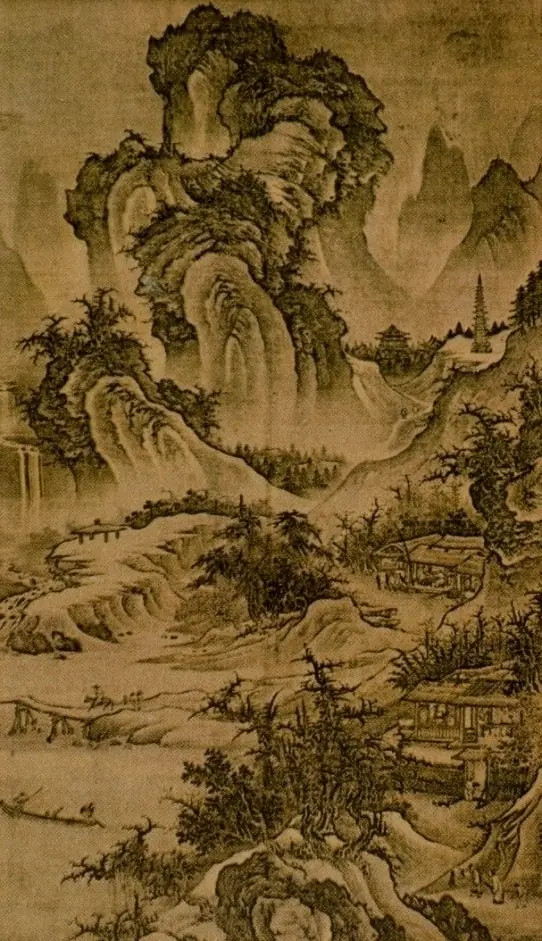 Mountain Hermitage
 Autumn Mountains
 Along the River During the Ch'ing Ming Festival Season