Artwork
Saint Jerome in his cell

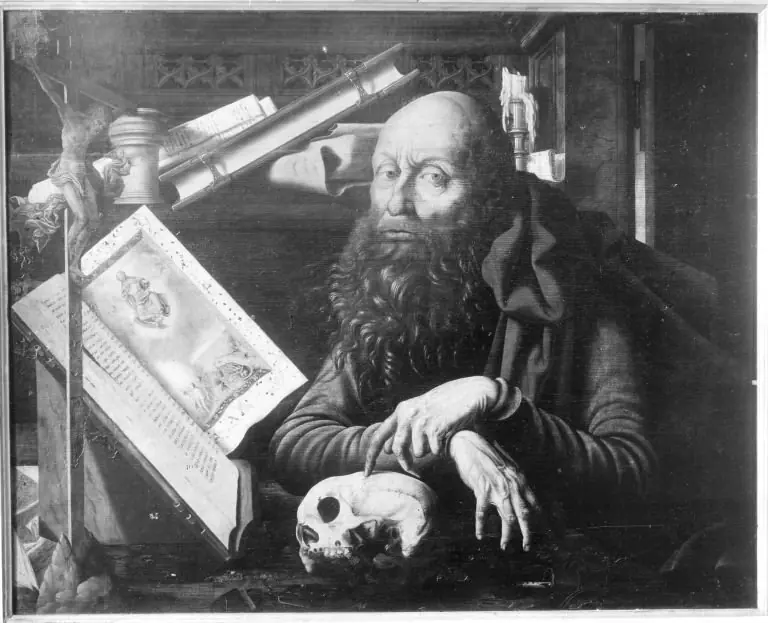
Saint Jerome in his cell is an oil painting by the Northern Renaissance artist Quinten Metsys. It dates from 1524 and is held in the collection of the Kunsthistorisches Museum.
About this work
Overview
Saint Jerome in his cell is a 1524 oil painting by Quinten Metsys, a prominent Flemish painter and founder of the Antwerp school. The work exemplifies the Early Netherlandish tradition, combining religious and moral themes.
Subject & Meaning
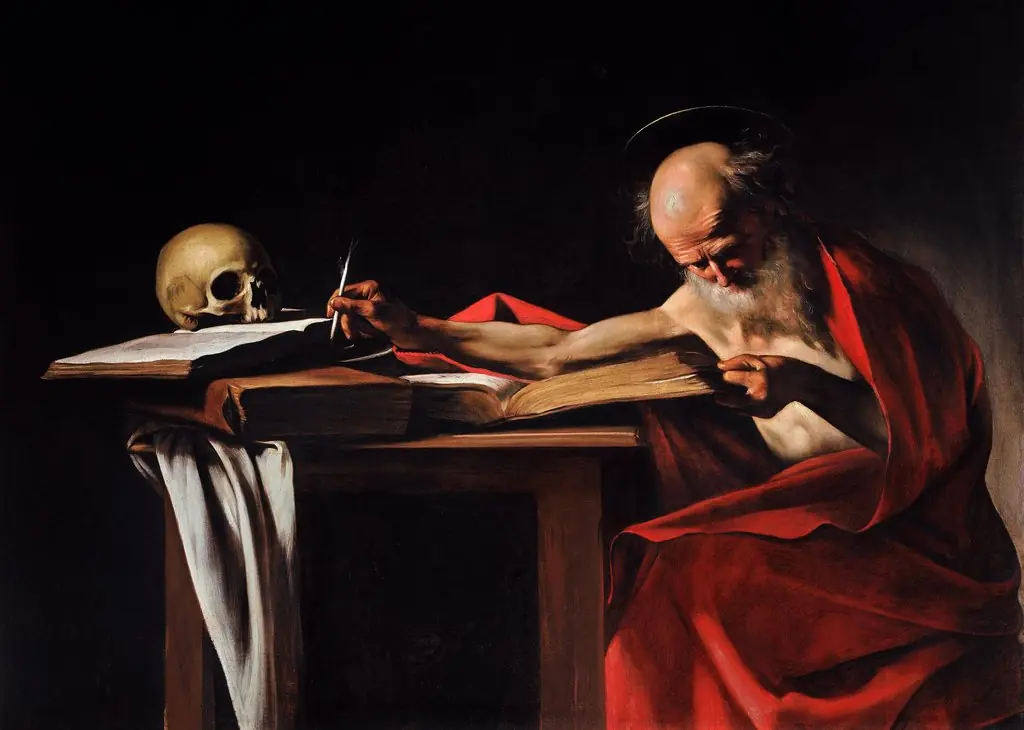
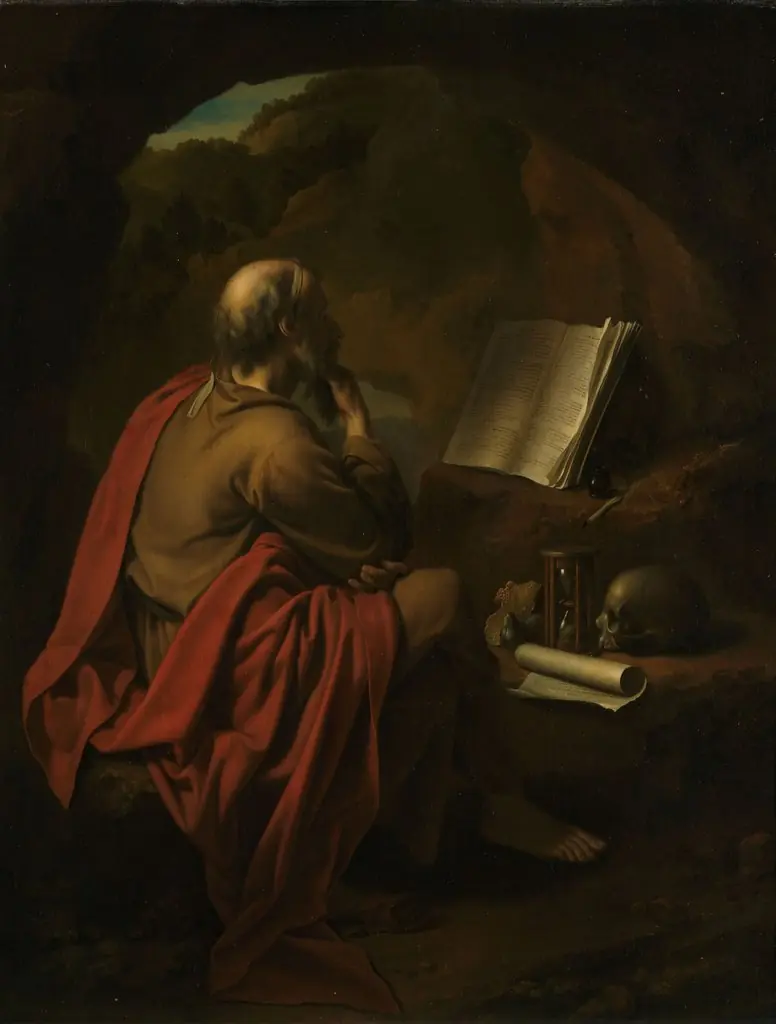
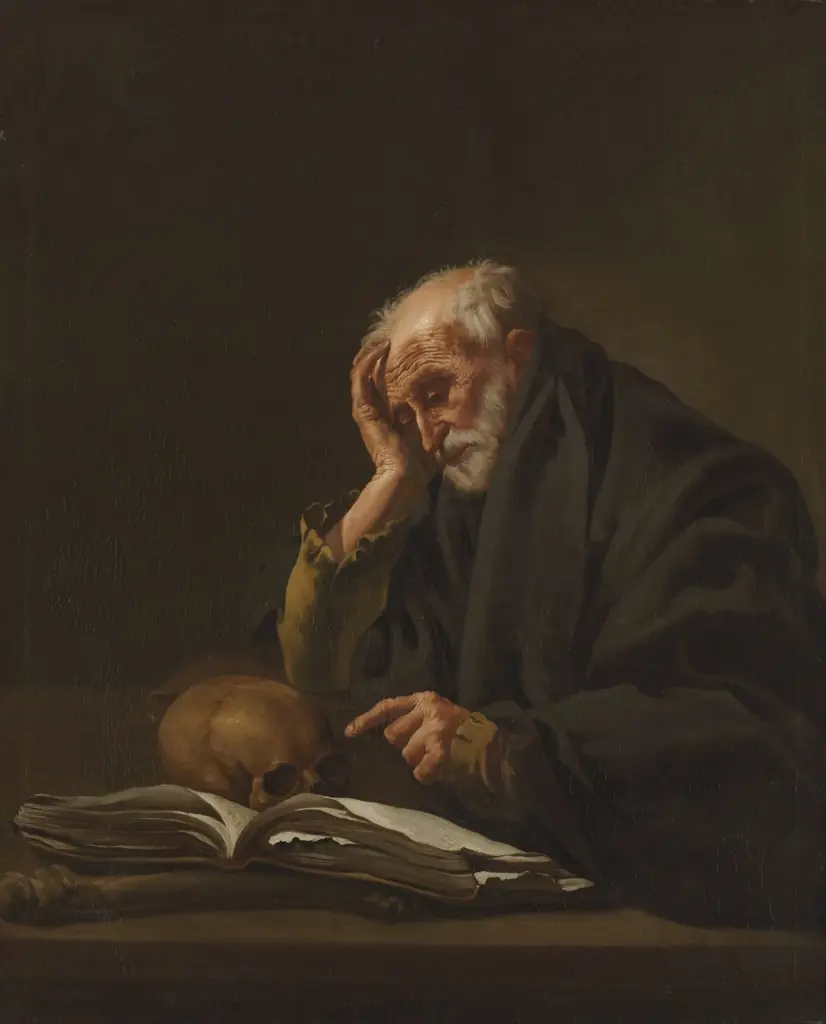
The painting depicts Saint Jerome, a scholar and holy figure, surrounded by symbols of his pursuits and mortality. A long white-bearded Jerome sits amidst books, with an open book and quill in hand, and a skull on the floor beside him, underscoring the transience of life.
Technique & Style
Metsys employed oil paint to create a dimly lit, intimate study scene, characterized by a warm, muted color palette, notably a bright red robe. The composition blends realism with symbolic elements, typical of Northern Renaissance art.
History & Provenance
Created in 1524, the painting is now part of the Kunsthistorisches Museum's collection. As the founder of the Antwerp school, Metsys' work influenced subsequent generations of painters.
Context
Saint Jerome was a common subject in Northern Renaissance art, often depicted as a scholar. The inclusion of a skull reflects the era's fascination with mortality and the contemplative life of religious figures.
Legacy
As a work by the founder of the Antwerp school, *Saint Jerome in his cell* contributes to the understanding of the school's development and its blend of religious and moral subjects in Early Netherlandish painting.
Artist & collection
Artist
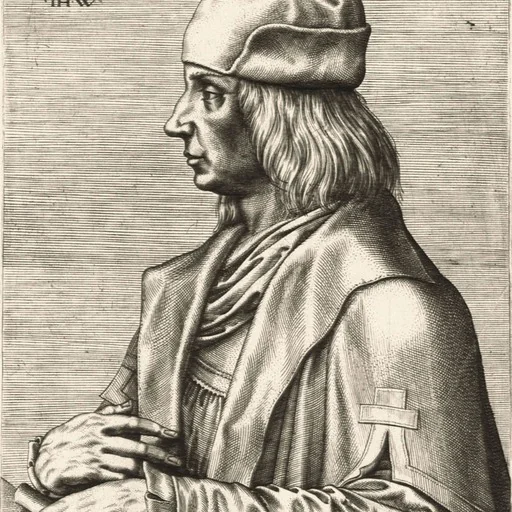
Quentin Matsys (UK: MAT-sysse, US: MAHT-sysse; also Massys or Metsys; Flemish: Quinten Matsijs ; 1466–1530) was a Flemish painter in the Early Netherlandish tradition.