Artwork
Saint Jerome
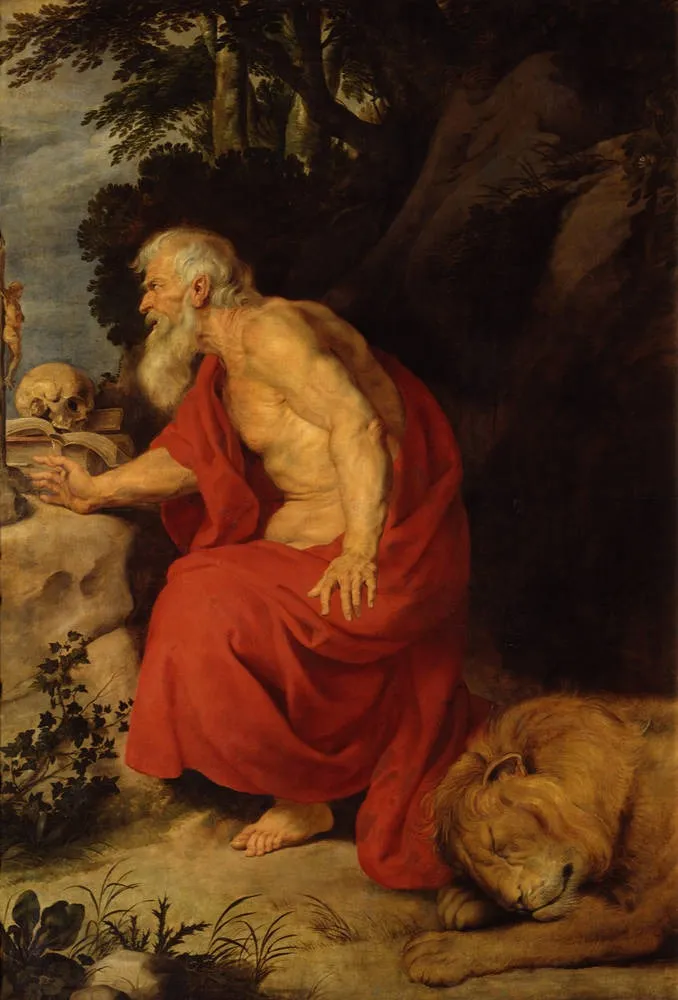
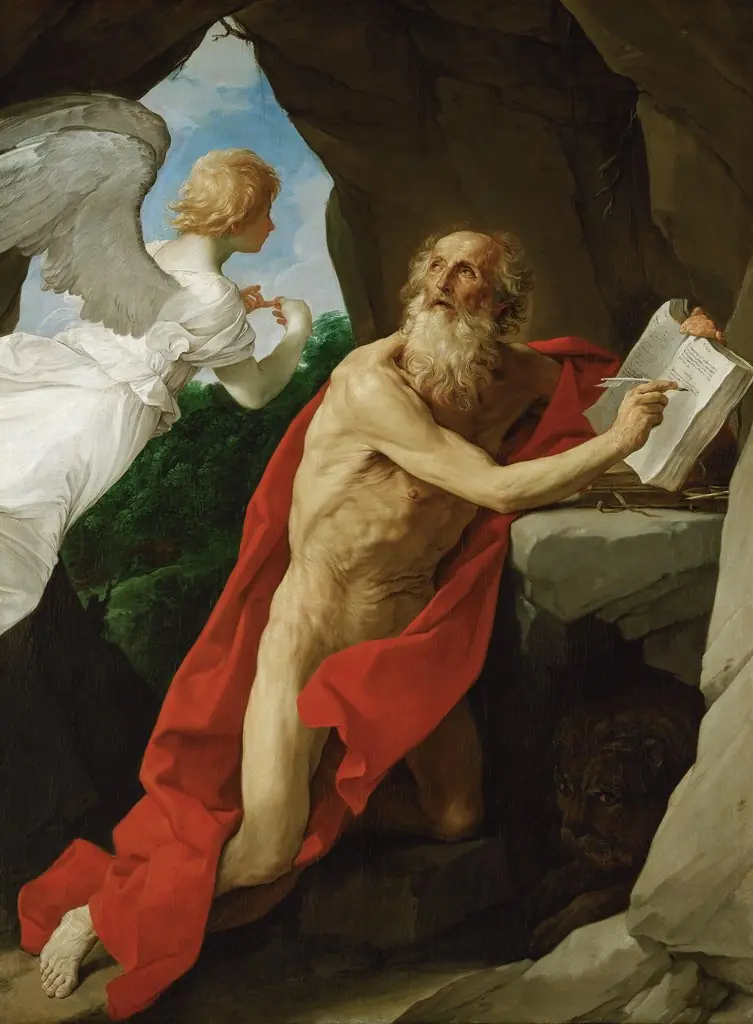
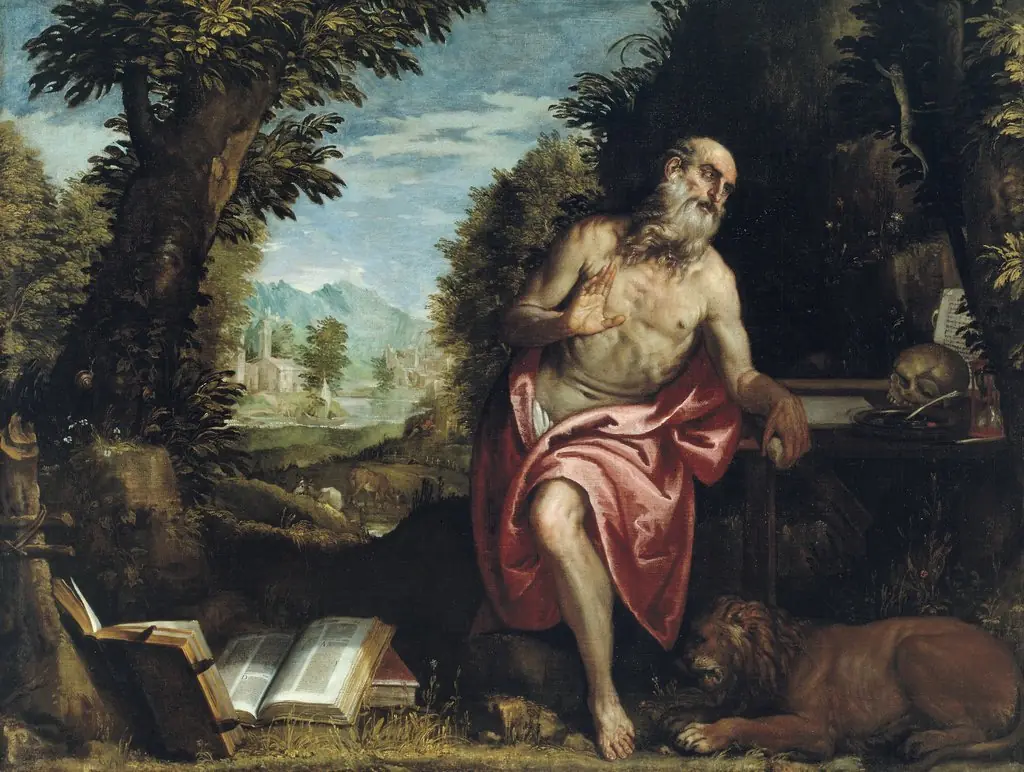
Saint Jerome is an oil painting by the Flemish Baroque painting artist Peter Paul Rubens. It dates from 1615 and is held in the collection of the Staatliche Kunstsammlungen Dresden.
About this work
Overview
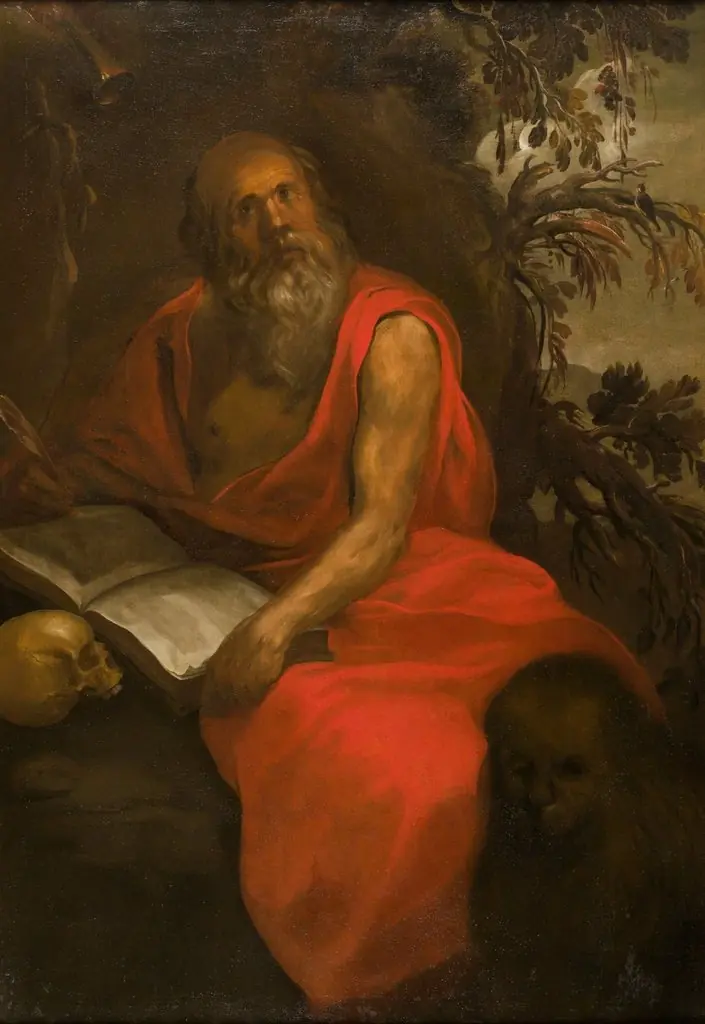
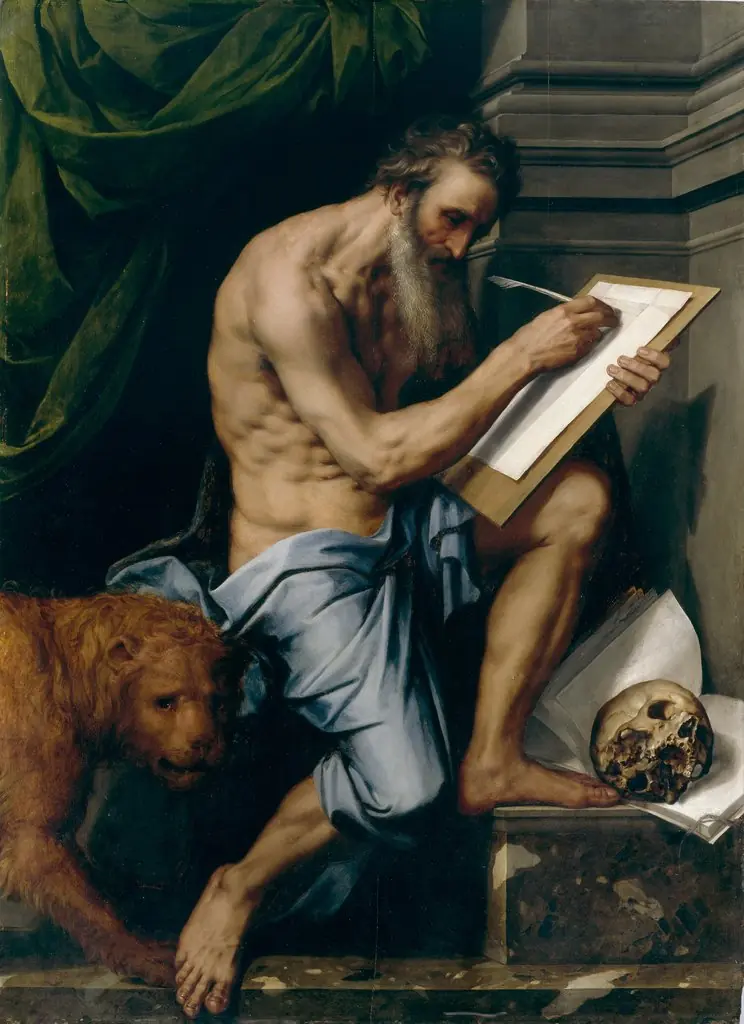
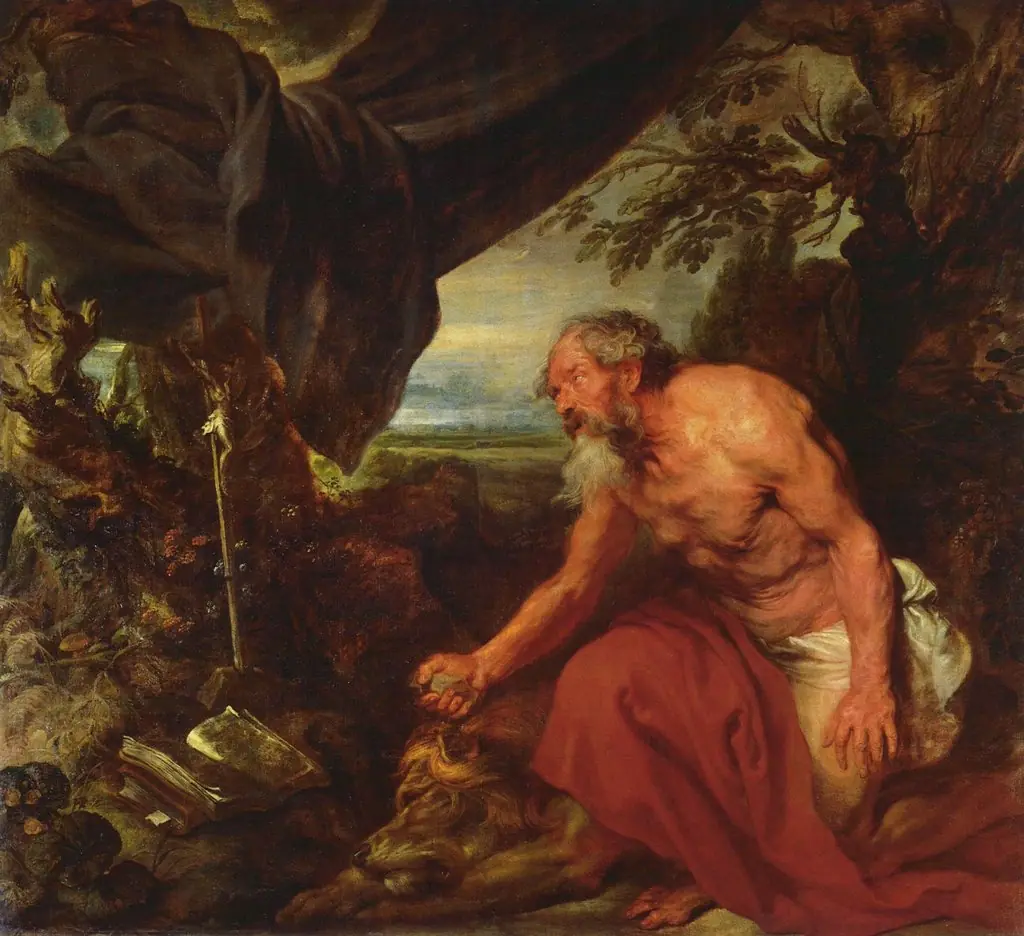
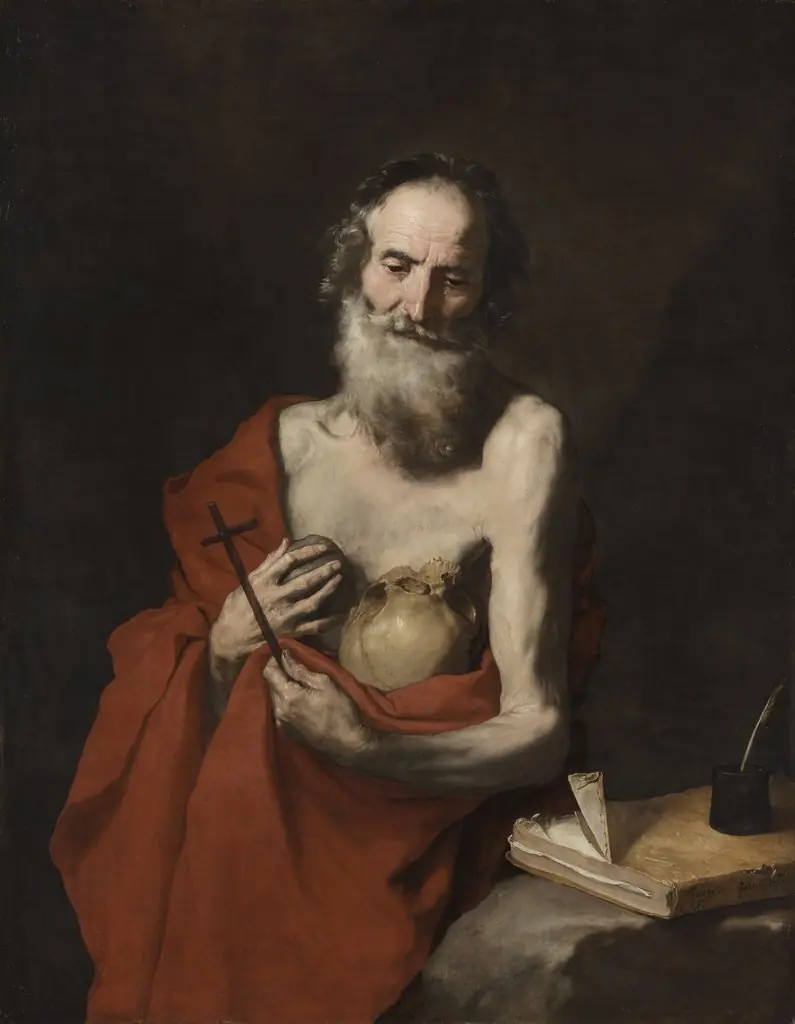
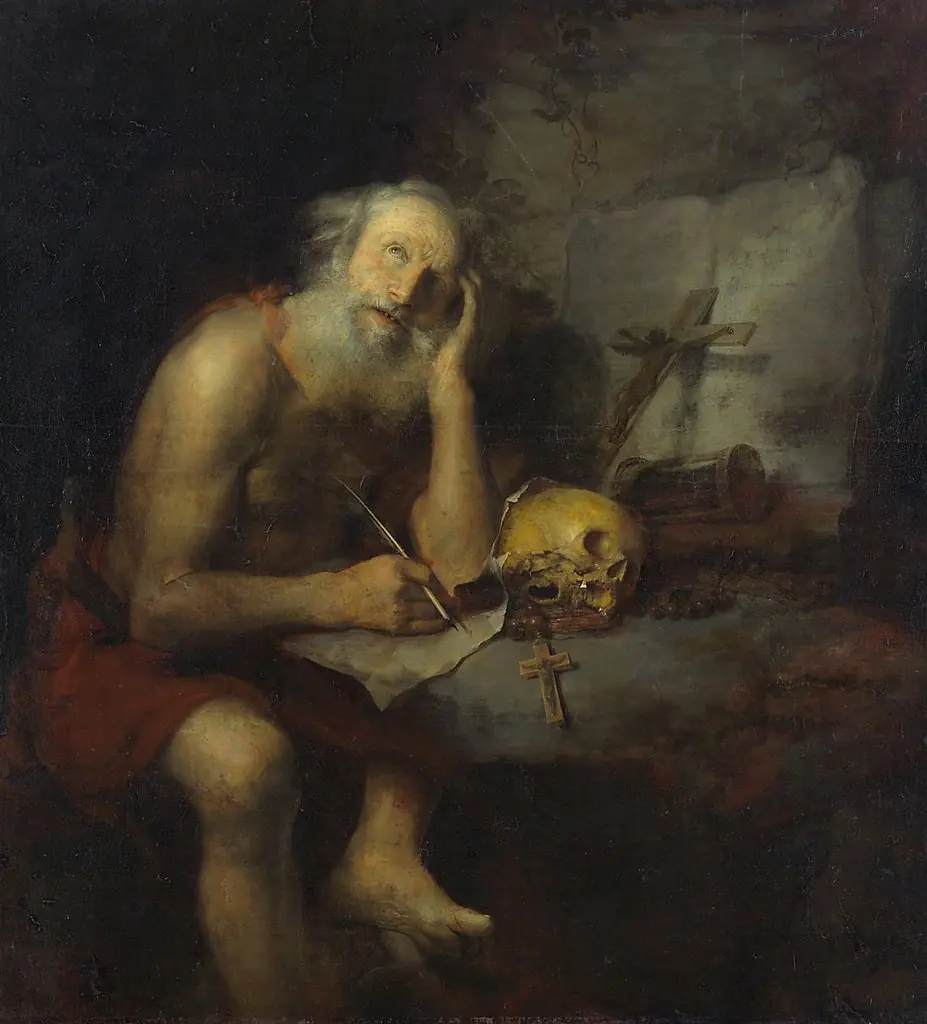
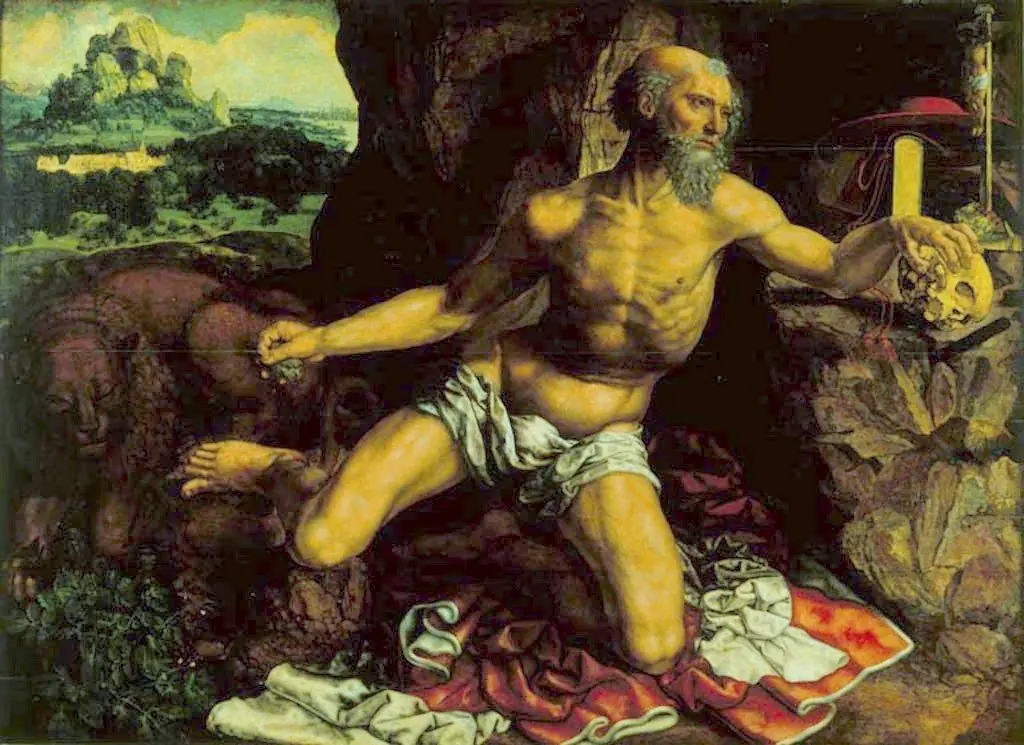
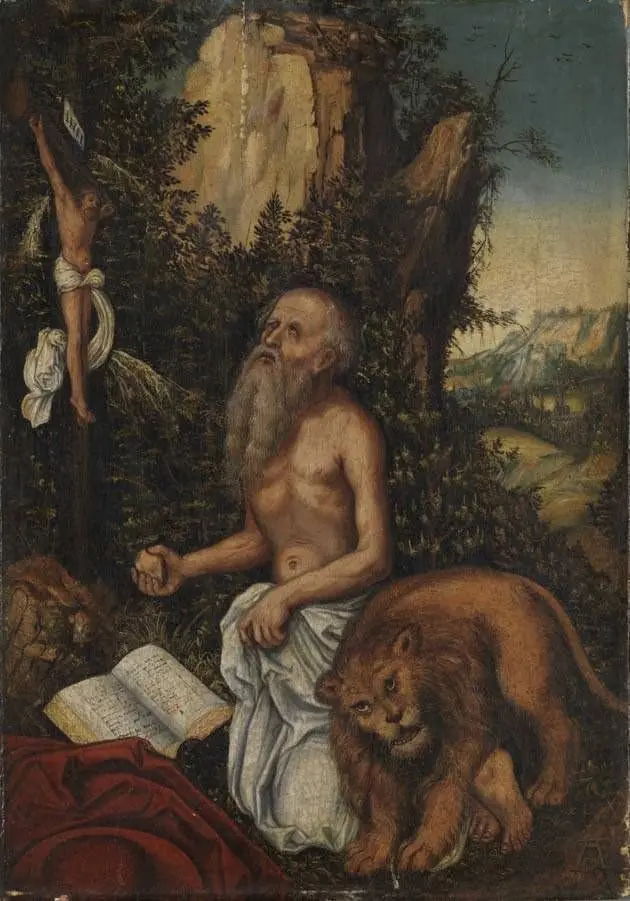
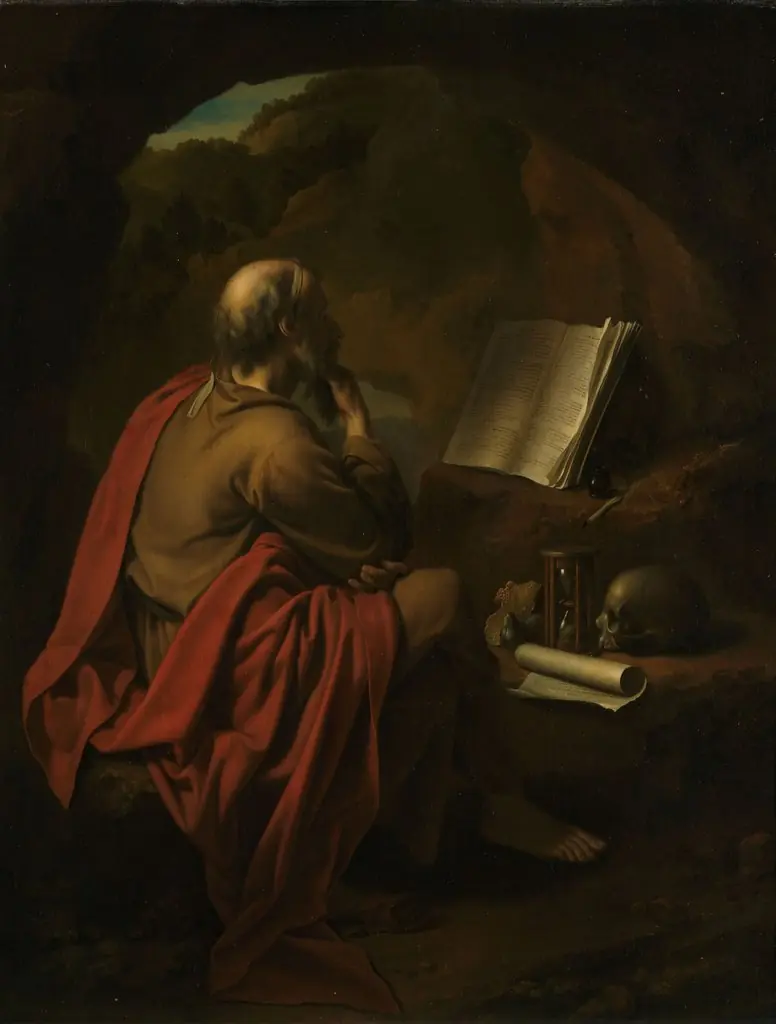
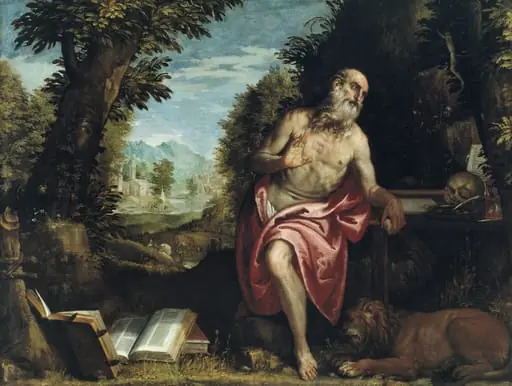
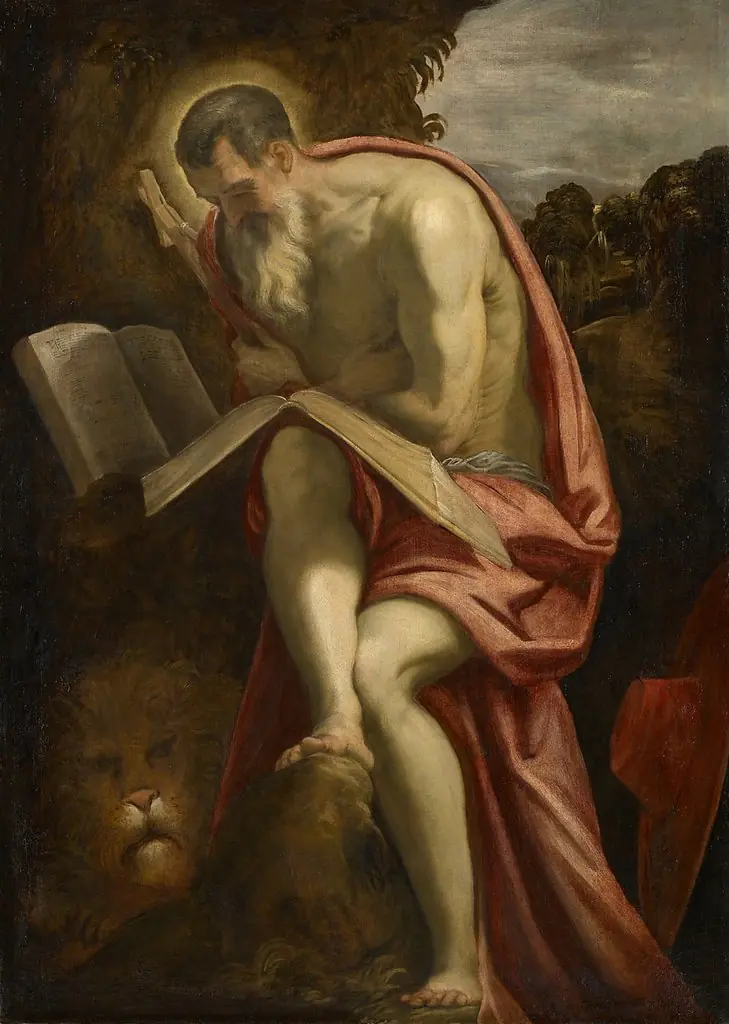
Peter Paul Rubens created the oil painting Saint Jerome in 1615. Executed in the Flemish Baroque idiom, the work presents the biblical scholar seated on a rock, robed in red, his gaze fixed on a skull. A sleeping lion rests beside him, while a book rests in his right hand. The composition is set against a dark, sparsely treed landscape, emphasizing the figure’s contemplative stillness.
Subject & Meaning
The image portrays Saint Jerome, renowned for translating the Bible into Latin. Rubens emphasizes the saint’s scholarly and ascetic aspects through traditional iconography: the skull as a memento mori, the lion recalling the legend of Jerome’s taming of a beast, and the open book suggesting his scriptural work. The subdued pose invites reflection on mortality and the pursuit of spiritual wisdom.
Technique & Style
Rubens employs the rich, layered oil technique characteristic of Baroque painting, using vigorous brushwork to render the textures of flesh, fabric, and fur. The palette combines deep shadows with vivid reds, creating dramatic contrast. Light falls softly on Jerome’s face and the skull, while the surrounding darkness heightens the three‑dimensional presence of the figures.
History & Provenance
Since its completion, the painting has been part of the Gemäldegalerie Alte Meister collection in Dresden. It remains a documented example of Rubens’s late output, reflecting his continued engagement with religious subjects and his mastery of large‑scale oil compositions during the early seventeenth century.
Artist & collection
Artist
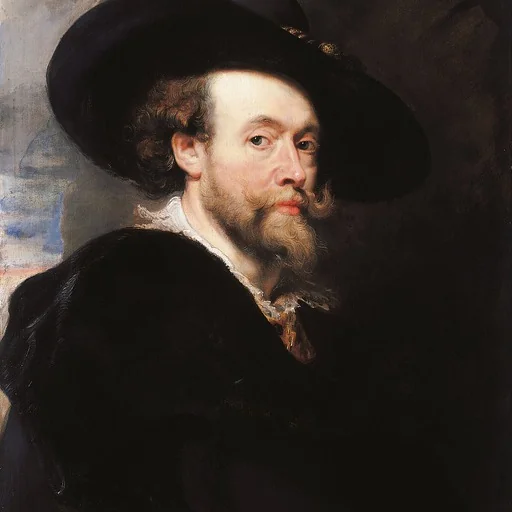
Sir Peter Paul Rubens ( ROO-bənz; Dutch: ; 28 June 1577 – 30 May 1640) was a Flemish artist and diplomat.