Artwork
Representant du Peuple (Representative of thePeople)
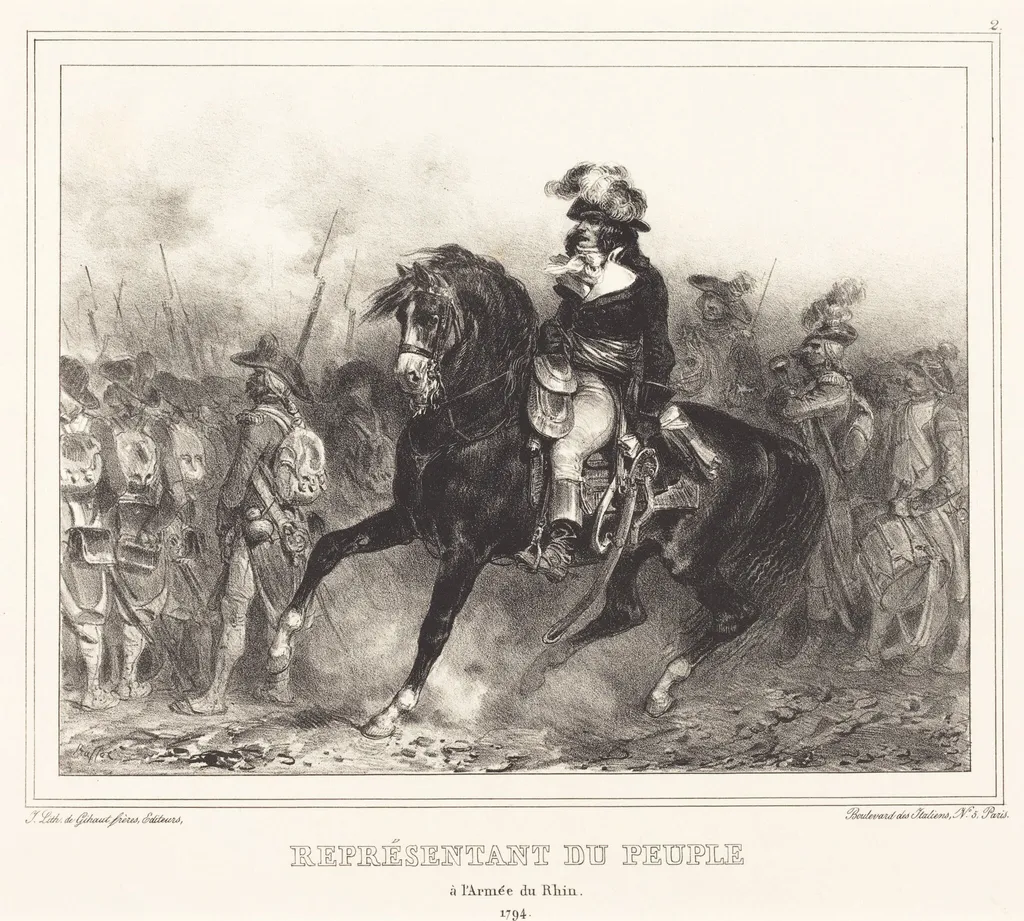
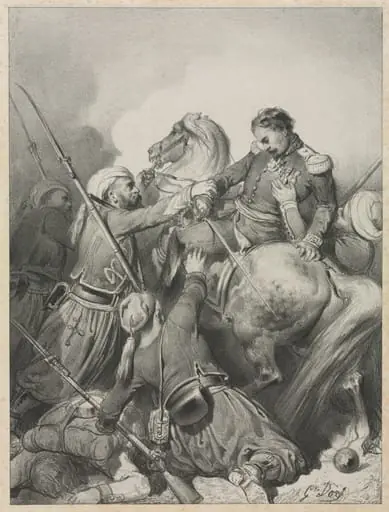
Representant du Peuple (Representative of thePeople) is an ink print by the Romanticist artist Auguste Raffet. It dates from 1834 and is held in the collection of the National Gallery of Art.
About this work
Overview
Created in 1834 by French artist Auguste Raffet, this lithograph depicts a mounted figure identified as a Representative of the People.
Created in 1834 by French artist Auguste Raffet, this lithograph depicts a mounted figure identified as a Representative of the People. Raffet, trained in the tradition of political illustration, used the medium to capture the turbulence of post-Napoleonic France. The image conveys motion and urgency through dynamic composition and loose, energetic lines, typical of lithographic prints produced for mass circulation during the July Monarchy.
Subject & Meaning
The central figure, a rider whose hat has been swept away by speed, is framed as a civic leader amid a group of infantry soldiers. The chaotic scene—dust rising, blurred surroundings, soldiers looking upward—suggests a moment of political momentum. The title links the rider to popular sovereignty, implying that authority emerges from the people rather than inherited power, a resonant idea in France’s unstable post-revolutionary climate.
Technique & Style
Raffet employed lithography to achieve rapid, expressive results, using rough, gestural lines to mimic the immediacy of a sketch. The contrast between the sharply defined rider and the indistinct background enhances the sense of motion. The absence of color and the textured, uneven ink application reflect the medium’s capacity for spontaneity, aligning the visual language with the urgency of its political subject.
History & Provenance
Produced during the July Monarchy, the print likely circulated as a political commentary, possibly distributed in periodicals or as a standalone image. Raffet, known for his depictions of Napoleonic campaigns, turned his focus to contemporary politics after 1830. While specific early owners are unrecorded, the work’s survival in institutional collections suggests it was recognized early for its social relevance and technical vigor.
Context
In 1834, France was navigating tensions between republican ideals and monarchical rule. The Representative of the People was a newly empowered figure under the constitutional monarchy, yet often distrusted by conservative factions. Raffet’s image taps into this ambiguity—celebrating civic authority while evoking the chaos of its implementation, mirroring public anxieties about legitimacy and leadership.
Legacy
The print stands as an early example of lithography being used to visualize political identity beyond portraiture or propaganda. Raffet’s blend of realism and dynamism influenced later illustrators documenting public life. Though not widely reproduced today, it remains a key artifact of 19th-century French visual culture, illustrating how print media shaped perceptions of democracy in transition.
Own this work as a print
Artist & collection
Artist
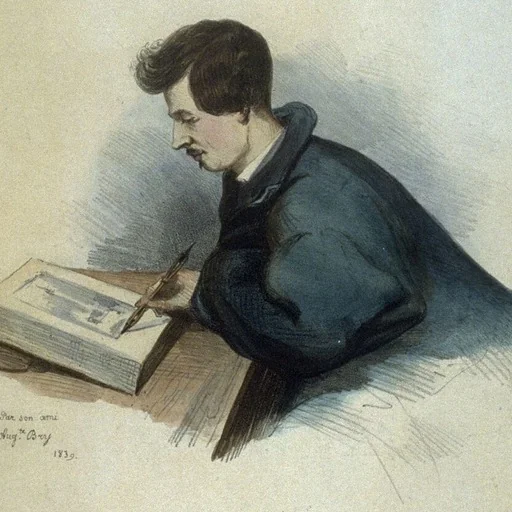
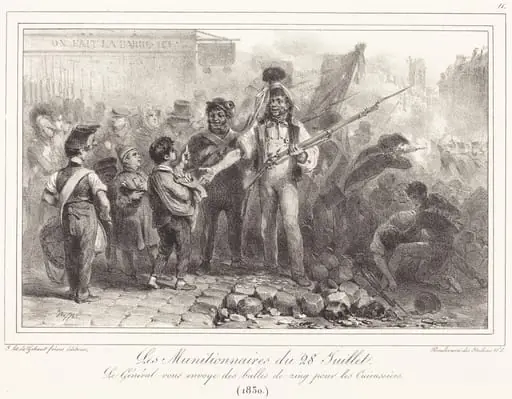
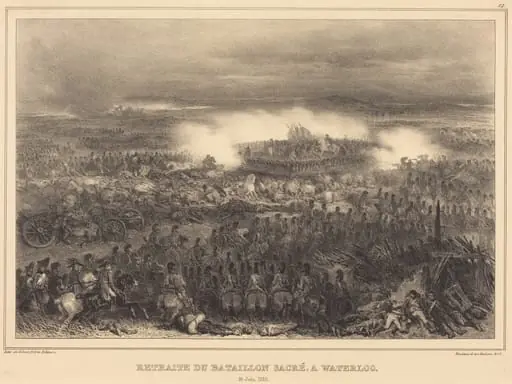
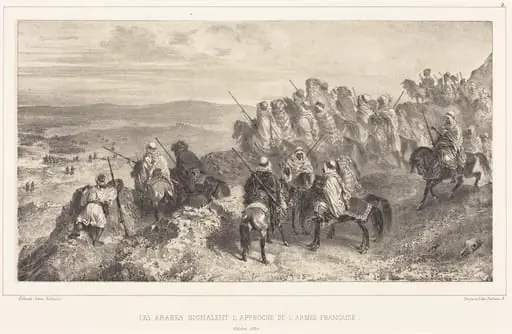
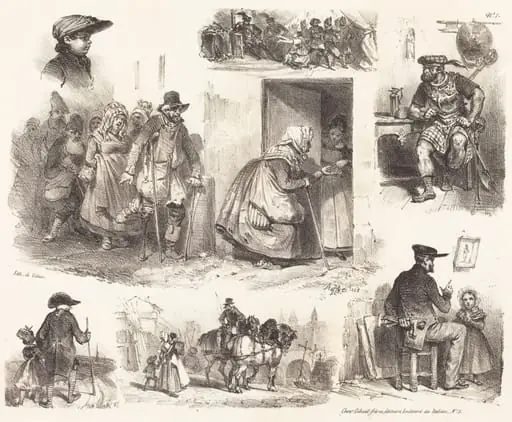
Denis Auguste Marie Raffet (2 March 1804 – 16 February 1860) was a French illustrator and lithographer. He was a student of Nicolas Toussaint Charlet, and was a retrospective painter of the Empire.

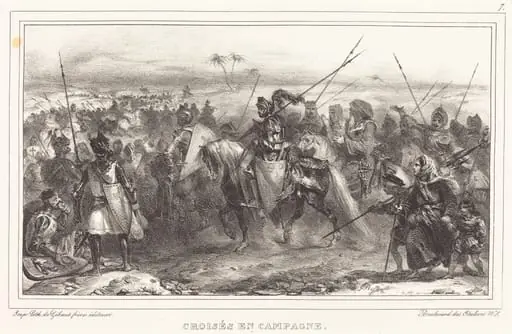
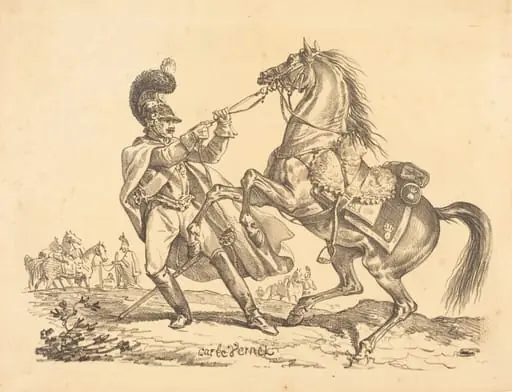 Cuirassier retenant son cheval qui se cabre
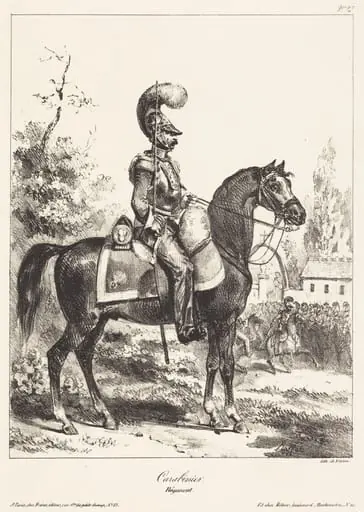 Carabinier
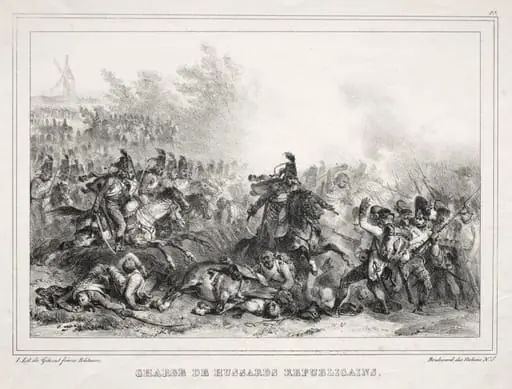 Album pour 1833: Charge de Hussards Républicains
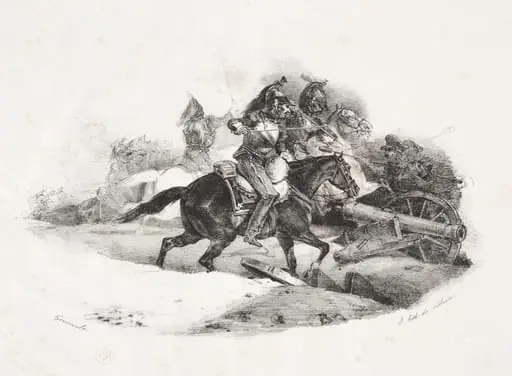 Cuirassiers Charging an Artillery Battery
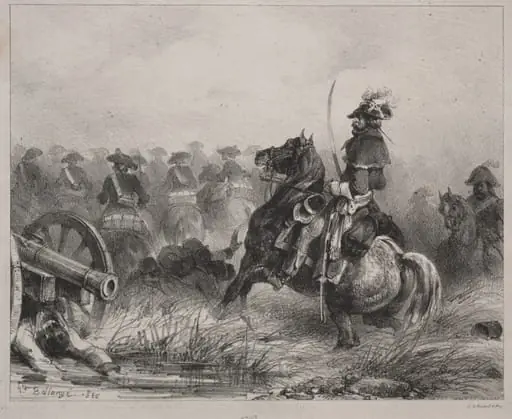 Cavalry Scene
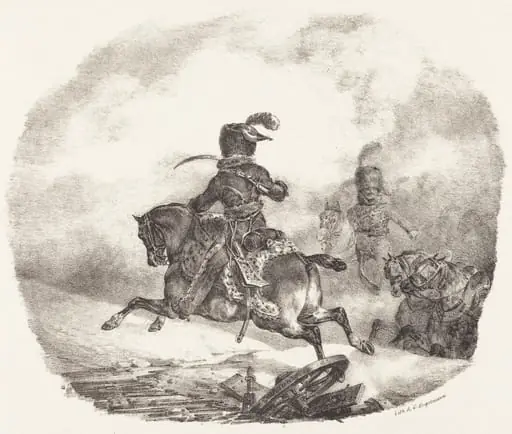 Light Artillery Officer of the Imperial Guard (Officier d'artillerie legerie de la garde imperiale)
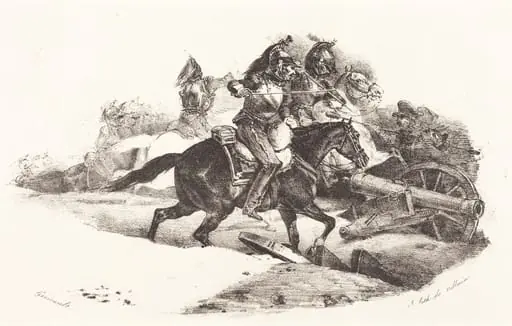 Cuirassiers Charging
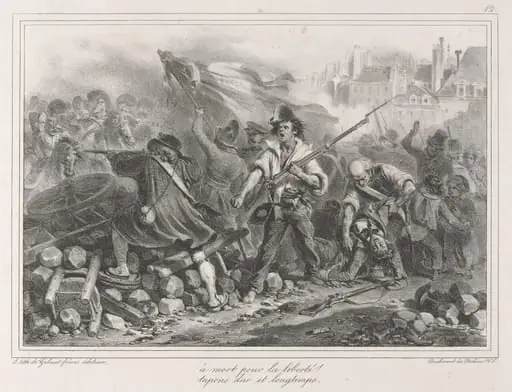 Album of 1831: Freedom or death!
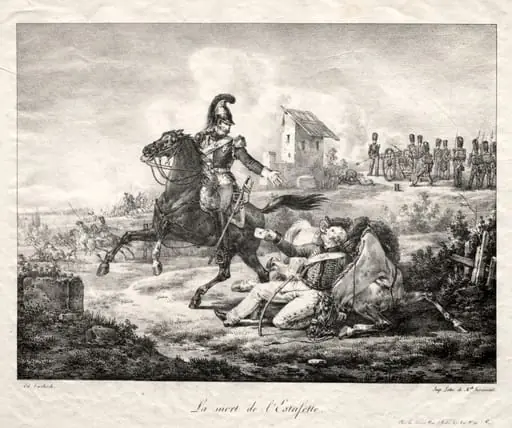 The Death of the Courier
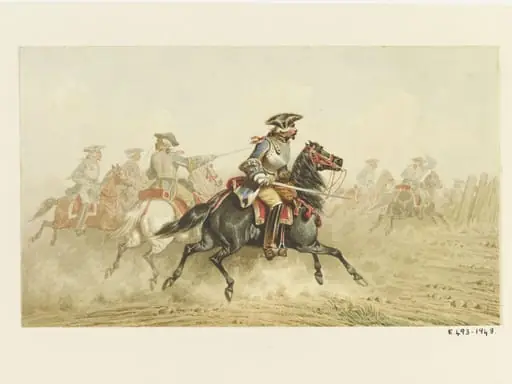 Untitled
 Sardinian Officer
 Carabinier Mounting a Horse