Artwork
Col. F. G. Oldham (recto, top); Mr. Nowell, Shimla (recto, bottom)
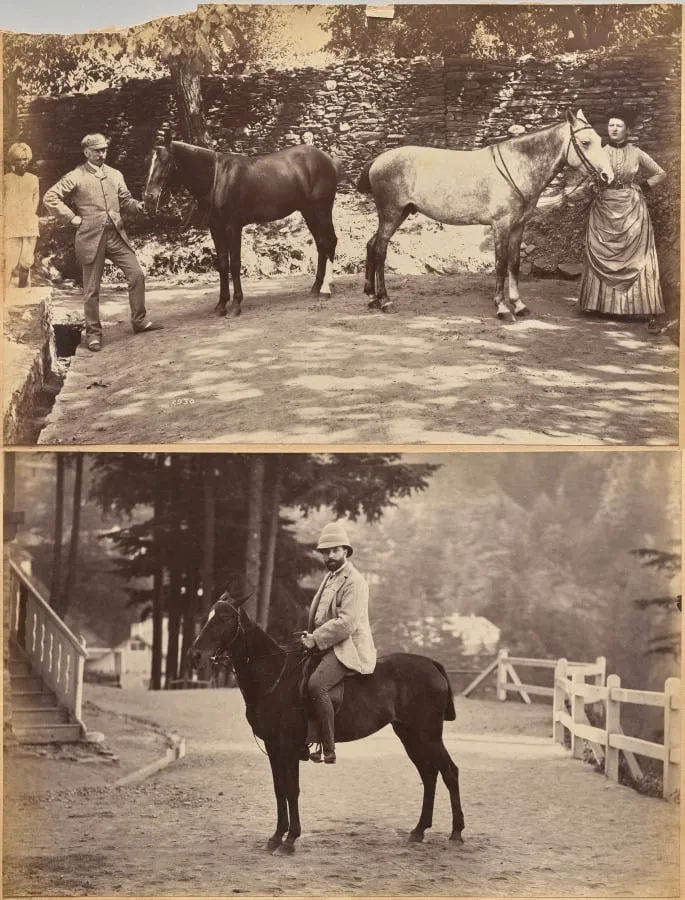
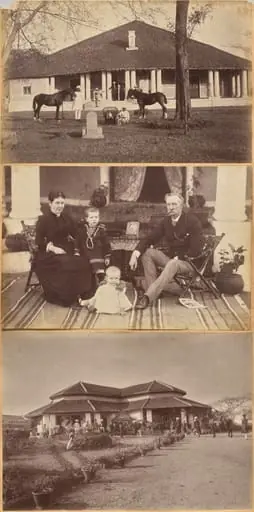
Col. F. G. Oldham (recto, top); Mr. Nowell, Shimla (recto, bottom) is a photography by the Impressionist artist Raja Deen Dayal. It dates from 1884 and is held in the collection of the Cleveland Museum of Art.
About this work
Overview
The album contained approximately 105 images documenting daily life among colonial officials and Indian elites.
These two black-and-white photographs were originally part of a larger album compiled between 1885 and 1887, likely for a British civil servant stationed in India. The album contained approximately 105 images documenting daily life among colonial officials and Indian elites. This pair, now separated from the original binding, captures contrasting figures within the same social sphere: a British officer and an Indian gentleman, both framed by the architecture of Shimla, the summer capital of British India.
Subject & Meaning
The upper image depicts Colonel F. G. Oldham in full military uniform, embodying the formal authority of the colonial administration. Below, Mr. Nowell, dressed in traditional attire and standing before a hillside residence, represents the Indian upper class engaged with colonial structures. Their placement side by side suggests a deliberate juxtaposition—not of opposition, but of coexistence within the same social and geographic landscape, reflecting the layered hierarchies of late 19th-century India.
Technique & Style
The photographs are executed in the dry plate process, common in the 1880s for its sharp detail and stability. Composition is formal and static, with subjects centered and lightly lit by natural daylight. The background architecture—likely a colonial bungalow or government building—anchors each figure in place, reinforcing their social context. The absence of overt staging or dramatic lighting lends the images a documentary tone, typical of personal albums of the era.
History & Provenance
The album was assembled during the photographer’s work in India between 1885 and 1887, a period when British officials often commissioned photographic records as mementos. The museum holds another 37 images from the same collection (accession 2016.266), suggesting the album was later dispersed. The photographer maintained clients among both British administrators and Indian royalty, indicating a professional network that bridged colonial and indigenous elite circles.
Context
Shimla, the summer seat of the British Viceroy, functioned as a social and administrative hub where colonial and Indian aristocracies intersected. These images reflect the quiet normalization of cross-cultural proximity—British officers and Indian gentlemen coexisting in shared spaces, yet maintaining distinct identities through dress and posture. The photographs capture not grand events, but the everyday rhythms of power and privilege in a colonial setting.
Legacy
As fragments of a once-intact personal archive, these images offer a restrained but valuable record of colonial India’s social fabric. Unlike propagandistic imagery of the period, they avoid idealization, presenting subjects with quiet dignity. Their survival and eventual dispersal mirror the broader fragmentation of colonial-era collections, making them important artifacts for understanding the personal and visual culture of British India.
Artist & collection

Artist
Raja Lala Deen Dayal, famously known as Raja Deen Dayal) was an Indian photographer.

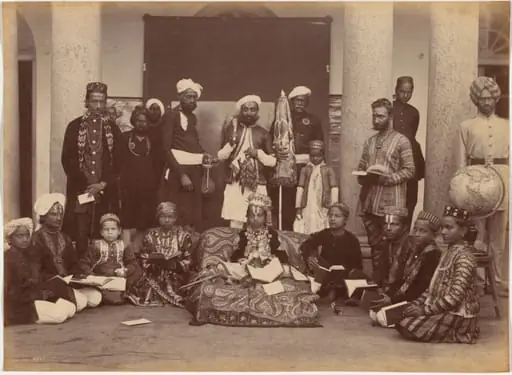 Maharaja of Rewa and Classmates
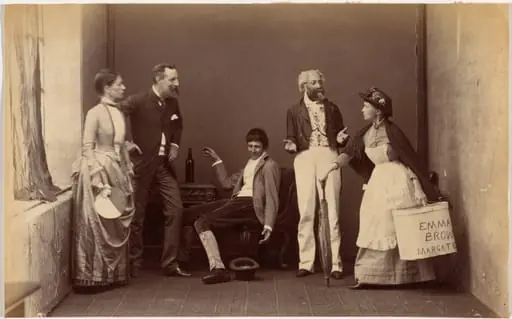 Fancy Group, Indore I
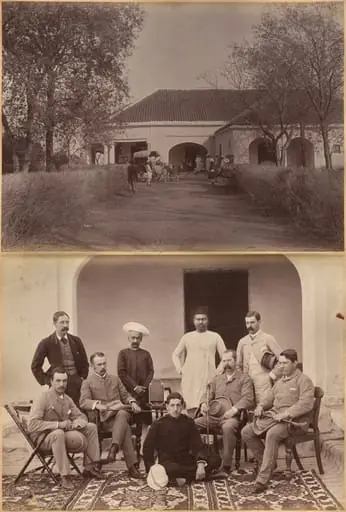 Civil officers at Jhansi (recto); Mr. William's House, Jhansi (verso)
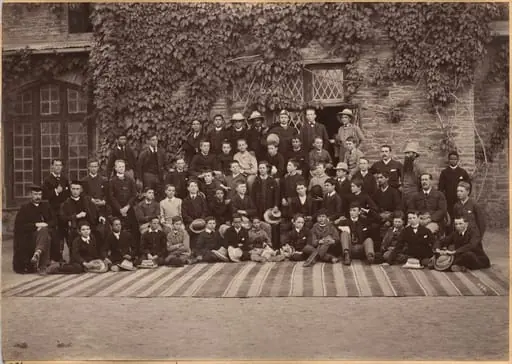 Middle Class Students and Staff, Bishop Cotton School, Shimla (verso)
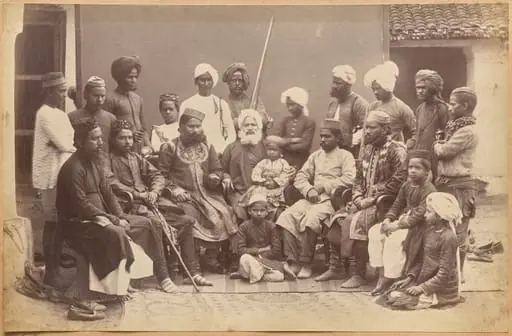 Mowhri Rahman Alli Khan family, Rewa (recto, bottom)
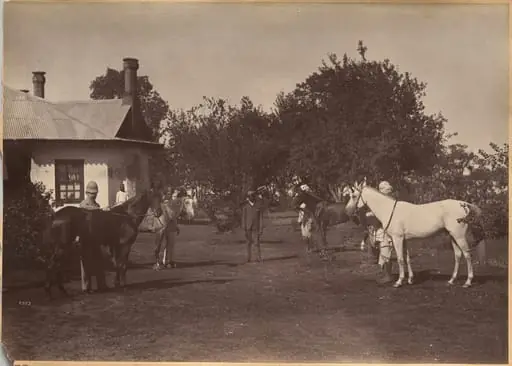 Lord William Beresford's horses
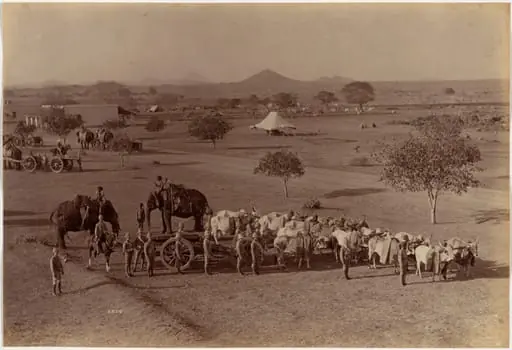 Heavy Field Battery, Jhansi
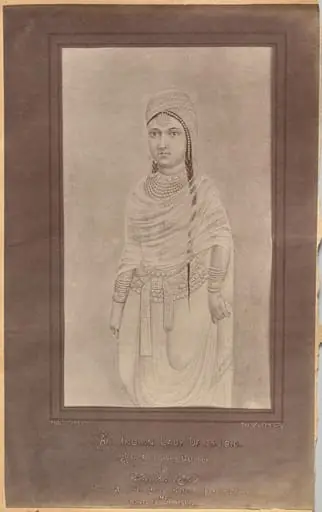 Indian Lady 250 BC (verso, right)
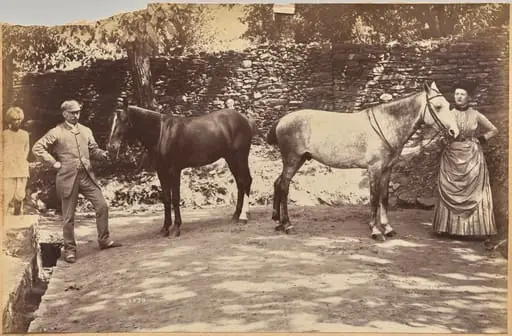 Col. F. G. Oldham (recto, top)
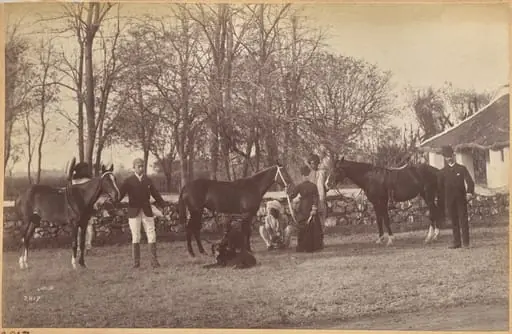 Captain Brown's horses, Jhansi (recto, top)
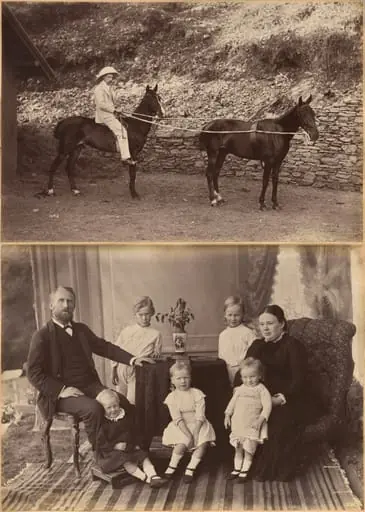 Captain H.S. Rawhinson (recto); Mr. Robert Holtz and Family (verso)
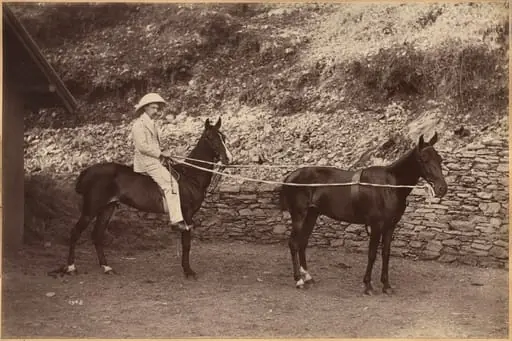 Captain H.S. Rawhinson (recto)
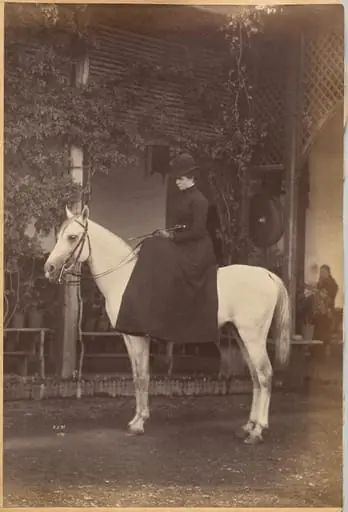 Untitled: Woman on horse (verso, right)
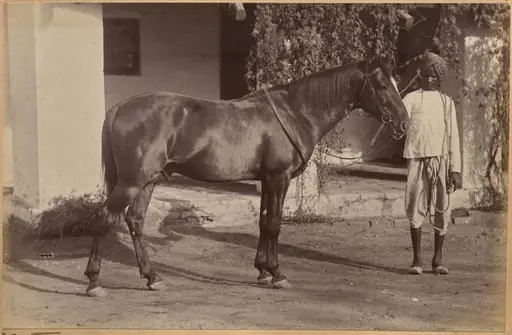 Captain Bailward's horses (recto, bottom)
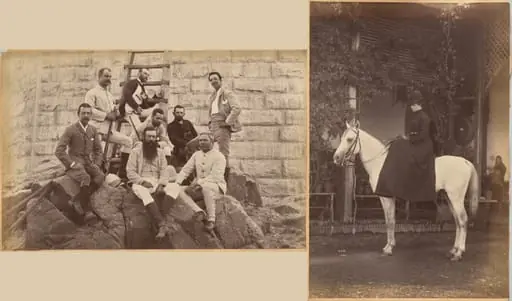 Managing staff of Meprs. Glover & Co. at Sindh Bridge (recto, top); Untitled: Woman on horse (verso, right)
 Captain Falkner's Bungalow, Neemuch (recto, top); Col. Carpendale and family, Neemuch (recto, bottom); Major Creagh's home, Mhon (verso)