Artwork
Mowhri Rahman Alli Khan family, Rewa (recto, bottom)
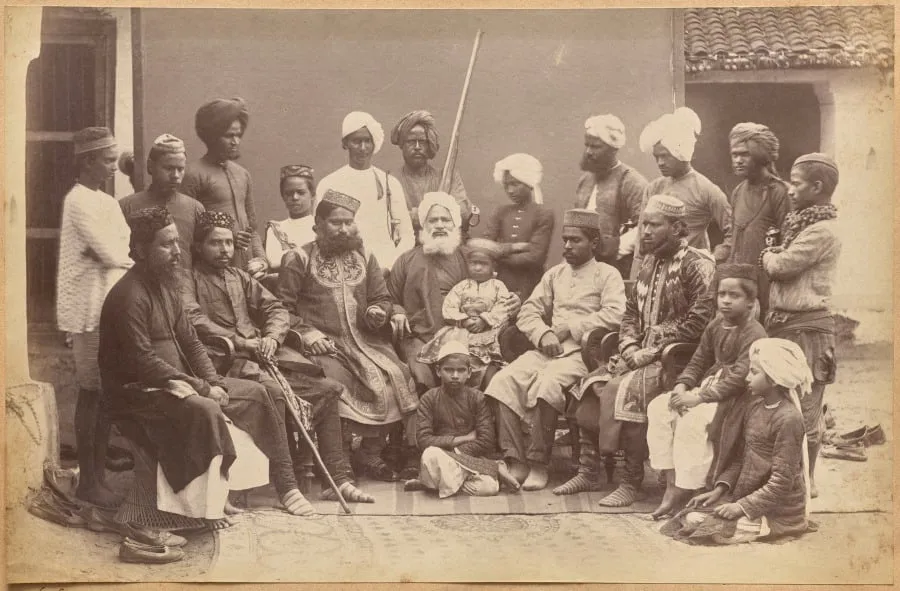
Mowhri Rahman Alli Khan family, Rewa (recto, bottom) is a photography by the Impressionist artist Raja Deen Dayal. It dates from 1884 and is held in the collection of the Cleveland Museum of Art. This photograph is one of approximately 105 images compiled in a private album created between 1885 and 1887 in India.
About this work
Overview
The image depicts a royal Indian family posed formally, reflecting the conventions of studio portraiture of the period.
This photograph is one of approximately 105 images compiled in a private album created between 1885 and 1887 in India. It was likely assembled by a British colonial official as a personal record of his time in the subcontinent. The image depicts a royal Indian family posed formally, reflecting the conventions of studio portraiture of the period. The album has since been dispersed, with portions held in different collections.
Subject & Meaning
The image portrays the family of Raja Mowhri Rahman Alli Khan of Rewa, seated before an ornate curtain. The father wears a turban, the mother a sari, and the children are dressed in elaborately embroidered attire. Their rigid posture and carefully chosen garments signal social standing rather than spontaneity. The composition emphasizes lineage and authority, aligning with the expectations of elite Indian families engaging with photographic representation during colonial rule.
Technique & Style
The photograph was taken by Raja Deen Dayal, a pioneering Indian photographer known for his technical precision and collaboration with both British officials and Indian royalty. The image exhibits the controlled lighting and formal composition typical of late 19th-century studio portraiture. Props and backdrops were selected to convey wealth and cultural identity, with attention to textile detail and spatial arrangement reinforcing the subjects’ status.
History & Provenance
The photograph originated in a larger album of around 105 images, likely commissioned around 1888 by a British civil servant stationed in India. The album was later disassembled, with individual prints entering various collections. The museum holds another 37 photographs from the same set, identified as part of the same original compilation. Deen Dayal’s involvement suggests the commission was intended to document both colonial and indigenous elite circles.
Context
During the late 1880s, photography in India was becoming a tool for self-representation among Indian royalty and British administrators alike. Raja Deen Dayal’s studio served both communities, bridging cultural expectations through visual form. Portraits like this one were not merely personal mementos but assertions of identity within a colonial hierarchy, where appearance and decorum carried political and social weight.
Legacy
Deen Dayal’s work remains a critical record of how Indian aristocracy navigated modernity and colonial influence through visual culture. His photographs, including this one, offer insight into the intersection of tradition and technology in late 19th-century India. The survival of fragments from the original album underscores the enduring historical value of these images as documents of social hierarchy and photographic practice.
Artist & collection

Artist
Raja Lala Deen Dayal, famously known as Raja Deen Dayal) was an Indian photographer.

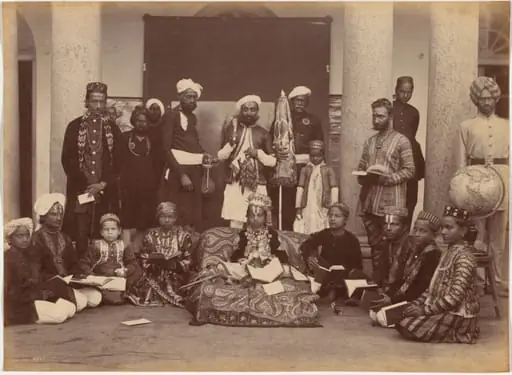 Maharaja of Rewa and Classmates
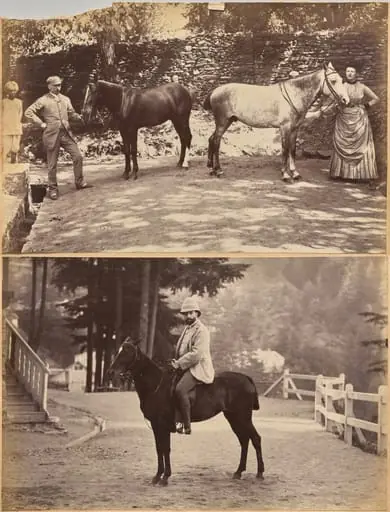 Col. F. G. Oldham (recto, top); Mr. Nowell, Shimla (recto, bottom)
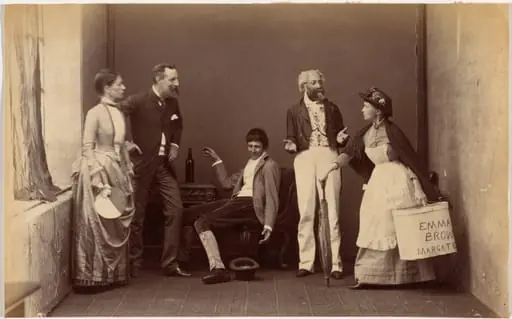 Fancy Group, Indore I
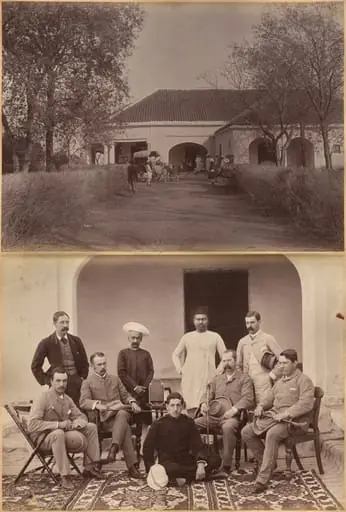 Civil officers at Jhansi (recto); Mr. William's House, Jhansi (verso)
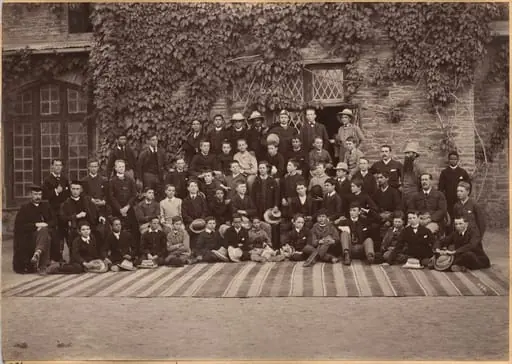 Middle Class Students and Staff, Bishop Cotton School, Shimla (verso)
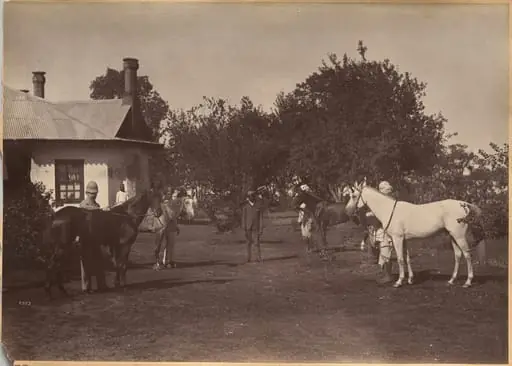 Lord William Beresford's horses
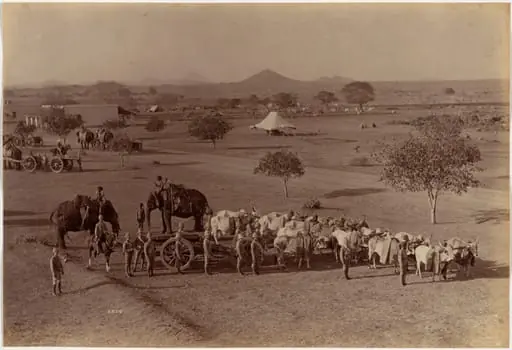 Heavy Field Battery, Jhansi
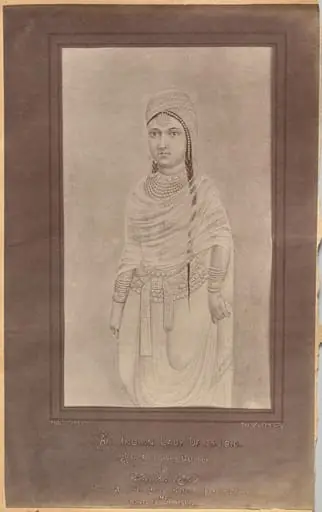 Indian Lady 250 BC (verso, right)
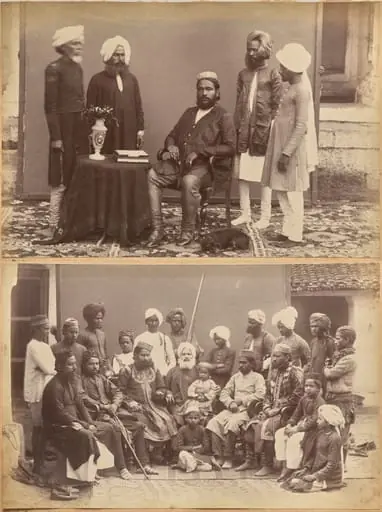 Ramkishore Singh, Rewa (recto, top); Mowhri Rahman Alli Khan family, Rewa (recto, bottom)
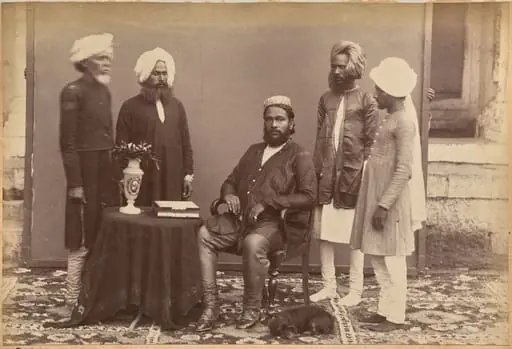 Ramkishore Singh, Rewa (recto, top)
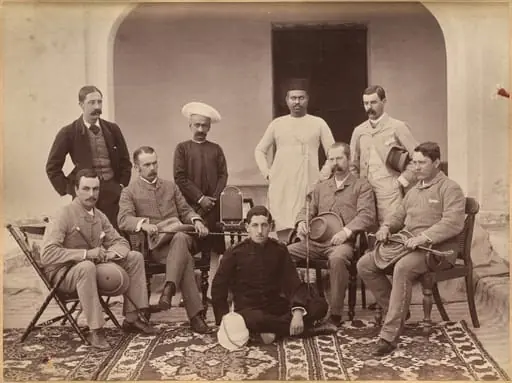 Civil officers at Jhansi (recto)
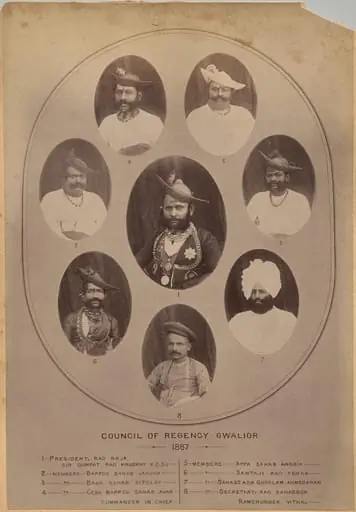 Council of Regency, Gwalior
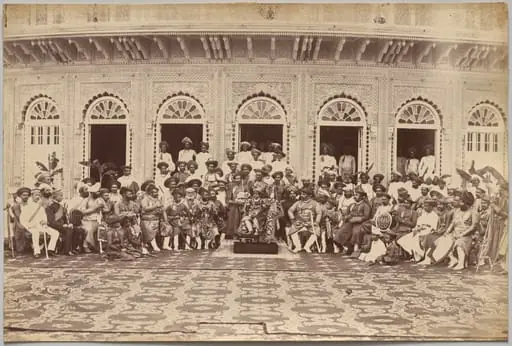 Maharaja of Scindia, nobles, and high officials, Gwalior
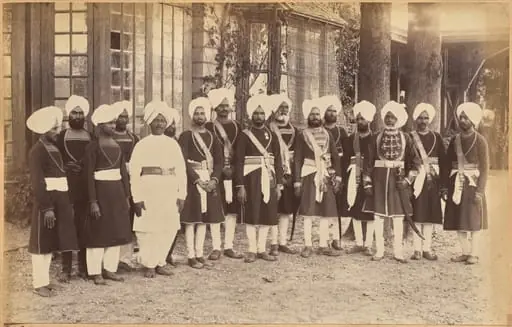 Servants of His Honor the Gov. of Punjab
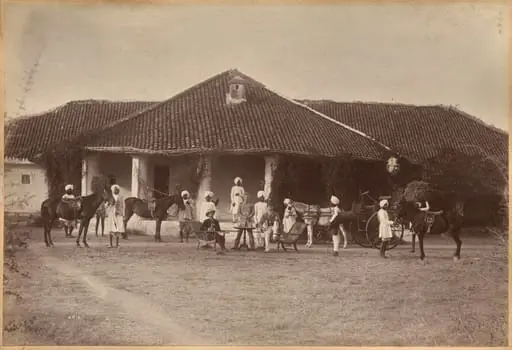 Dr. Morris and party, Jhansi (recto)
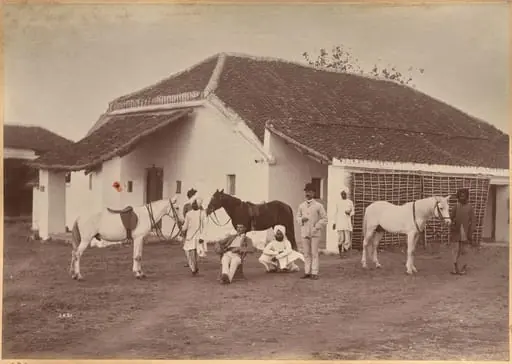 Captain Harris and Ruston, Jhansi
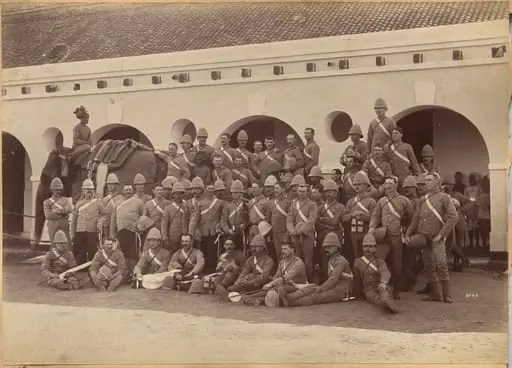 Men of Elephant Battery, Jhansi (verso)