Artwork
Middle Class Students and Staff, Bishop Cotton School, Shimla (verso)
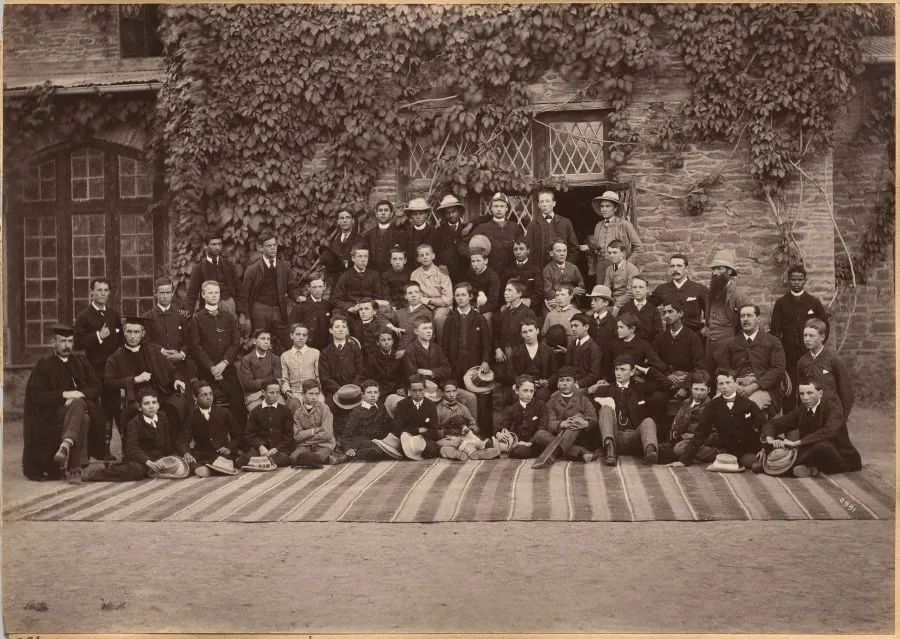
Middle Class Students and Staff, Bishop Cotton School, Shimla (verso) is a photography by the Impressionist artist Raja Deen Dayal. It dates from 1884 and is held in the collection of the Cleveland Museum of Art. This black-and-white photograph, taken between 1885 and 1887, depicts students and staff of Bishop Cotton School in Shimla.
About this work
Overview
It originated from a private album of approximately 105 images documenting colonial life in India, likely compiled by a British official as a personal memento.
This black-and-white photograph, taken between 1885 and 1887, depicts students and staff of Bishop Cotton School in Shimla. It originated from a private album of approximately 105 images documenting colonial life in India, likely compiled by a British official as a personal memento. The image is among the earliest known photographic records of an Indian educational institution under British administration, capturing a moment where institutional authority and cultural exchange intersect.
Subject & Meaning
The photograph shows Indian boys in standardized school uniforms, standing formally alongside their British teachers on a hillside. Their posture is rigid, yet expressions suggest dignity and quiet pride. The image functions as both a record of colonial education and a symbol of imperial order—presenting Indian students as subjects of British-led civilizing efforts, while subtly revealing their agency within a constrained system.
Technique & Style
Rendered in the tonal range typical of late 19th-century gelatin silver prints, the image employs sharp focus and balanced composition. The arrangement of figures follows formal portraiture conventions, with teachers positioned centrally and students aligned in rows. Natural lighting enhances the texture of uniforms and the rugged hillside backdrop, reinforcing the setting’s perceived order and cleanliness, consistent with colonial ideals of discipline.
History & Provenance
The photograph was part of a larger album of 105 images, now dispersed, likely assembled by a British civil servant stationed in India around 1888. The museum holds another 37 photographs from this same collection (accession 2016.266). The album’s purpose was personal rather than official, serving as a visual diary of colonial life, though its imagery later became part of broader historical archives on British India.
Context
During this period, missionary and government-run schools like Bishop Cotton were established to educate Indian boys in English and Western customs, often as tools of cultural assimilation. Shimla, as the summer capital of British India, hosted elite institutions that mirrored British public school models. This photograph reflects the dual aim of such schools: to produce a compliant local elite while reinforcing colonial hierarchies.
Legacy
As one of the earliest photographic records of an Indian school under British rule, the image contributes to ongoing studies of colonial pedagogy and visual representation. It offers insight into how education was staged for colonial audiences, while also preserving the presence and dignity of Indian students within a system designed to control their identity. The photograph remains a quiet testament to the complexities of cultural transmission under empire.
Artist & collection

Artist
Raja Lala Deen Dayal, famously known as Raja Deen Dayal) was an Indian photographer.

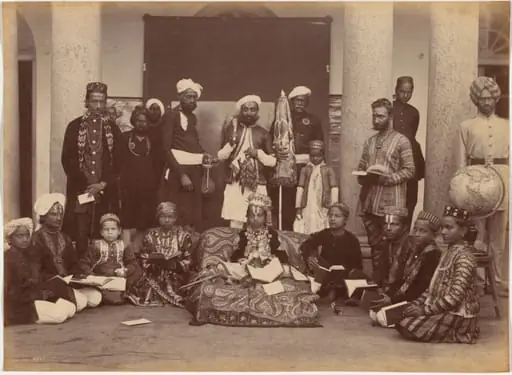 Maharaja of Rewa and Classmates
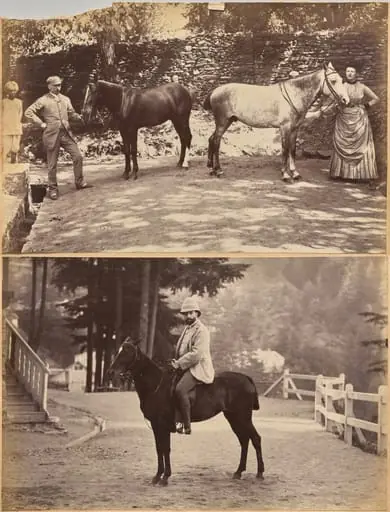 Col. F. G. Oldham (recto, top); Mr. Nowell, Shimla (recto, bottom)
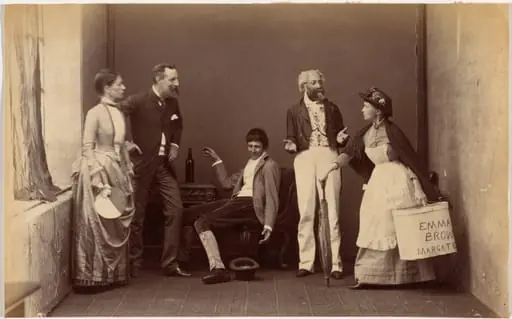 Fancy Group, Indore I
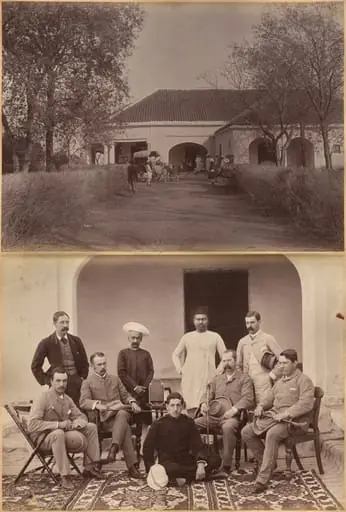 Civil officers at Jhansi (recto); Mr. William's House, Jhansi (verso)
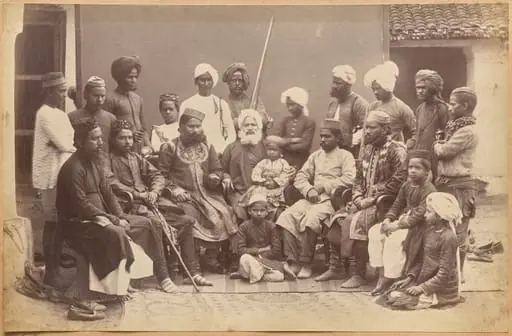 Mowhri Rahman Alli Khan family, Rewa (recto, bottom)
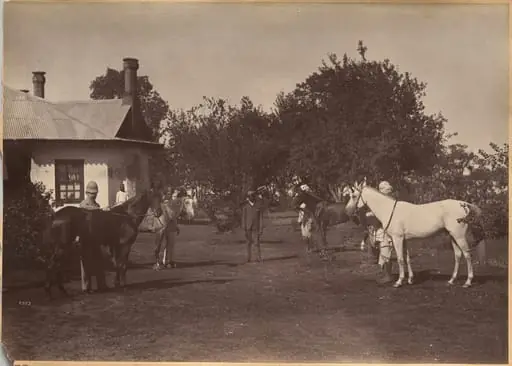 Lord William Beresford's horses
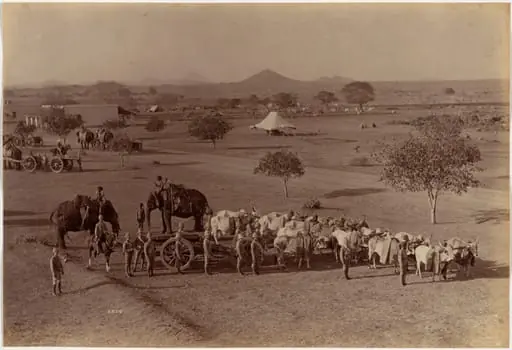 Heavy Field Battery, Jhansi
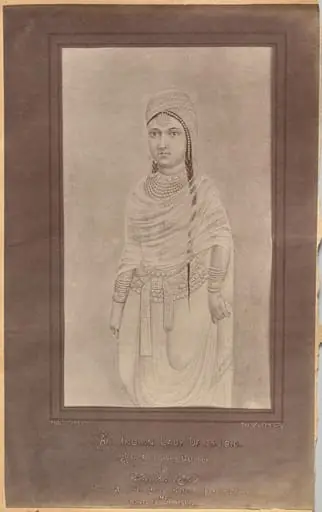 Indian Lady 250 BC (verso, right)
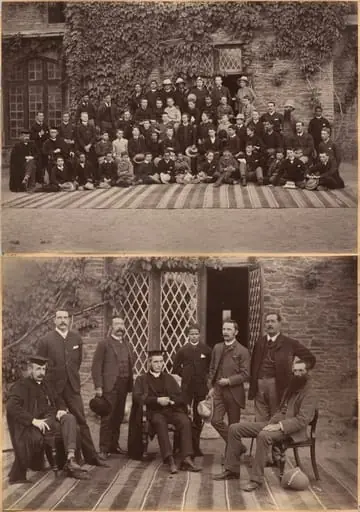 Principal and Teachers of Bishop Cotton School, Shimla (recto); Middle Class Students and Staff, Bishop Cotton School, Shimla (verso)
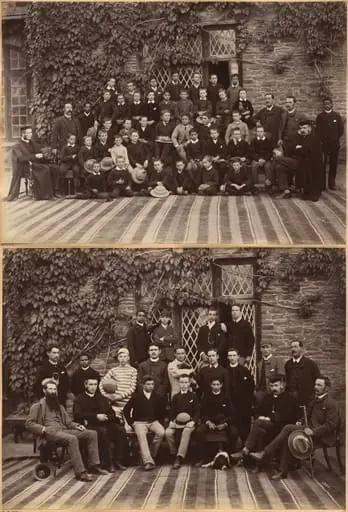 Primary Class Bishop Cotton School, Shimla (recto); High Class Students and Teachers at Bishop Cotton School, Shimla (verso)
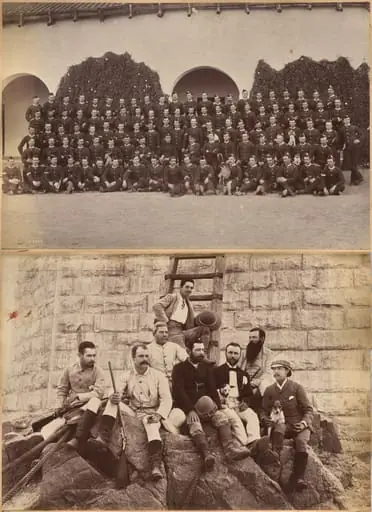 B. c/o Devonshire Regiment, Jhansi (recto); Staff of Messrs. Glover & Co., Sindh Bridge (verso)
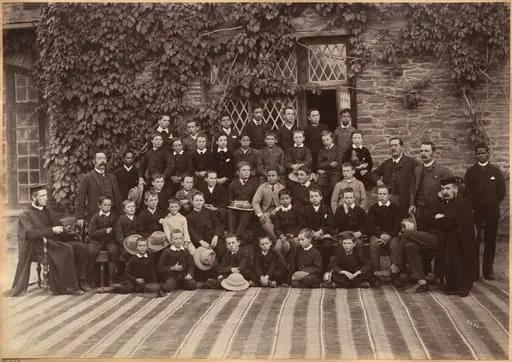 Primary Class, Bishop Cotton School, Shimla (recto)
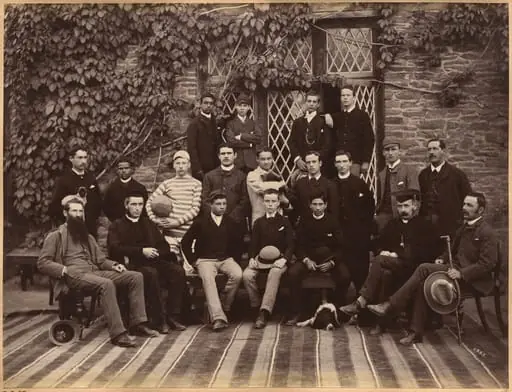 High Class Students and Teachers at Bishop Cotton School, Shimla (verso)
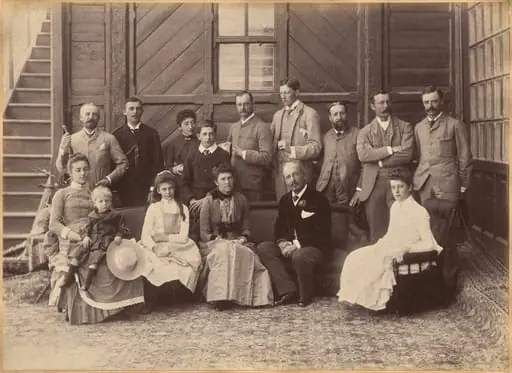 Viceregal Party Shimla (verso)
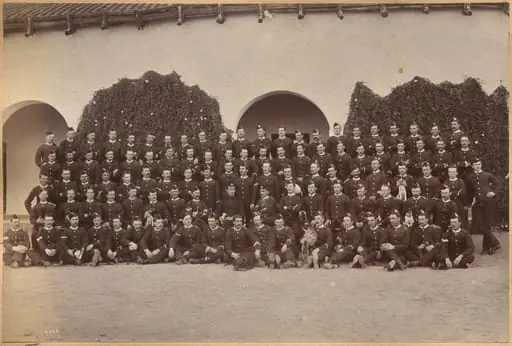 B. c/o Devonshire Regiment, Jhansi (recto)
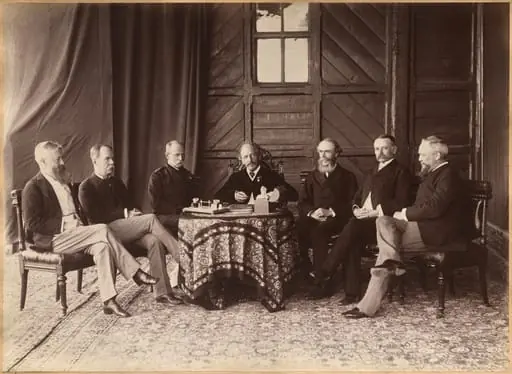 The Viceregal Council
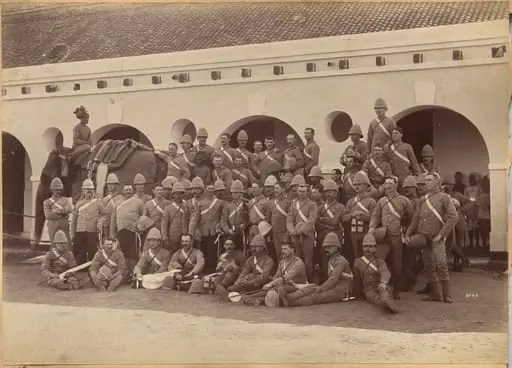 Men of Elephant Battery, Jhansi (verso)
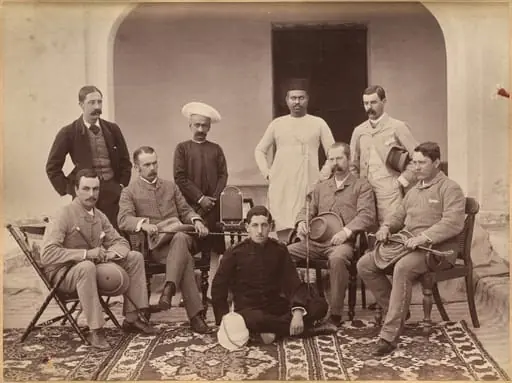 Civil officers at Jhansi (recto)