Artwork
The Plague in Crete/ 'Il Morbetto'
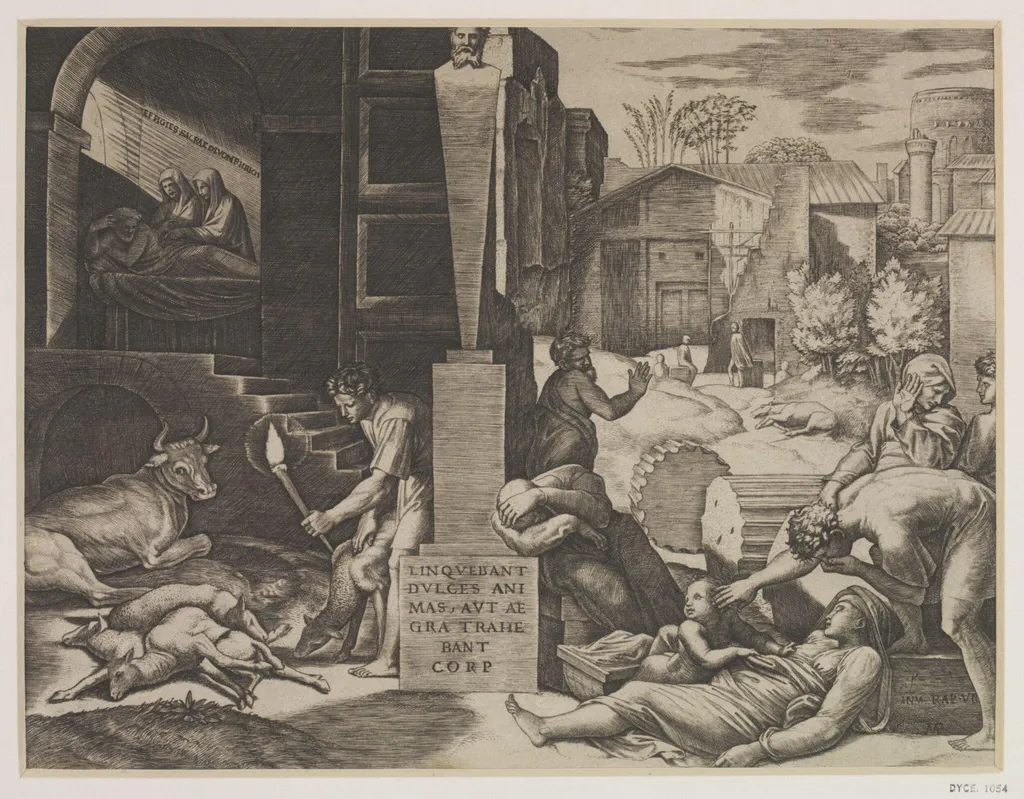
The Plague in Crete/ 'Il Morbetto' is a print by the High Renaissance artist Raphael. It dates from 1490 and is held in the collection of the Victoria and Albert Museum.
About this work
Overview
The work is a paper print attributed to Raphael, known under the titles *The Plague in Crete* and *Il Morbetto*. It translates a design conceived by the artist into a printed image that portrays a community struck by epidemic disease.
Subject & Meaning
The composition presents a bleak tableau of a town in crisis: a woman lies prostrate in the foreground, a man cradles a child, and a crowd of figures in the distance display various stages of illness. The scene conveys collective suffering and the fragility of life during a plague outbreak.
Technique & Style
Raphael’s design is rendered through a combination of chiaroscuro, which models forms with strong light‑dark contrasts, and sfumato, a subtle blurring that softens edges and creates atmospheric depth. These techniques give the print a three‑dimensional presence despite its flat medium.
Context
Created within the Renaissance, the print reflects the period’s interest in humanist themes and realistic representation of contemporary events. Epidemic disease was a recurrent subject in early modern art, serving both documentary and moralizing purposes.
History & Provenance
The print exists as a single‑sheet work on paper, derived directly from Raphael’s original drawing. Its ownership history is limited to collections that specialize in Renaissance prints, where it is catalogued under both of its titles.
Artist & collection
Artist
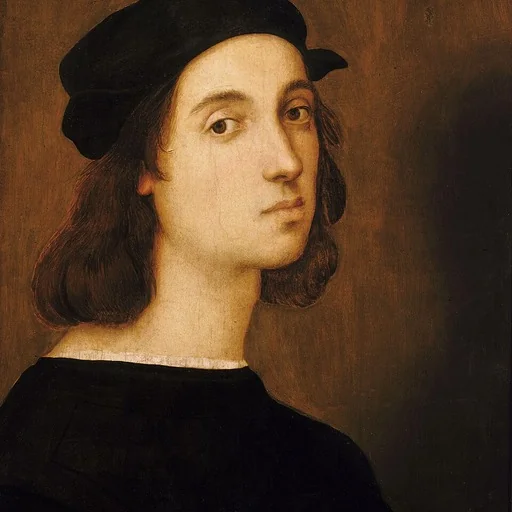
Raphael was born Raffaello Sanzio in Urbino on April 6, 1483, the son of Giovanni Santi, a painter and poet attached to the ducal court.

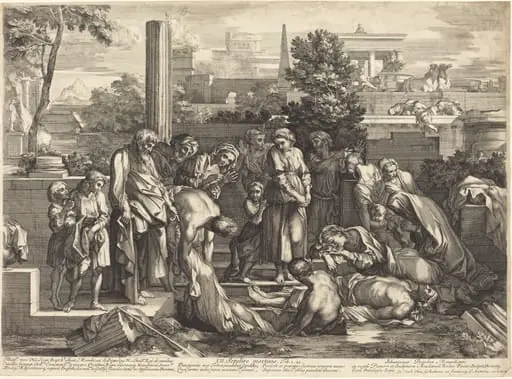 Sepelire mortuos
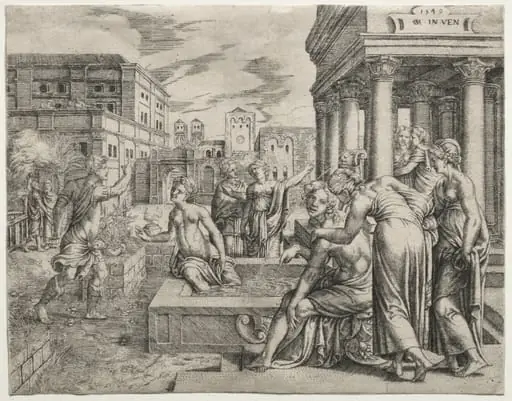 Bathsheba in the Bath
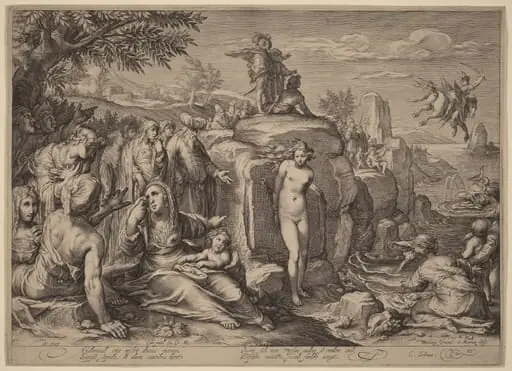 Perseus and Andromeda
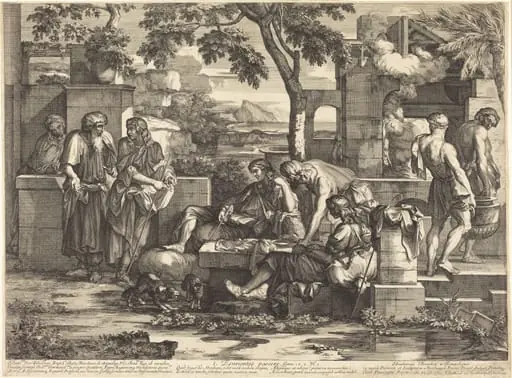 Esurientes pascere
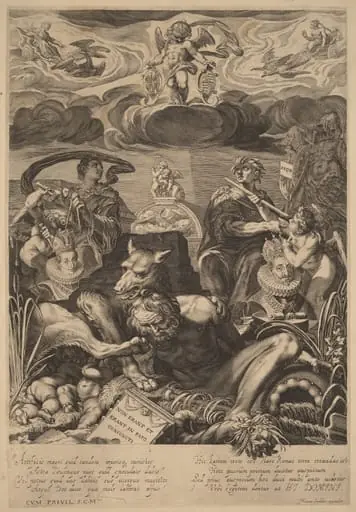 Allegory of the Marriage of Emperor Ferdinand II and Eleanor Gonzaga
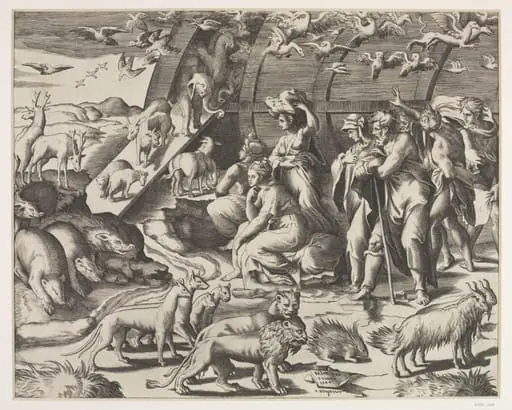 Noah and His Family Leaving the Ark
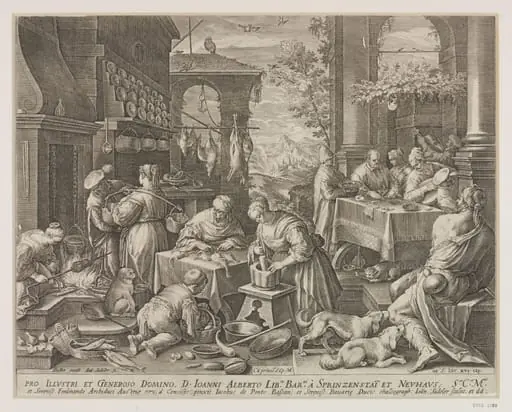 The Rich Man and Lazarus
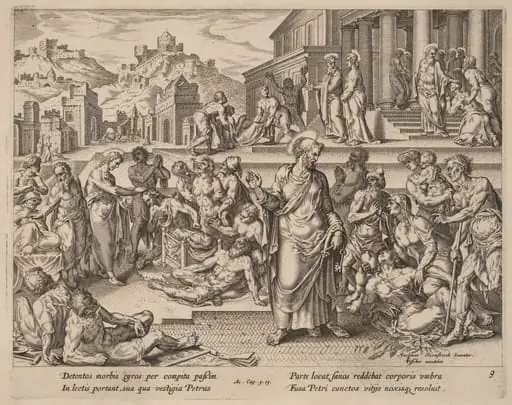 Saint Peter Healing the Sick with His Shadow
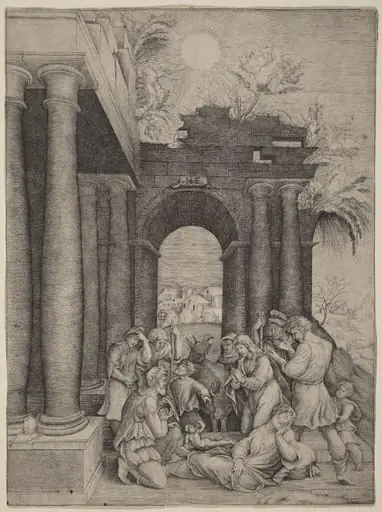 The Adoration of the Shepherds
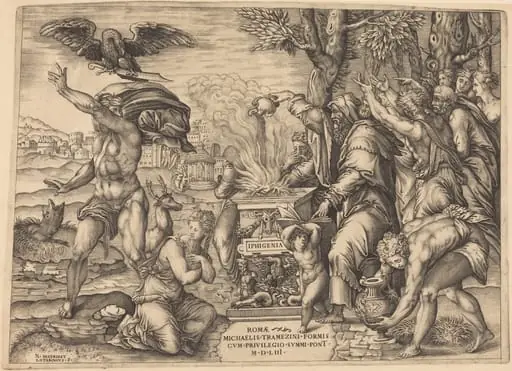 The Sacrifice of Iphigenia
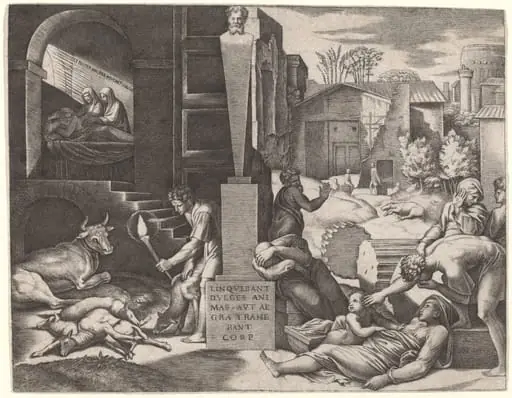 Il Morbetto (The Plague)
 Untitled