Artwork
Le chant de la cigale
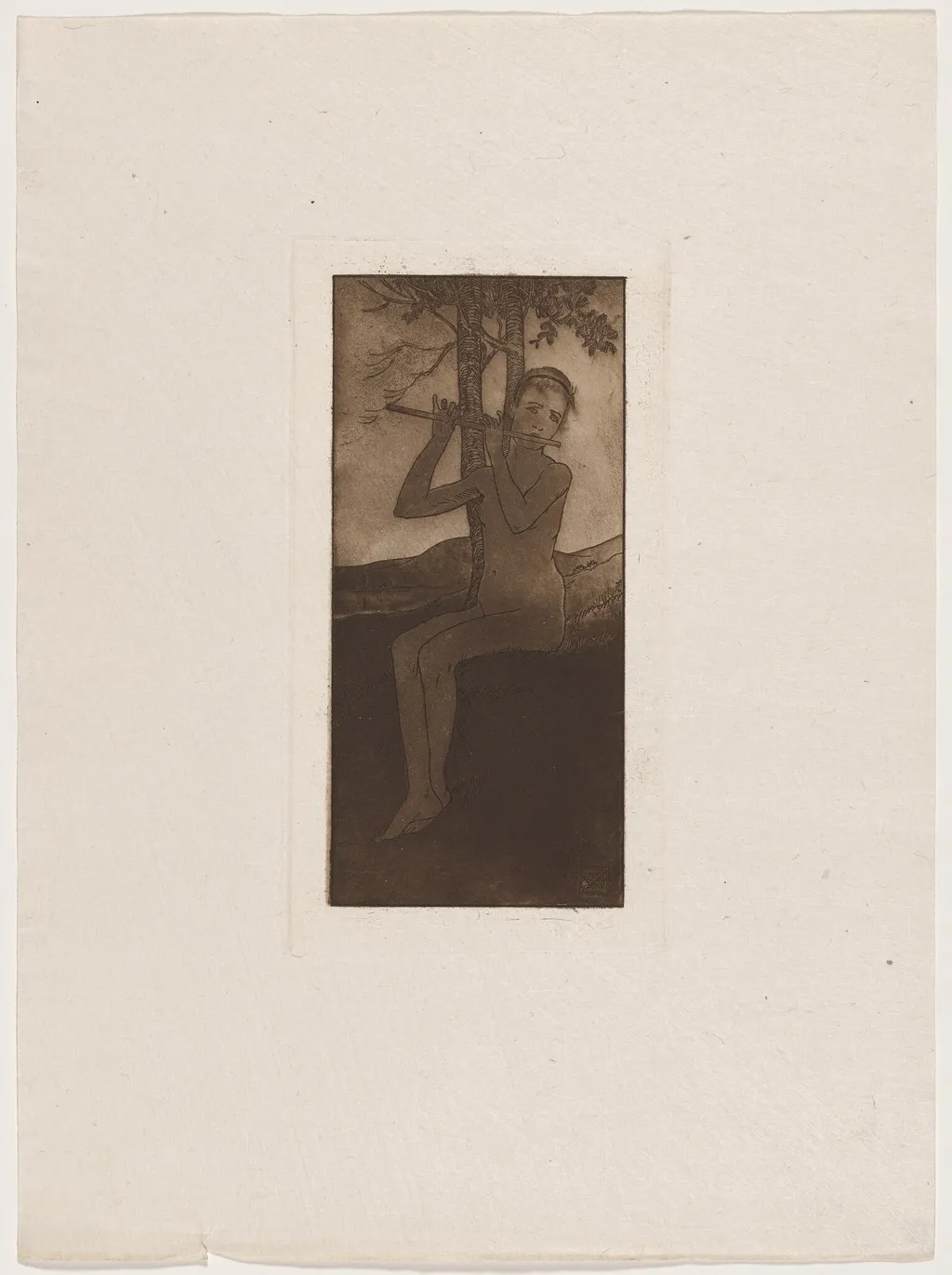
Le chant de la cigale is an ink print by the Impressionist artist Armand Rassenfosse. It dates from 1895 and is held in the collection of the National Gallery of Art.
About this work
Overview
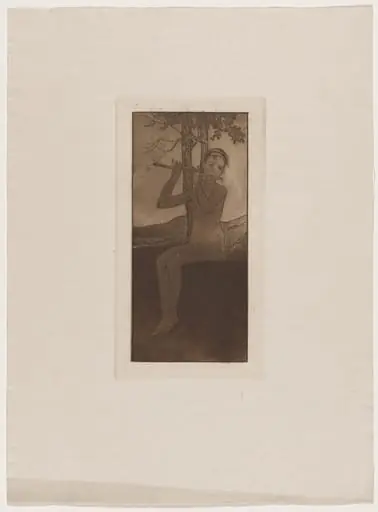
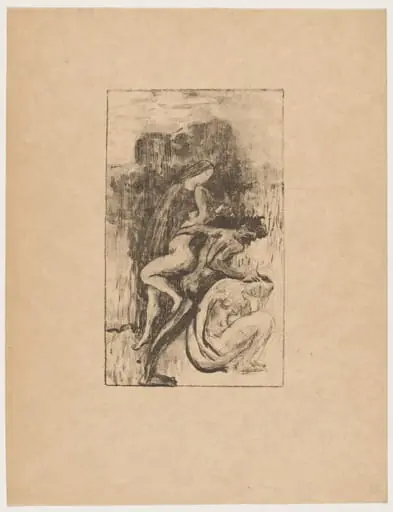
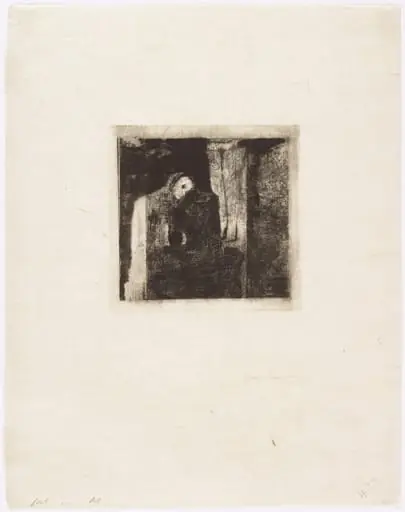
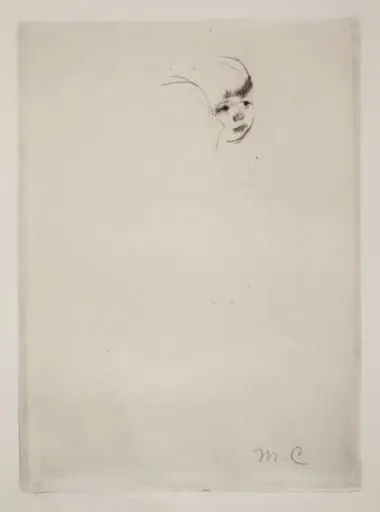
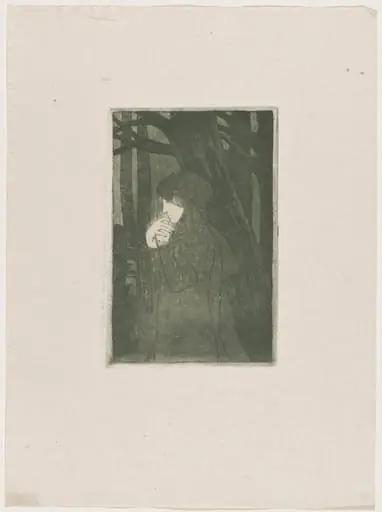
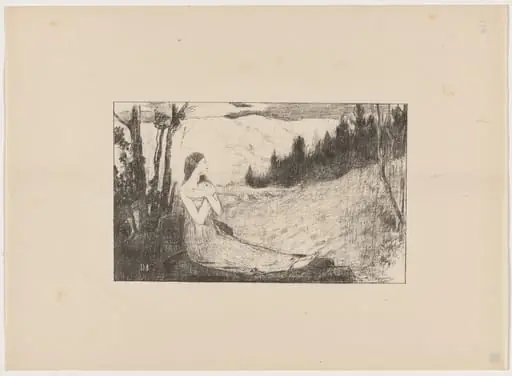
Created in 1895, Le chant de la cigale is a print by Armand Rassenfosse, executed in etching and aquatint using brown ink on china paper. The work captures a solitary boy in a rural setting, rendered with subtle tonal contrasts and delicate line work. Its intimate scale and soft focus reflect the artist’s interest in quiet, contemplative moments rather than grand narratives.
Subject & Meaning
The image depicts a barefoot, shirtless boy seated beneath a tree, pipe in hand, as if pausing in mid-song or reverie. The title, referencing the song of the cicada, suggests a connection between the boy’s stillness and the natural rhythms of summer. There is no overt narrative—only a sense of solitude and harmony with the environment, evoking childhood innocence and the passage of time.
Technique & Style
Rassenfosse employed etching and aquatint to achieve a range of soft grays and deep shadows, enhancing the hazy atmosphere. The boy’s form is defined by sparse, expressive lines, while the background dissolves into blurred tones, creating depth without detail. The use of china paper, thin and absorbent, amplifies the delicate texture and tonal subtlety of the ink.
History & Provenance
The print was made during Rassenfosse’s active period in Belgium, when he was exploring printmaking alongside his work in illustration and design. Few early impressions are documented, and the work remained largely within private collections until the mid-20th century. Its current whereabouts are held in institutional archives, though it has rarely been publicly exhibited.
Context
Produced during the fin de siècle, the image aligns with Symbolist and Art Nouveau sensibilities that favored emotional resonance over realism. Rassenfosse’s focus on rural life and quiet introspection mirrored broader European interests in nature, childhood, and the ephemeral. Unlike urban scenes common in contemporary prints, this work turns inward, toward stillness and solitude.
Legacy
Le chant de la cigale remains a quiet example of Rassenfosse’s mastery in printmaking, appreciated more for its mood than its fame. It has influenced later artists interested in tonal subtlety and poetic simplicity, though it has not entered mainstream art historical discourse. Its endurance lies in its restraint—a single figure, a moment, and the hum of an unseen cicada.
Artist & collection