Artwork
Doña Carmen Alcalde y Velasco de Cazotte
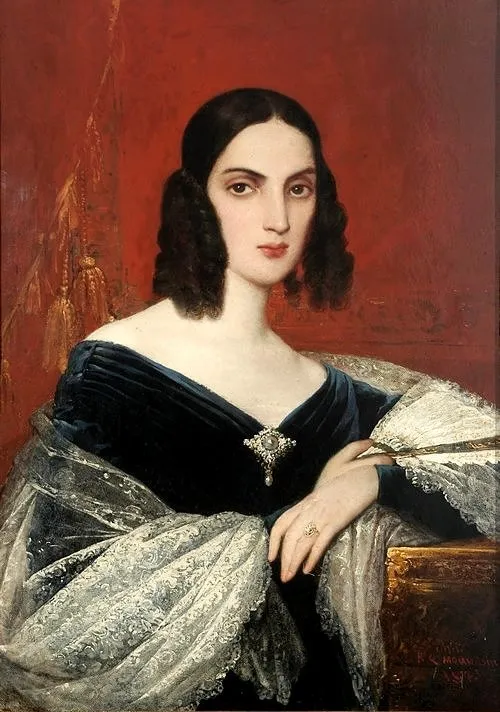
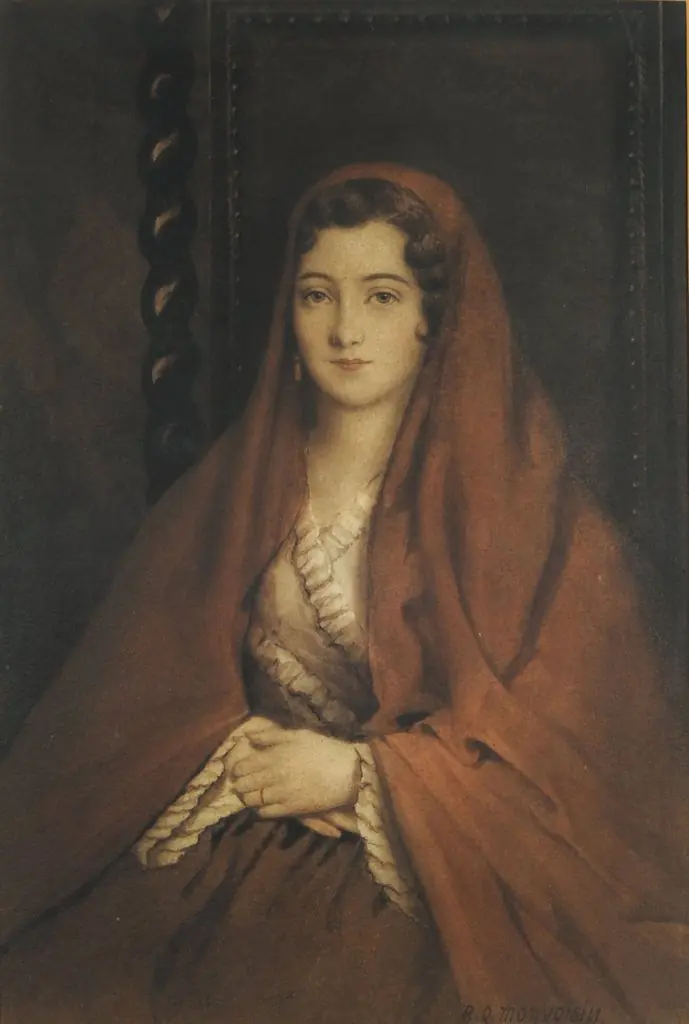
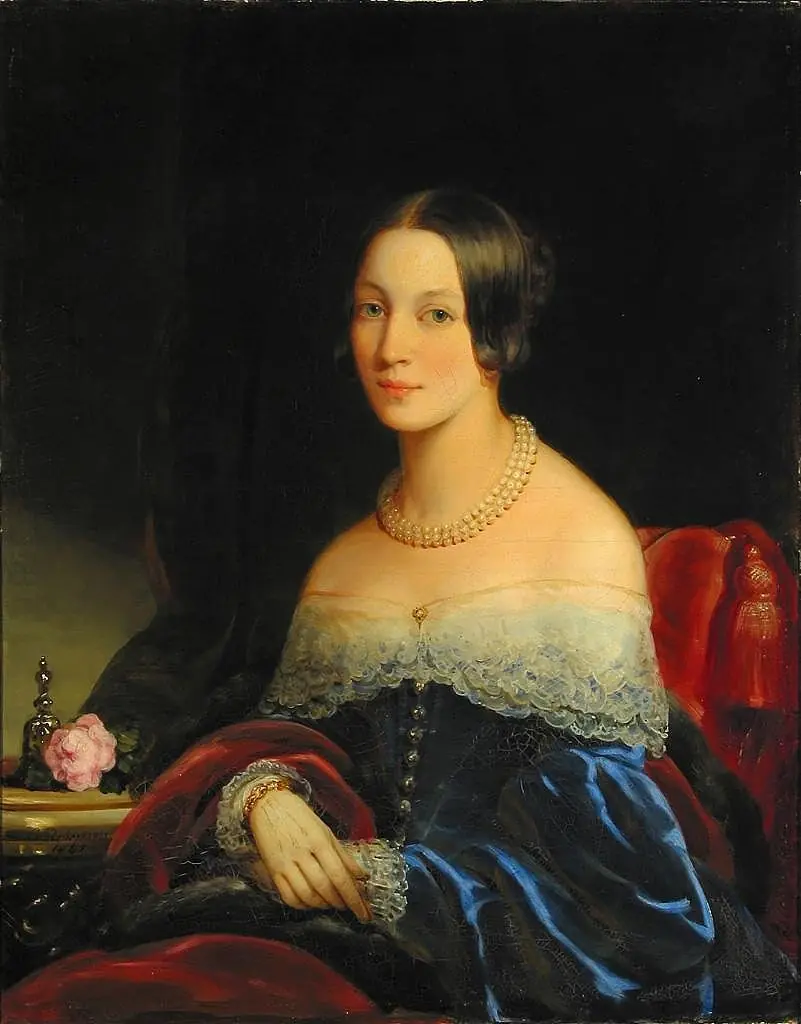
Doña Carmen Alcalde y Velasco de Cazotte is an oil painting by the French Romanticist artist Raymond Monvoisin. It dates from 1843 and is held in the collection of the Chilean National Museum of Fine Arts.
About this work
Overview
Painted in 1843 by Raymond Monvoisin, this oil portrait depicts Doña Carmen Alcalde y Velasco de Cazotte, a Chilean aristocrat. The work is part of the collection at the National Museum of Fine Arts in Santiago. It exemplifies the formal portraiture style favored by elite patrons in mid-19th-century Chile, reflecting both personal status and cultural aspirations of the period.
Subject & Meaning
The wooden object she rests her arm upon may suggest a table or pedestal, reinforcing the portrait’s ceremonial tone.
Doña Carmen is portrayed with composed dignity, her gaze direct and unflinching. Her dark blue dress, accented by a brooch and a light shawl, signals refinement and wealth. The wooden object she rests her arm upon may suggest a table or pedestal, reinforcing the portrait’s ceremonial tone. The image conveys social standing rather than emotional expression, typical of aristocratic portraiture of the era.
Technique & Style
Monvoisin employs smooth brushwork and careful tonal transitions to render fabric and skin with quiet realism. The deep red background intensifies the contrast with the subject’s pale complexion and light shawl, drawing focus to her figure. Lighting is even and controlled, avoiding dramatic chiaroscuro, in keeping with the restrained elegance favored in Latin American elite portraiture of the time.
History & Provenance
The painting was commissioned shortly after Monvoisin settled in Chile, where he became a leading portraitist among the upper class. It remained in the Alcalde family until its acquisition by the National Museum of Fine Arts in Santiago. Its documented history reflects the artist’s prominence and the family’s cultural capital during Chile’s early republican period.
Context
In the 1840s, Chile’s emerging elite sought to align themselves with European cultural norms through portraiture. Monvoisin, trained in France, brought academic techniques to Santiago, where he catered to families like the Alcaldes. This portrait is one of many that helped define a visual language of status in a nation building its post-colonial identity.
Legacy
The portrait endures as a representative example of 19th-century Chilean portraiture. It illustrates the fusion of European artistic conventions with local aristocratic identity. While not widely exhibited beyond national collections, it remains a key reference for scholars studying the social and visual culture of Chile’s early republic.
Artist & collection

 Maria Beck (née Stolypina, later Princess Vyazemskaya)
 Portrait of Yulia F. Kurakina (1814-1881)
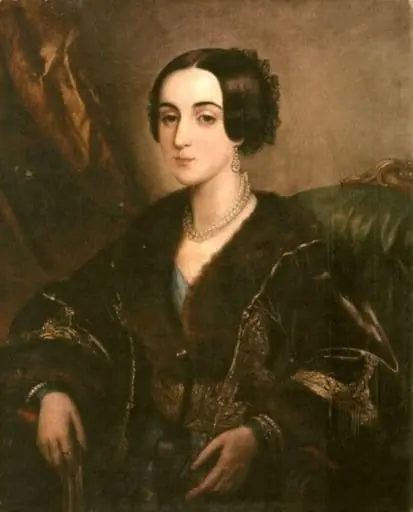 Portret de femeie
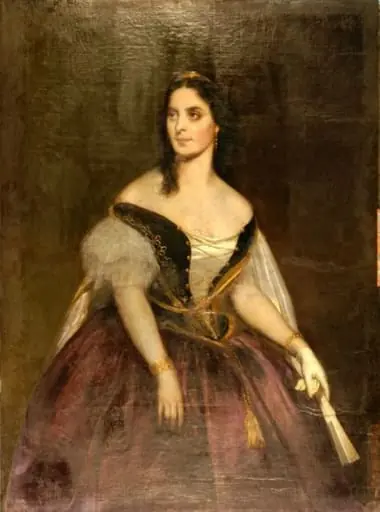 Împărătesa Elisabeta
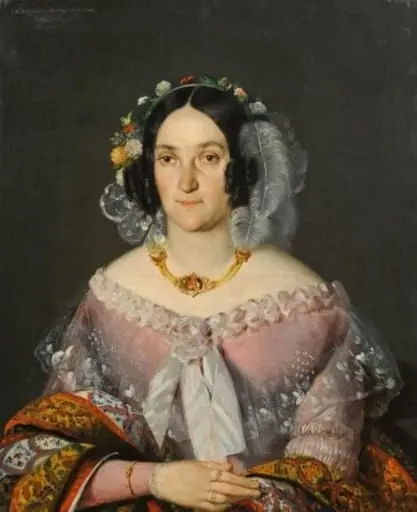 Vorniceasa Maria Burada
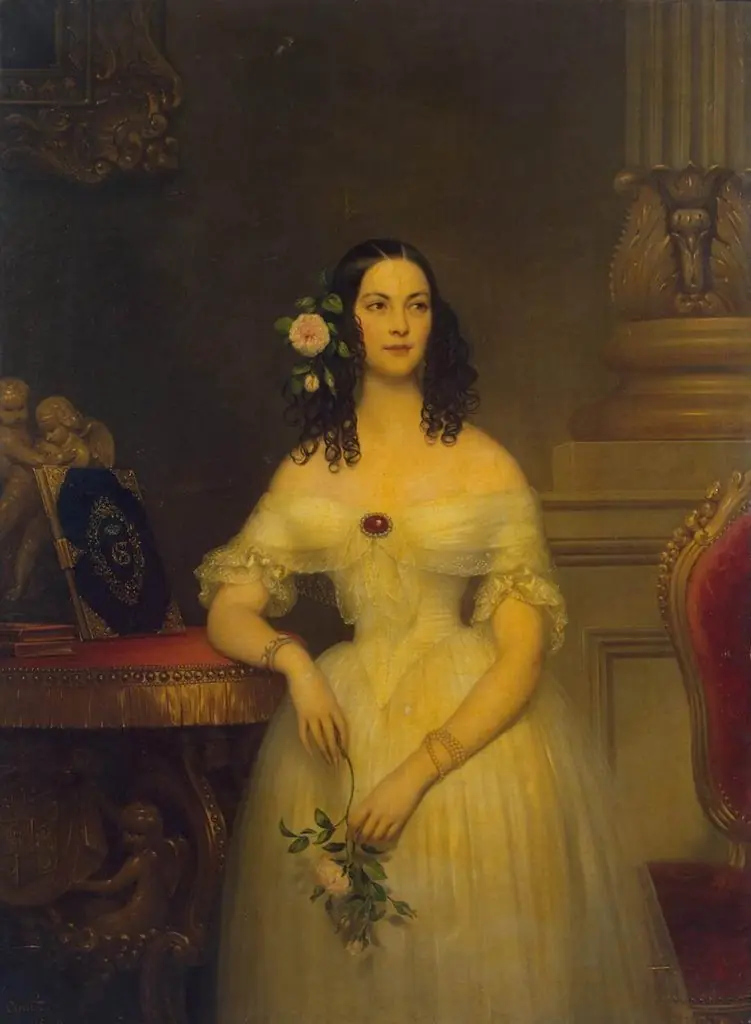 Portrait of Yekaterina Scherbatova
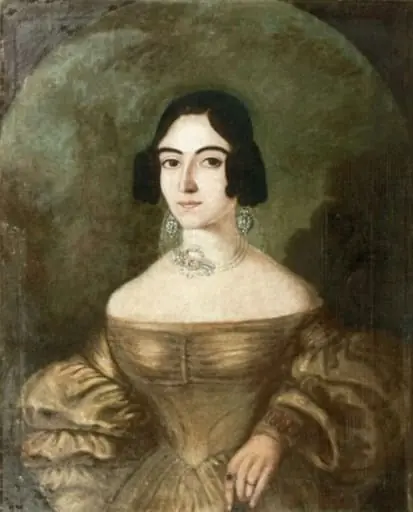 Portret de femeie
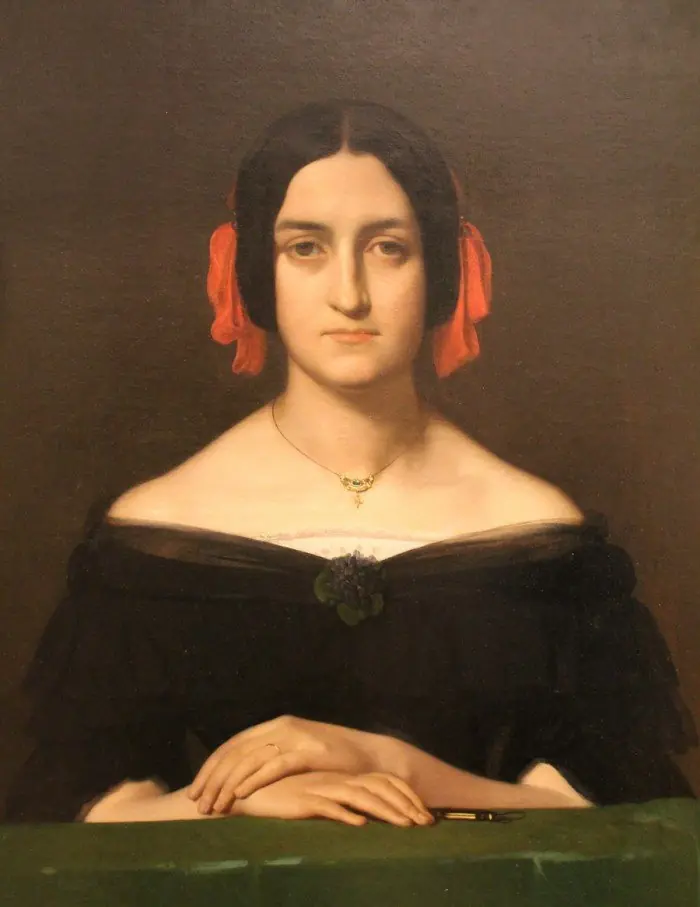 Portrait de Madame Oudiné
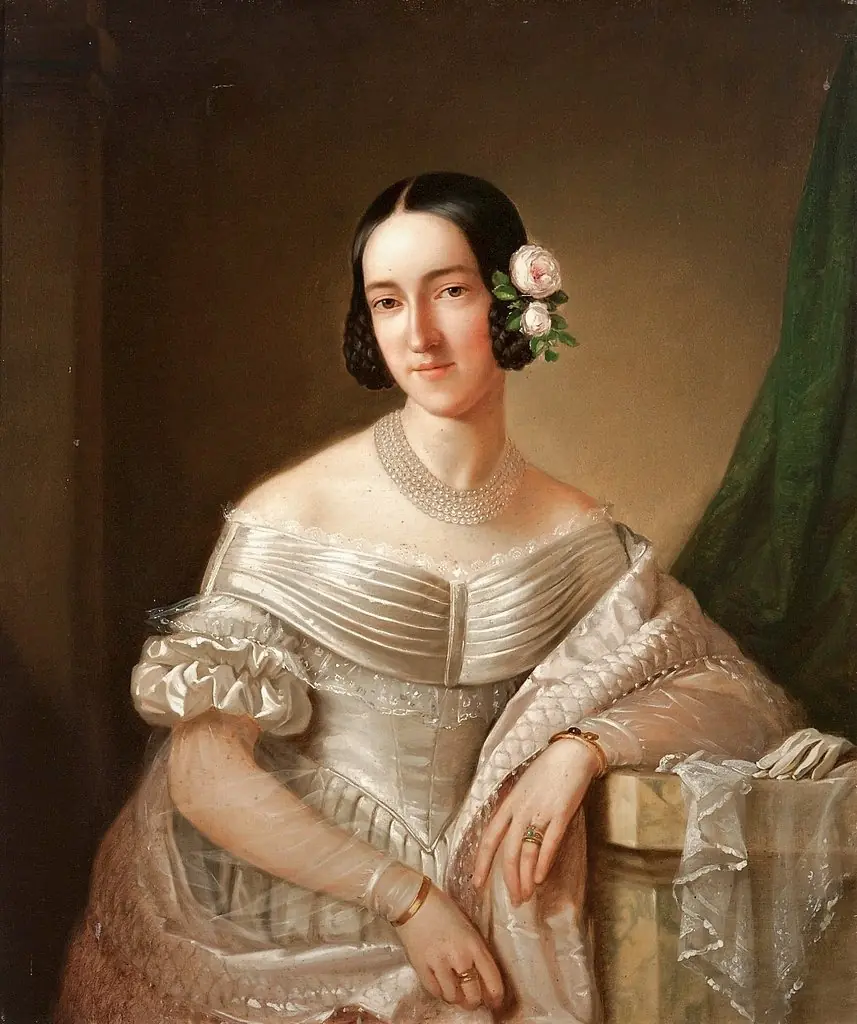 Portrait of Archduchess Hermine of Austria
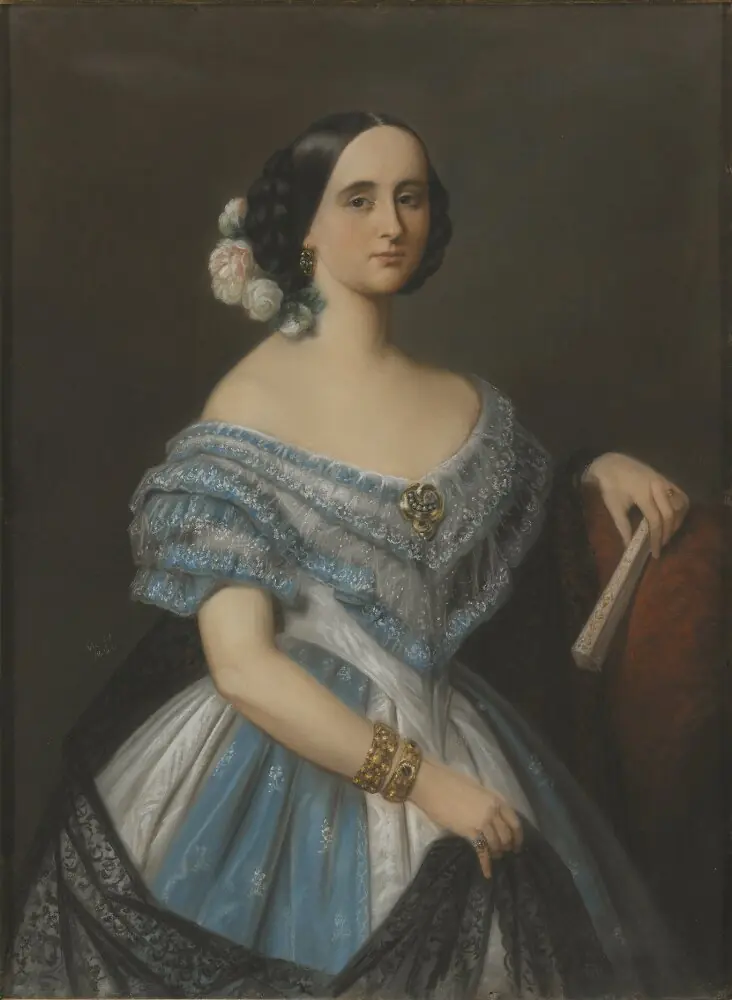 Julie (Julia Mathilda) Berwald, g. Åkerhielm af Margrethelund (1822-1877), operasångerska, gift med friherre hovmarskalk Gustaf Georg Knut Åkerhielm af Mergrethelund
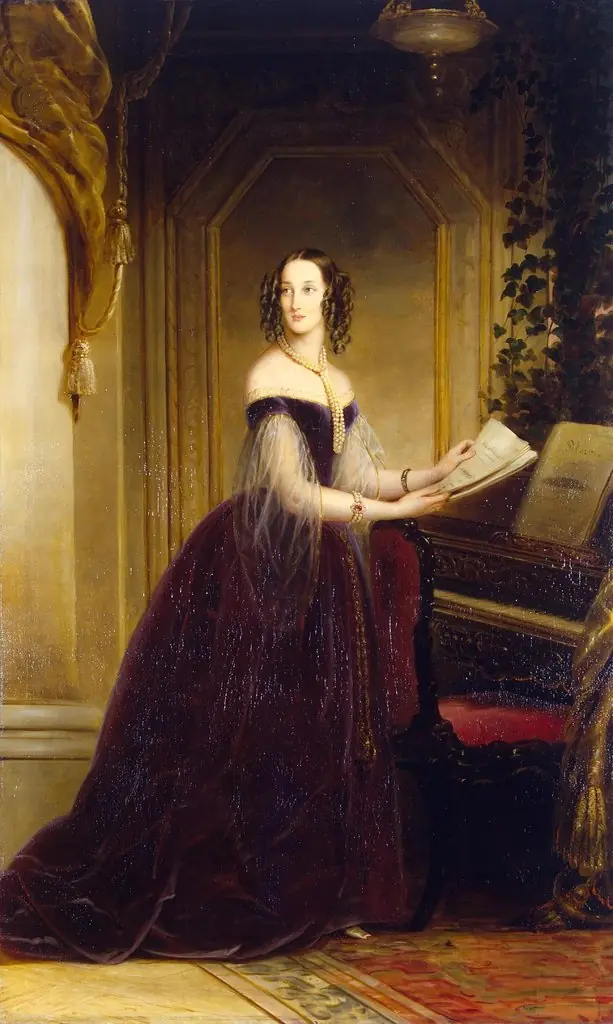 Portrait of Grand Princess Maria Nikolayevna (1819-1876)
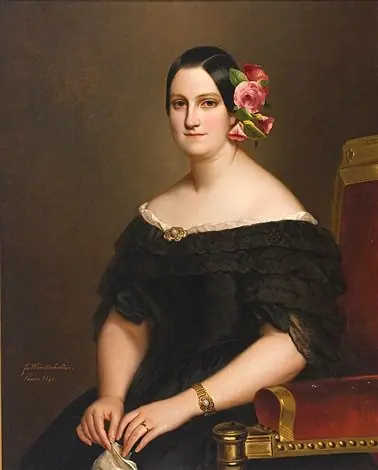 Maria Christina of the Two Sicilies (1806-1878), Spanish queen-consort