Artwork
Descent from the Cross (Matthew 27:58–59; Mark 15: 45–46; Luke 23:52–53; John 19:38)
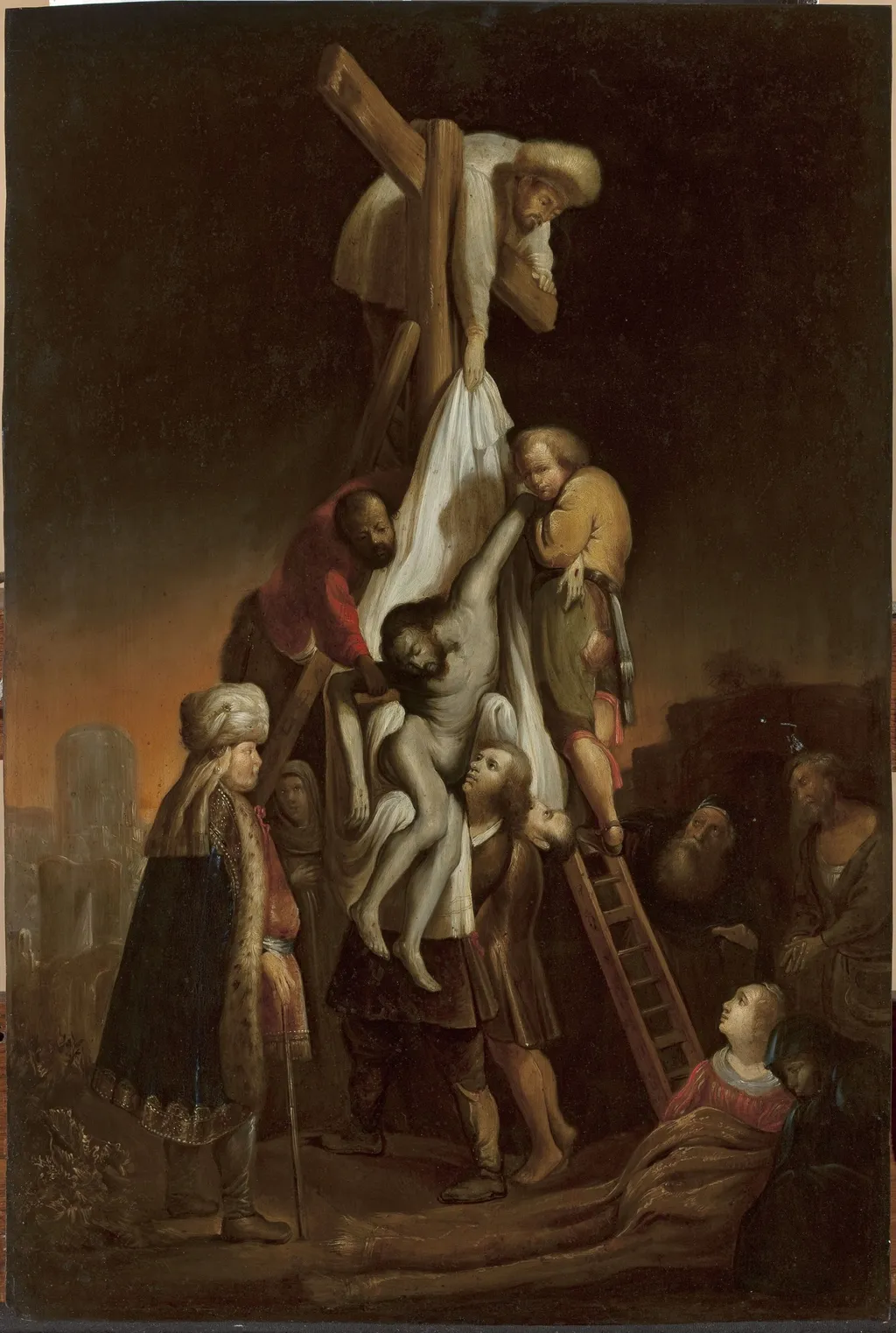
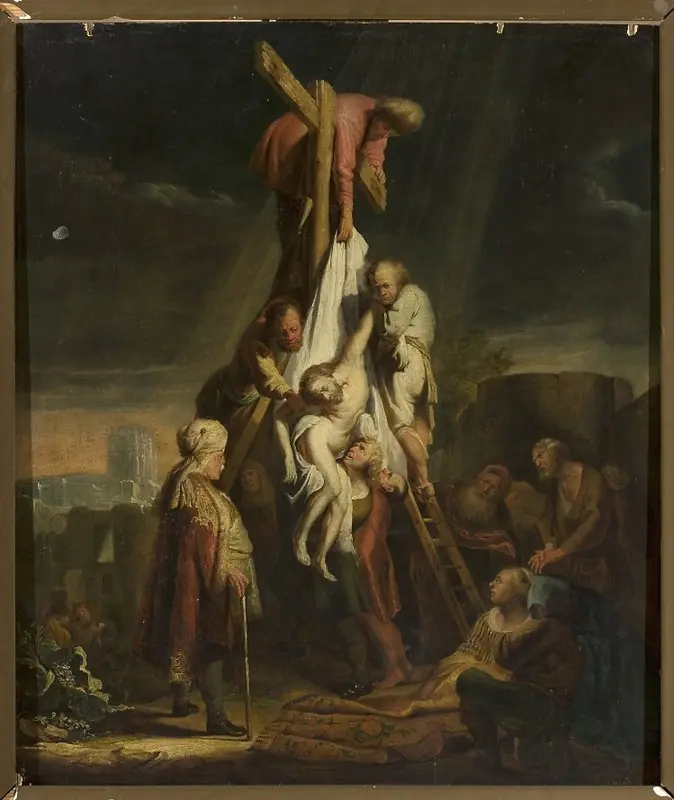
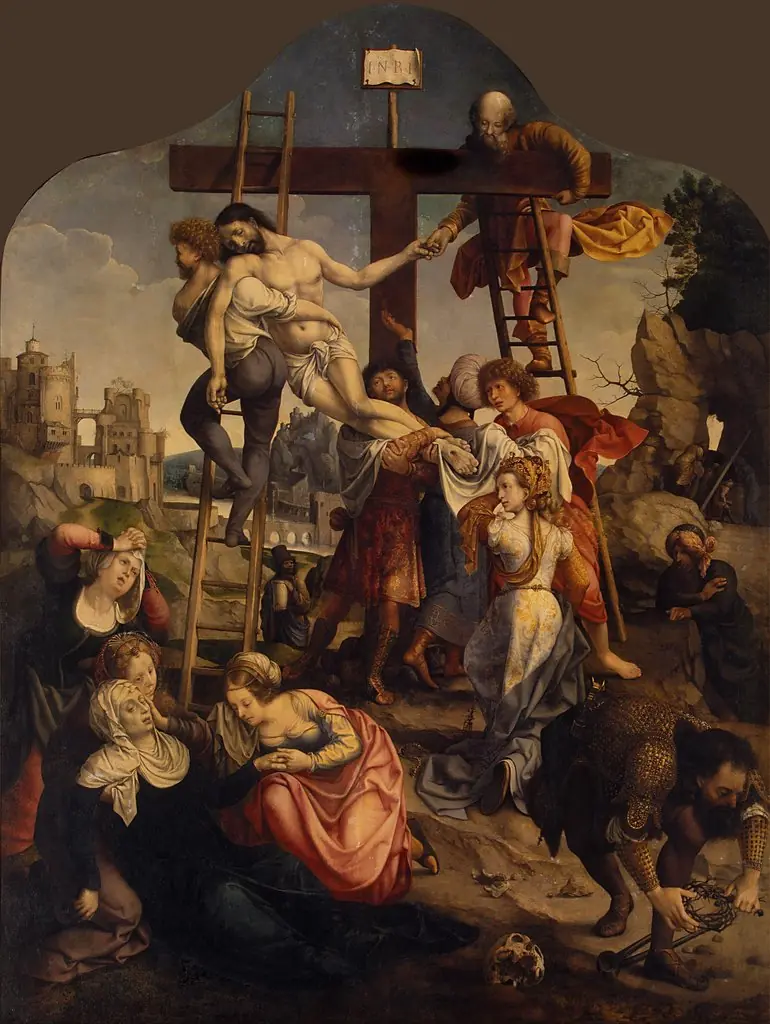
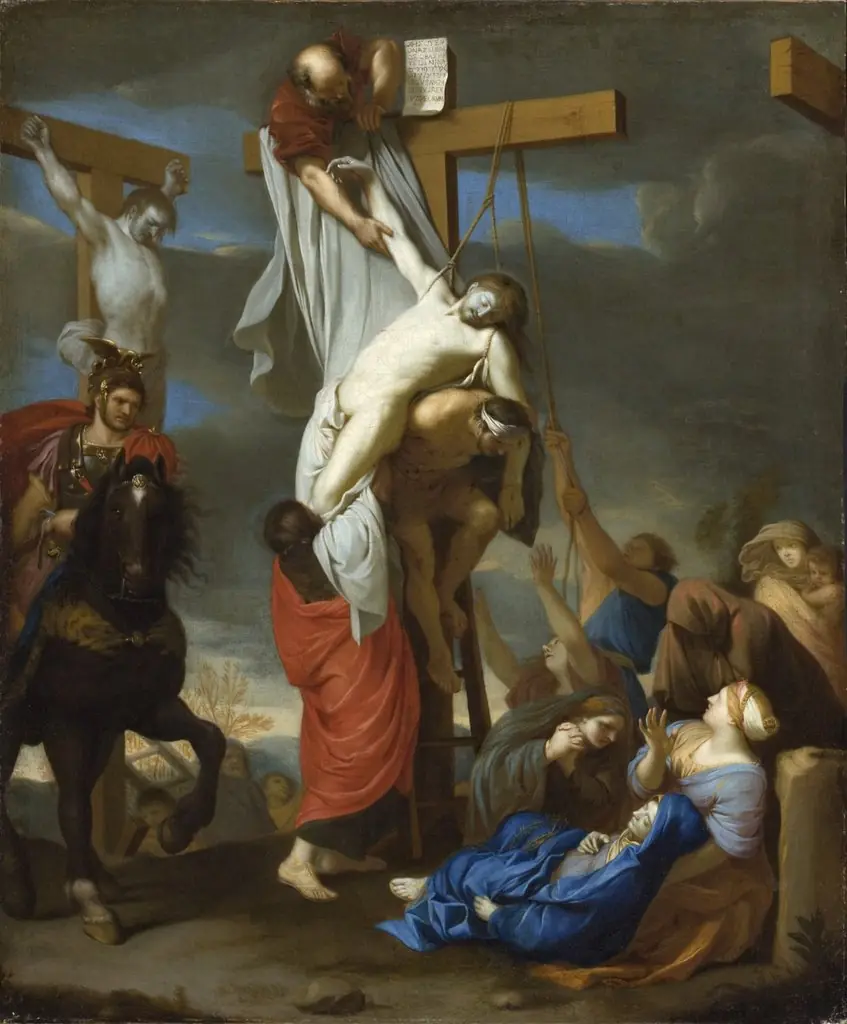
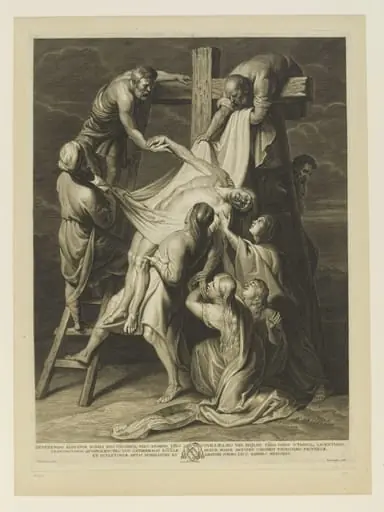
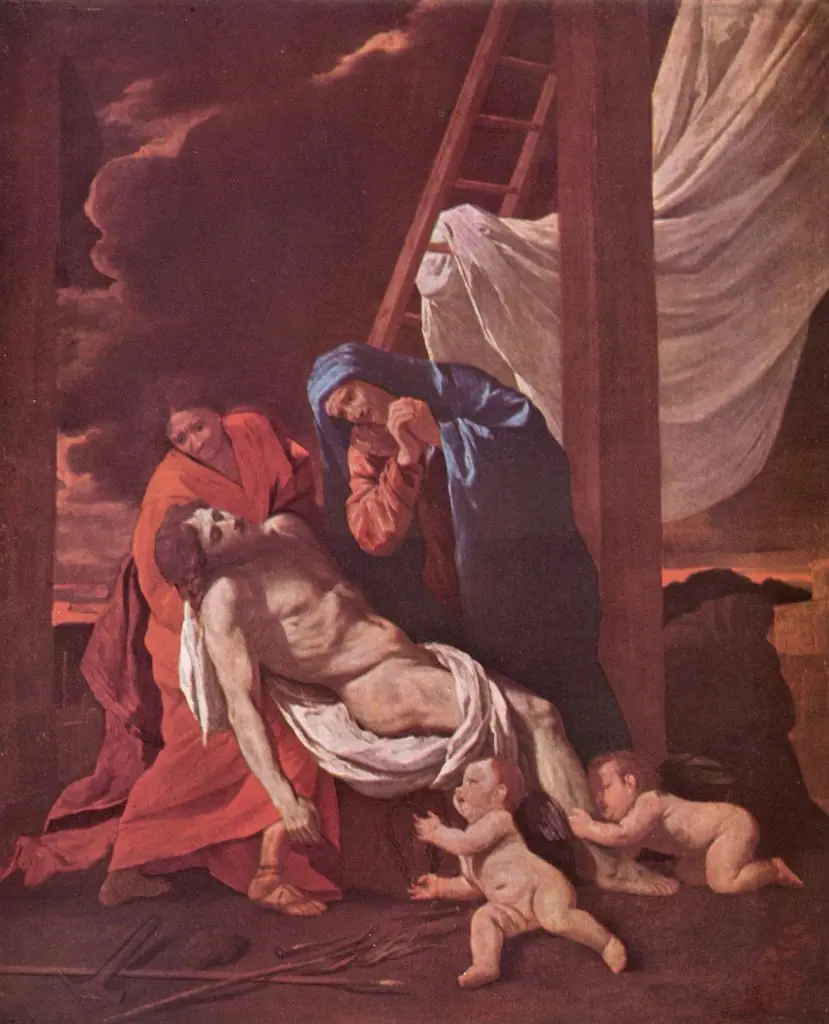
Descent from the Cross (Matthew 27:58–59; Mark 15: 45–46; Luke 23:52–53; John 19:38) is an unspecified painting by the Dutch Golden Age artist Rembrandt. It dates from 1647 and is held in the collection of the National Museum in Warsaw.
About this work
Overview
Rembrandt van Rijn’s *Descent from the Cross*, executed circa 1647, belongs to the artist’s mature period within the Dutch Golden Age. The oil painting portrays the biblical moment when Christ’s body is lowered from the crucifixion cross, rendered in the master’s characteristic chiaroscuro. It is presently housed in the National Museum in Warsaw.
Subject & Meaning
The composition gathers a small group of figures engaged in the solemn task of removing the shrouded corpse of Jesus. A kneeling figure in the foreground looks upward, emphasizing reverence, while onlookers at the edges observe the ritual. The work reflects the theological focus on Christ’s sacrifice and the human compassion surrounding his death.
Technique & Style
Rembrandt employs a dramatic contrast of light and darkness, allowing warm illumination to caress certain faces and garments while leaving others in deep shadow. This chiaroscuro effect creates a three‑dimensional sense of space and heightens the emotional intensity of the scene. The palette is restrained, dominated by earth tones and subdued reds.
History & Provenance
Painted during the later stage of Rembrandt’s career, the piece entered the collection of the National Museum in Warsaw, where it remains on display. Its acquisition history reflects the broader 19th‑ and 20th‑century interest in Dutch Baroque art among European institutions.
Context
The work follows a long tradition of Passion imagery in European art, yet Rembrandt’s interpretation departs from idealised forms, favoring a more immediate, human portrayal. The inclusion of varied headgear—turbans, simple caps—suggests a diverse gathering, a common device in the artist’s biblical scenes to convey universality.
Artist & collection
Artist
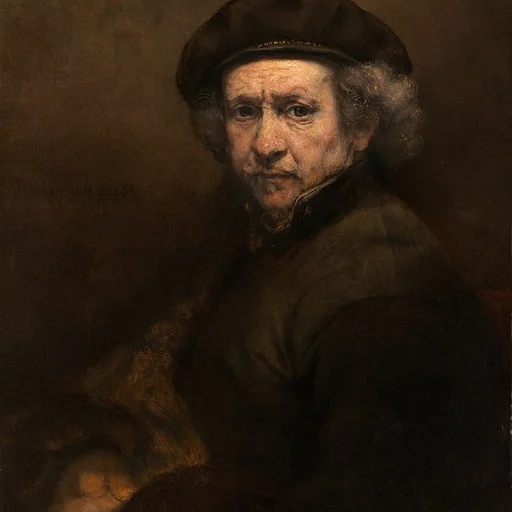
Rembrandt Harmenszoon van Rijn (15 July 1606 – 4 October 1669), known mononymously as Rembrandt, was a Dutch Golden Age painter, printmaker, and draughtsman.