Artwork
Man in Armour
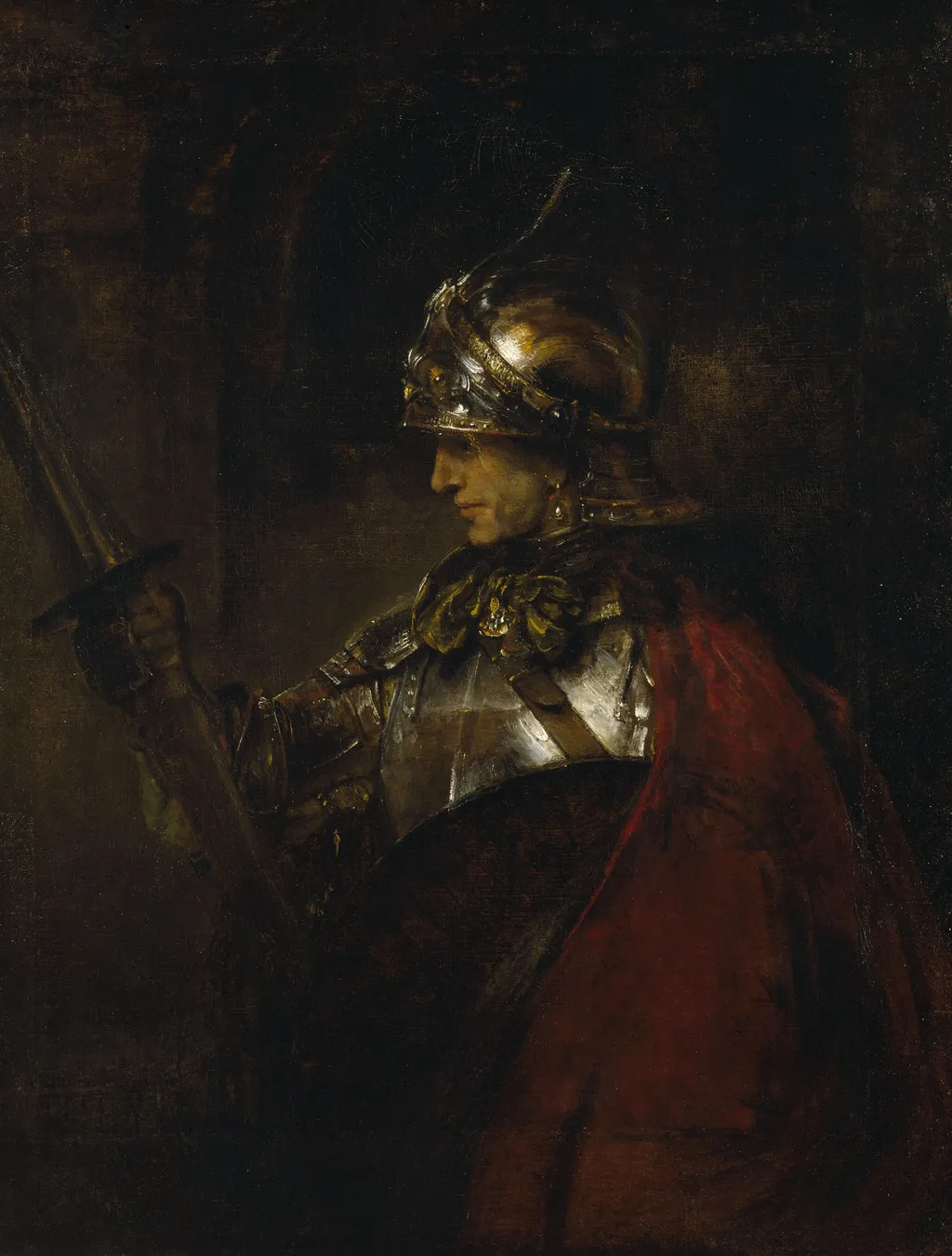
Man in Armour is an oil painting by the Dutch Golden Age artist Rembrandt. It dates from 1655 and is held in the collection of the Kelvingrove Art Gallery and Museum.
About this work
Overview
Painted in 1655, this oil-on-canvas portrait by Rembrandt van Rijn presents a figure clad in full armor, standing with a sword in hand.
Painted in 1655, this oil-on-canvas portrait by Rembrandt van Rijn presents a figure clad in full armor, standing with a sword in hand. The composition isolates the subject against a deep, shadowed background, emphasizing his presence through focused illumination. The work is part of the Kelvingrove Art Gallery and Museum’s collection, where it is recognized as a compelling example of Rembrandt’s portraiture during his mature period.
Subject & Meaning
The figure, dressed in ceremonial armor and a crimson cloak, appears neither as a specific historical person nor a mythological hero, but as a stylized embodiment of martial dignity. His turned gaze and rigid posture suggest introspection or readiness, evoking themes of duty and inner resolve. The absence of identifying symbols invites interpretation beyond individual identity, framing the subject as a universal emblem of armed authority.
Technique & Style
Rembrandt employs chiaroscuro to model the armor’s surfaces, using subtle gradations of light to reveal the texture of steel and the folds of the cloak. Brushwork varies from fine, precise strokes on the sword’s hilt to looser, expressive marks in the shadowed areas. The dark background enhances the three-dimensionality of the figure, while the restrained palette focuses attention on the interplay of light, metal, and fabric.
History & Provenance
The painting entered the Kelvingrove collection in the early 20th century, having passed through private hands in the Netherlands and possibly England. Its attribution to Rembrandt has been consistently supported by stylistic analysis and technical examination, though its original commission remains undocumented. It has been exhibited regularly since its acquisition, contributing to scholarly discussions on Dutch portraiture.
Context
Created during Rembrandt’s later years, the work reflects a shift from grand historical narratives toward intimate, psychologically charged depictions. While armor portraits were common in 17th-century Holland, often commissioned by wealthy burghers, this piece lacks overt signs of status, suggesting a more contemplative approach. It aligns with Rembrandt’s interest in character over circumstance, even within traditional genres.
Legacy
The painting endures as a study in restraint and psychological depth, distinguishing itself from more flamboyant military portraits of the era. Its influence is seen in later artists who favored emotional resonance over heraldic display. Though not widely reproduced, it remains a key reference in studies of Rembrandt’s handling of light, texture, and the human presence within confined, dramatic space.
Own this work as a print
Artist & collection
Artist
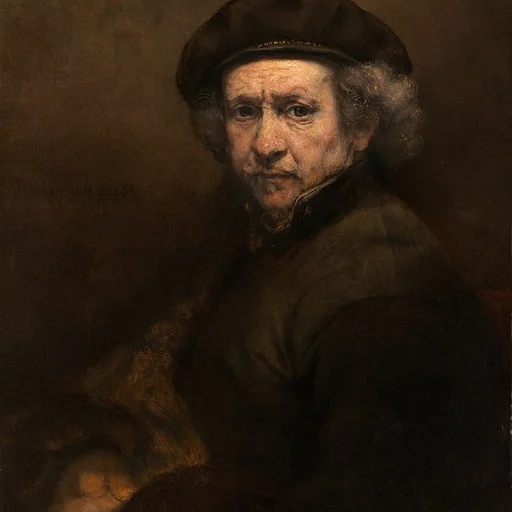
Rembrandt Harmenszoon van Rijn (15 July 1606 – 4 October 1669), known mononymously as Rembrandt, was a Dutch Golden Age painter, printmaker, and draughtsman.

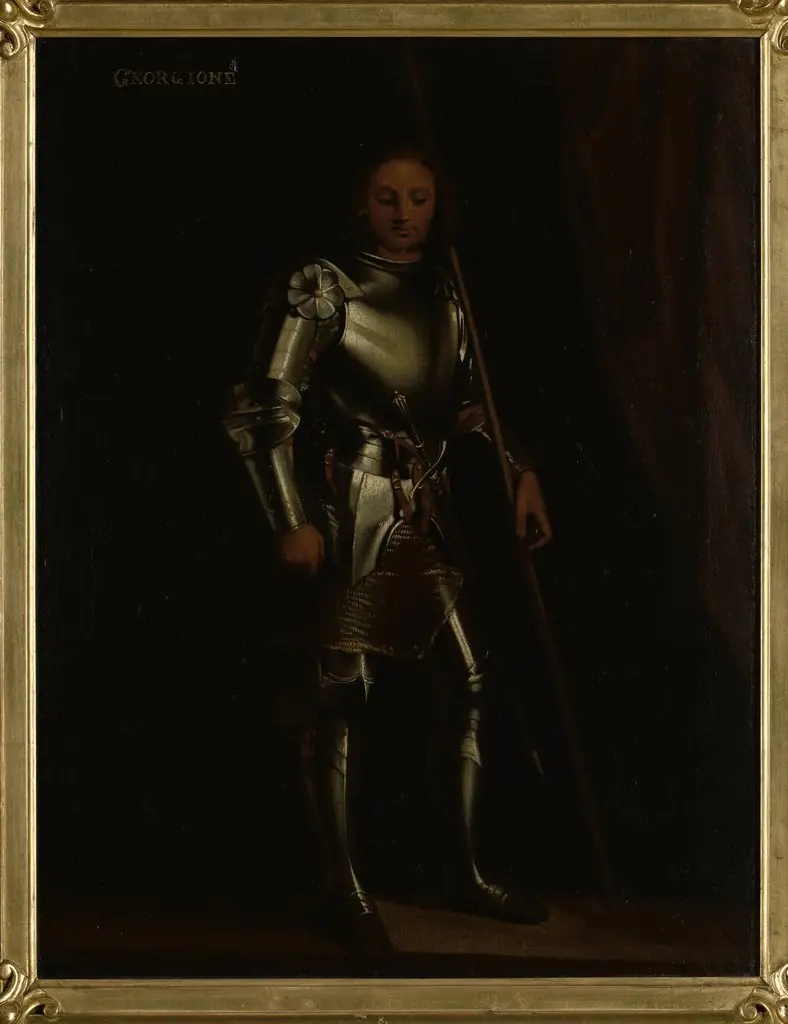 Knight in Armour – Saint George (?)
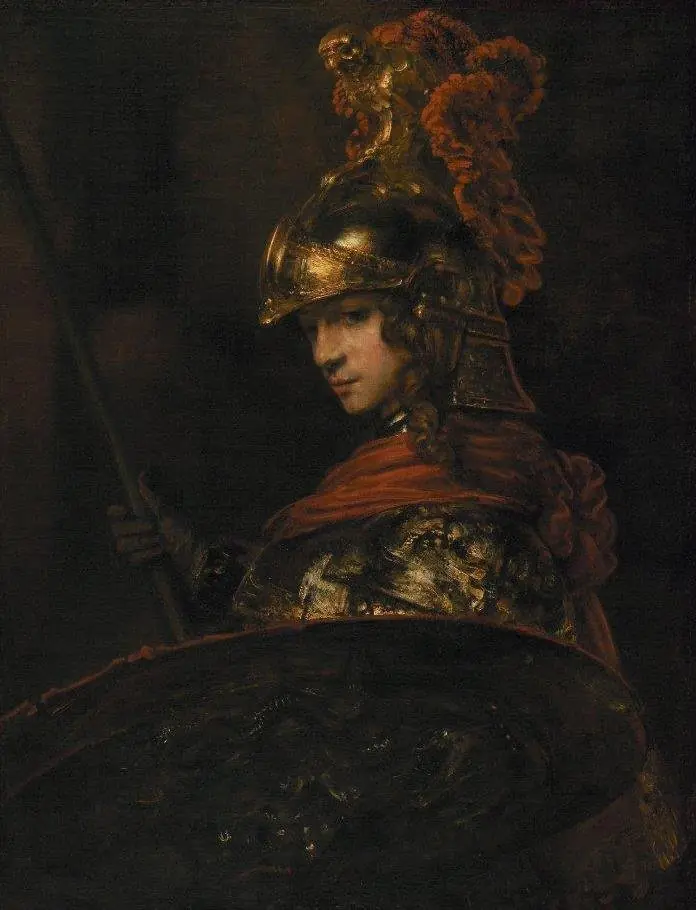 Pallas Athena
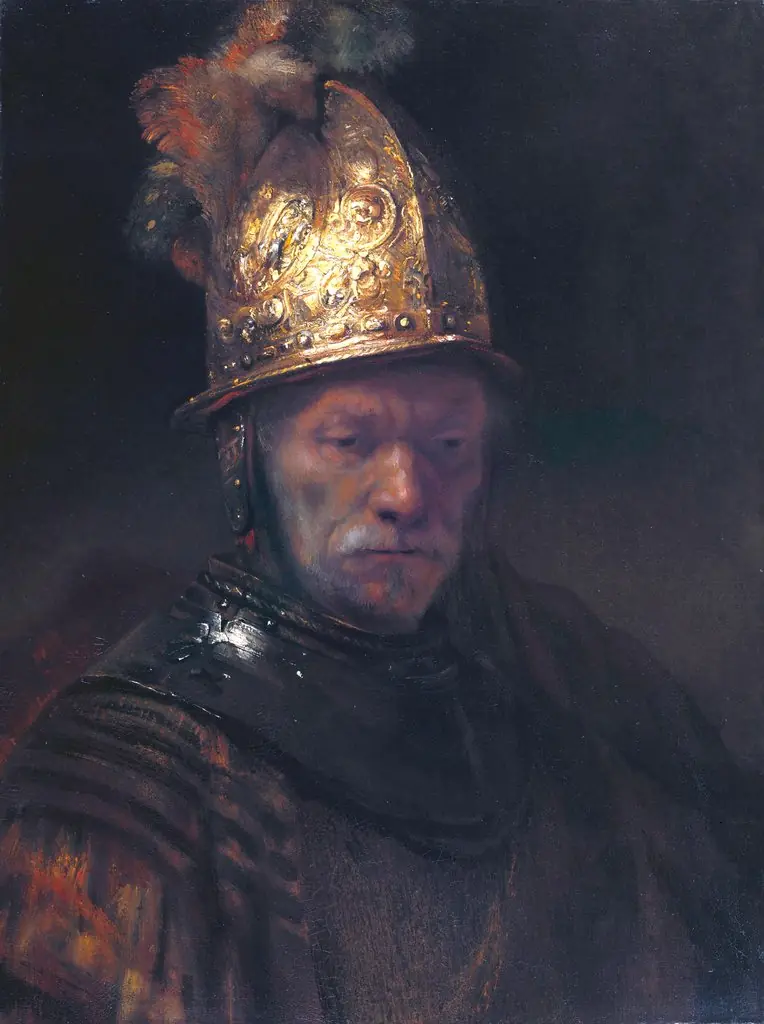 The Man with the Golden Helmet
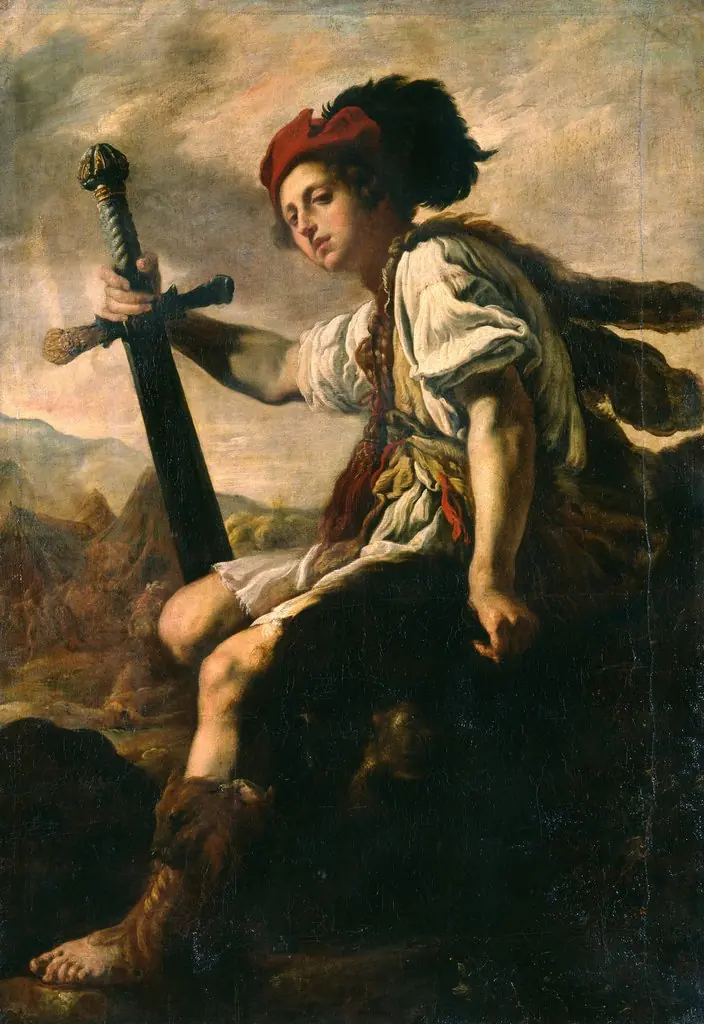 David with the Head of Goliath
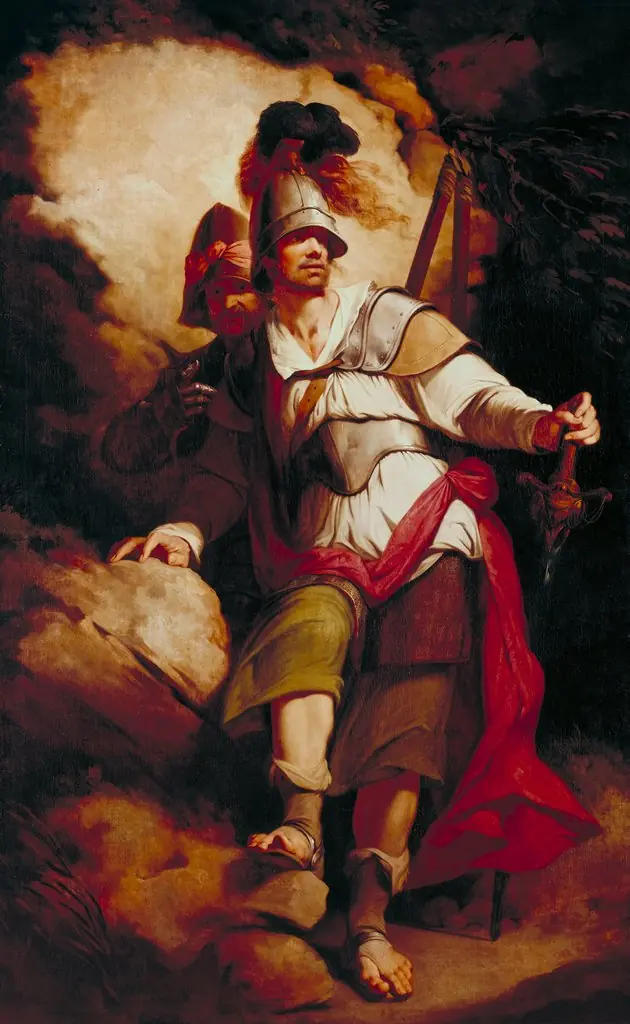 Sir Arthegal, the Knight of Justice, with Talus, the Iron Man (from Spenser's `Faerie Queene')
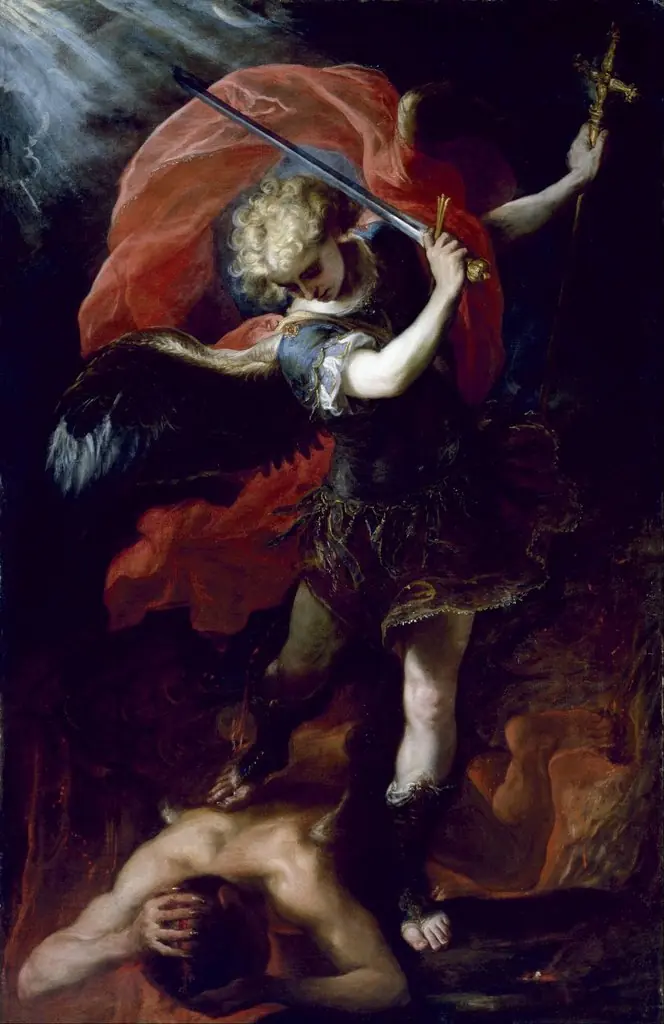 Saint Michael the Archangel
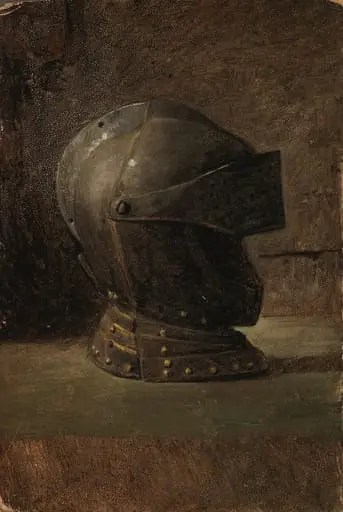 Kypärä
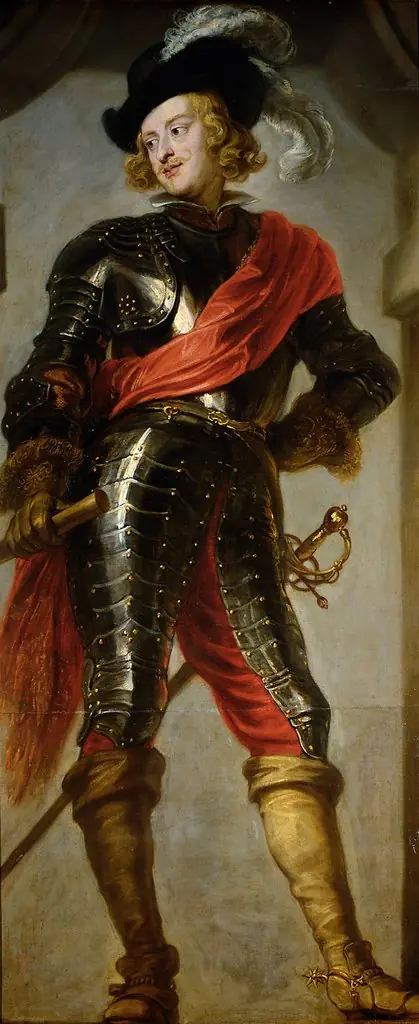 Cardinal-Infante Ferdinand of Austria
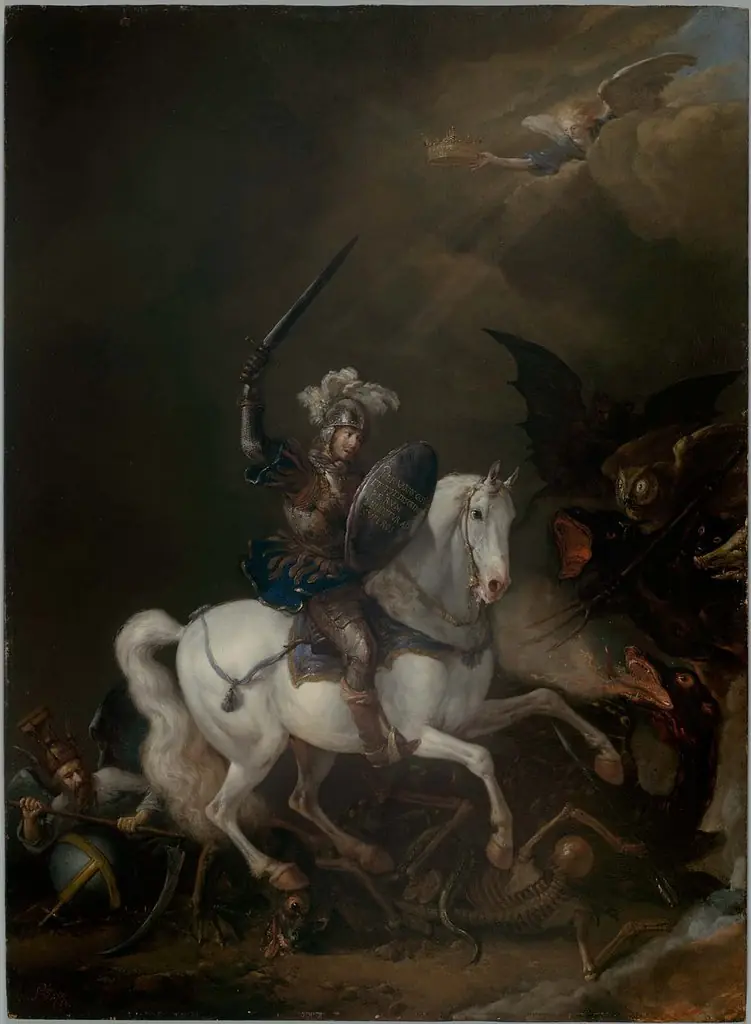 Knight Vanquishing Time, Death, and Monstrous Demons
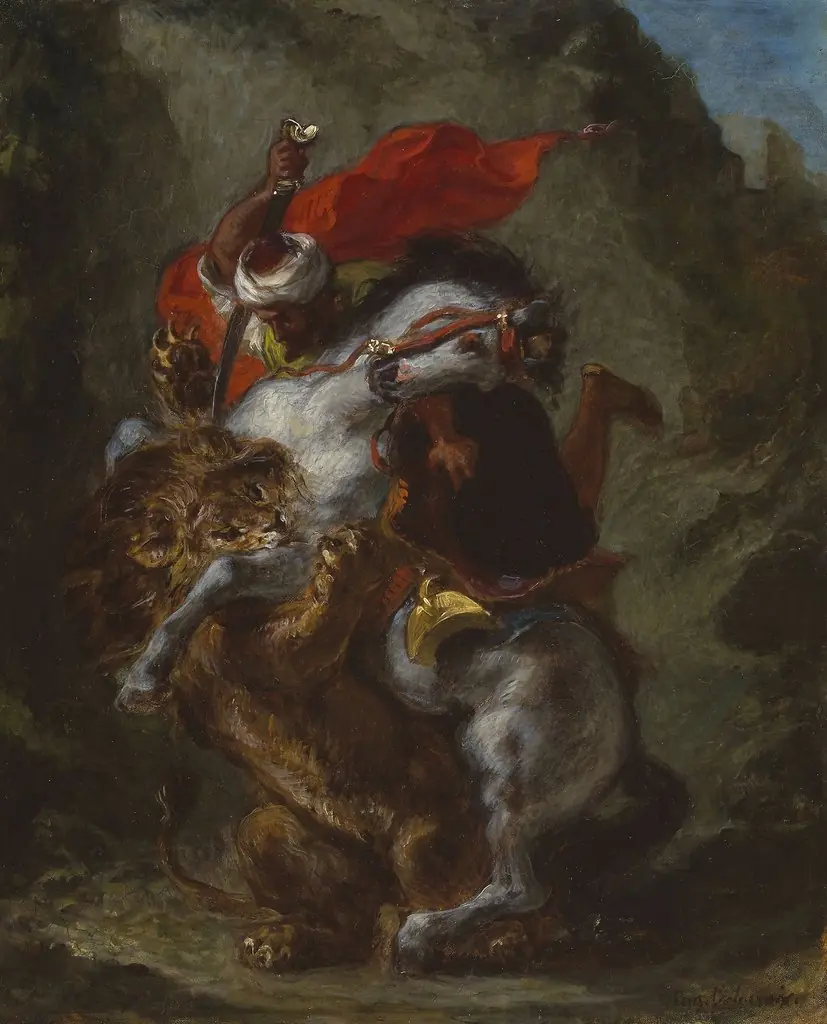 Arab Horseman Attacked by a Lion
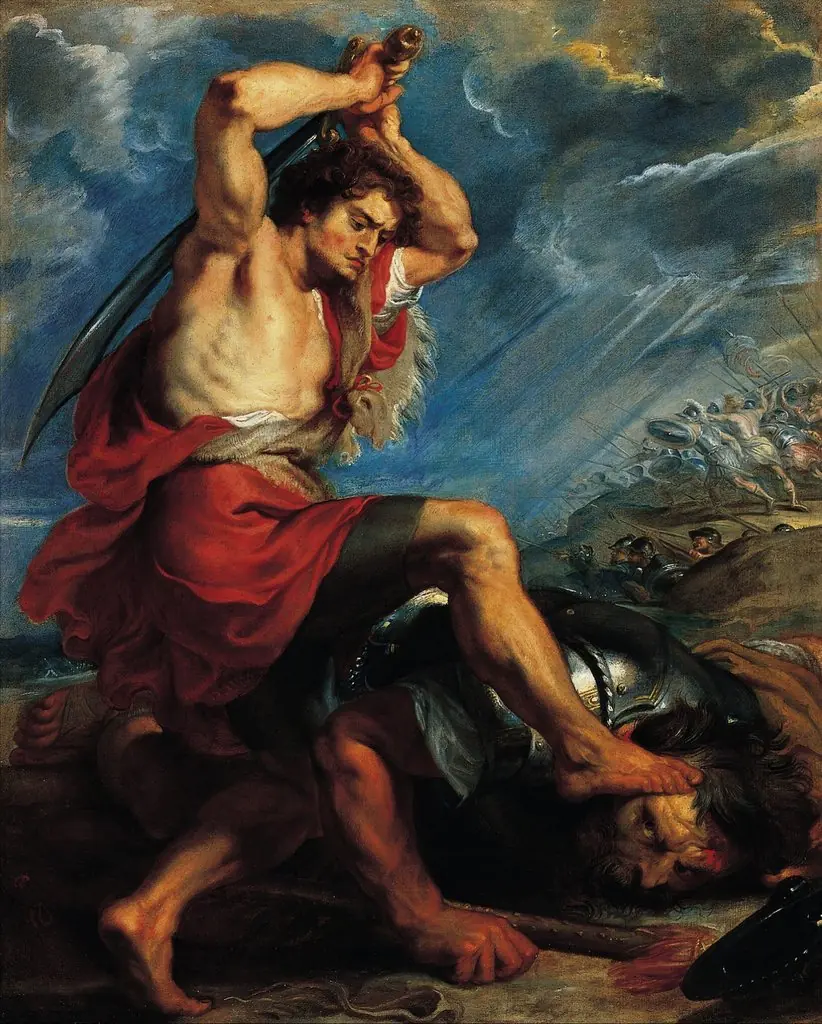 David Slaying Goliath
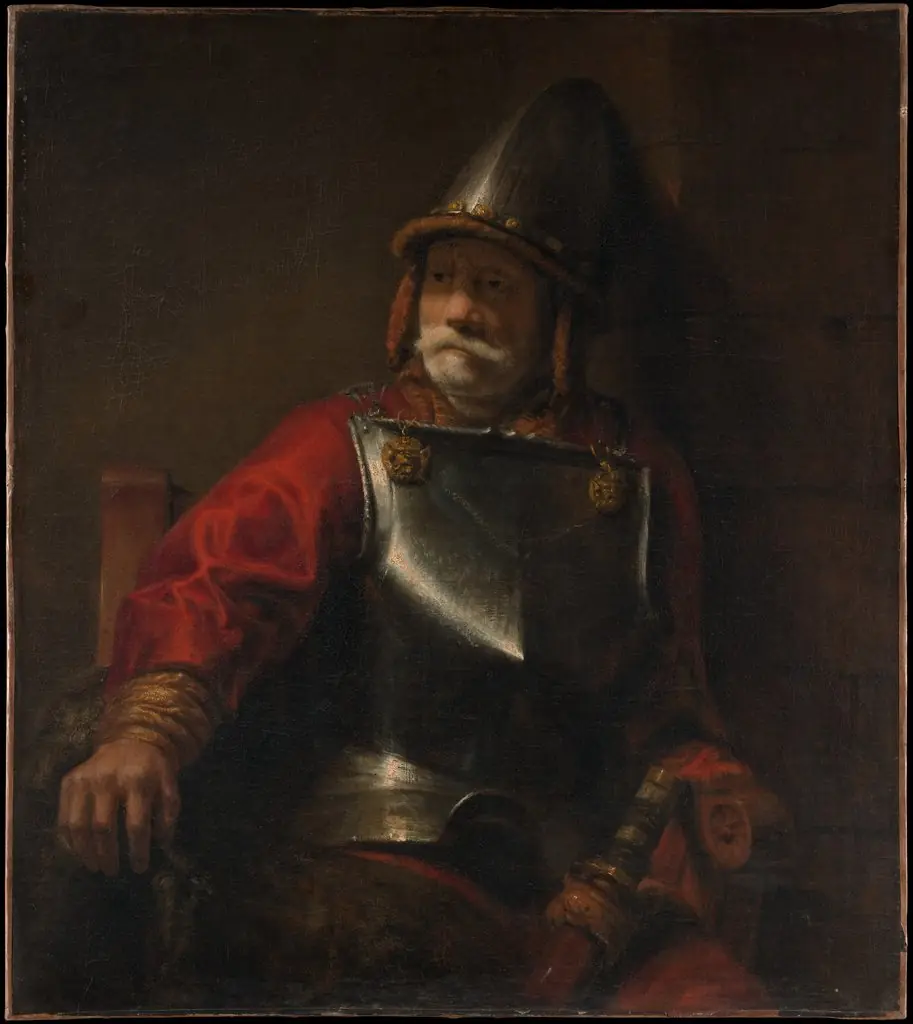 Man in Armor (Mars?)