Artwork
Pallas Athena
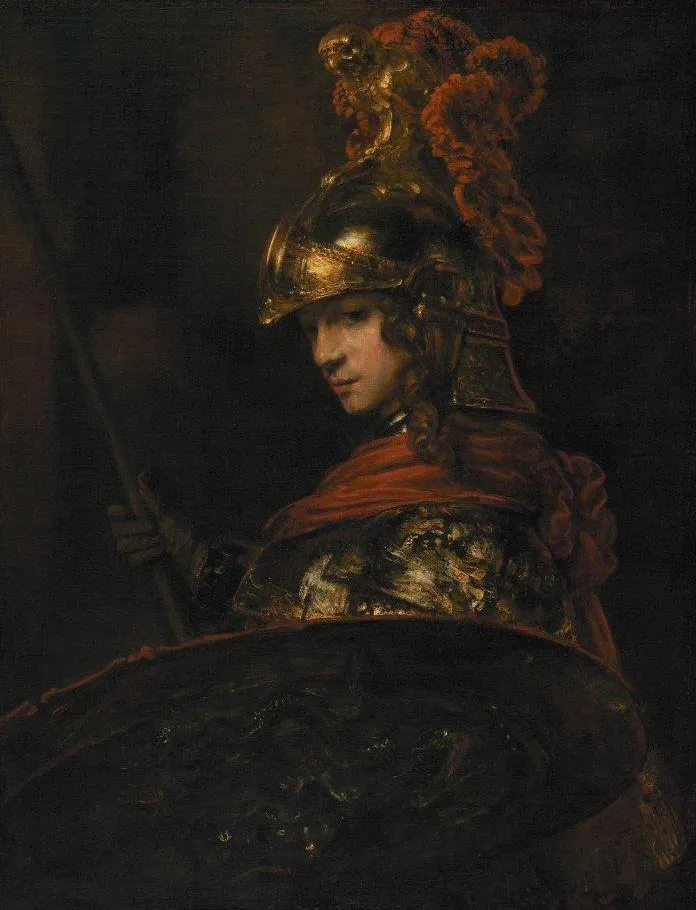
Pallas Athena is an oil painting by the Dutch Golden Age artist Rembrandt. It dates from 1655 and is held in the collection of the Hermitage Museum.
About this work
The work is thought to have been completed around 1657, showing the artist’s late style.
Pallas Athena is a painting by Rembrandt, dated 1655. It was created with oil paint on canvas.
The work is thought to have been completed around 1657, showing the artist’s late style. It now belongs to the collection of the Calouste Gulbenkian Museum in Lisbon. The painting depicts the Greek goddess Athena, known for wisdom and warfare.
If you’re curious about the technique Rembrandt used, check out chiaroscuro.
Overview
Pallas Athena is an oil-on-canvas painting attributed to Rembrandt, created circa 1657. The work is characterized by the artist's late style, executed in oil paint on canvas.
Subject & Meaning
The painting's subject is widely believed to be the Greek goddess Pallas Athena, revered for wisdom and warfare. However, alternative theories, including a potential portrayal of Alexander the Great, remain unresolved due to lack of consensus.
Technique & Style
Rembrandt employed chiaroscuro in this work, a technique emphasizing strong contrasts between light and dark to achieve a sense of volume and depth.
History & Provenance
The painting's ownership history includes Empress Catherine the Great of Russia and later Armenian businessman Calouste Gulbenkian. Acquired by the Calouste Gulbenkian Museum in Lisbon, it remains part of their collection.
Context
A 1659 parade print featuring Titus van Rijn (Rembrandt's son) as Pallas Athena in a similar pose suggests a potential inspiration for the painting's composition and attire.
Artist & collection
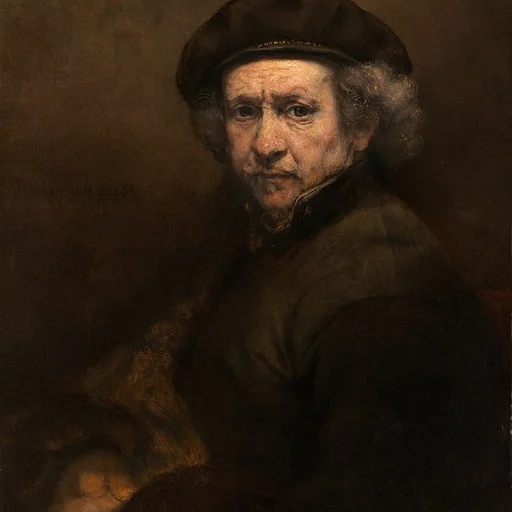
Artist
Rembrandt Harmenszoon van Rijn (15 July 1606 – 4 October 1669), known mononymously as Rembrandt, was a Dutch Golden Age painter, printmaker, and draughtsman.

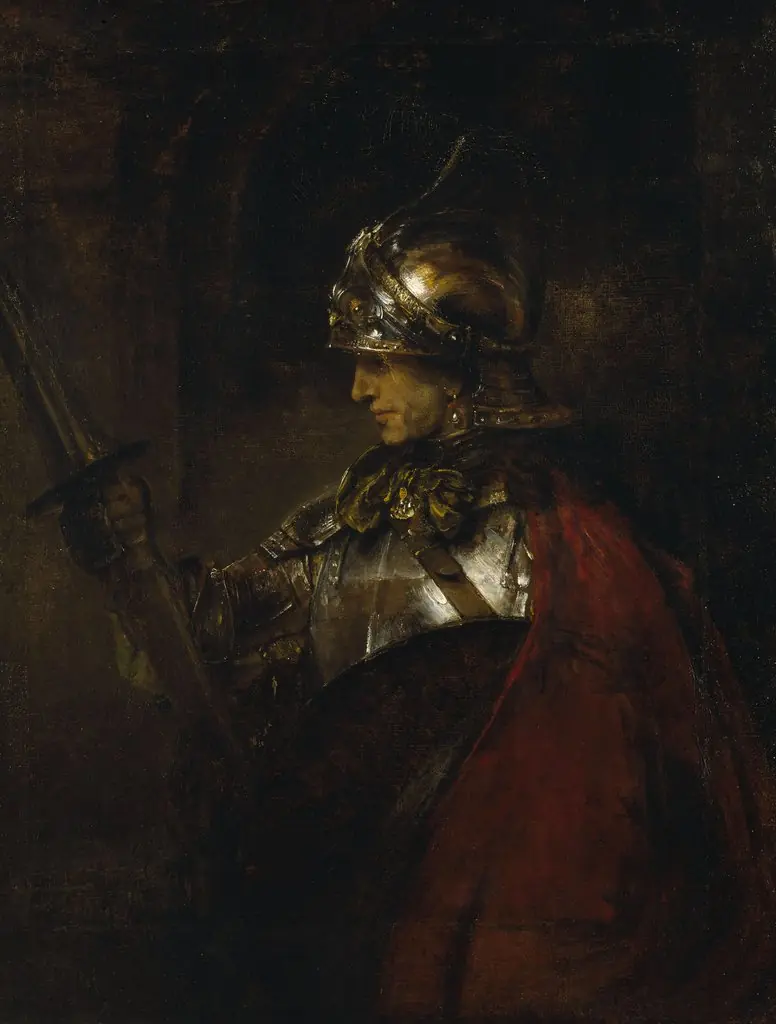 Man in Armour
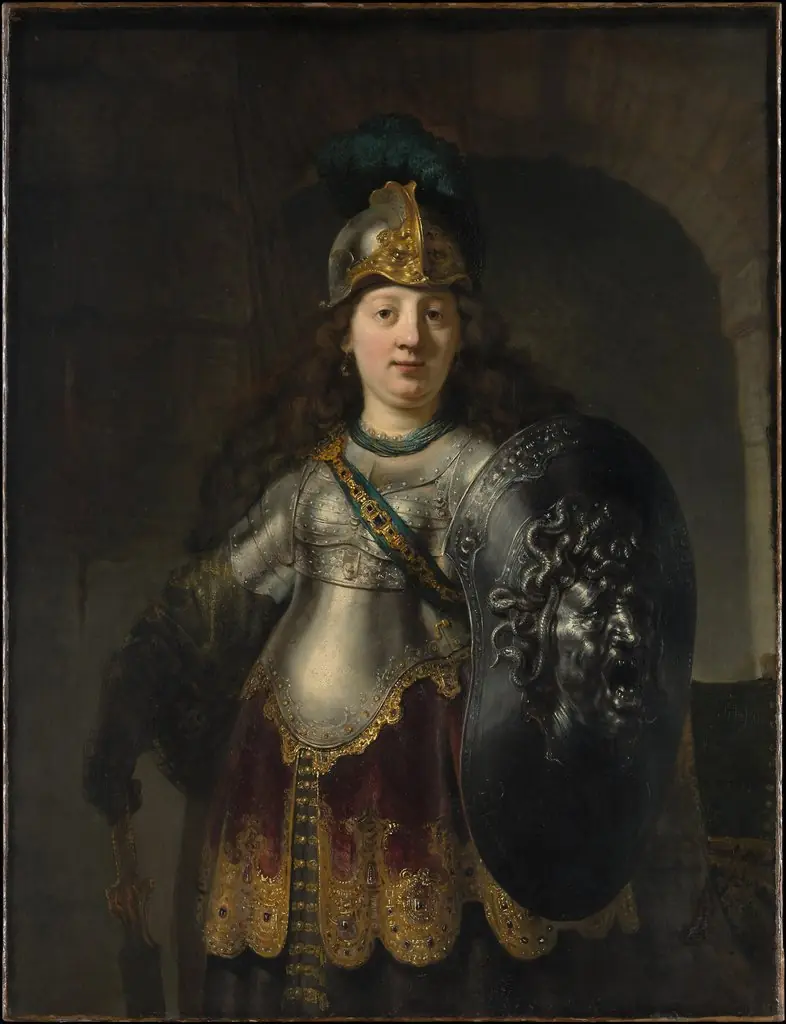 Bellona
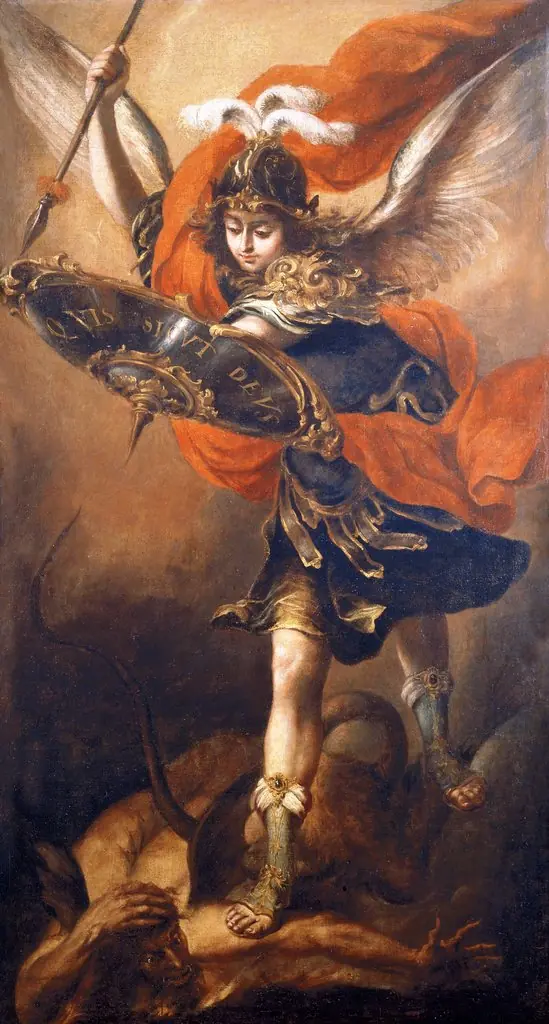 The Archangel Michael
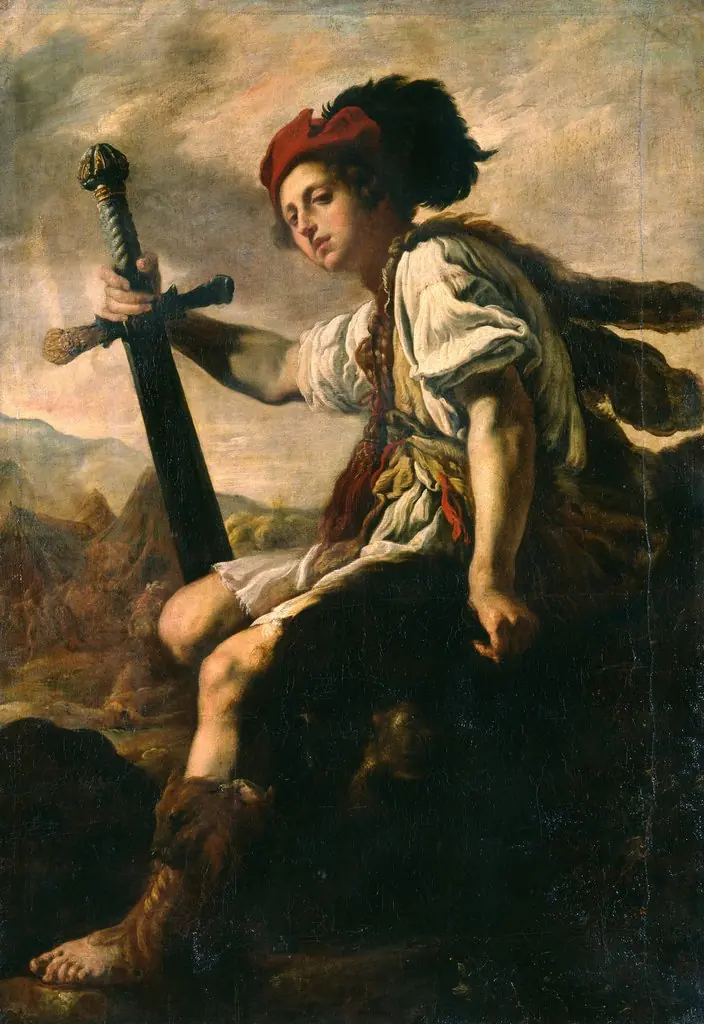 David with the Head of Goliath
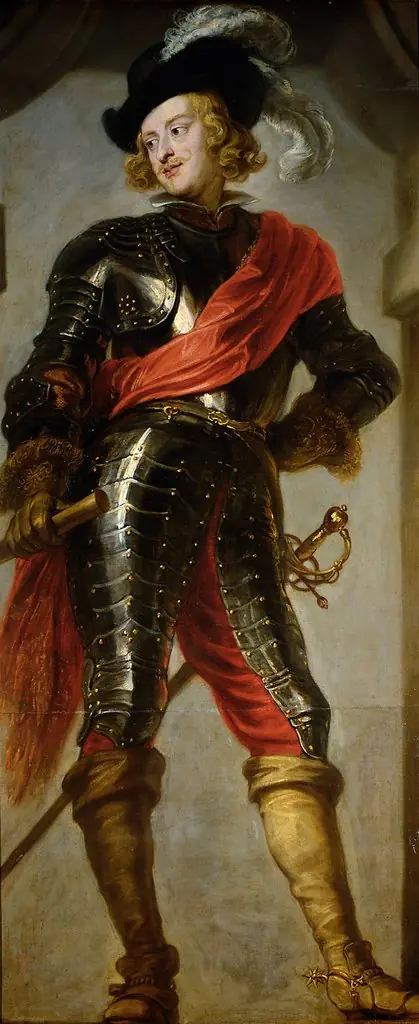 Cardinal-Infante Ferdinand of Austria
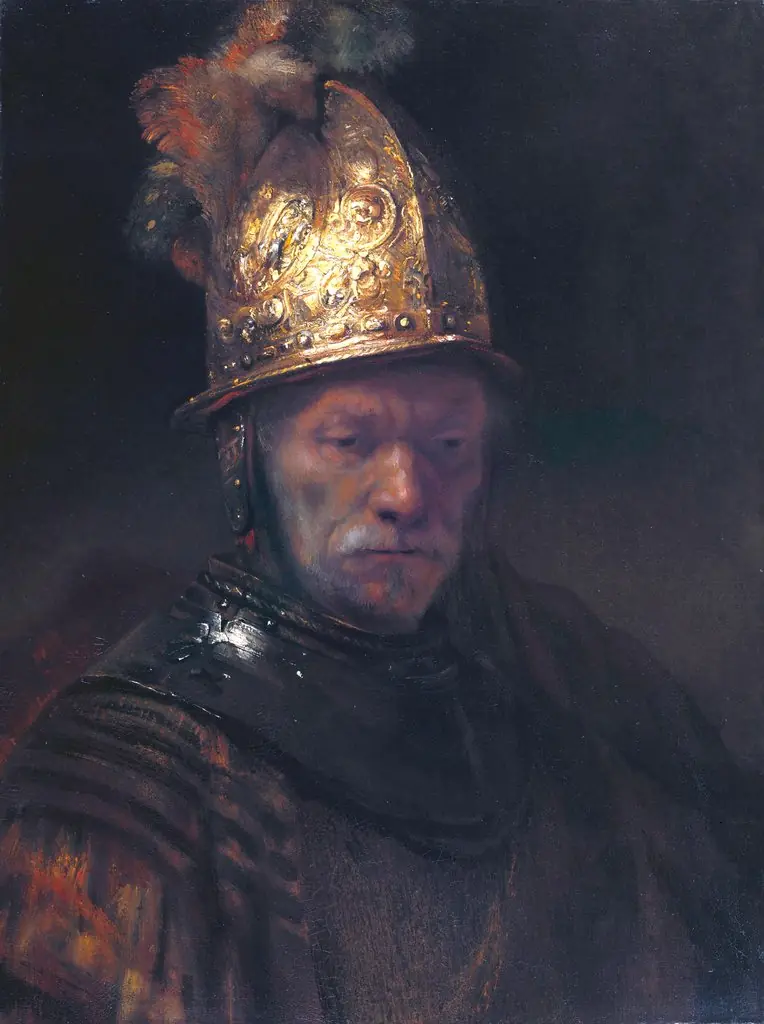 The Man with the Golden Helmet
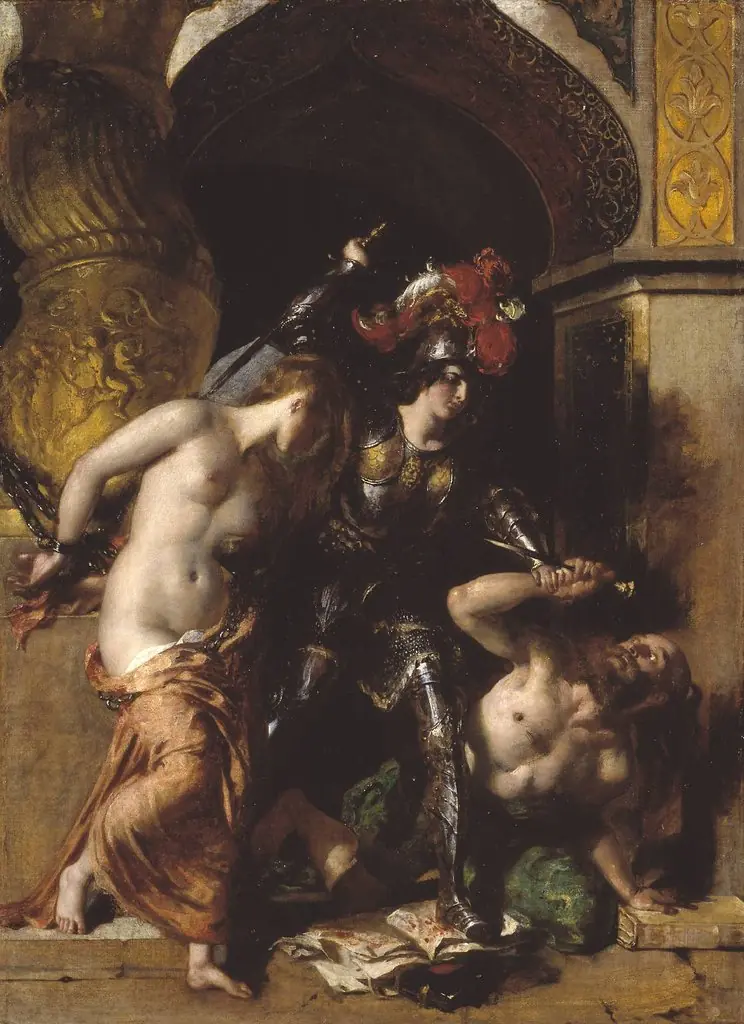 Britomart Redeems Faire Amoret
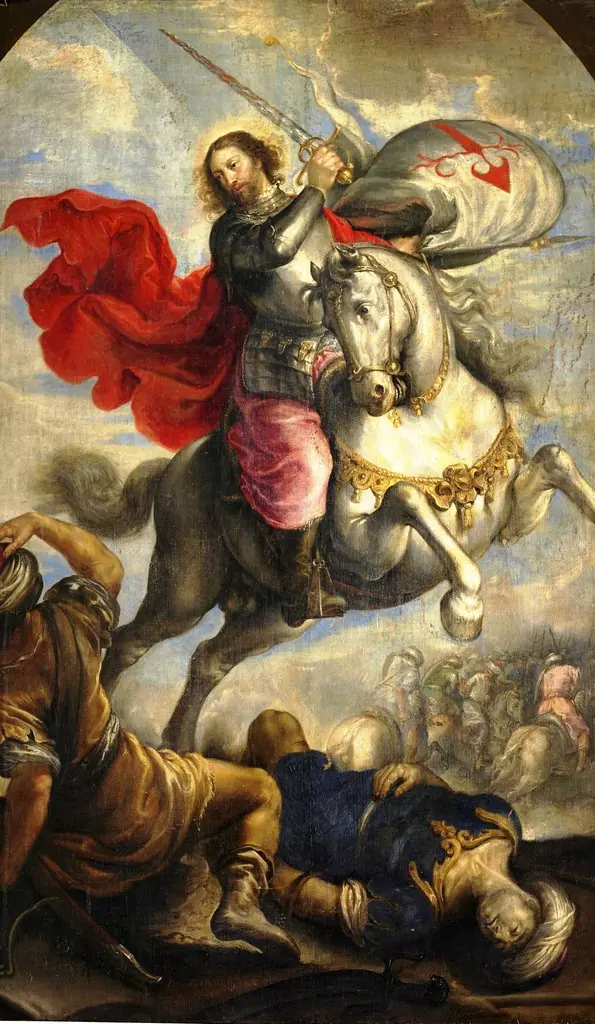 The Apostle Saint James or Saint James the Moor Slayer
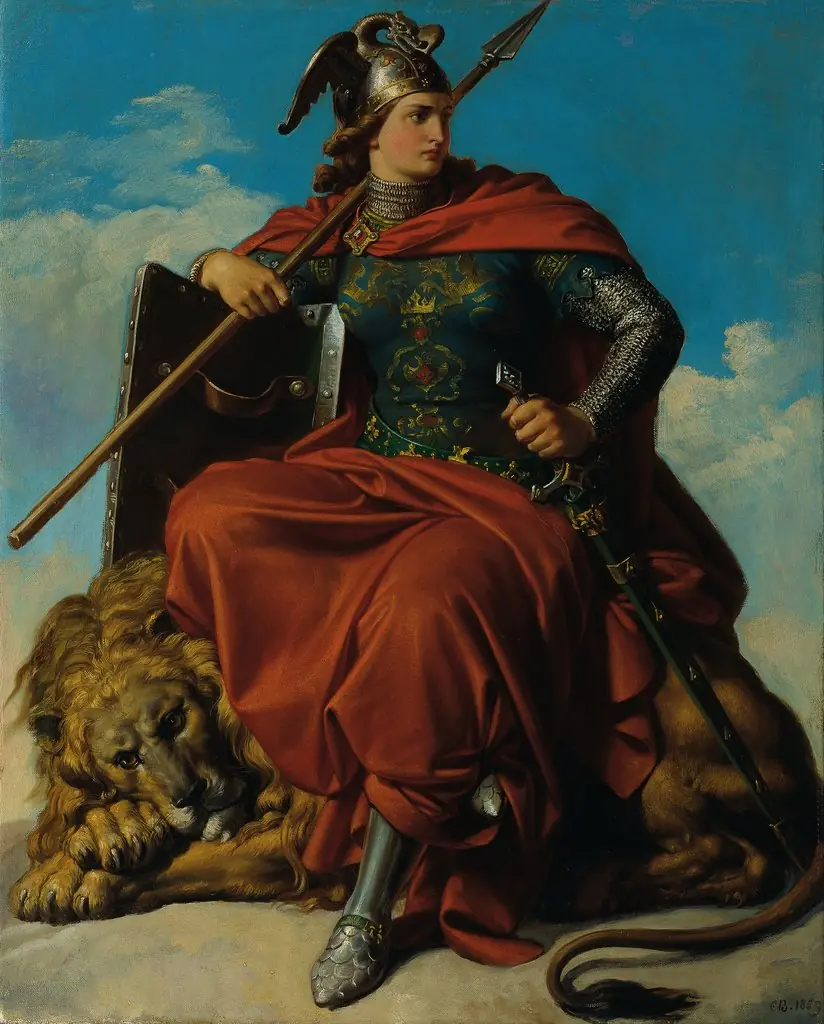 Allegory of Bravery
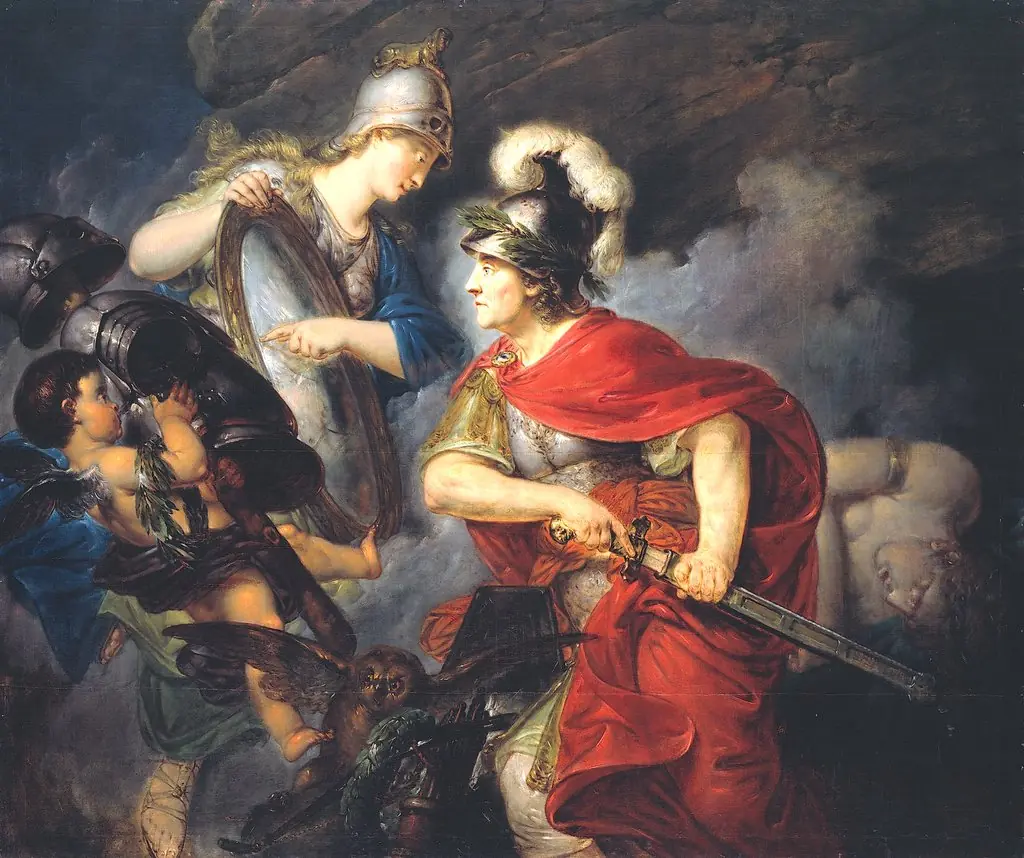 Allegory of Frederick the Great as Perseus
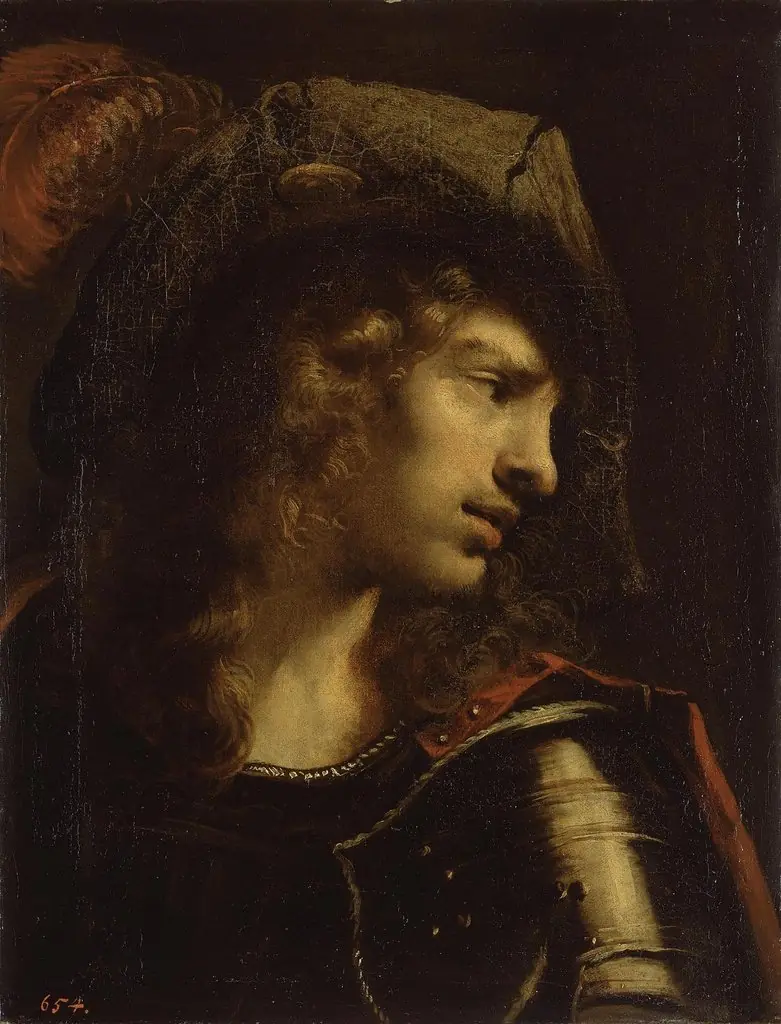 Head of a Young Warrior
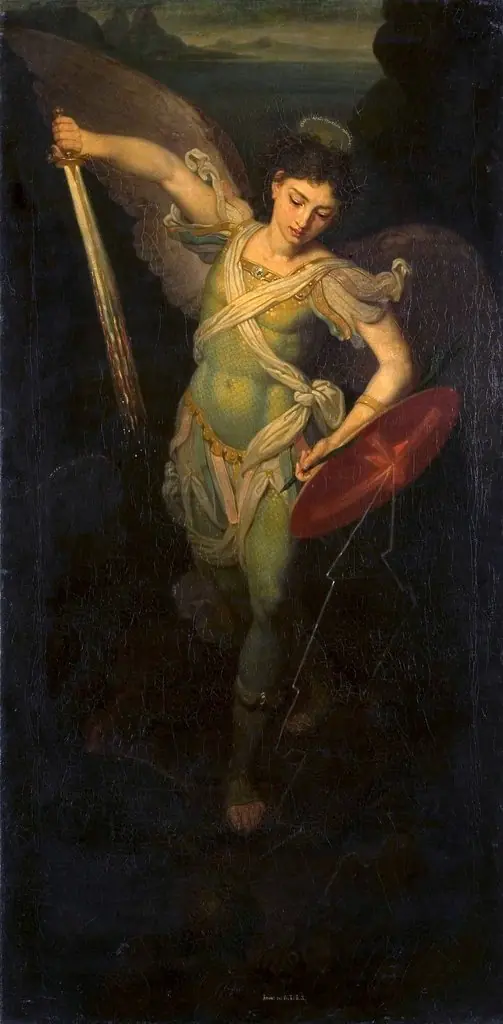 Archangel Michael