Artwork
Allegory of Bravery
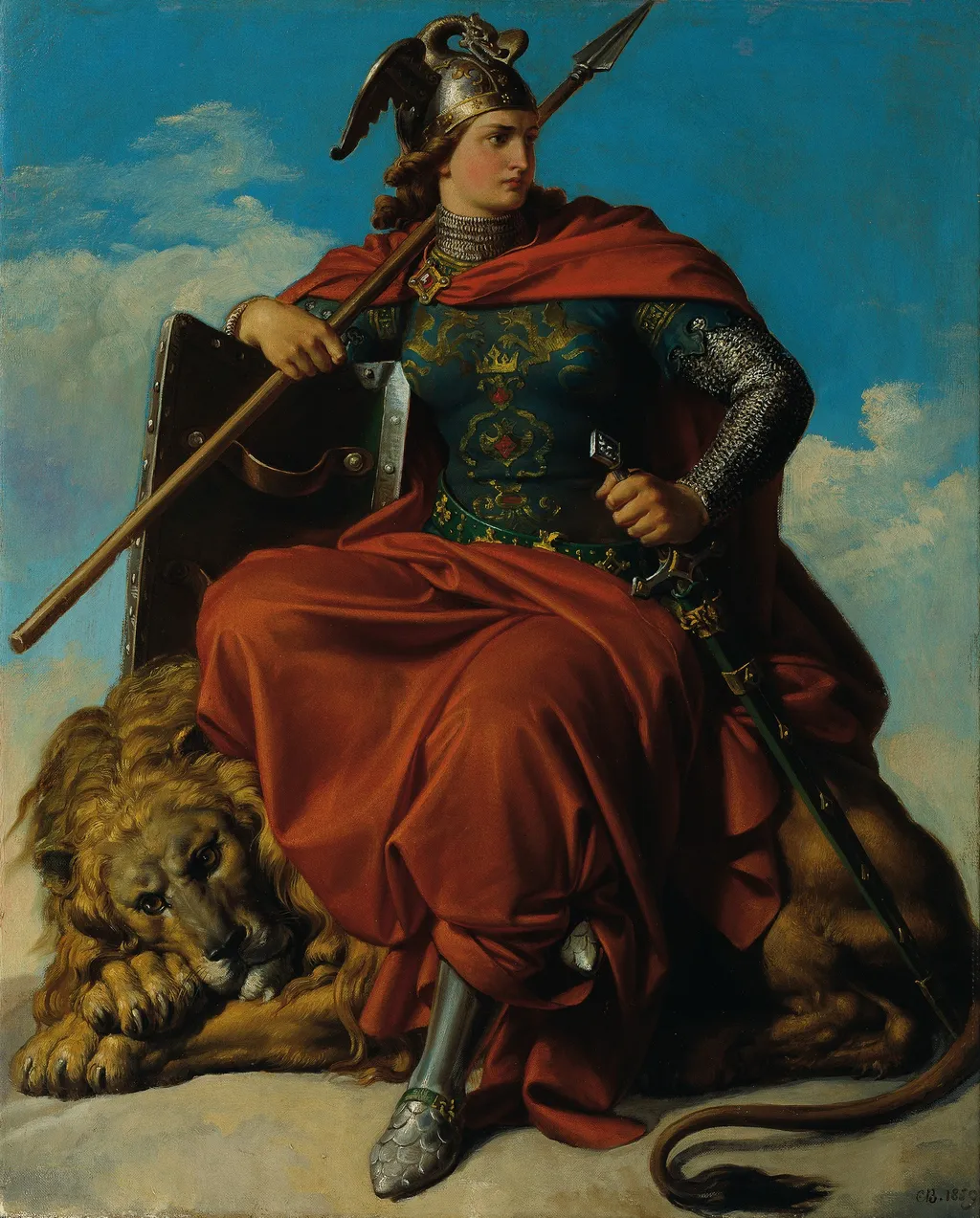
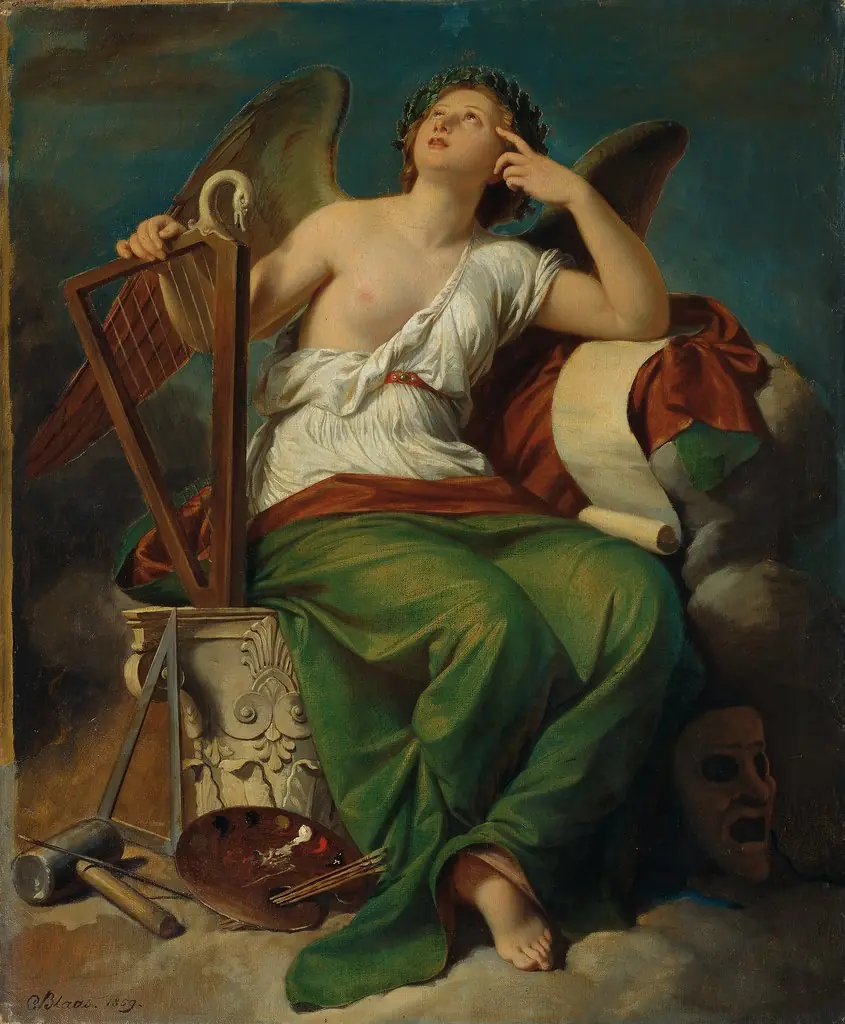
Allegory of Bravery is an oil painting by the Biedermeier artist Karl von Blaas. It dates from 1859 and is held in the collection of the Kunsthistorisches Museum.
About this work
Overview
Karl von Blaas, an Austrian artist active in the mid-19th century, completed *Allegory of Bravery* in 1859. Executed in oil on canvas, the work exemplifies the Biedermeier movement’s emphasis on clarity and refined detail. It remains part of the Kunsthistorisches Museum’s holdings, where it functions as both a historical artifact and a visual meditation on abstract virtue.
Subject & Meaning
The composition centers on a female figure clad in ornate armor, seated atop a docile lion. Her attributes—a spear, sword, and horned helmet—signal martial strength, while the subdued beast beneath her suggests dominion over primal force. The imagery aligns with allegorical traditions, personifying courage as a controlled yet formidable presence.
Technique & Style
The armor’s intricate motifs—crowns and foliage—demonstrate meticulous brushwork, while the soft clouds against a bright blue sky create a serene backdrop.
Von Blaas employed a polished, linear technique characteristic of Biedermeier aesthetics, favoring precise contours and luminous color. The armor’s intricate motifs—crowns and foliage—demonstrate meticulous brushwork, while the soft clouds against a bright blue sky create a serene backdrop. The lion’s tranquil posture contrasts with its usual depiction as untamed, underscoring the artist’s deliberate compositional choices.
History & Provenance
Painted in 1859, *Allegory of Bravery* entered the Kunsthistorisches Museum’s collection, where it has been preserved as part of Austria’s cultural patrimony. The work reflects von Blaas’s engagement with both portraiture and allegorical themes, though specific early exhibitions or commissions remain unrecorded in extant documentation.
Context
The Biedermeier movement, flourishing in Central Europe between 1815 and 1848, prioritized domestic and moral themes over grand historical narratives. Von Blaas’s allegory, created in the movement’s later years, synthesizes its ideals—order, restraint, and symbolic clarity—while engaging with long-standing conventions of personifying virtues in art.
Legacy
Though not among the most frequently reproduced works of its era, *Allegory of Bravery* contributes to the Kunsthistorisches Museum’s representation of 19th-century Austrian painting. Its fusion of allegory and technical precision offers insight into the period’s artistic priorities, particularly the intersection of moral instruction and aesthetic refinement.
Own this work as a print
Artist & collection
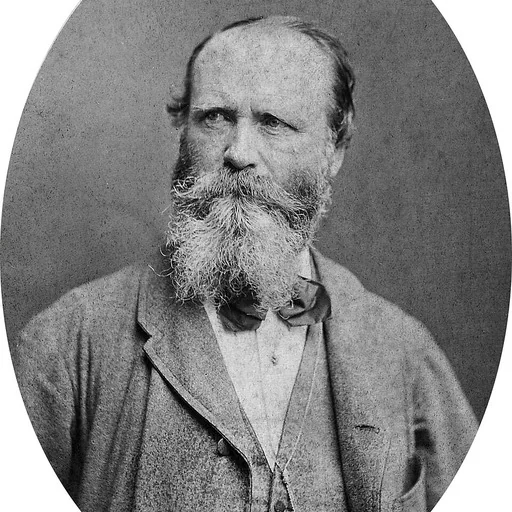
Artist
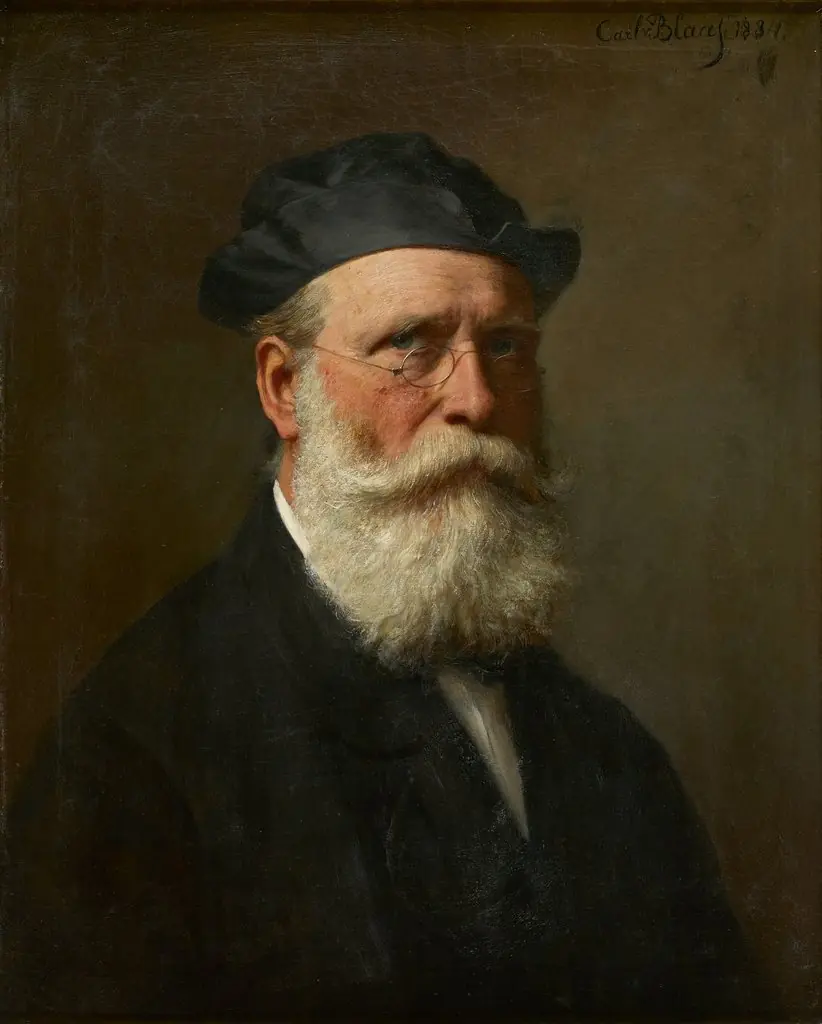
Karl von Blaas (28 April 1815 – 19 March 1894) was an Austrian painter known for his portraits and religious compositions executed on canvas as well as in the form of frescoes.