Artwork
Diana at the Bath
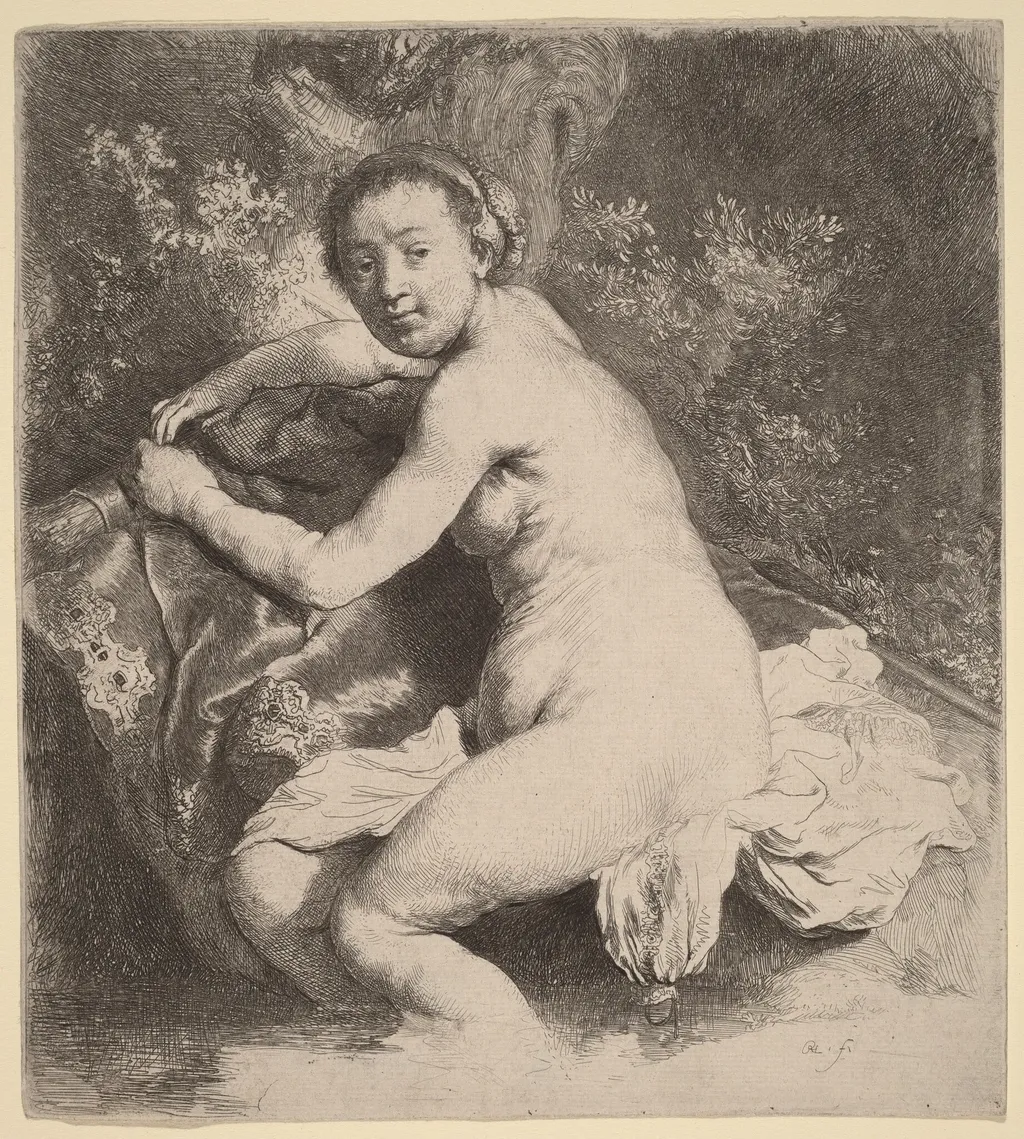
Diana at the Bath is an ink print by the Baroque artist Rembrandt. It dates from 1631 and is held in the collection of the National Gallery of Art.
About this work
Overview
Diana at the Bath is a mythological etching by Rembrandt van Rijn, dating to around 1631. The print depicts a serene, natural scene.
Subject & Meaning
The subject, likely the Roman goddess Diana, is portrayed in a state of relaxed nudity, surrounded by elements of nature (plants, rock, and water), conveying a sense of tranquility and intimacy.
Technique & Style
Rembrandt employed precise etching lines to capture the play of light and shadow on the subject's body and draped fabrics. Subtle shading achieves a soft, realistic texture, particularly on the skin.
History & Provenance
Created circa 1631, specific details about the etching's early ownership and exhibition history are not provided in the available information.
Context
As an etching, this work exemplifies Rembrandt's skill in the medium, which allowed for widespread dissemination of his artwork. The naturalistic and mythological themes were popular among 17th-century Dutch artists.
Legacy
While its broader impact is not elaborated here, 'Diana at the Bath' remains a characteristic example of Rembrandt's etching prowess and his interpretation of mythological subjects.
Own this work as a print
Artist & collection
Artist
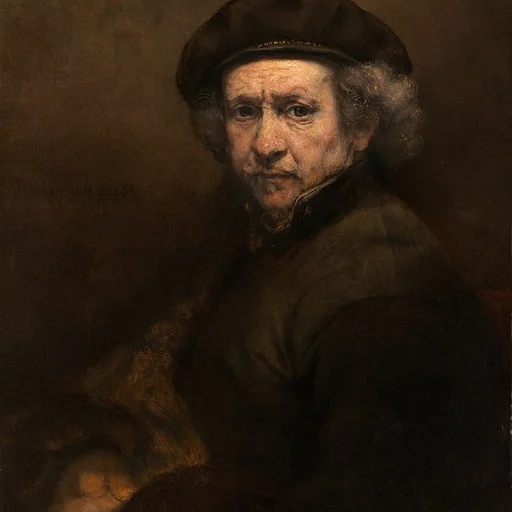
Rembrandt Harmenszoon van Rijn (15 July 1606 – 4 October 1669), known mononymously as Rembrandt, was a Dutch Golden Age painter, printmaker, and draughtsman.


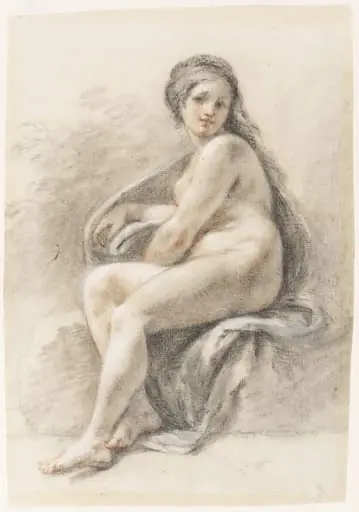 Seated female nude
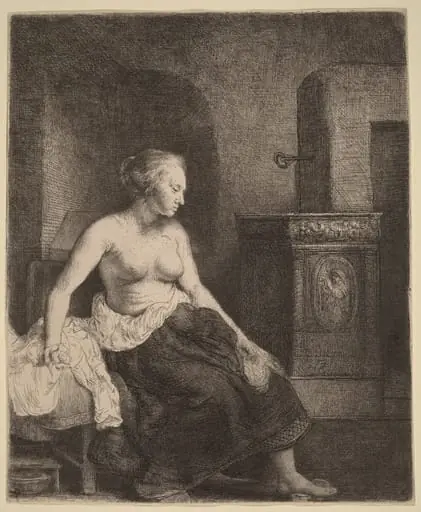 Woman Sitting Half Dressed beside a Stove
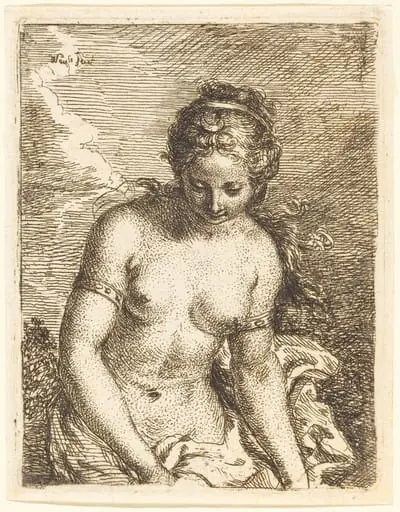 Diana
Diana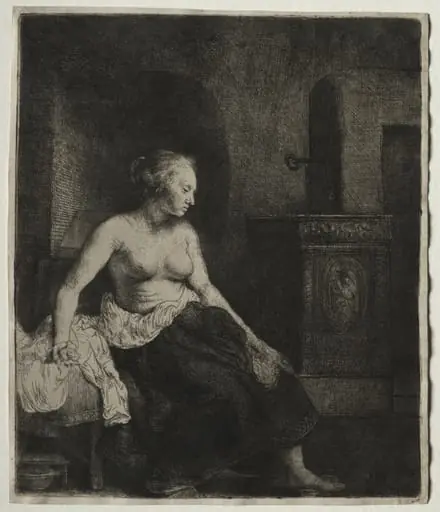 Woman Sitting Half Dressed Beside a Stove
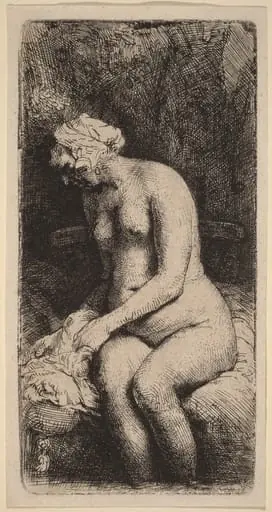 Nude Seated on a Bench with a Pillow (Woman Bathing Her Feet at a Brook)
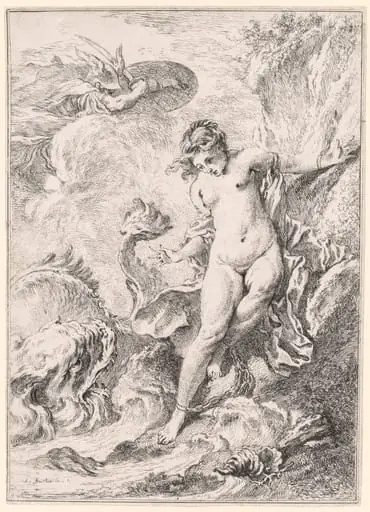 Andromeda (Andromède)
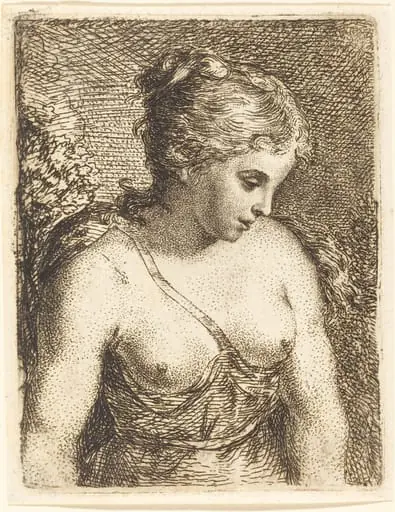 Diana
Diana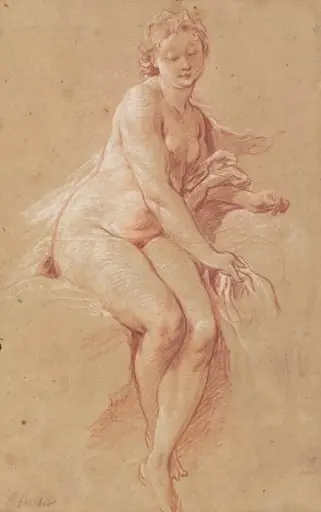 Aurora
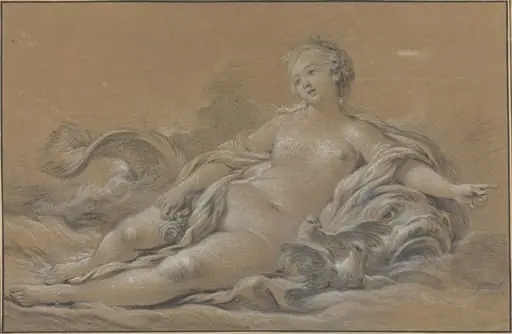 Venus Reclining on a Dolphin
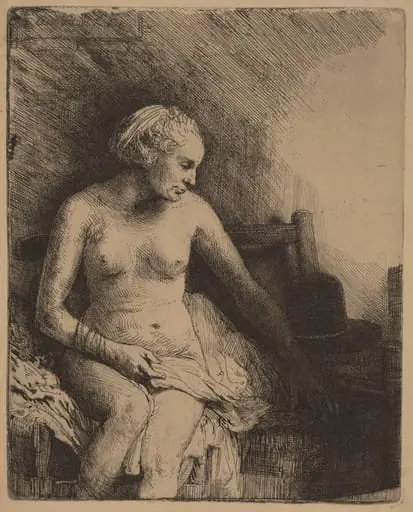 Woman at the Bath with a Hat beside Her
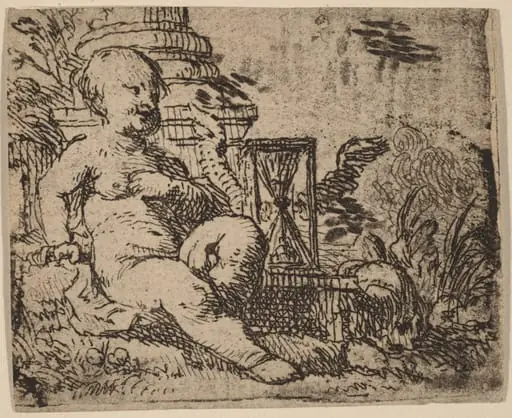 Allegory of Vanity
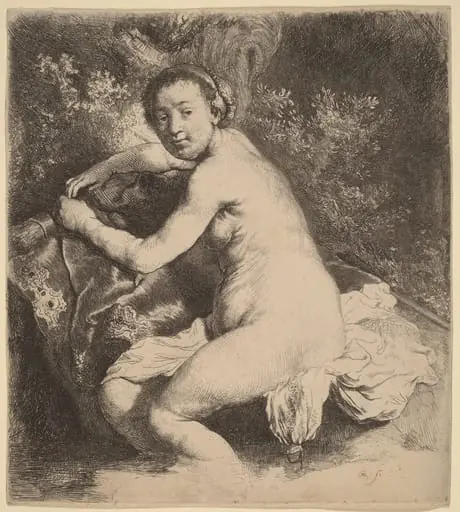 Diana at the Bath