Artwork
Self-Portrait
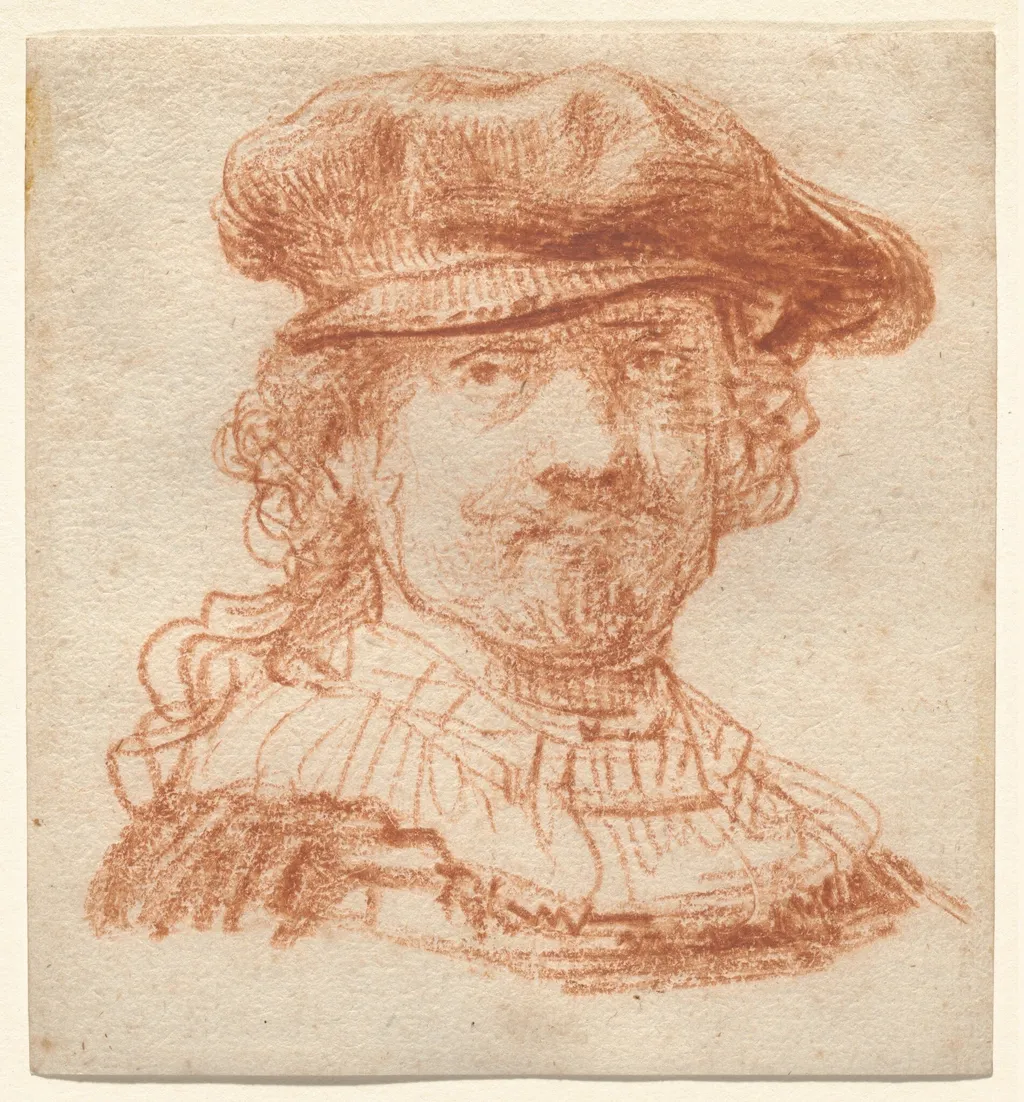
Self-Portrait is a chalk drawing by the Baroque artist Rembrandt. It dates from 1637 and is held in the collection of the National Gallery of Art.
About this work
Overview
Around 1637, Rembrandt van Rijn produced a red‑chalk drawing that presents a solitary head and shoulders. The sitter, rendered with a modest hat, gazes toward his right, his features captured in a brief, gestural manner. The work exemplifies the artist’s practice of intimate, quickly executed studies, focusing on the immediacy of expression rather than elaborate detail.
Technique & Style
Executed in red chalk, the drawing relies on swift, confident strokes that outline the facial structure and the suggestion of clothing. The medium’s warm hue contributes to a subtle, personal atmosphere, while the loosely indicated hat and attire reveal a preference for suggestion over finish. This approach underscores Rembrandt’s skill in conveying volume and character with minimal means.
Subject & Meaning
The portrait depicts the artist himself, offering a direct, unembellished view of his own visage. The sideways glance and the informal rendering suggest a moment of self‑observation rather than a formal commission, inviting viewers to consider the artist’s introspective engagement with his own likeness.
History & Provenance
Created in the early 1630s, the drawing belongs to a period when Rembrandt frequently produced self‑studies to explore light, texture, and expression. Though specific ownership records are limited, the work remains an example of his prolific practice of using red chalk for rapid, exploratory portraiture.
Own this work as a print
Artist & collection
Artist
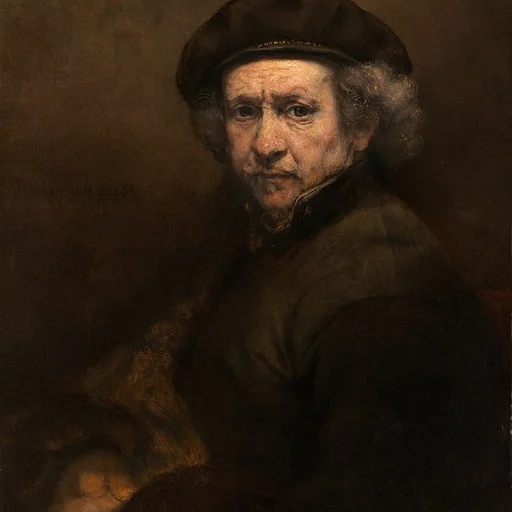
Rembrandt Harmenszoon van Rijn (15 July 1606 – 4 October 1669), known mononymously as Rembrandt, was a Dutch Golden Age painter, printmaker, and draughtsman.

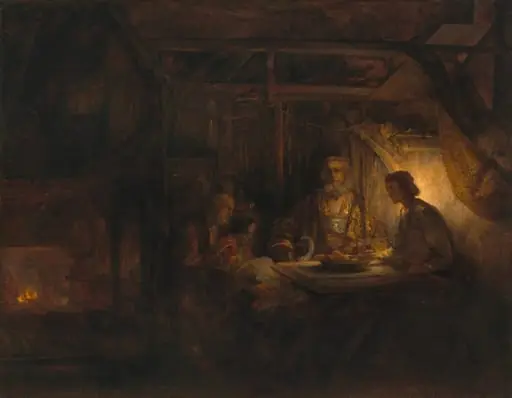
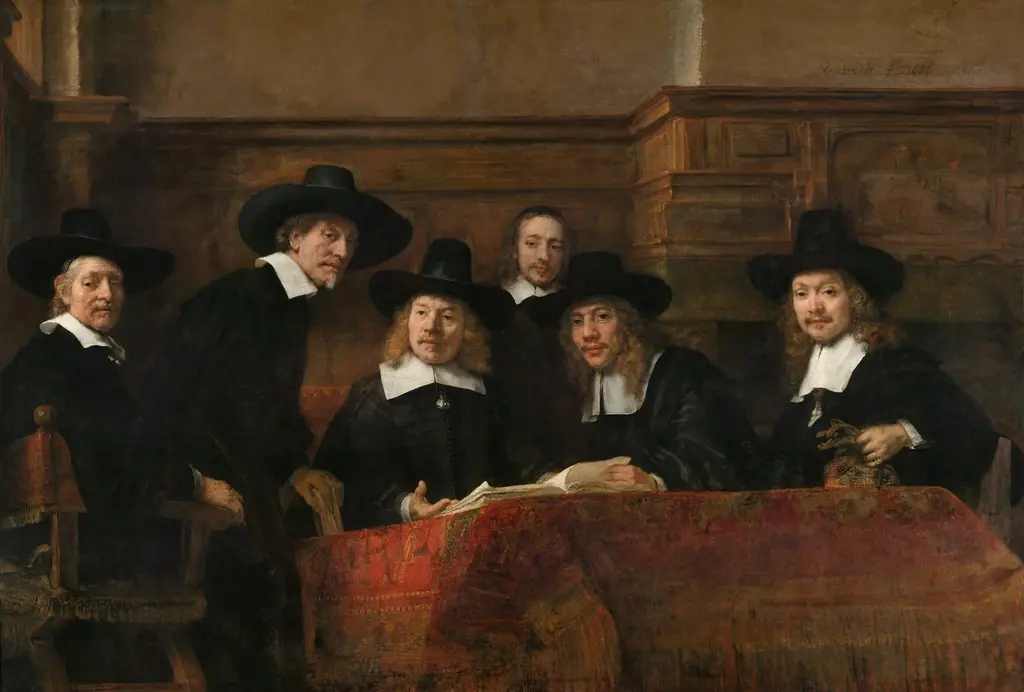
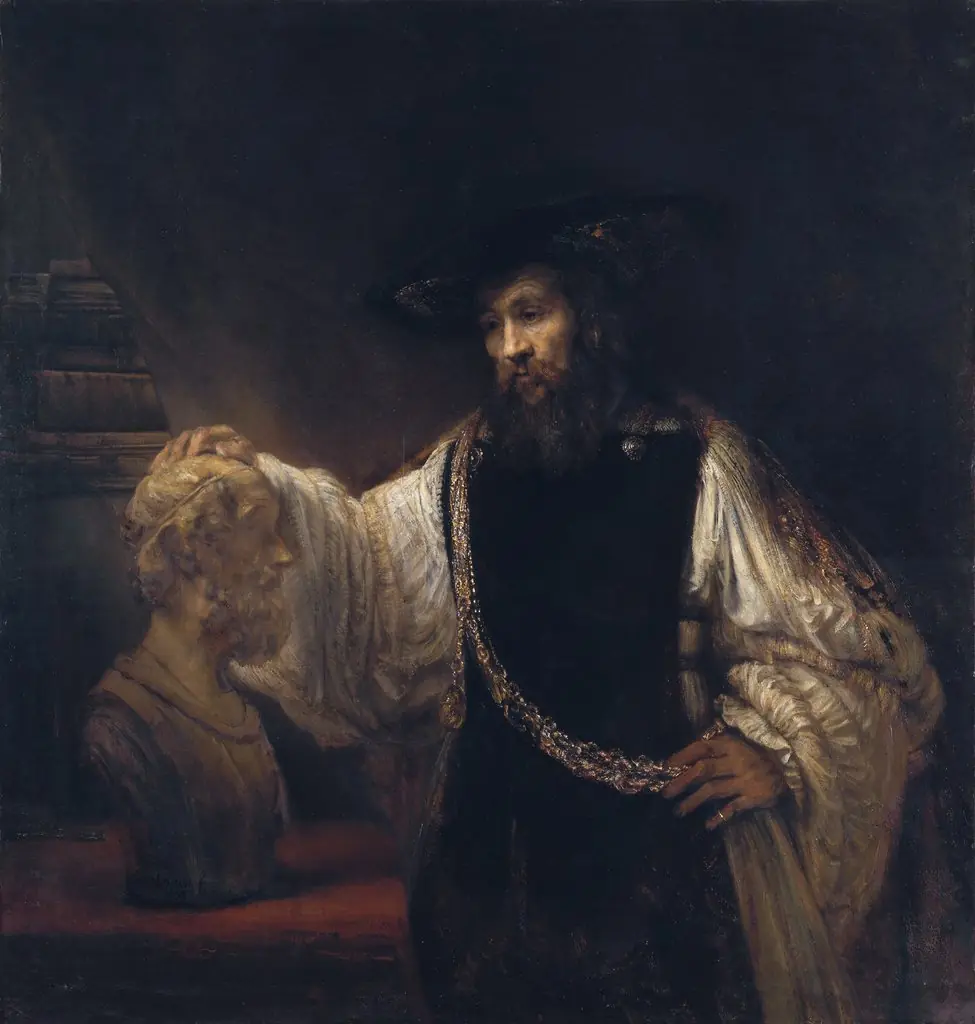
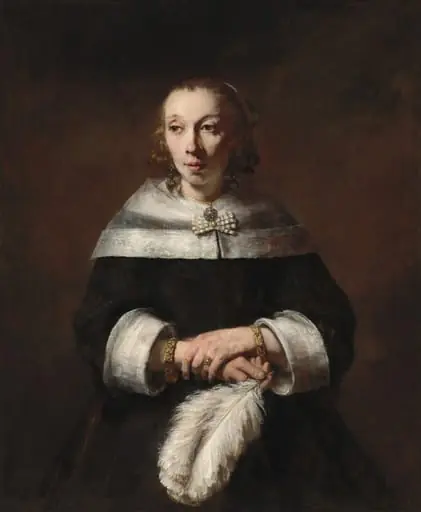
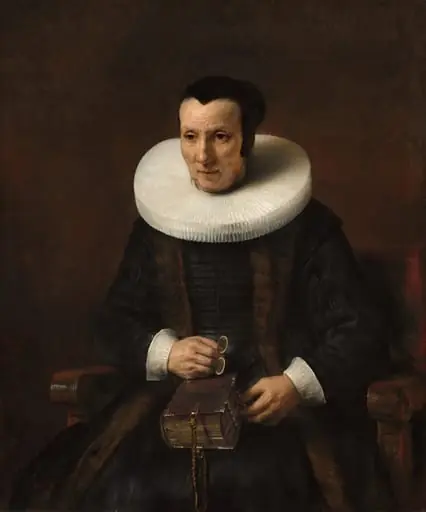
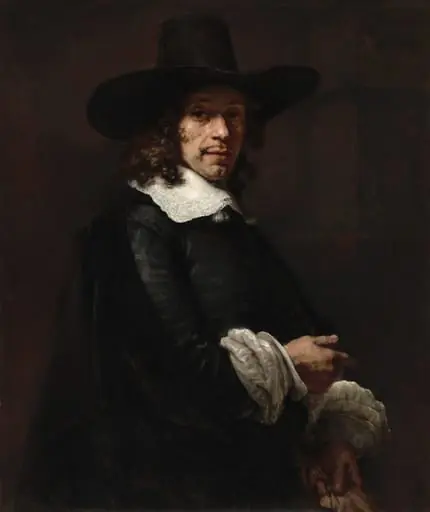
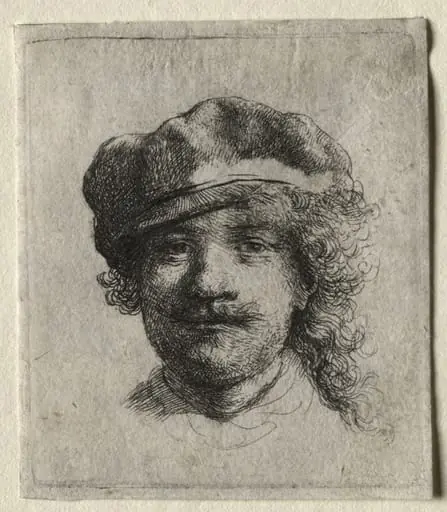 Self-Portrait Wearing a Soft Cap: Full Face, Head Only
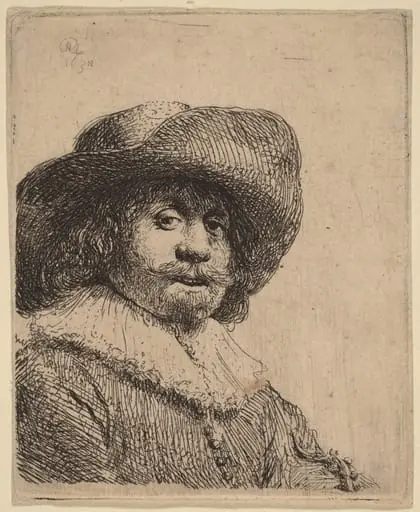 Man in a Broad-Brimmed Hat
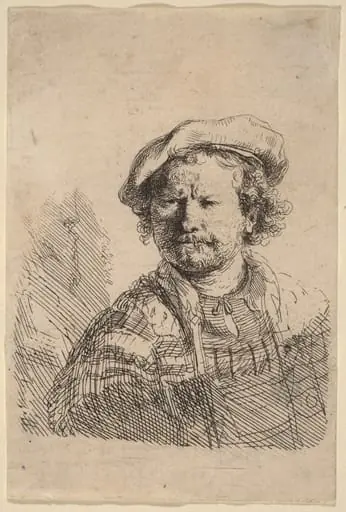 Self-Portrait in a Flat Cap and Embroidered Dress
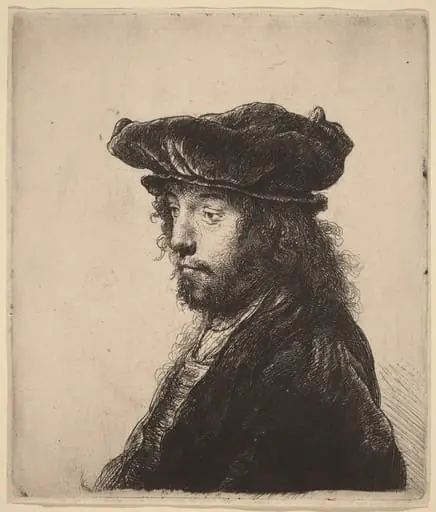 The Fourth Oriental Head
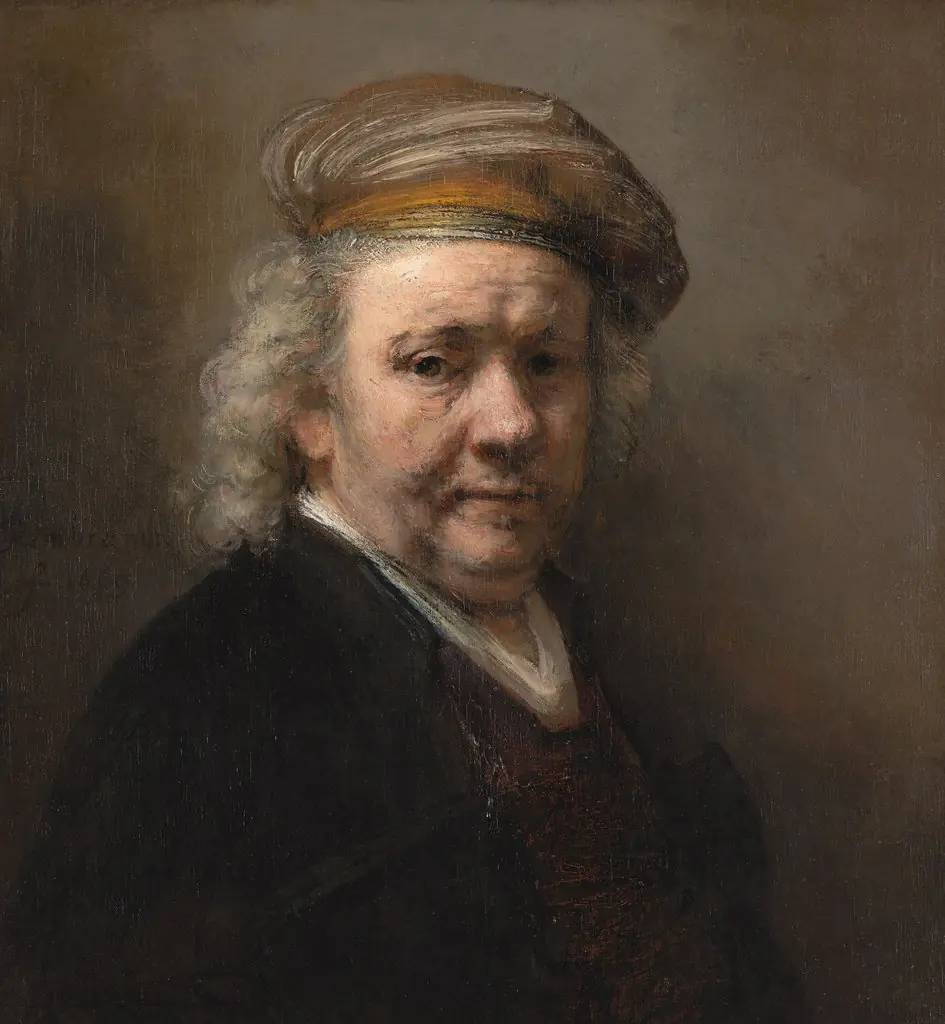 Self-portrait
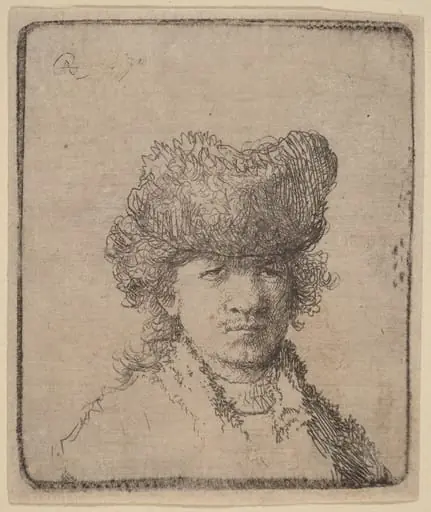 Self-Portrait in a Fur Cap
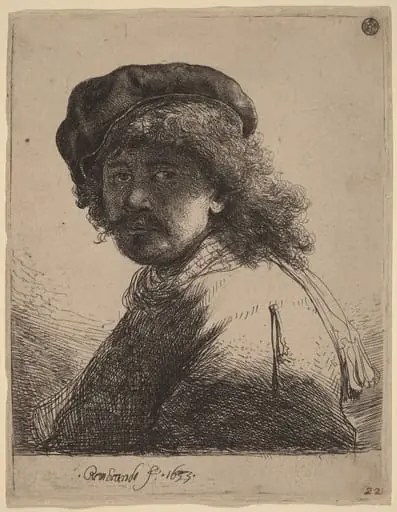 Self-Portrait in a Cap and Scarf with the Face Dark
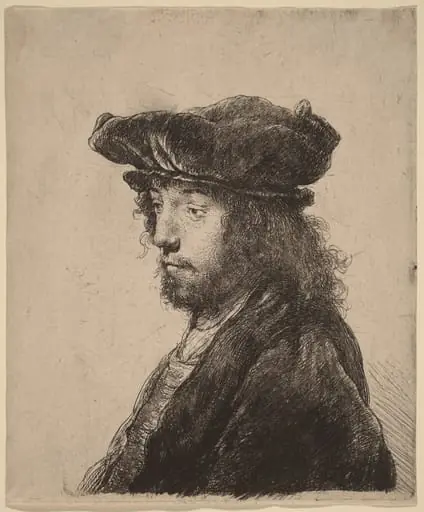 The Fourth Oriental Head
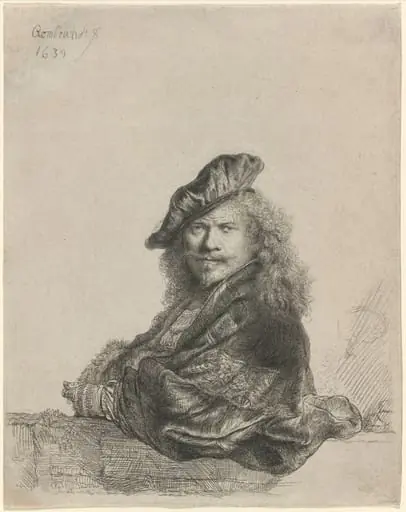 Self-Portrait Leaning on a Stone Sill
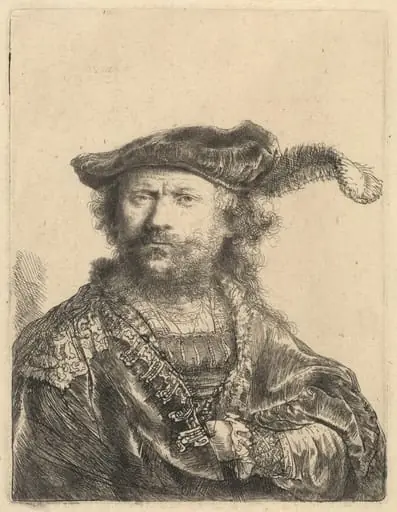 Self-Portrait in a Velvet Cap with Plume
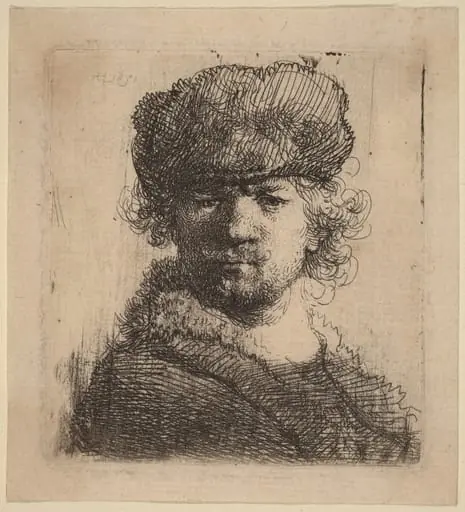 Self-Portrait in a Heavy Fur Cap
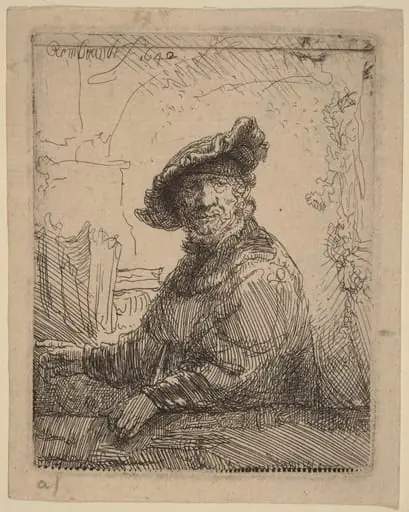 Man in an Arbor