Artwork
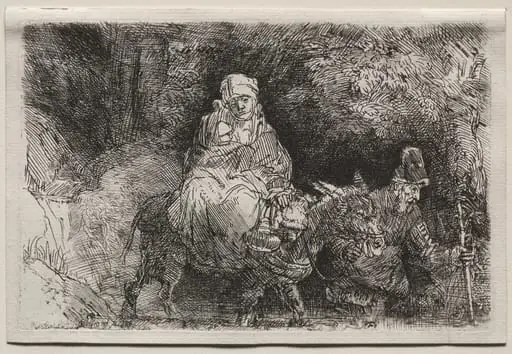
The Flight into Egypt: Crossing a Brook
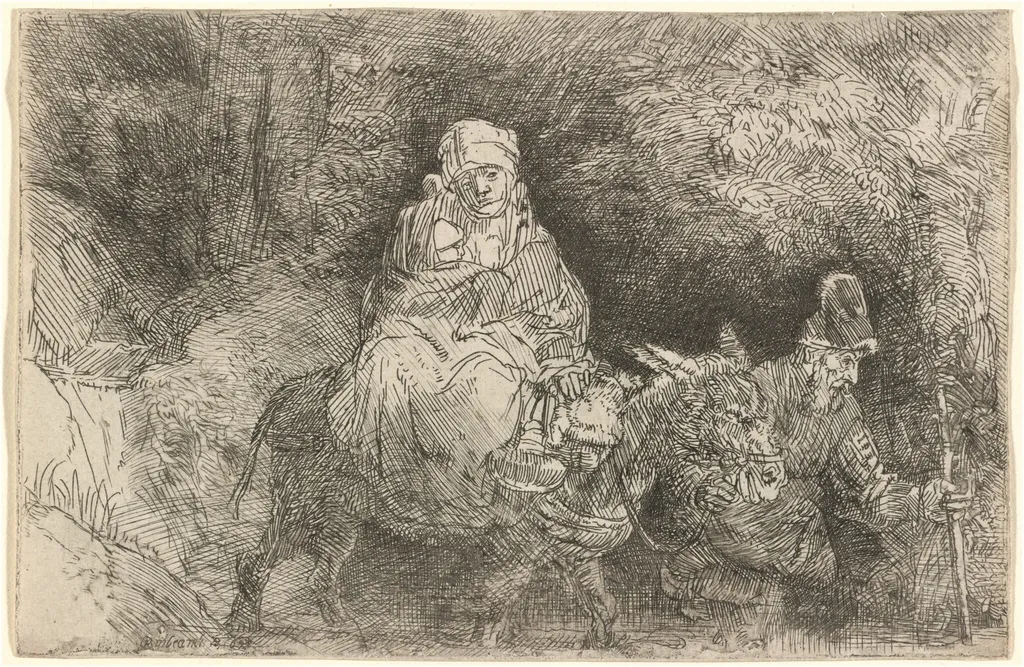
The Flight into Egypt: Crossing a Brook is an ink print by the Baroque artist Rembrandt. It dates from 1654 and is held in the collection of the National Gallery of Art.
About this work
Overview
The Flight into Egypt: Crossing a Brook is a 1654 etching and drypoint print by Rembrandt van Rijn, depicting a serene moment from the Holy Family's journey.
Subject & Meaning
The print shows the Virgin Mary carrying the infant Jesus on a donkey, accompanied by Joseph, as they cross a brook surrounded by dense vegetation. The scene conveys a sense of peaceful contemplation, focusing on the quiet intimacy of the Holy Family's escape.
Technique & Style
Rembrandt's use of etching and drypoint techniques achieves depth and texture. Bold lines and nuanced shading create a sense of luminosity, with subtle light illuminating the figures amidst the natural setting.
History & Provenance
Created in 1654, specific provenance details for this etching are not provided here, though it is characteristic of Rembrandt's mid-period work exploring religious themes with expressive printmaking techniques.
Context
This work reflects the Baroque period's emphasis on dramatic lighting and emotional depth, yet here tempered to convey serenity. It aligns with Rembrandt's broader exploration of biblical subjects through printmaking.
Legacy
The Flight into Egypt: Crossing a Brook contributes to Rembrandt's reputation as a versatile and expressive printmaker, influencing later artists in capturing nuanced atmospheres through etching and drypoint.
Artist & collection
Artist
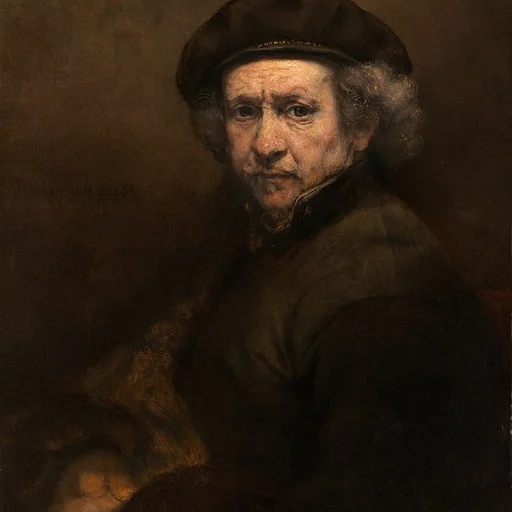
Rembrandt Harmenszoon van Rijn (15 July 1606 – 4 October 1669), known mononymously as Rembrandt, was a Dutch Golden Age painter, printmaker, and draughtsman.

 The Flight into Egypt
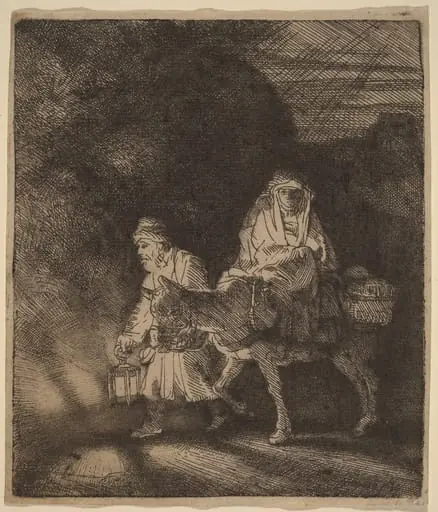 The Flight into Egypt: a Night Piece
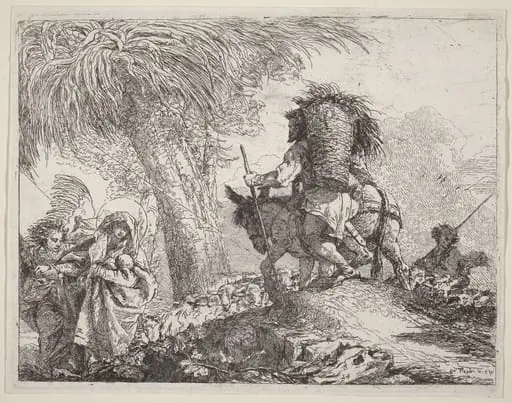 The Flight, Joseph at Right and Mary and Angel at Left
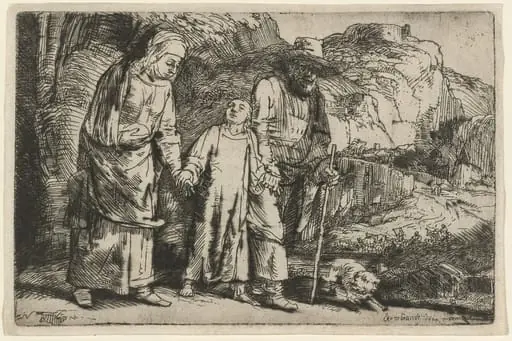 Christ Returning from the Temple with His Parents
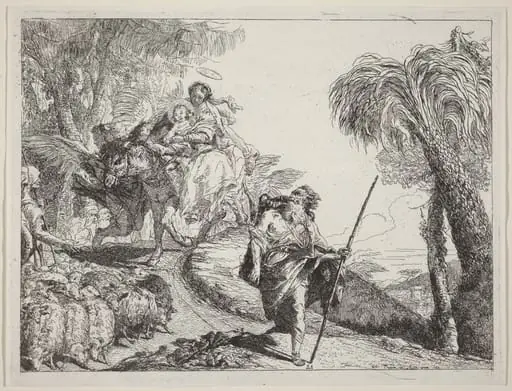 The Flight with Joseph in the Foreground
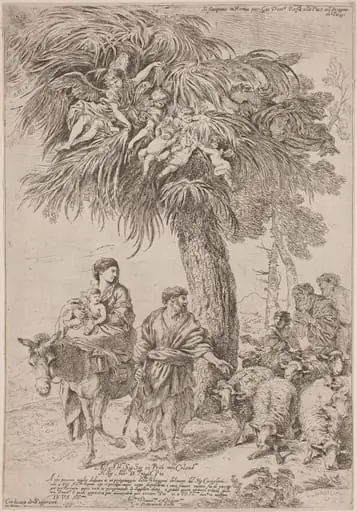 The Flight into Egypt
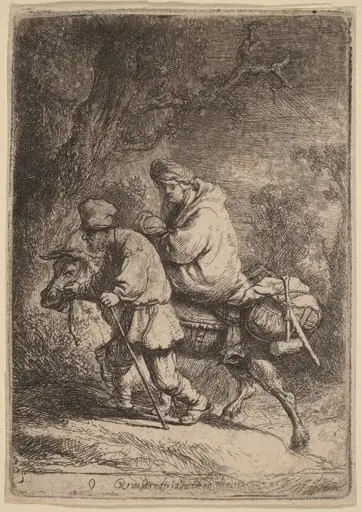 The Flight into Egypt: Small
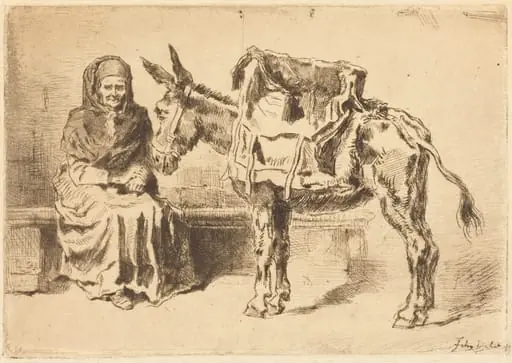 Cacoletière Assise (Seated Woman and Ass)
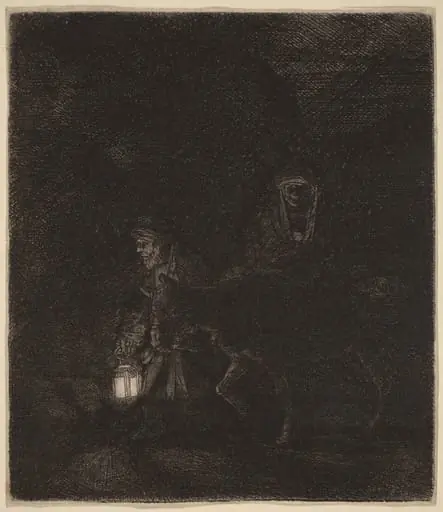
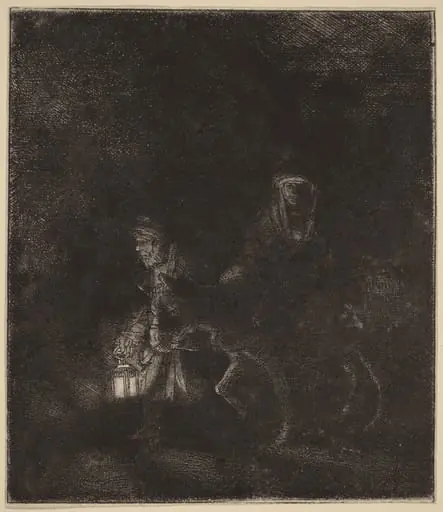 The Flight into Egypt: a Night Piece
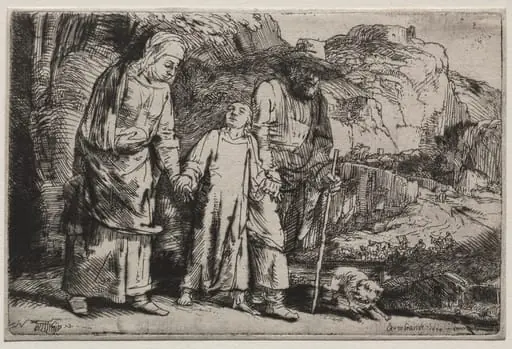 Christ Returning from the Temple with His Parents
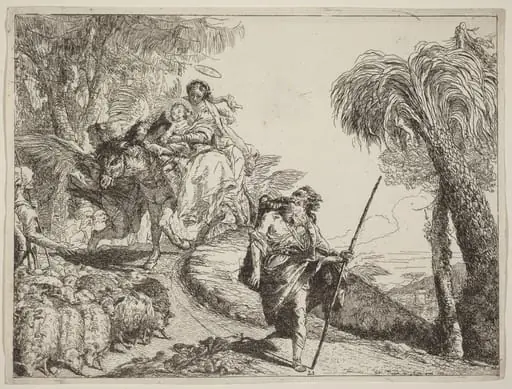 The Flight with Joseph in the Foreground
 The Flight into Egypt: Crossing a Brook