Artwork
The Holy Family
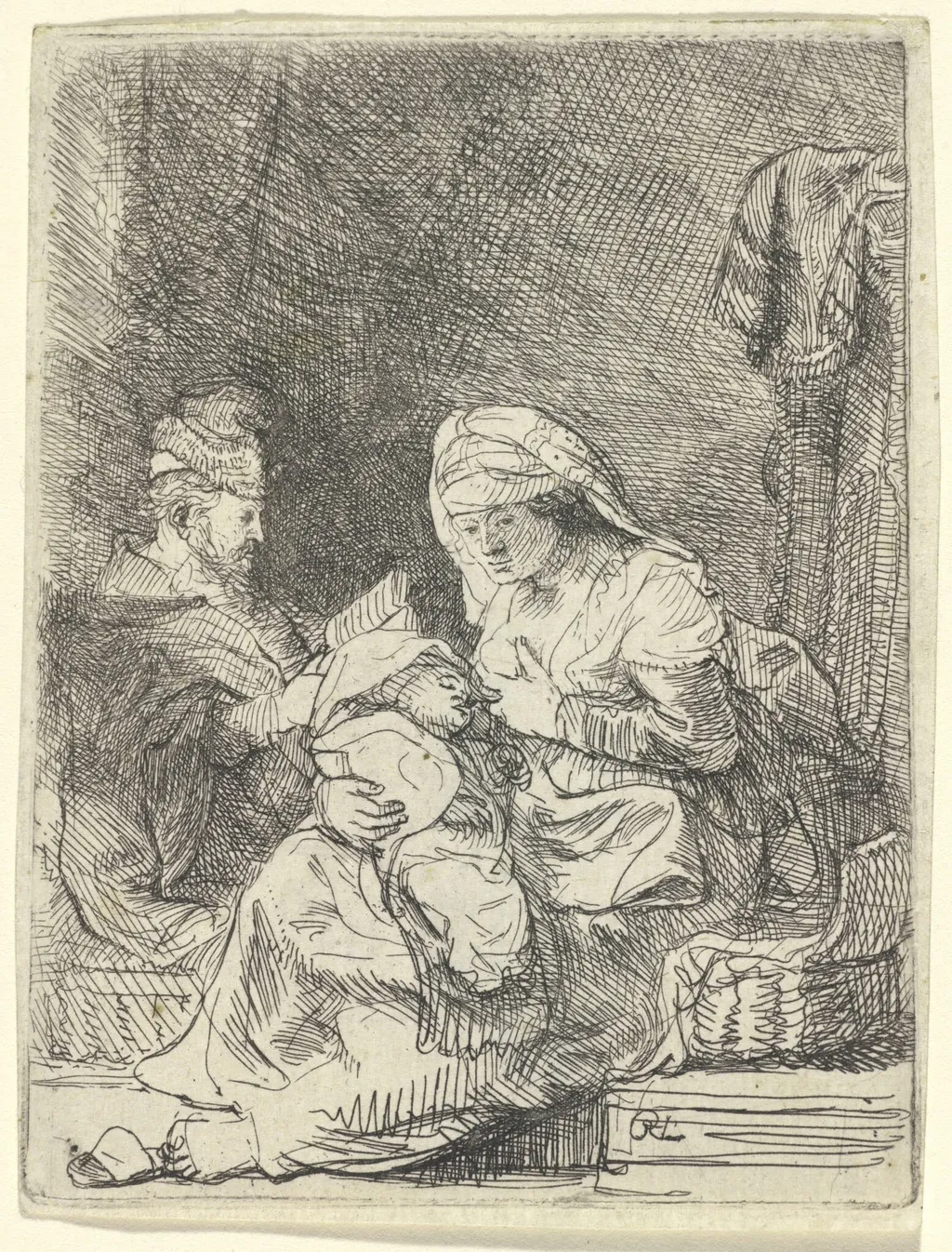
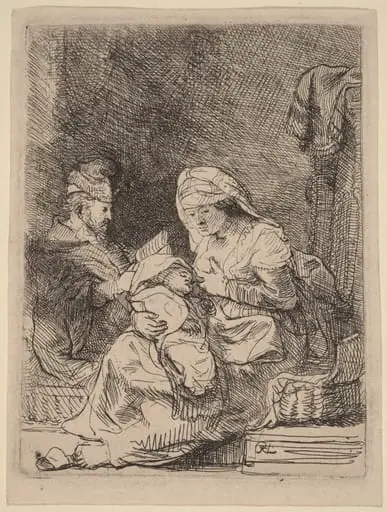
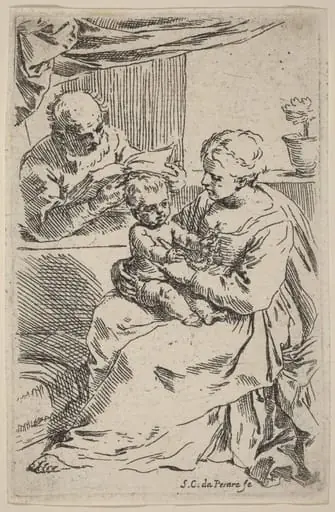
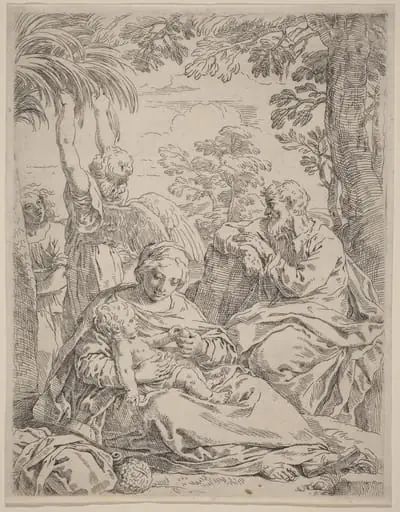
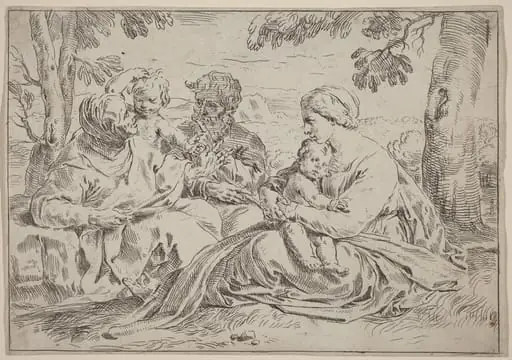
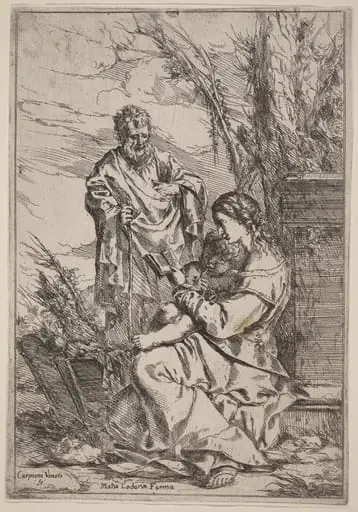
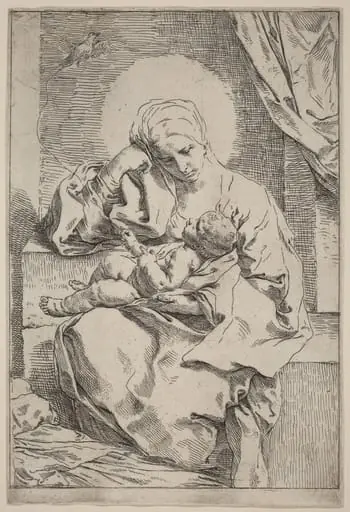
The Holy Family is an ink print by the Baroque artist Rembrandt. It dates from 1632 and is held in the collection of the National Gallery of Art.
About this work
Overview
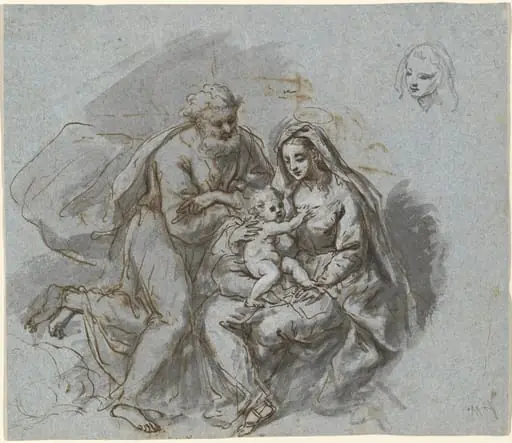
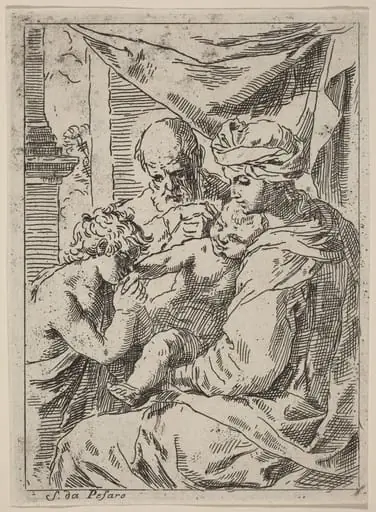
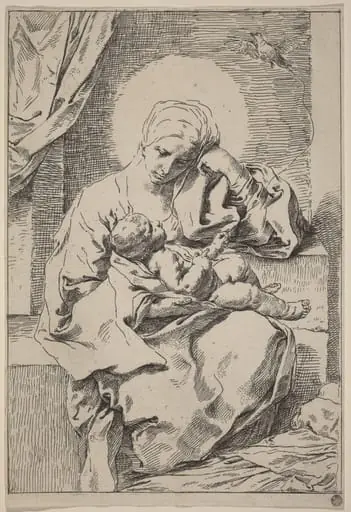
The Holy Family, an etching on laid paper by Rembrandt van Rijn, dates to circa 1632. It depicts a serene domestic scene of the Holy Family, characterized by tender interactions and warm intimacy.
Subject & Meaning
The etching focuses on a moment of quiet affection within the Holy Family. A woman (Mary) cradles a child (Jesus) on her lap, while a standing figure (Joseph) looks on with gentle care, emphasizing familial love and devotion.
Technique & Style
Rembrandt employs delicate lines and nuanced shading to achieve a sense of depth and volume. A simple, curved composition guides the viewer's eye, while masterful play with light and shadow enhances the emotional warmth and texture of the scene.
History & Provenance
Created around 1632, this etching reflects Rembrandt's early mastery of the medium. Provenance details are not specified in available information.
Context
This work aligns with the emotional intensity and domestic themes common in Baroque art, particularly in 17th-century Dutch religious subjects, where everyday life and sacred themes intersect.
Legacy
The Holy Family stands as an exemplary work of Rembrandt's etching skill, influencing later artists in capturing intimate, psychologically rich scenes through precise technique.
Artist & collection
Artist
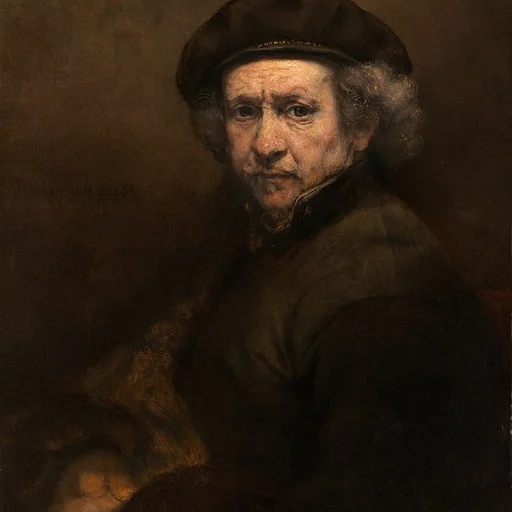
Rembrandt Harmenszoon van Rijn (15 July 1606 – 4 October 1669), known mononymously as Rembrandt, was a Dutch Golden Age painter, printmaker, and draughtsman.