Artwork
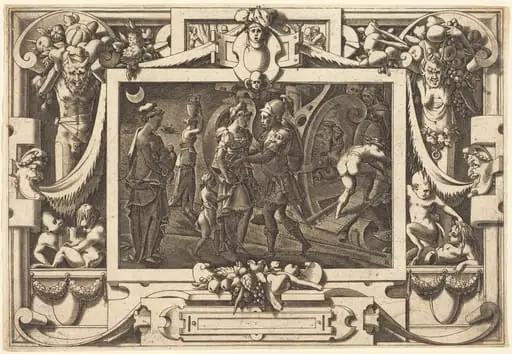
Cephalus and Procris in two Niches
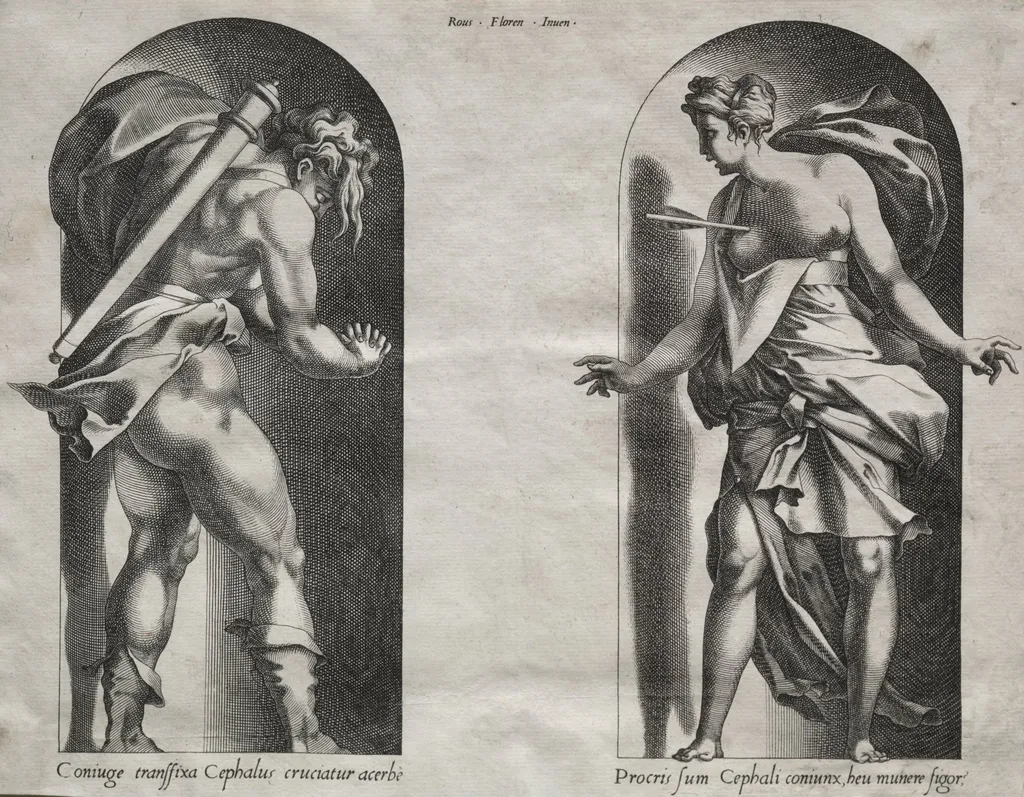
Cephalus and Procris in two Niches is a print by the Renaissance artist René Boyvin. It dates from 1539 and is held in the collection of the Cleveland Museum of Art.
About this work
Overview
Cephalus and Procris in two Niches is a print based on designs by Rosso Fiorentino, engraved by René Boyvin, reflecting the fusion of Italian and French artistic styles during the French Renaissance.
Subject & Meaning
The print depicts a tragic scene from Ovid’s Metamorphoses where Cephalus inadvertently kills his wife Procris, who was hiding in bushes, conveying themes of accidental tragedy and surveillance.
Technique & Style
Influenced by Michelangelo’s Sistine Chapel frescoes, Rosso Fiorentino’s design emphasizes complex poses and tension in the figures, characteristics translated into detailed engravings by Boyvin.
History & Provenance
Created in the 1530s, following Rosso Fiorentino’s 1530 arrival at Fontainebleau, invited by François I, the work is part of the decorative program for the king’s chateau, marking Italian influence on French Renaissance art.
Context
Part of the broader cultural exchange where Italian artists, including Rosso Fiorentino, brought new stylistic elements to France, leading to a distinctive Franco-Italian Renaissance style at Fontainebleau.
Artist & collection


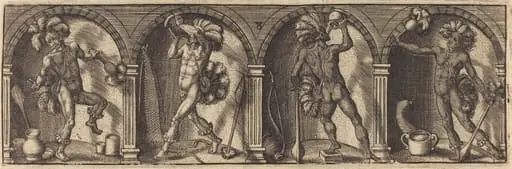 Les divers pourtraicts et figures VIII
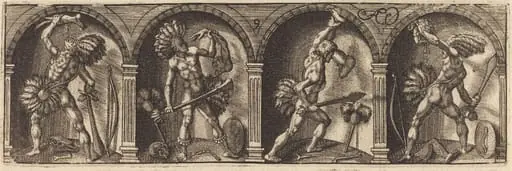 Les divers pourtraicts et figures IX
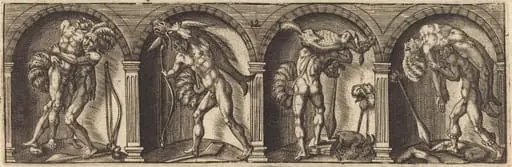 Les divers pourtraicts et figures XII
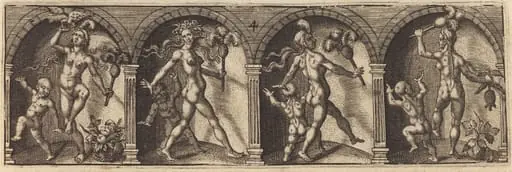 Les divers pourtraicts et figures IV
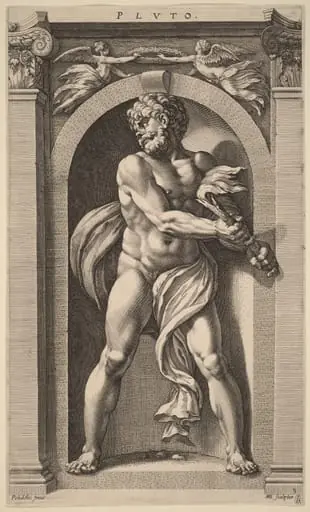 Pluto
Pluto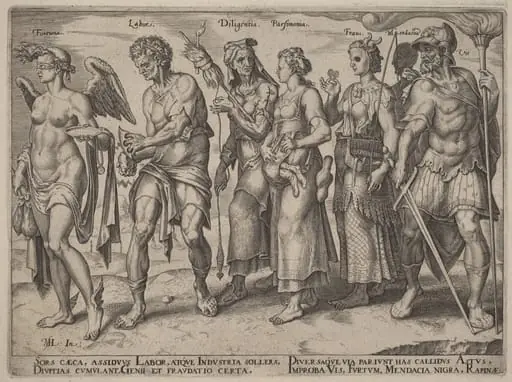 Honest and Dishonest Ways of Becoming Rich
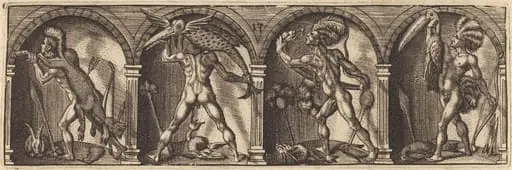 Les divers pourtraicts et figures XIII
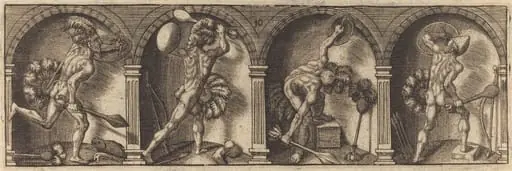 Les divers pourtraicts et figures X
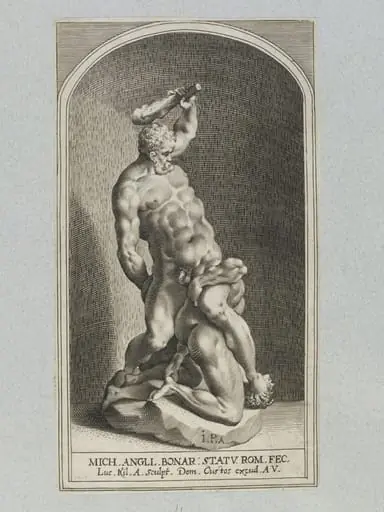 Hercules Killing Cacus
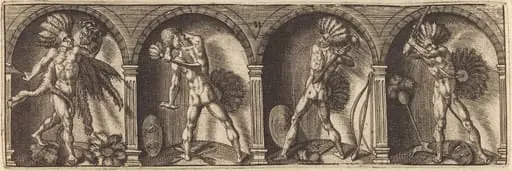 Les divers pourtraicts et figures XI
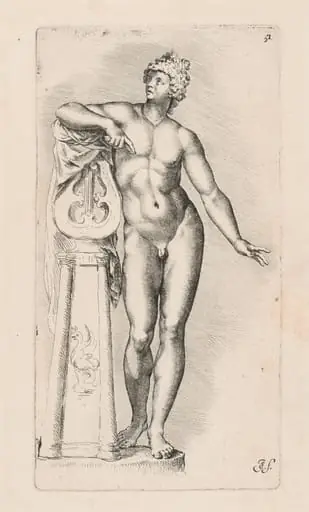 Apollo Sauroctonos
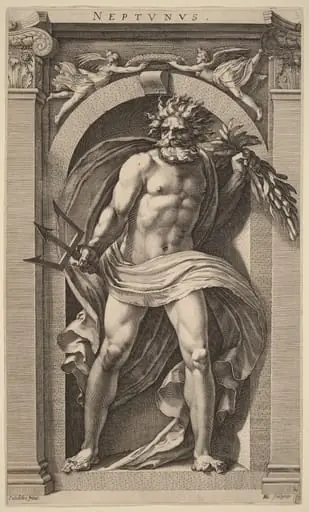 Neptune