Artwork
Honest and Dishonest Ways of Becoming Rich
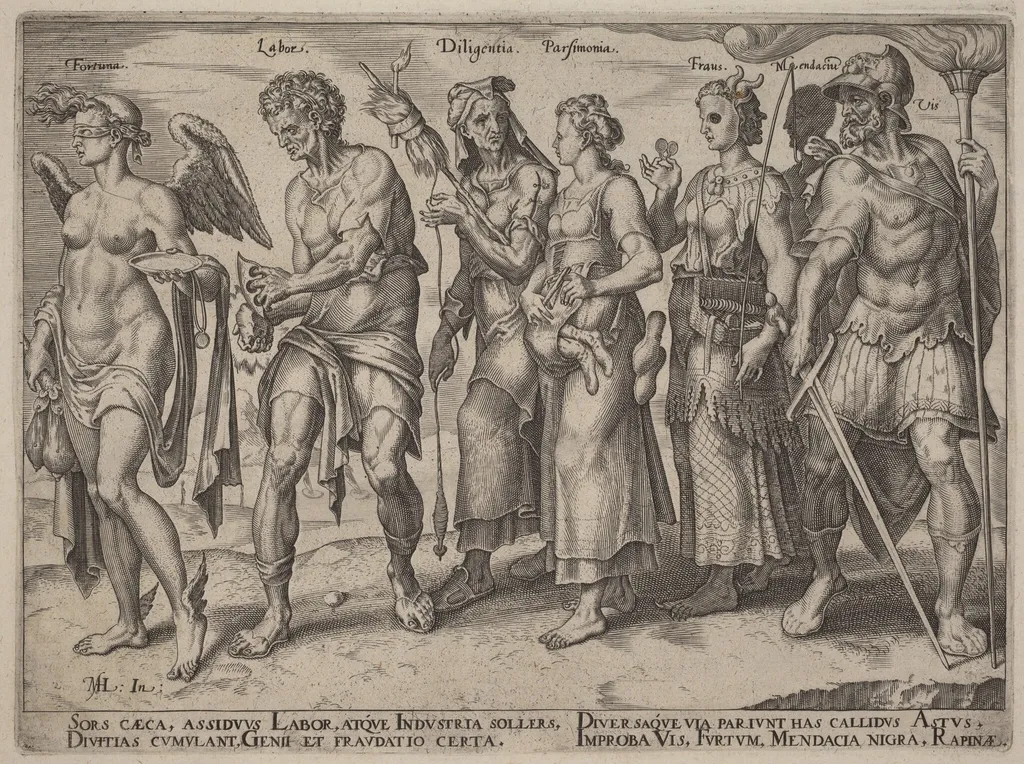
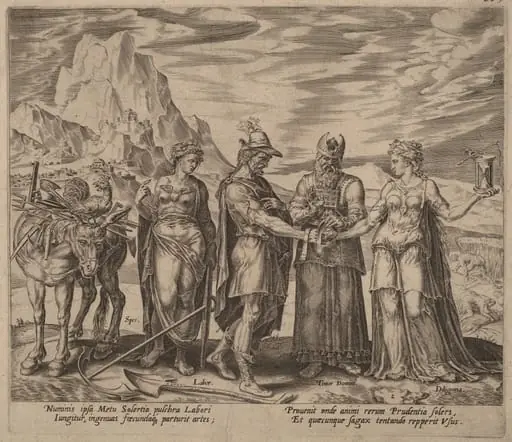
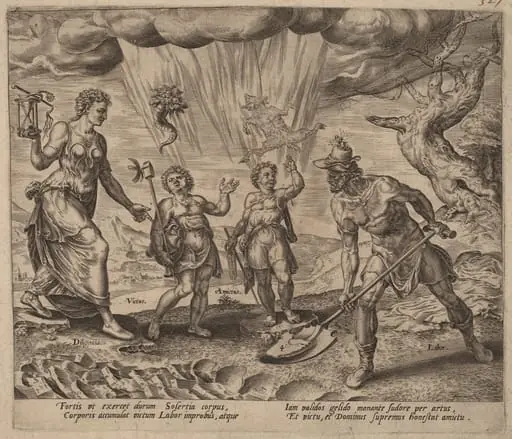
Honest and Dishonest Ways of Becoming Rich is an ink print by the Renaissance artist Philip Galle. It dates from 1563 and is held in the collection of the National Gallery of Art.
About this work
Overview
As a publisher and engraver, Galle frequently translated ethical themes into visual form, leveraging print technology to reach a broad audience across Europe.
Philip Galle’s 1563 engraving, Honest and Dishonest Ways of Becoming Rich, is a moralizing print produced in the Low Countries during a time of growing commercial activity. Executed in fine lines on laid paper, it presents a sequence of seven figures, each associated with a distinct method of acquiring wealth. As a publisher and engraver, Galle frequently translated ethical themes into visual form, leveraging print technology to reach a broad audience across Europe.
Subject & Meaning
The engraving arranges seven figures in a linear procession, each holding an object symbolizing a path to wealth: a shovel for labor, a bag of coins for trade, a sword for violence, and others representing deceit or piety. Above them, Latin inscriptions label virtues such as Diligencia and vices like Fraus. The composition invites viewers to contrast ethical livelihoods with corrupt means, reflecting mid-sixteenth-century anxieties about moral integrity amid economic expansion.
Technique & Style
Galle employed fine-line engraving on copper to achieve precise, detailed figures against a neutral background. The absence of landscape or architectural detail directs focus entirely to the individuals and their attributes. The technique, typical of reproductive printmaking, allowed for multiple impressions and widespread distribution. Each figure is rendered with clarity and symbolic economy, emphasizing legibility over decorative flourish.
History & Provenance
Created in 1563, the print emerged from Antwerp’s thriving print culture, where Galle operated a successful workshop. It was part of a broader trend of moral and religious imagery disseminated through engravings, often based on or inspired by painted compositions. Though its early ownership is undocumented, its survival in multiple institutional collections suggests it was widely circulated and preserved as a didactic tool in both private and public settings.
Context
In mid-sixteenth-century Europe, rising trade networks and urbanization intensified debates over wealth and morality. Printmakers like Galle responded by producing images that framed economic behavior within religious and ethical frameworks. This engraving aligns with Protestant and humanist concerns about honest labor versus greed, mirroring sermons and pamphlets of the era that sought to regulate conduct in an increasingly mercantile society.
Legacy
Galle’s engraving contributed to a visual language of moral economy that persisted in Northern European printmaking for decades. Its clear symbolism and didactic structure influenced later satirical and allegorical prints, serving as a model for depicting social conduct through sequential imagery. Though not widely reproduced in modern scholarship, it remains a representative example of how print media shaped public understanding of virtue and vice.
Artist & collection
Artist
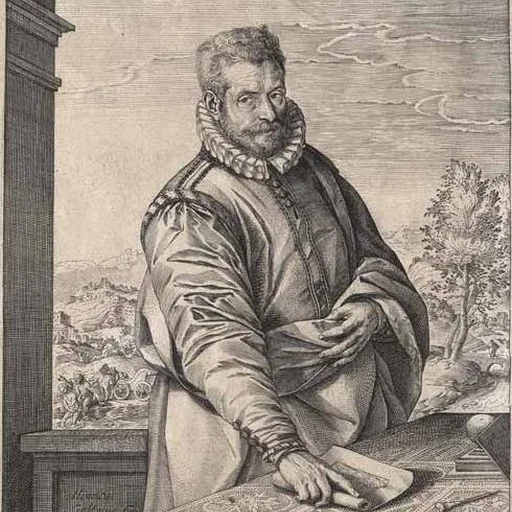
Philip (or Philips) Galle (1537 – March 1612) was a Dutch publisher, best known for publishing old master prints, which he also produced as designer and engraver. He is especially known for his reproductive engravings of paintings.

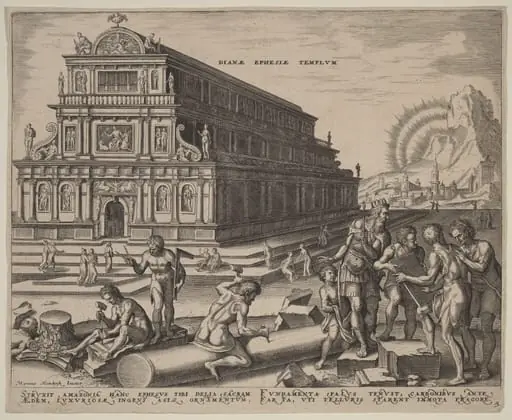 Dianae Ephesiae Templum (The Temple of Diana at Ephesus)
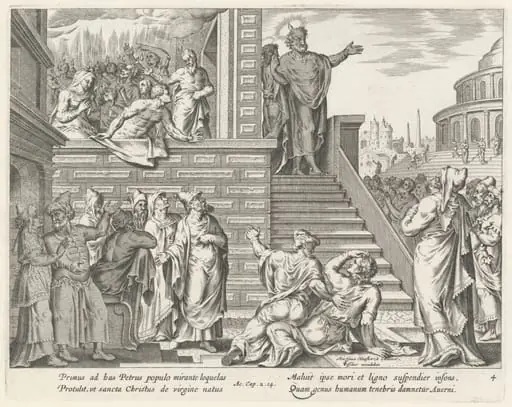 Saint Peter Speaks to the People about Christ
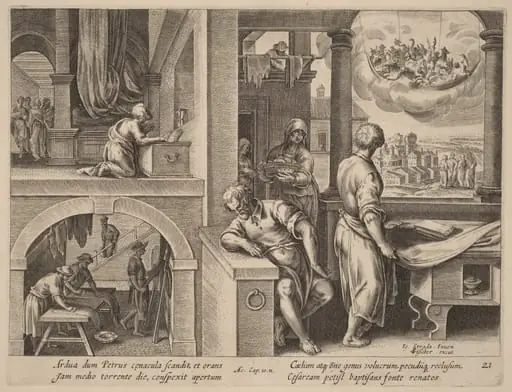 The Vision of Saint Peter
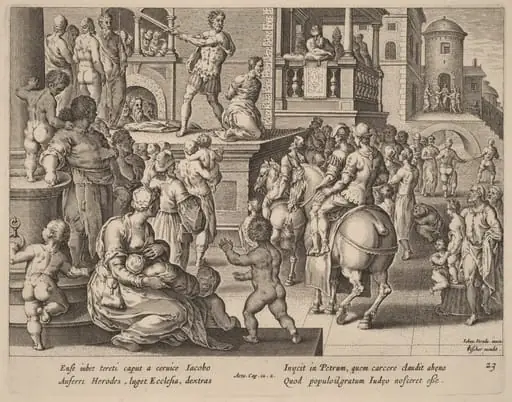 Beheading of Saint James
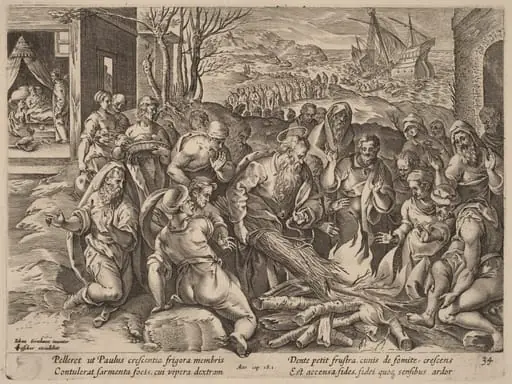 Saint Paul Shipwrecked on the Island of Melita
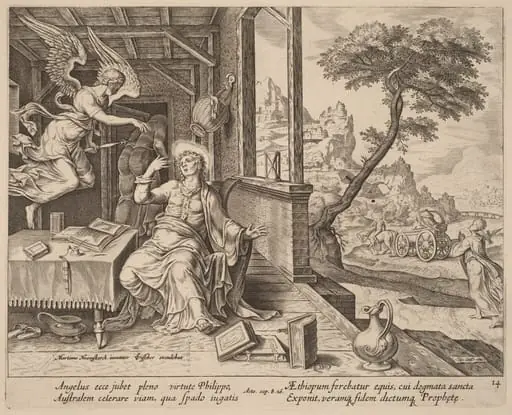 The Angel Orders Saint Philip to Accompany the Ethiopian Eunuch
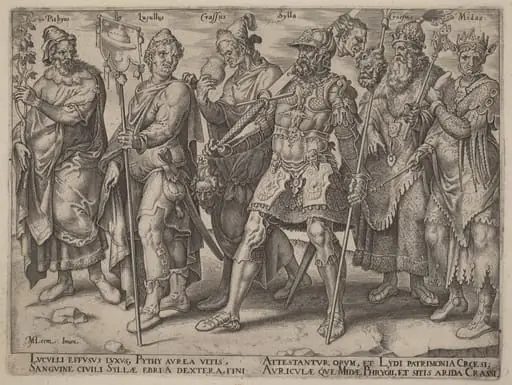 Notorious Examples of Wealth from Antiquity
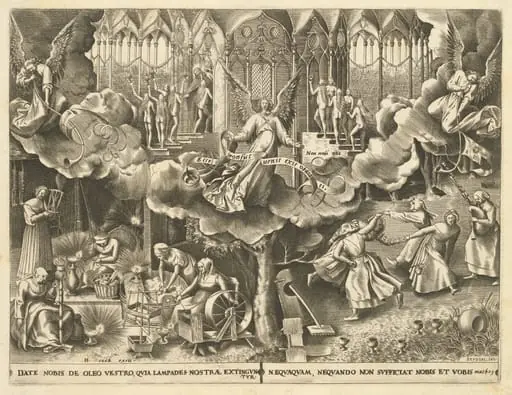 The Parable of the Wise and Foolish Virgins