Artwork
Untitled
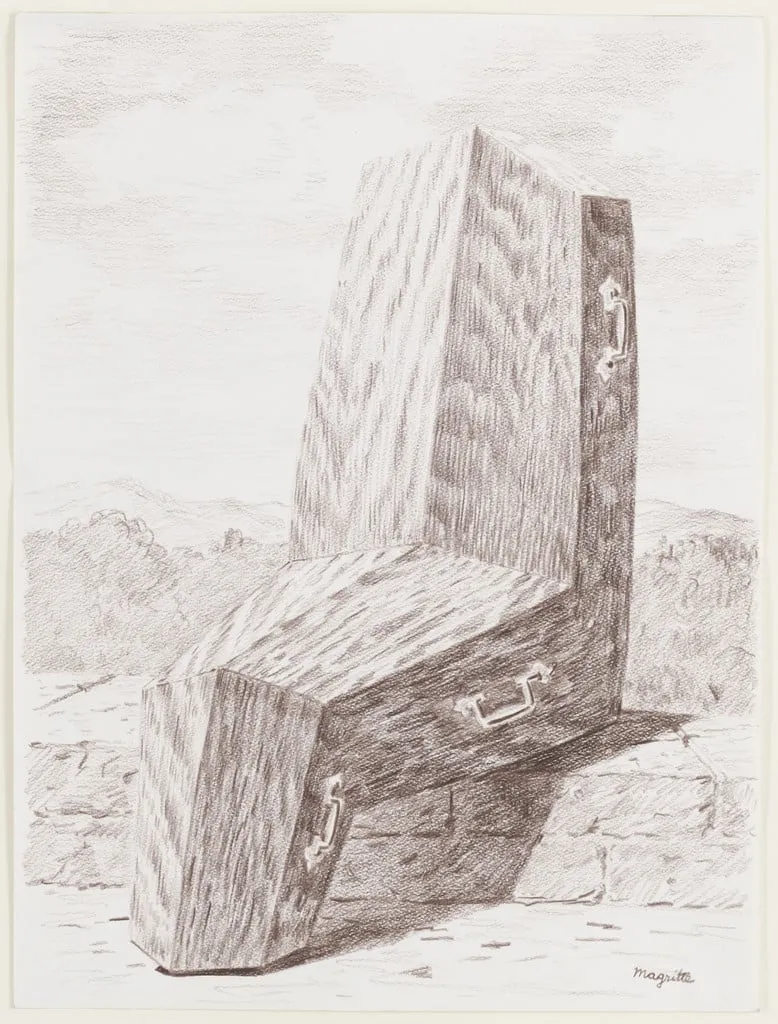
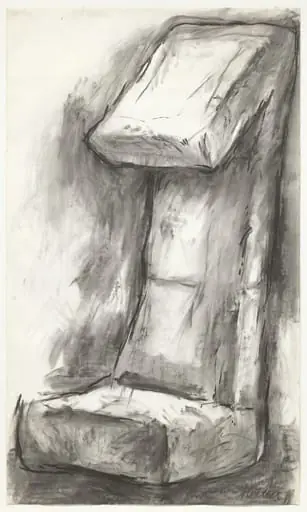
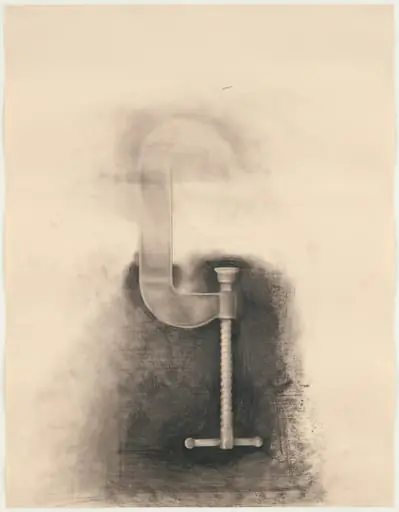
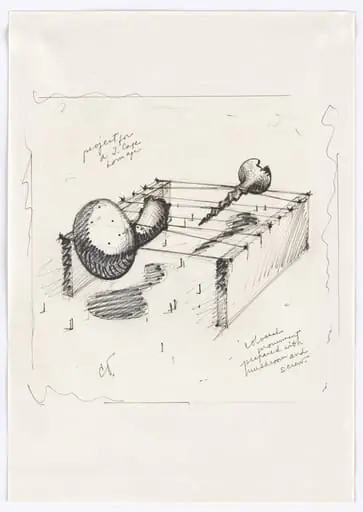
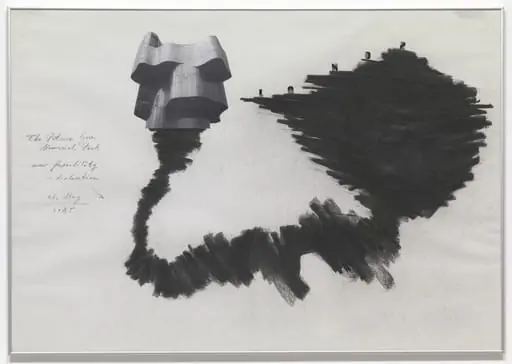
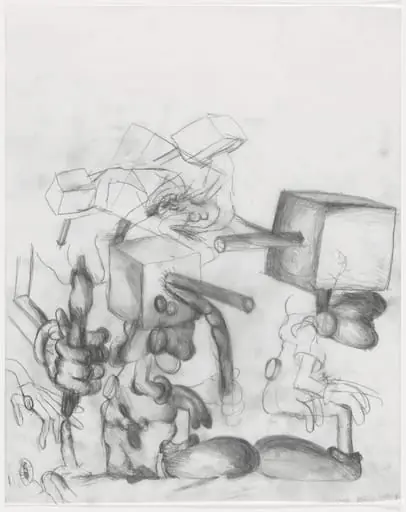
Untitled is a crayon drawing by René Magritte. It dates from 1963 and is held in the collection of the Museum of Modern Art.
About this work
Overview
Created in 1963, this drawing by René Magritte is executed in crayon on paper and is part of The Museum of Modern Art’s collection.
Created in 1963, this drawing by René Magritte is executed in crayon on paper and is part of The Museum of Modern Art’s collection. It depicts two wooden boxes in a sparse, arid setting, rendered with muted earth tones and minimal detail. The work reflects Magritte’s interest in ordinary objects placed in ambiguous environments, stripping them of conventional context to invite quiet contemplation.
Subject & Meaning
Two wooden crates—one standing, one fallen—dominate the composition, their metal clasps hinting at function or containment. Set against a flat, beige expanse with faint topographical suggestions, they appear both familiar and alien. The absence of narrative or symbolic cues resists interpretation, aligning with Magritte’s tendency to isolate objects to provoke uncertainty rather than convey fixed meaning.
Technique & Style
Magritte employed crayon to achieve a soft, granular texture that enhances the tactile quality of the wooden surfaces. Subtle gradations in tone, particularly the shadow cast by the upright box, suggest volume without overt modeling. The restrained palette and deliberate lack of detail reflect a deliberate austerity, emphasizing form over ornamentation and reinforcing the work’s meditative tone.
History & Provenance
The drawing entered The Museum of Modern Art’s collection following its creation in 1963, likely acquired directly from the artist or his estate. It is one of several works from this period in which Magritte revisited still-life motifs using non-traditional media, signaling a continued exploration of perception and materiality outside his more famous oil paintings.
Context
Made during the final decade of Magritte’s life, this piece aligns with his late-period interest in simplifying forms and reducing pictorial elements. While Surrealism had long been associated with dreamlike juxtapositions, here the artist favors stillness and ambiguity, echoing broader postwar artistic trends toward minimalism and conceptual restraint.
Legacy
This work contributes to the understanding of Magritte’s evolving practice, demonstrating how he sustained inquiry into representation through modest means. Its presence in a major institution underscores its role in bridging Surrealist concerns with later minimalist and conceptual approaches, influencing how everyday objects are framed in contemporary art.
Artist & collection

Artist
René François Ghislain Magritte was a Belgian surrealist artist known for his depictions of familiar objects in unfamiliar, unexpected contexts, which often provoked questions about the nature and boundaries of reality and representation.