Artwork
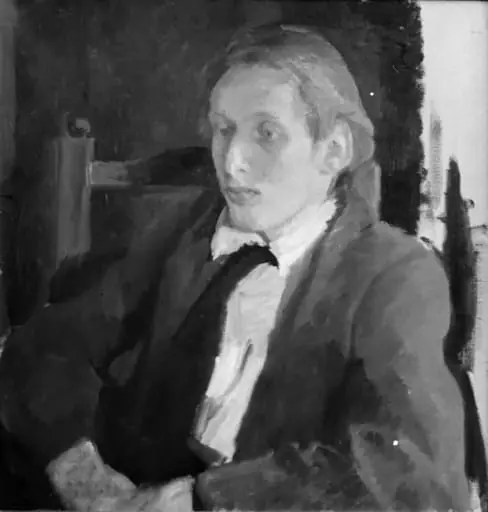
Autoportret
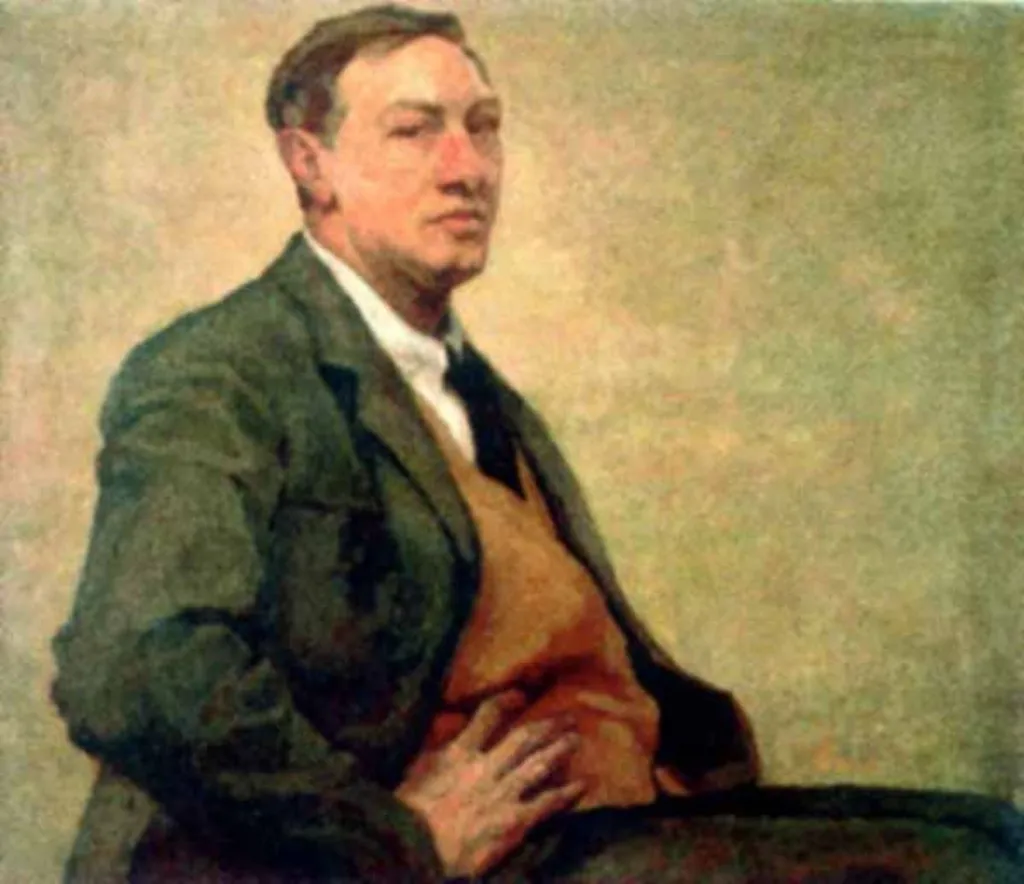
Autoportret is an unspecified painting by Camil Ressu. It dates from 1921 and is held in the collection of the Art Museum of Constanta.
About this work
Overview
The composition emphasizes restraint, reflecting a broader trend in early 20th-century Romanian portraiture toward psychological depth over ornamentation.
Painted in 1921 by Romanian artist Camil Ressu, this self-portrait presents a quiet, unadorned view of the artist at mid-career. Executed in oil, the work is part of the Museum of Ethnography’s collection. Ressu depicts himself seated, facing the viewer with stillness and composure, avoiding theatricality in favor of personal observation. The composition emphasizes restraint, reflecting a broader trend in early 20th-century Romanian portraiture toward psychological depth over ornamentation.
Subject & Meaning
The subject is the artist himself, portrayed without idealization or dramatic gesture. His neutral expression and relaxed posture suggest an inward focus, inviting contemplation rather than narrative. The absence of symbolic objects or elaborate setting shifts attention to the individual’s presence. This self-representation may reflect Ressu’s interest in identity as something grounded in quiet dignity rather than external achievement.
Technique & Style
Ressu employs chiaroscuro to define the volume of the figure, using subtle gradations of light and shadow to model the jacket, vest, and face. The muted background enhances the three-dimensionality of the form, while the restrained palette—dominated by darks and soft neutrals—supports the painting’s introspective tone. Brushwork is controlled, avoiding flourish, and the texture of fabric is rendered with quiet precision, reinforcing the portrait’s sense of stillness.
History & Provenance
Created in 1921, the painting entered the collection of the Museum of Ethnography in Romania, where it remains today. Its placement within an ethnographic institution, rather than a fine arts museum, may reflect early 20th-century efforts to document national cultural identity through personal and domestic imagery. The work’s survival intact suggests it was valued early as a representative example of Romanian artistic practice.
Context
In post-World War I Romania, artists like Ressu sought to define a national visual language rooted in realism and personal expression. This portrait aligns with broader European trends toward psychological portraiture, distancing itself from academic idealism. Ressu’s focus on the ordinary self, framed with modesty and technical discipline, mirrors a cultural moment seeking authenticity after years of upheaval.
Legacy
Though not widely reproduced, this self-portrait is recognized within Romanian art history as a quiet but significant example of early modernist portraiture. It exemplifies Ressu’s commitment to observing the human form with honesty and technical care. The work continues to inform studies of Romanian identity in visual culture, valued for its restraint and emotional sincerity.
Artist & collection

Artist
Camil Ressu was a Romanian painter and academic, one of the most significant art figures of Romania.

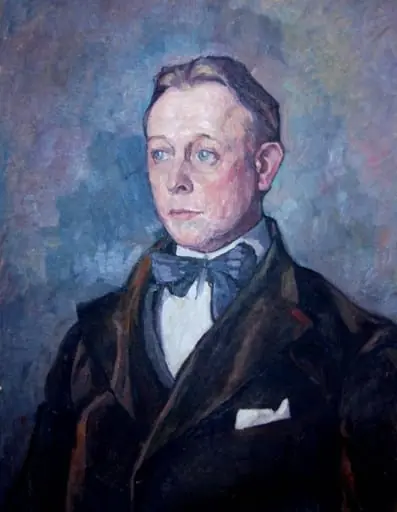 Octavian Goga
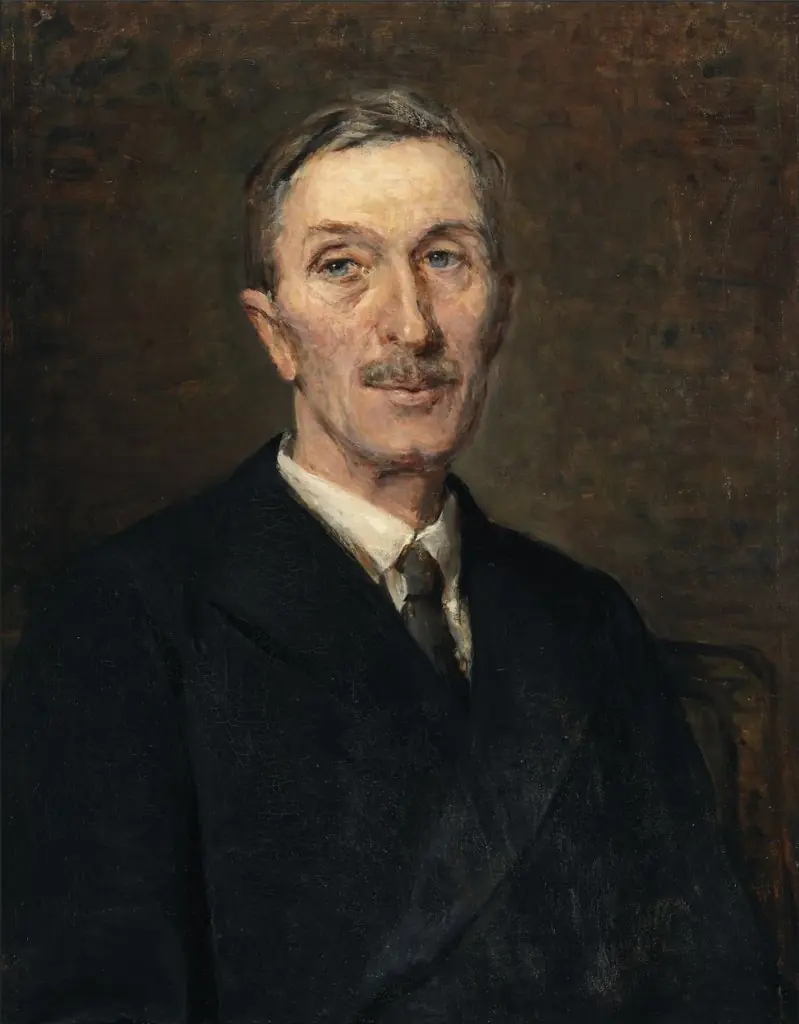 Portrait of James MacNeill (1869-1938), Last Governor General of Ireland
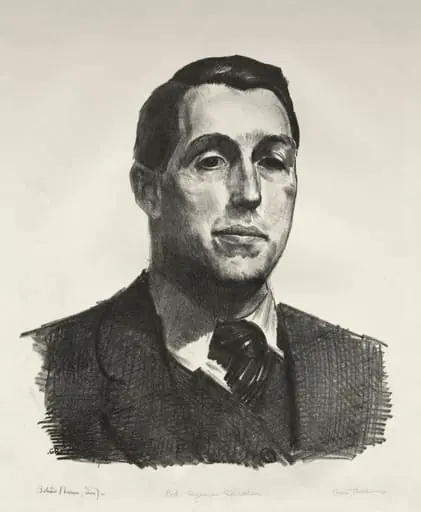 Portrait of Eugene Speicher, First Stone
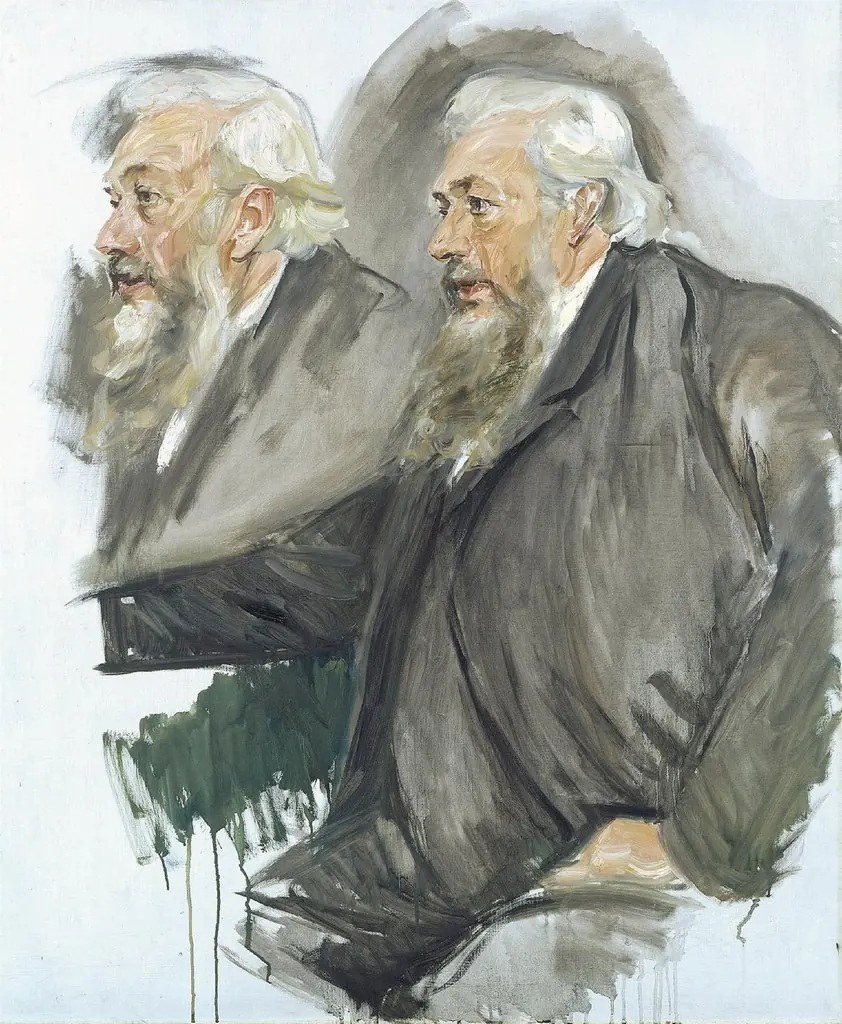 Professor Justus Brinckmann
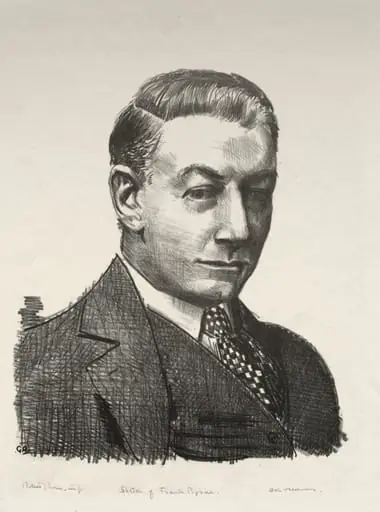 Sketch of Frank Byrne
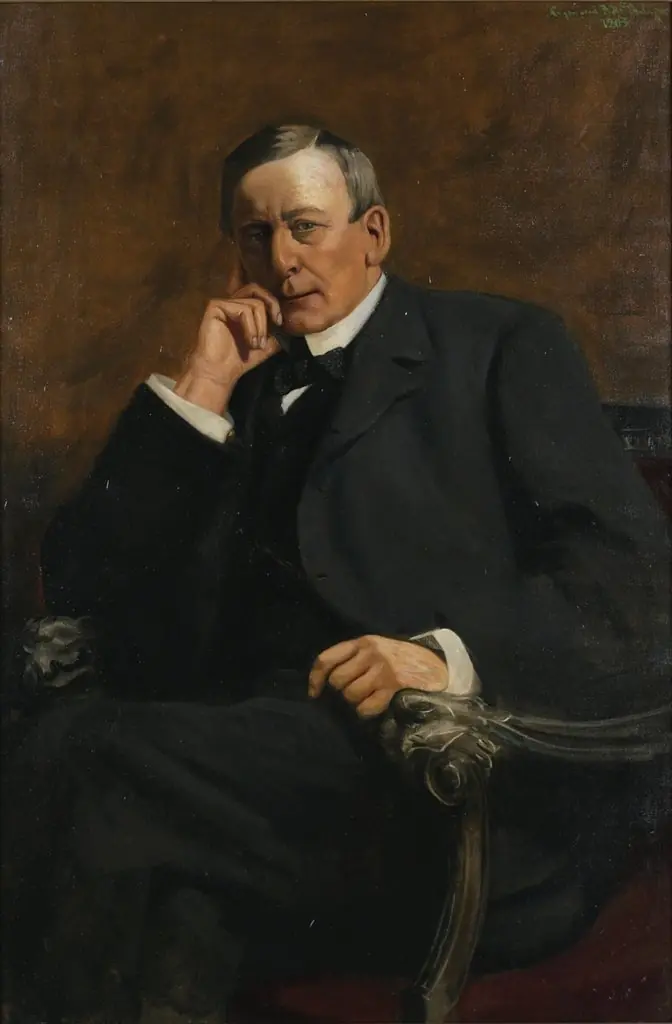 Portrait of William Rolleston
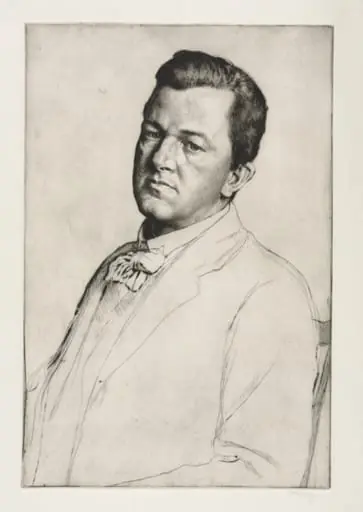 Sir Charles Holroyd
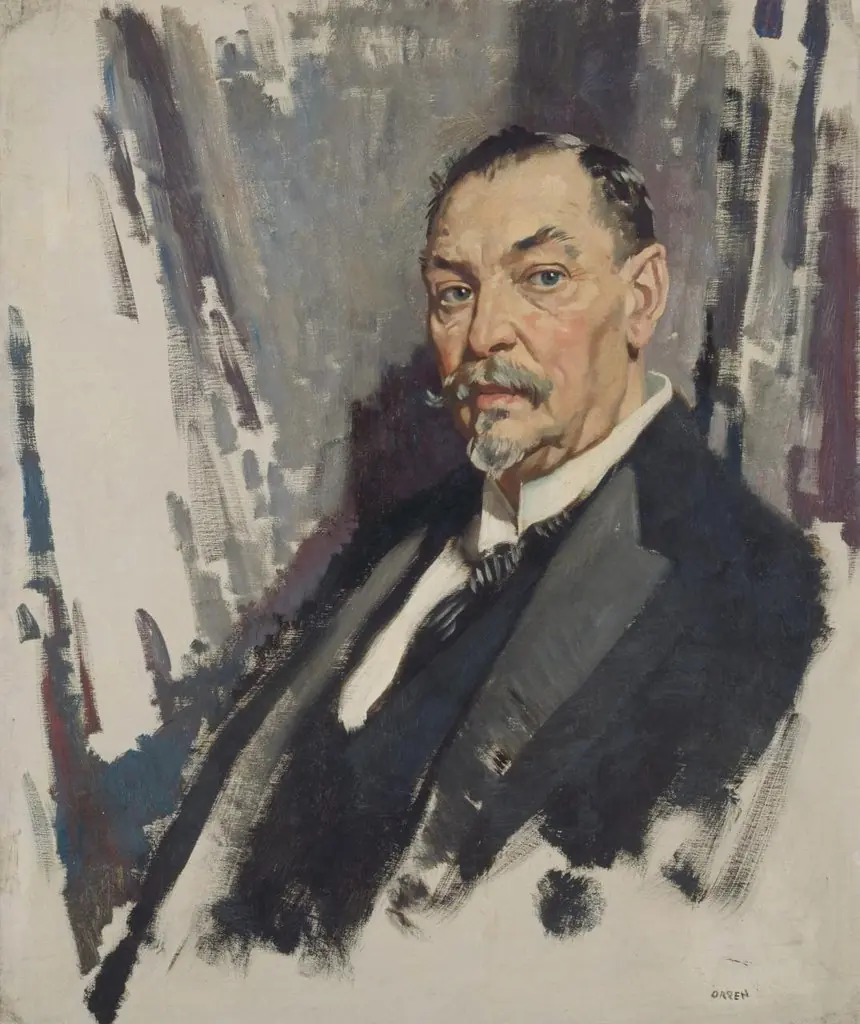 The Right Hon. Louis Botha
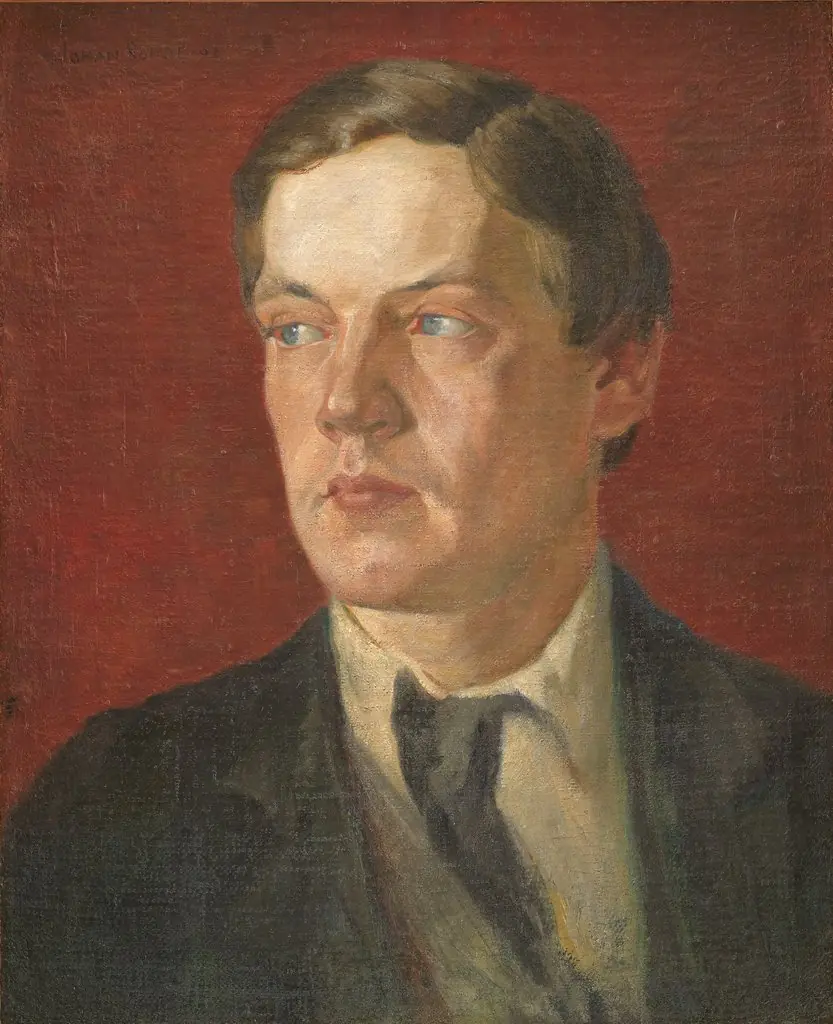 Portræt af den svenske maler Gustaf Wolmar
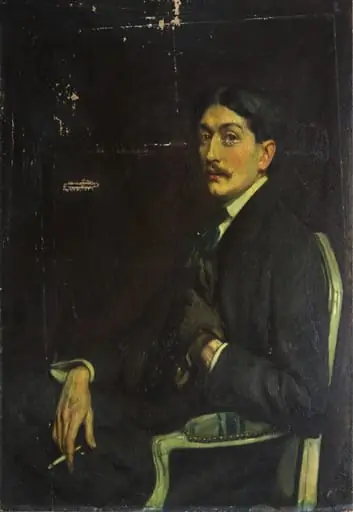 Portretul arhitectului Edmond van Saanen Algi
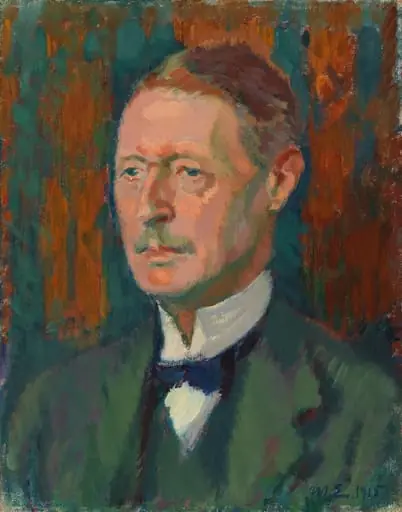 A. W. Finchin muotokuva
 The Architect Hubert Paulsen, the Artist's Son