Artwork
Nud – Odaliscă
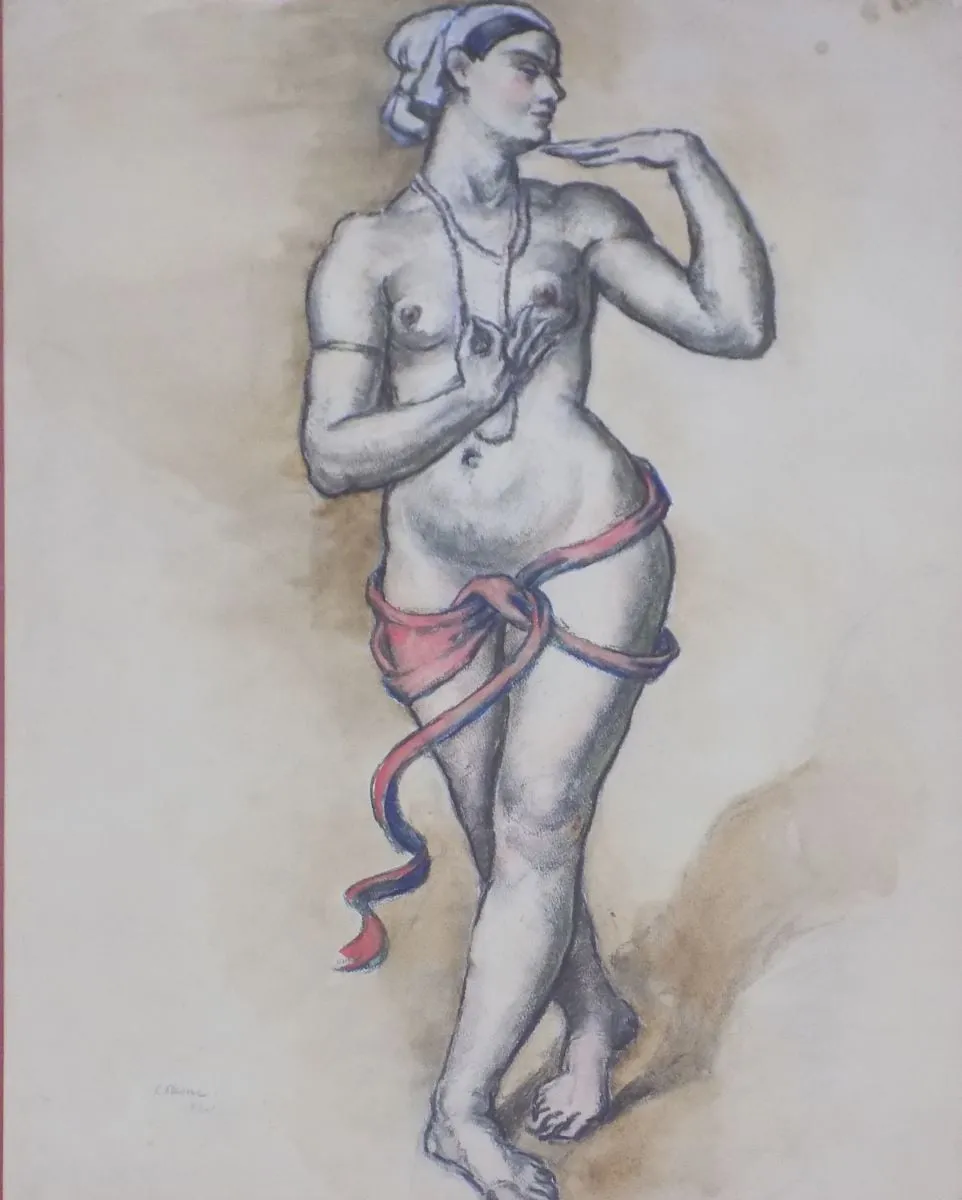
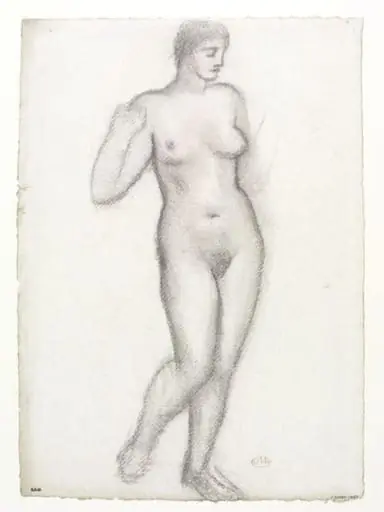
Nud – Odaliscă is a drawing by Camil Ressu. It dates from 1920 and is held in the collection of the Bucharest Municipality Museum.
About this work
Overview
The piece resides in the collection of the Museum of Ethnography, where it is valued for its intimate portrayal and technical simplicity.
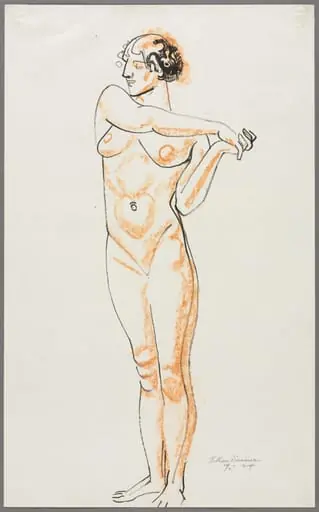
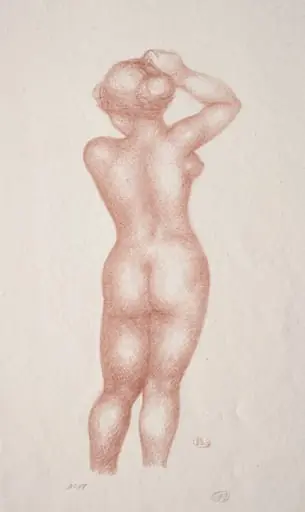
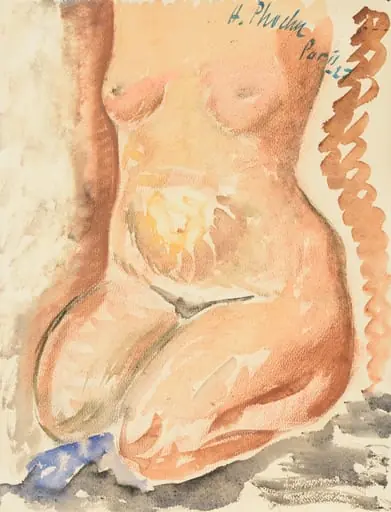
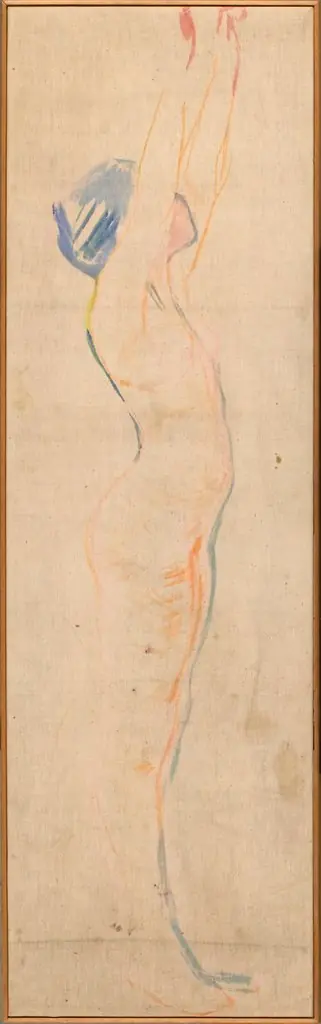
Nud – Odaliscă is a 1920 drawing by Romanian artist Camil Ressu, executed in pencil and light washes on paper. It depicts a solitary figure in a quiet, contemplative stance, rendered with minimal color and restrained line work. The piece resides in the collection of the Museum of Ethnography, where it is valued for its intimate portrayal and technical simplicity. Its modest scale and monochromatic base contrast with deliberate accents of red and blue, drawing attention to specific elements without overwhelming the composition.
Subject & Meaning
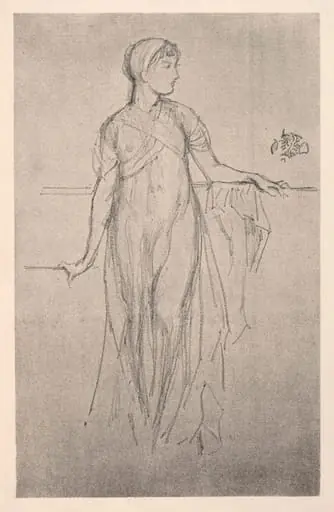
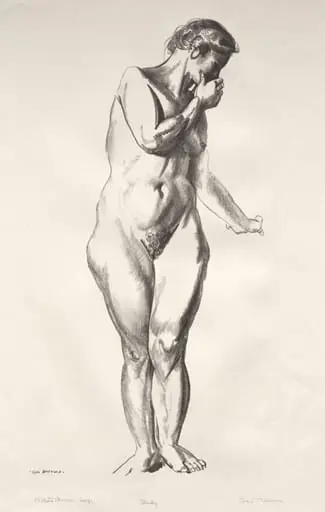
The figure, positioned in profile, is partially draped in a red sash and a blue head covering, suggesting a cultural or regional identity without explicit narrative context. The pose—arm resting on the hip, hand lightly touching the chest—conveys stillness and introspection rather than performance or eroticism. The title, translating to 'Nude – Odalisque,' evokes a historical artistic tradition, yet Ressu avoids exoticism, focusing instead on the dignity and physical presence of the individual.
Technique & Style
Ressu employs loose, fluid lines and subtle cross-hatching to model form and suggest volume. The grayscale palette dominates, with only the red cloth and blue headpiece introducing color as focal points. Shading is built through layered, directional strokes rather than blending, giving texture to skin and fabric alike. The drapery is rendered with economical curves that imply weight and motion, enhancing the sense of a living, breathing presence despite the static posture.
History & Provenance
Created in 1920, the drawing emerged during a period of renewed interest in Romanian national identity and artistic autonomy. It entered the Museum of Ethnography’s collection early in its history, likely through institutional acquisition or donation. Unlike Ressu’s larger oil paintings, this work remained in private or academic circles, preserving its intimate character. Its preservation in an ethnographic context reflects its perceived connection to cultural representation rather than fine art alone.
Context
In early 20th-century Romania, artists like Ressu sought to reconcile European academic traditions with local subjects and sensibilities. While odalisque imagery was common in Western Orientalist art, Ressu’s version strips away theatricality, presenting a grounded, unidealized figure. The work aligns with broader regional movements emphasizing authenticity and restraint, distancing itself from imperialist tropes by focusing on quiet humanity rather than exotic spectacle.
Legacy
Nud – Odaliscă stands as a quiet example of Ressu’s ability to convey depth through simplicity. It influenced later Romanian figurative artists who favored understated expression over grandeur. Its placement in an ethnographic museum underscores its role in documenting cultural aesthetics beyond traditional art historical frameworks. The drawing remains a reference point for discussions on modesty, representation, and the avoidance of stereotype in modern Romanian art.
Artist & collection

Artist
Camil Ressu was a Romanian painter and academic, one of the most significant art figures of Romania.