Artwork
Convivial Party (2)
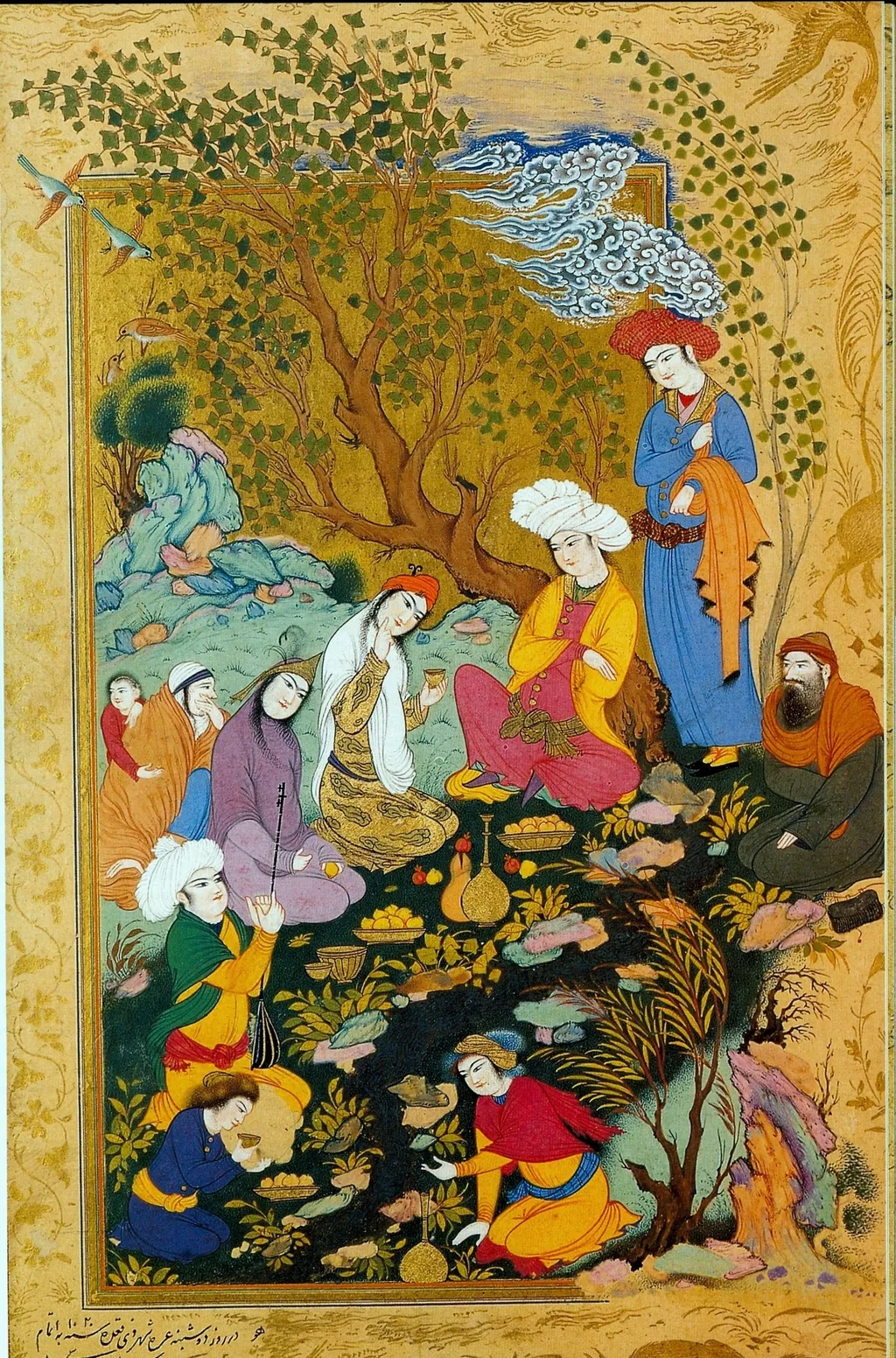
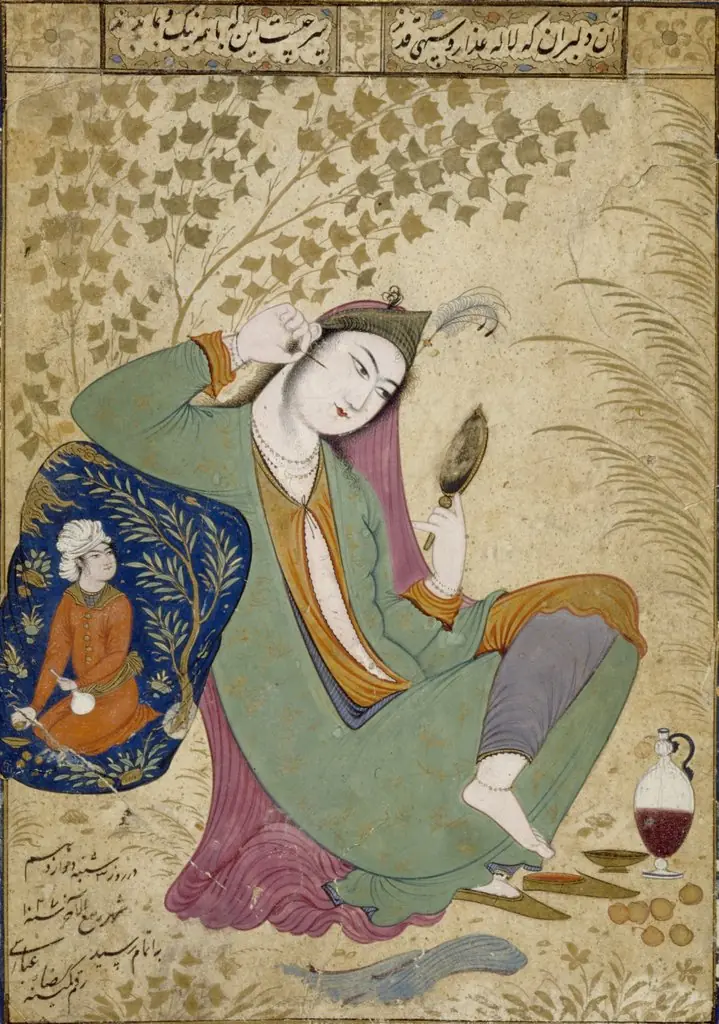
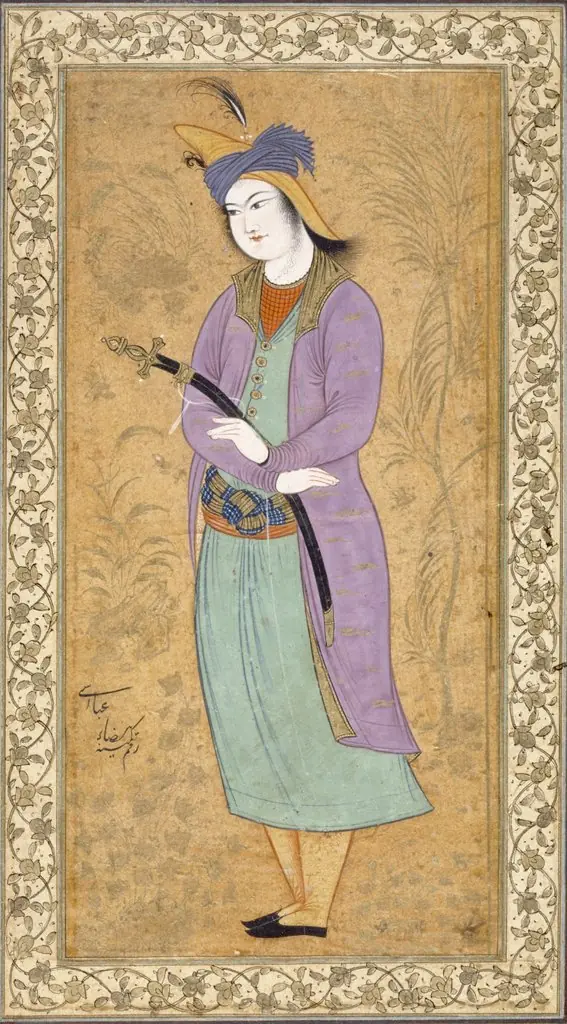
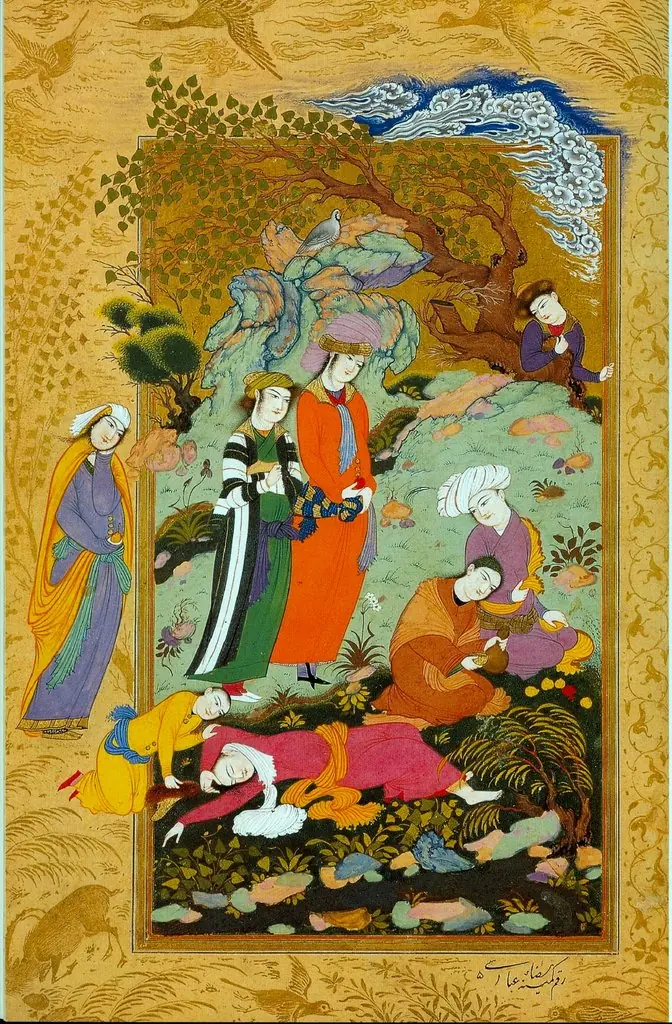
Convivial Party (2) is an unspecified painting by the Persian Miniature artist Reza `Abbasi. It dates from 1612 and is held in the collection of the Hermitage Museum.
About this work
Overview
Painted in 1612 by Reza Abbasi, this work belongs to the late Safavid era’s miniature tradition, produced during the height of Isfahan’s cultural prominence.
Painted in 1612 by Reza Abbasi, this work belongs to the late Safavid era’s miniature tradition, produced during the height of Isfahan’s cultural prominence. Unlike manuscript illustrations, it was designed as an independent piece for inclusion in an album, reflecting a shift toward standalone artistic expression. Abbasi, then the foremost painter at the Safavid court, focused on intimate scenes of daily life, moving away from grand historical or religious narratives.
Subject & Meaning
The scene depicts a group of elegantly dressed young men in a relaxed, social setting, likely engaged in conversation or music. The figures exude quiet intimacy rather than overt celebration, suggesting themes of companionship and refined leisure. Their androgynous features and tender gestures reflect a broader aesthetic ideal in Safavid art that valued beauty, subtlety, and emotional nuance over narrative clarity.
Technique & Style
Abbasi employed fine brushwork and muted, harmonious pigments to render delicate facial expressions and flowing textiles. The composition is tightly framed, with figures arranged in a naturalistic yet stylized grouping that emphasizes rhythm over depth. Backgrounds are minimal, drawing attention to the figures’ gestures and the quiet tension between them. This approach marks a departure from earlier, more crowded compositions.
History & Provenance
Created during the reign of Shah Abbas I, the painting likely originated in the royal atelier in Isfahan. It entered the collection of the State Hermitage Museum in the 19th century, possibly through diplomatic gifts or acquisitions from Russian travelers in Persia. Its survival as a single sheet, rather than bound in a manuscript, suggests it was prized early for its artistic merit.
Context
The Isfahan School flourished under Shah Abbas I, who promoted the arts as part of a broader cultural revival. Abbasi’s focus on secular, lyrical subjects reflected a shift in courtly taste, away from religious texts toward personal and poetic themes. His miniatures catered to elite collectors who valued aesthetic refinement and emotional resonance over didactic content.
Legacy
Abbasi’s work influenced later Persian and Mughal artists by prioritizing individual expression and emotional subtlety. His single-sheet miniatures helped redefine the genre, paving the way for more autonomous artistic forms. Though the tradition of Persian miniature painting declined after the 17th century, his compositions remain key references for understanding its late evolution.
Artist & collection
Artist
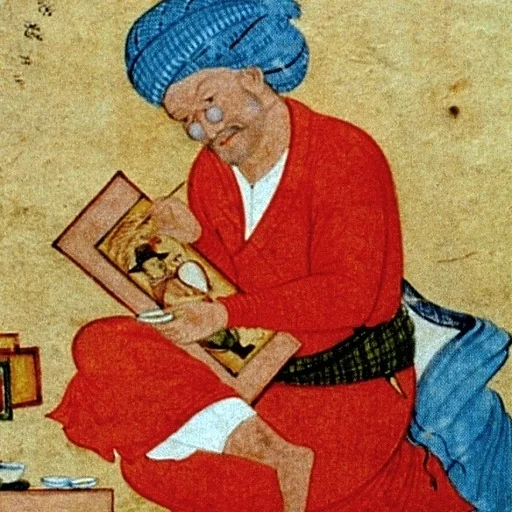
Reza Abbasi (Persian: رضا عباسی), also known as Agha Reza (c. 1565 – 1635), was the leading Persian miniaturist of the Isfahan School during the later Safavid period, spending most of his career working for Shah Abbas…

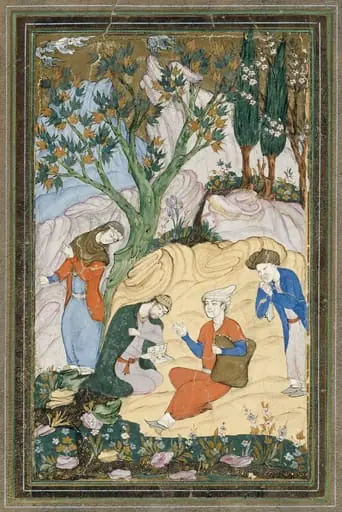 Nuori ruhtinas seurueineen maisemassa, persialainen miniatyyri
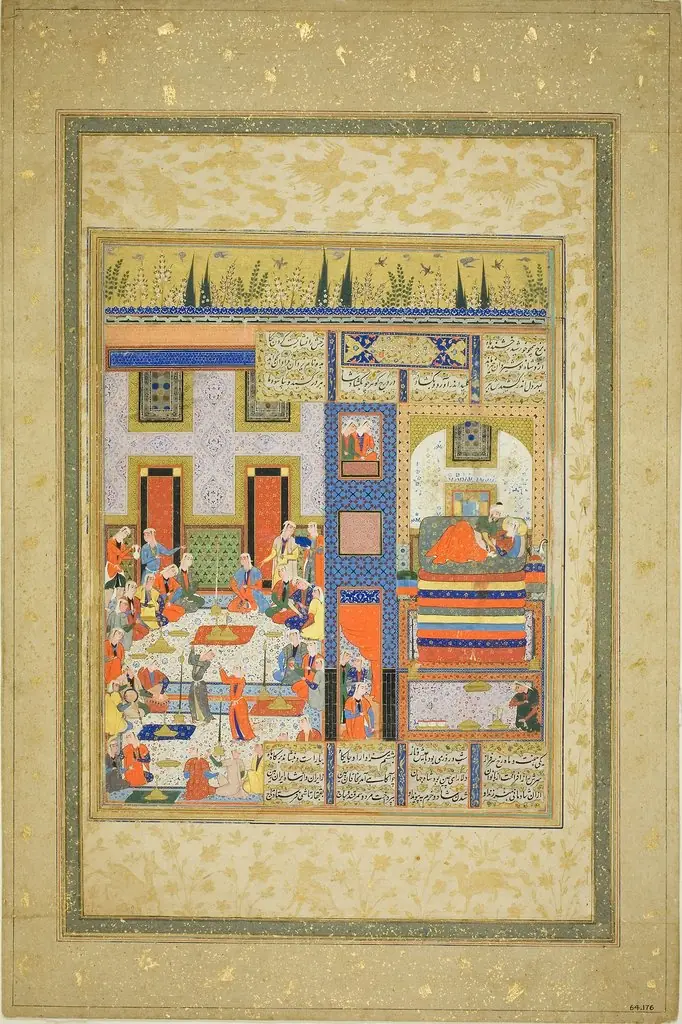 The Wedding Night of Anushirvan and the Khaqan's Daughter (from a copy of Firdausi's Shahnama)
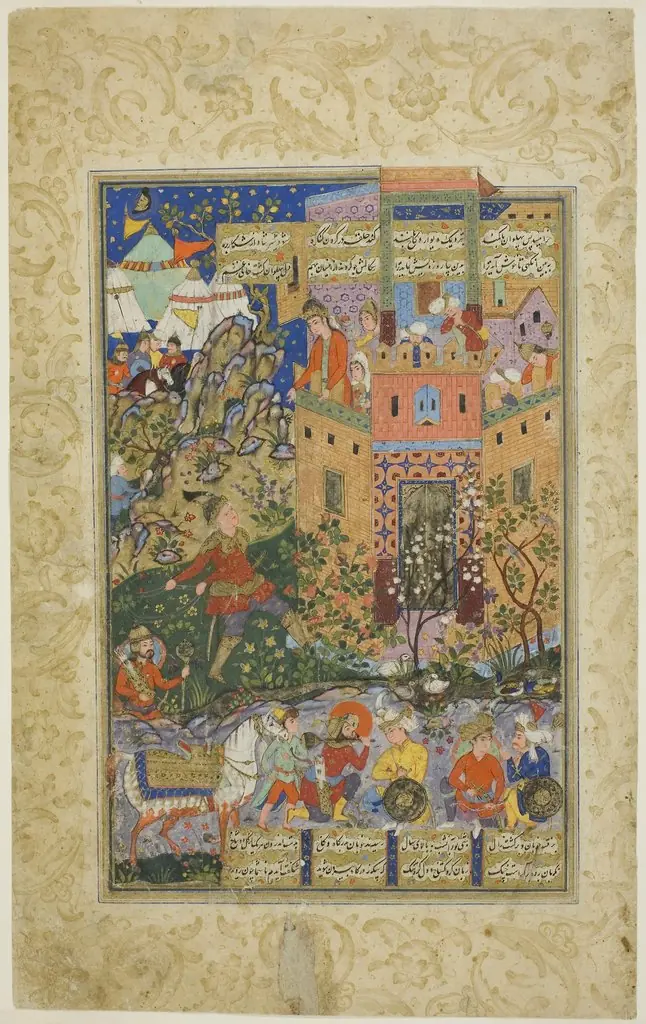 Zal Climbing to Rudaba, page from a copy of the Shahnama of Firdausi
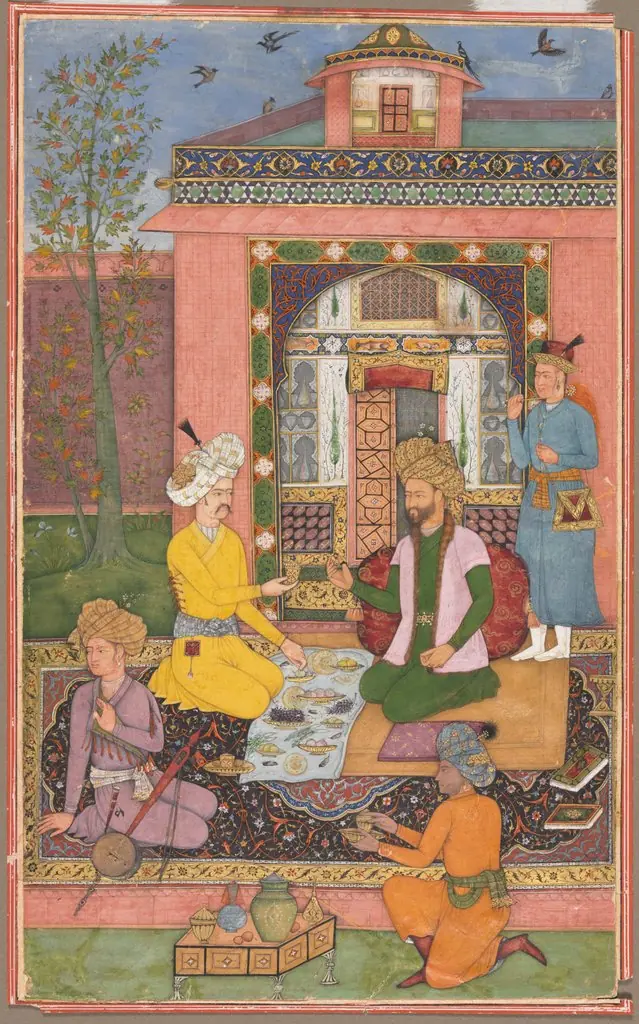 A Royal Picnic on a Terrace
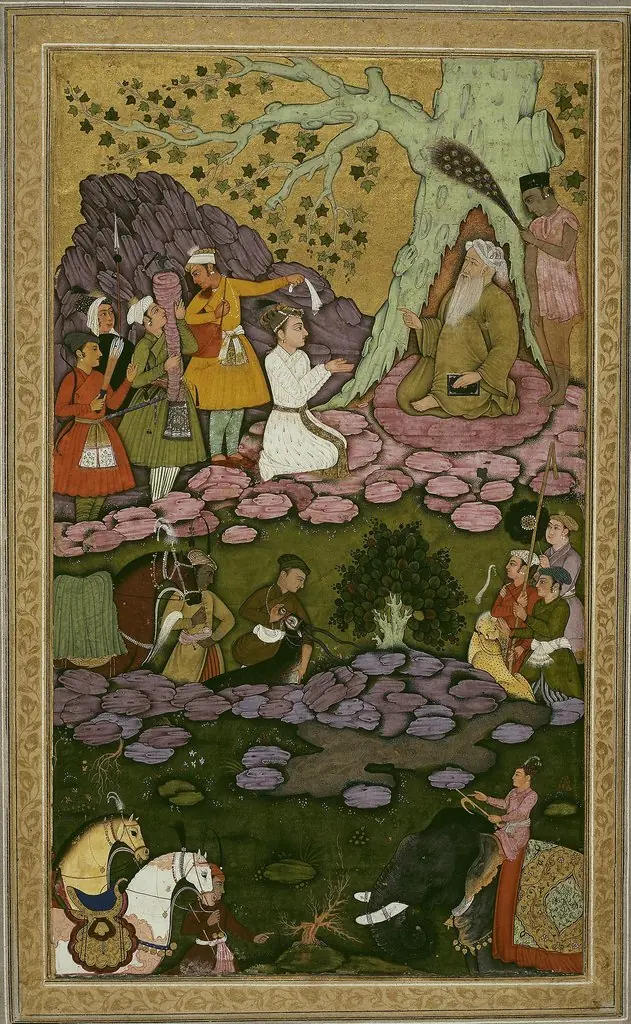 Prince Visiting an Ascetic during a Hunt
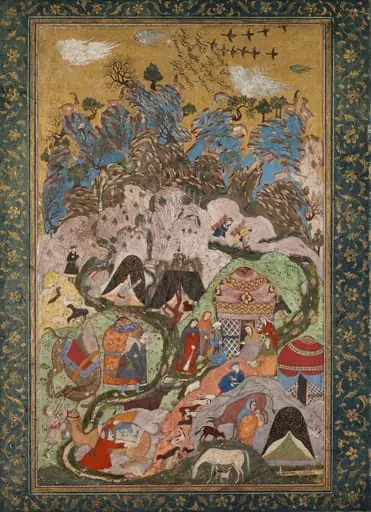 Encampment in the Mountains
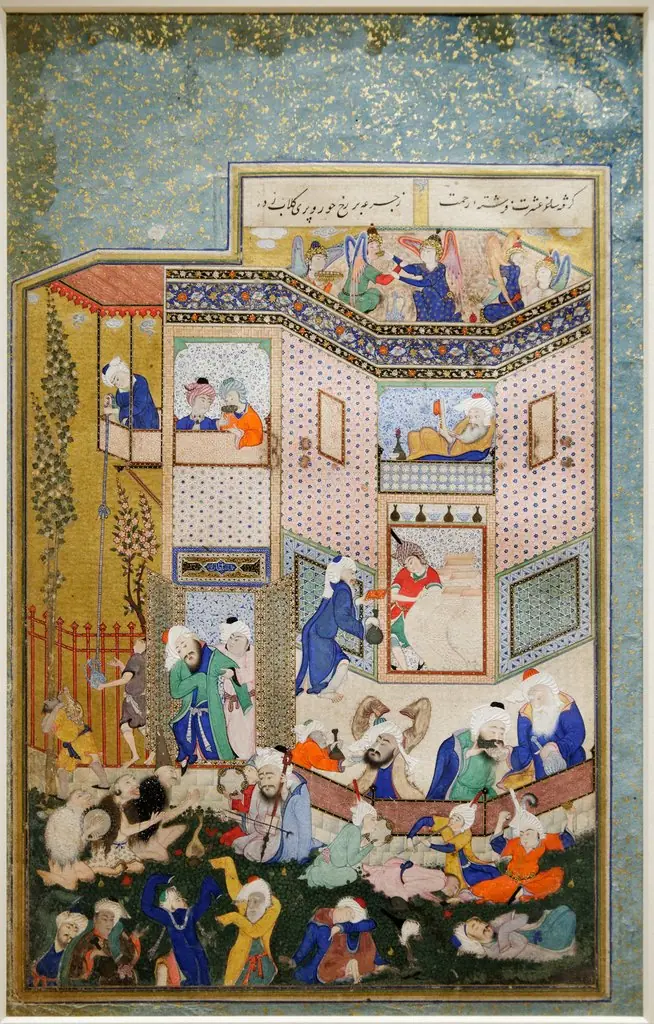 Samson (Bairds Carryout)
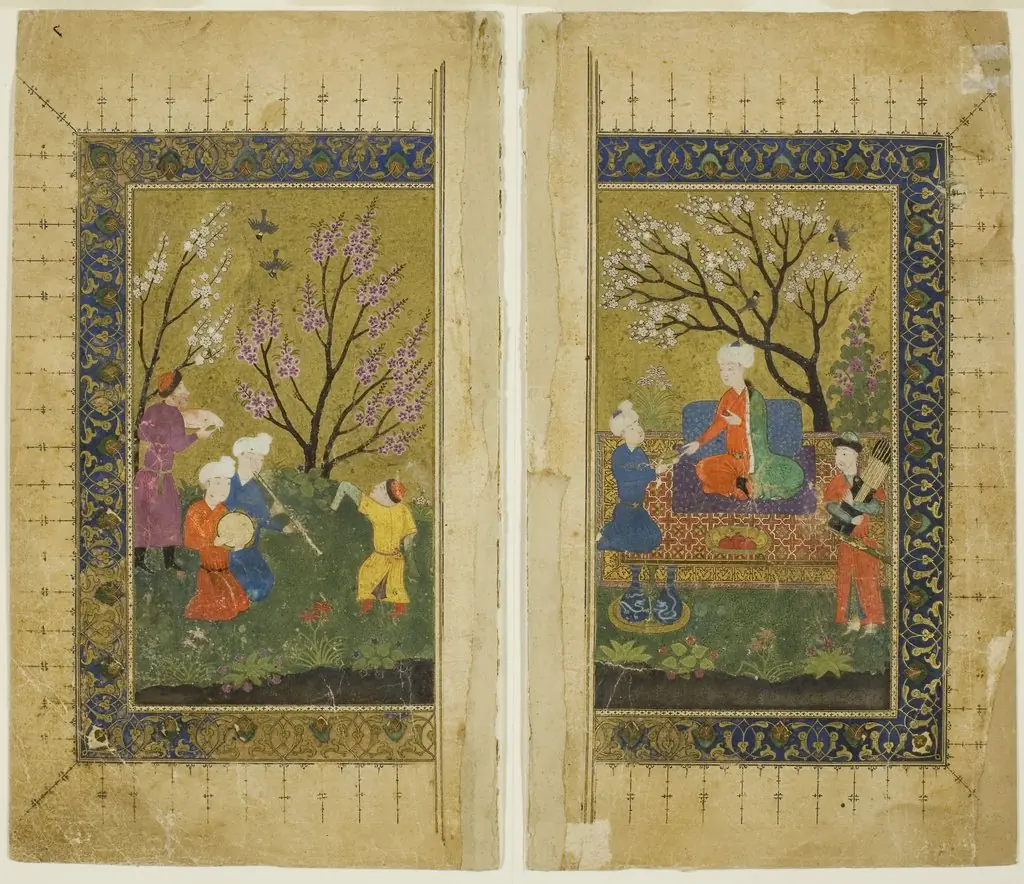 Garden Scene
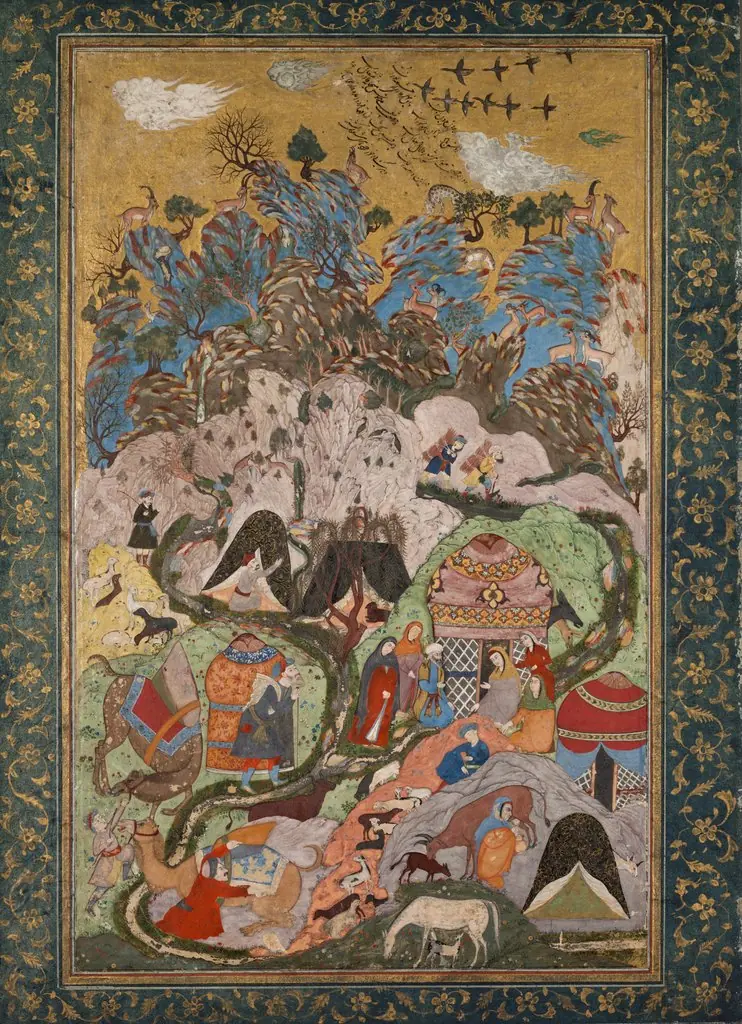 Encampment in the Mountains