Artwork
Joseph Barth
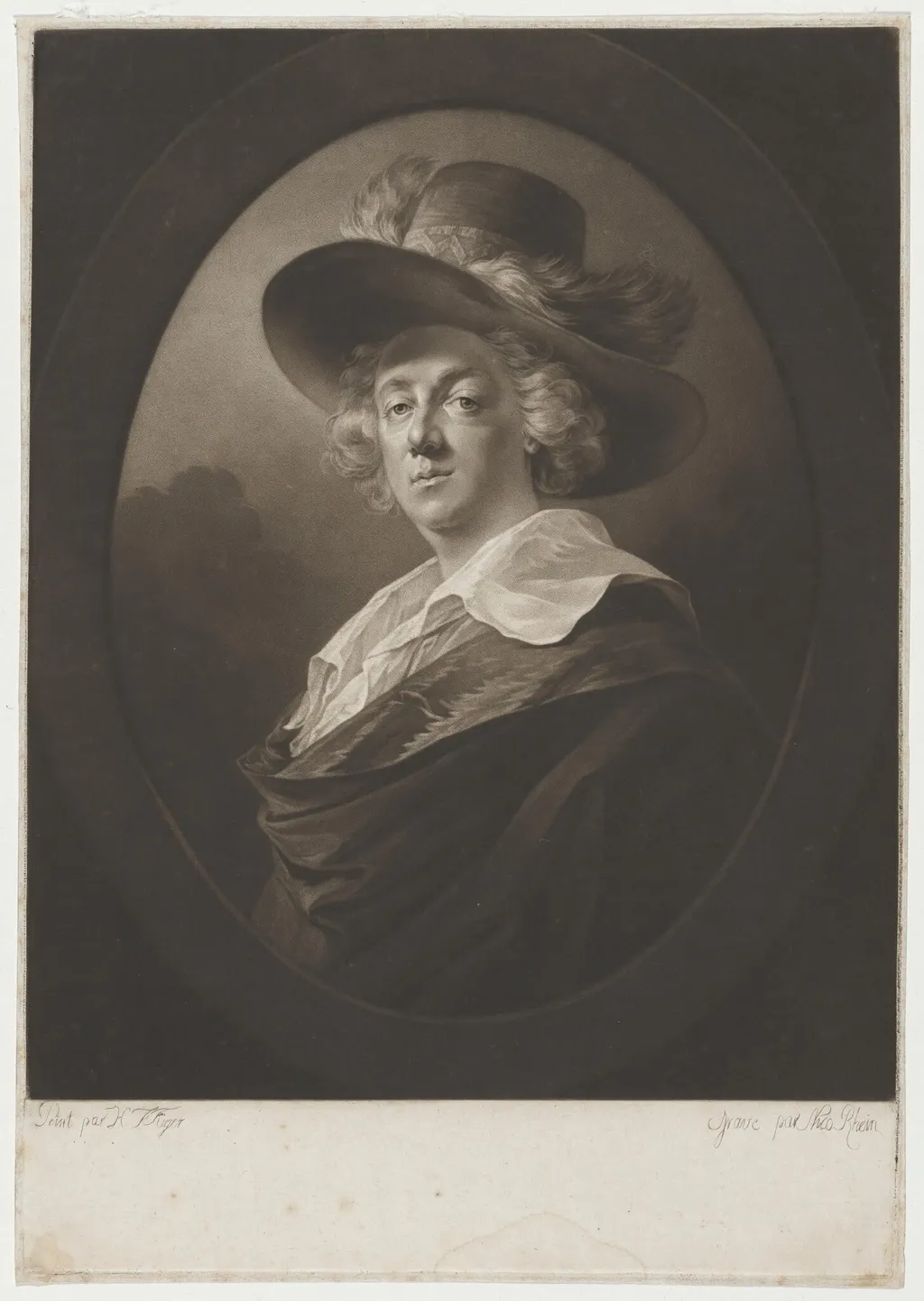
Joseph Barth is an ink print by the Romanticist artist Nikolaus Rhein. It dates from 1804 and is held in the collection of the National Gallery of Art.
About this work
Overview
The medium’s tonal range allows for subtle gradations, distinguishing it from sharper engraving techniques and lending the image a quiet, atmospheric presence.
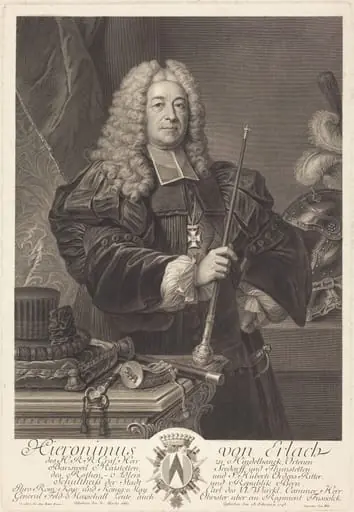
Created in 1804 by Nikolaus Rhein, this mezzotint depicts Joseph Barth, a figure whose identity is tied to the intellectual circles of early 19th-century Europe. Rendered in black and white on laid paper, the portrait captures a seated figure with a composed demeanor. The medium’s tonal range allows for subtle gradations, distinguishing it from sharper engraving techniques and lending the image a quiet, atmospheric presence.
Subject & Meaning
Joseph Barth, likely a scholar or public figure of his time, is portrayed with restrained dignity. His curled hair and wide-brimmed hat suggest a formal, perhaps academic, attire, while the ruffled collar hints at late 18th-century fashion. The calm expression and direct gaze convey introspection rather than grandeur, emphasizing character over status. The plain background focuses attention entirely on the sitter’s presence and expression.
Technique & Style
Rhein employed mezzotint, a process involving roughening a metal plate with a rocker tool, then smoothing areas to create tonal variations. This method allows for rich, velvety blacks and delicate transitions between light and shadow. Unlike etching or engraving, mezzotint produces soft, painterly effects—here used to model the contours of the face and fabric with a gentle, almost luminous gradation, avoiding harsh lines.
History & Provenance
The print was made in 1804, during Rhein’s active period as a reproductive printmaker in Central Europe. While specific ownership records are not widely documented, such portraits were often commissioned for private collections or academic institutions. The work reflects the period’s interest in documenting notable individuals through print, serving both commemorative and disseminative purposes in an era before photography.
Context
In the early 1800s, mezzotint was favored for portraiture due to its ability to mimic the tonal richness of oil paintings. Rhein, working in a tradition of German and Austrian printmakers, contributed to a culture where printed images helped circulate likenesses of intellectuals and professionals. Barth’s portrait fits within this network of visual documentation, aligning with broader European efforts to preserve individual identity through reproducible media.
Legacy
Rhein’s mezzotint of Joseph Barth remains a quiet example of early 19th-century portraiture, valued for its technical finesse rather than public fame. While neither artist nor sitter achieved lasting celebrity, the print endures as a testament to the skill of reproductive printmaking and the cultural value placed on capturing individual presence through meticulous, hand-crafted imagery.
Artist & collection

 Hyacinthe Rigaud
 Francois Verdier
 Sir Nicholas Caren of Beddington
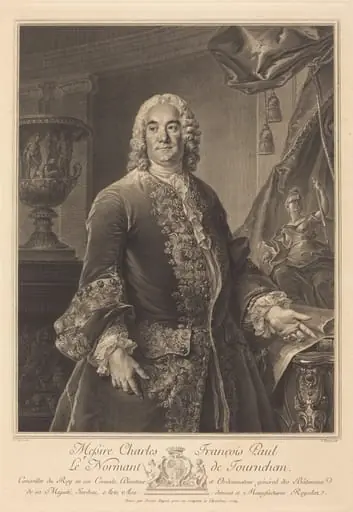 Charles Francois Paul Le Normant de Tournehem
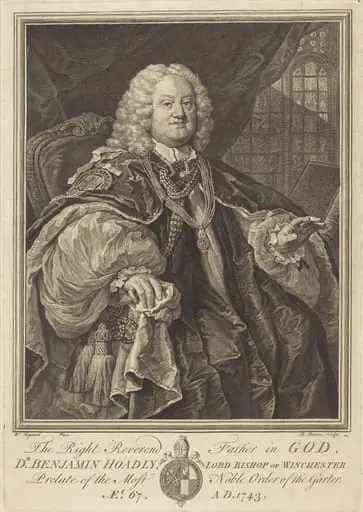 Bishop Hoadly
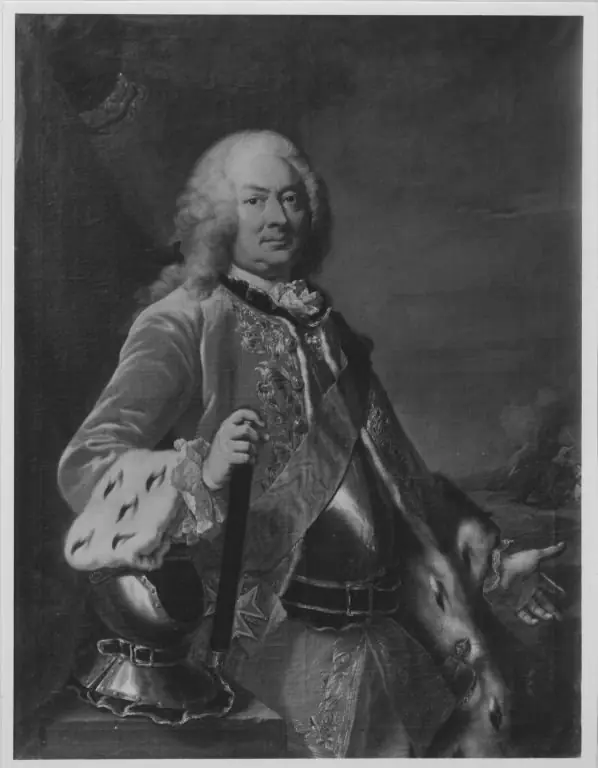 Landgraf Wilhelm VIII. von Hessen-Kassel
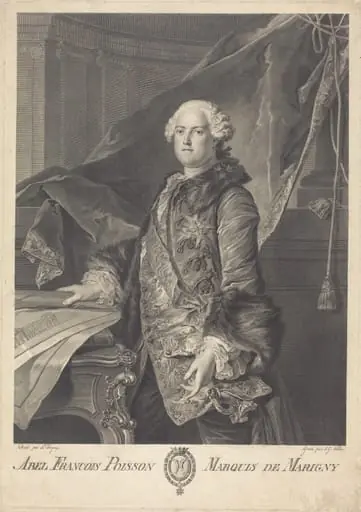 Abel Francois Poisson, Marquis de Marigny
 Ph. Cl. A. de Thubières, Comte de Caylus
 Gaspar-François de Fontenay
 H Beard Print Collection
 Portrait of a Man
 Johann von Erlach