Artwork
Bishop Hoadly
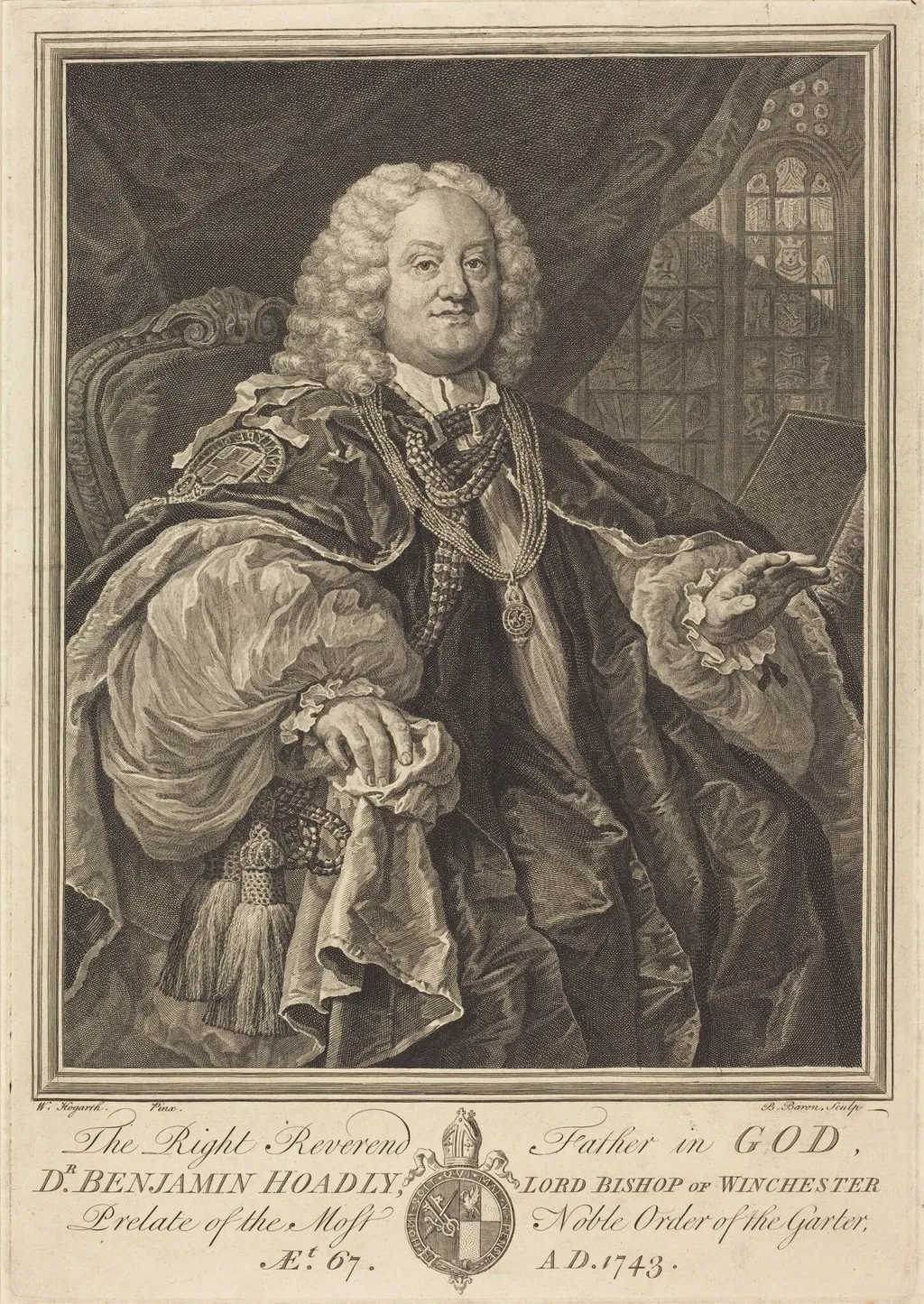
Bishop Hoadly is an ink print by the Baroque artist Bernard Baron. It dates from 1743 and is held in the collection of the National Gallery of Art.
About this work
Overview
Bernard Baron’s 1743 engraving presents the 18th‑century English cleric Bishop Hoadly. Rendered in a single, unadorned plane, the portrait isolates the figure, emphasizing his facial expression and attire. The work exemplifies the printmaking practices of mid‑Georgian Britain, where portrait engravings served both documentary and commemorative purposes.
Subject & Meaning
The sitter, Benjamin Hoadly, occupied a prominent position within the Church of England, known for his theological writings and involvement in ecclesiastical controversies. By depicting him in a dark ecclesiastical robe illuminated from the side, the image underscores his clerical authority while allowing a subtle play of light to suggest introspection.
Technique & Style
Baron employed fine, deep incised lines combined with delicate parallel hatching to model the folds of the robe and the contours of the face. The absence of a background heightens the three‑dimensional effect, while the crispness of the engraving demonstrates the artist’s command of tonal variation within the limits of copperplate printing.
History & Provenance
Created in 1743, the print was likely issued shortly after Hoadly’s elevation to bishop, serving as a visual record for patrons and institutions. Copies of the engraving have appeared in several British print collections, and a comparable work by Baron is held by the National Gallery of Art in Washington, indicating the artist’s broader distribution.
Artist & collection


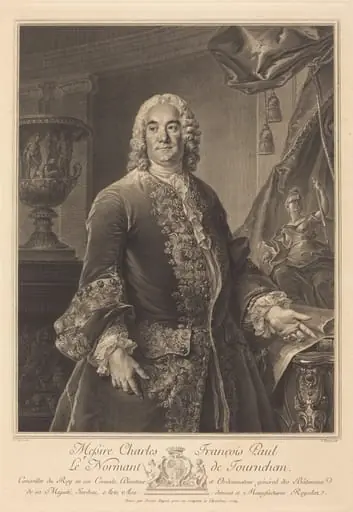 Charles Francois Paul Le Normant de Tournehem
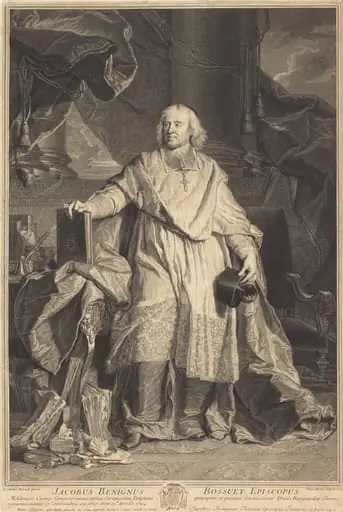 Jacques-Benigne Bossuet
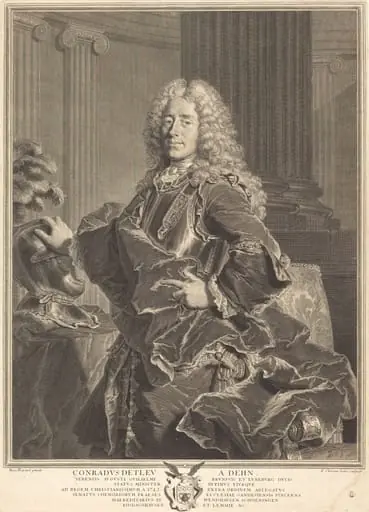 Conradus Detleu von Dehn
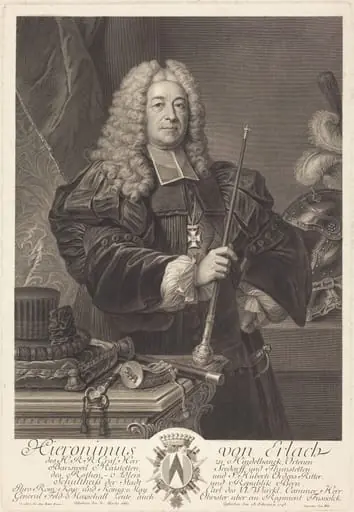 Johann von Erlach
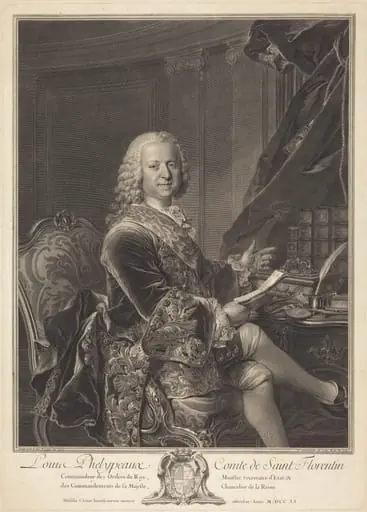 Louis Phelypeaux, comte de Saint Florentin
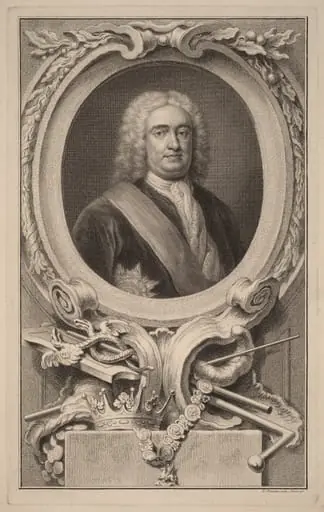 Robert Walpole, 1st Earl of Orford
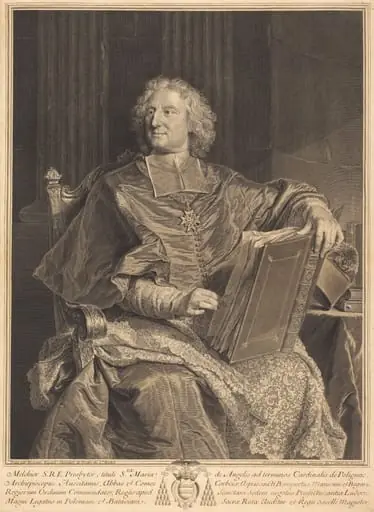 Cardinal de Polignac
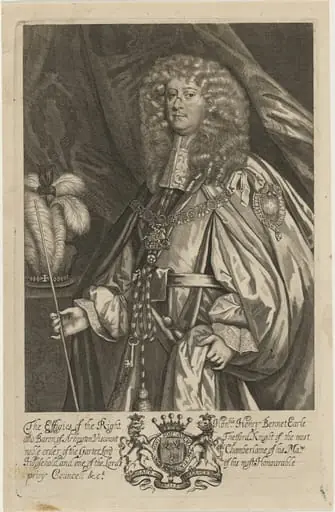 Henry Bennett, Earl of Arlington
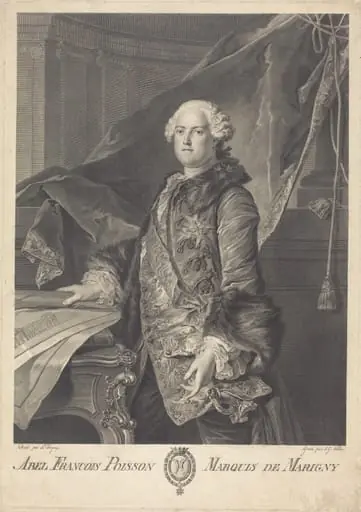 Abel Francois Poisson, Marquis de Marigny
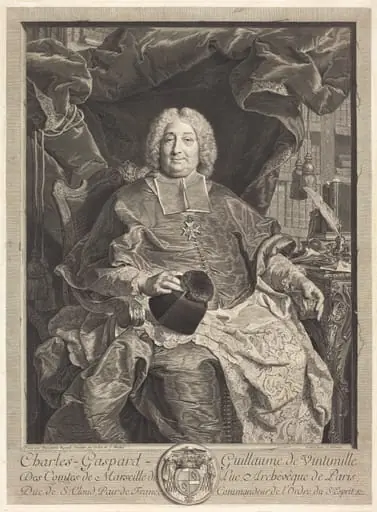 Charles-Gaspard-Guillaume de Vintimille du Luc, Archbishop of Paris
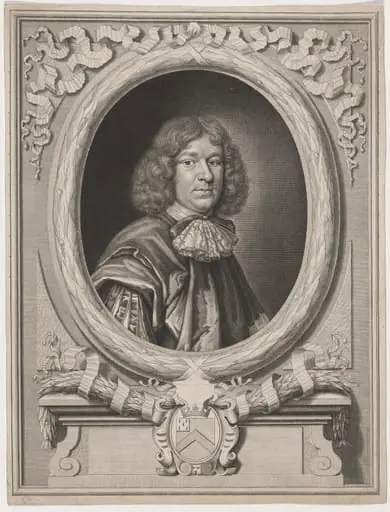 Robert Stafford of Bradfield, Berks
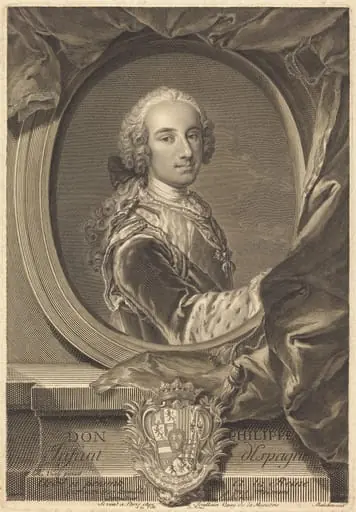 Don Philippe, Infant d'Espagne